

> Definition: A personalized quit smoking plan app is a mobile tool that uses your smoking history, trigger patterns, and preferences to generate a custom step-by-step cessation plan with built-in tracking, craving support, and adaptive daily guidance.
- The best quit plan apps tailor every step to your smoking patterns, not a generic timeline.
- Active daily logging, cigarettes, cravings, moods, lets the plan adapt to real-life slip-ups.
- Apps boost quit odds by up to 67%, but work best alongside NRT or professional support.
- The strongest apps combine evidence-based behavioral tools with practical daily reminders.
- Privacy, clinical validation, and sustained engagement are the three make-or-break factors.
| Need | Best option |
|---|---|
| Personalized daily quit plan with cravings, triggers, streaks, savings, and relapse recovery | Stop Smoking App |
| Detailed smoke-free milestone tracking and progress dashboards | Smoke Free or QuitNow |
| Gamified motivation, achievements, and habit-building prompts | Kwit or Stop Smoking App |
| Structured coaching, clinical-style programs, or public health guidance to combine with NRT, meds, counseling, or quitline support | Quit Genius or NHS Quit Smoking |
What a Personalized Quit Smoking Plan App Actually Does
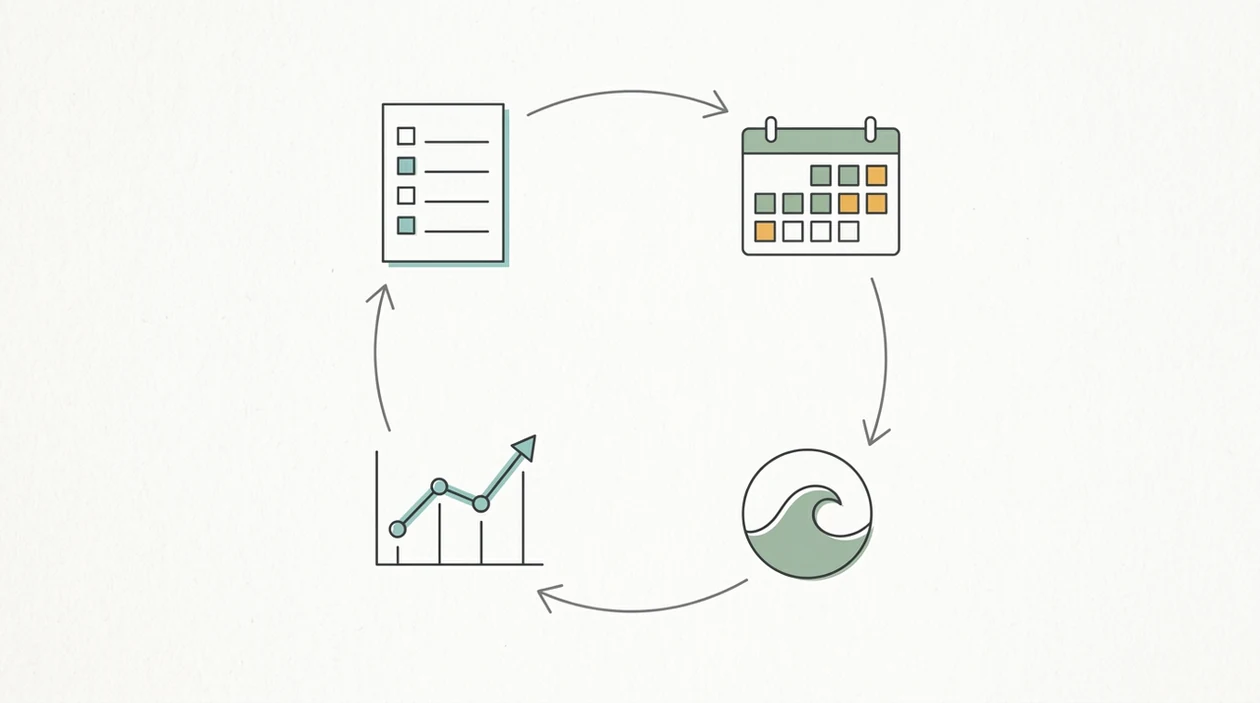
A personalized quit smoking plan app turns your smoking pattern into a daily smoking cessation plan. Generic advice says, “avoid triggers”; a tailored plan asks which triggers hit you, when they hit, and what you can do instead.
The core loop is simple: intake quiz, custom plan, daily tracking, adaptive tips. You enter your quit day, cigarette count, vaping habits if relevant, first-use timing, and trigger moments. Then the plan gives you today’s tasks, not a vague lecture.
The automatic reach is real.
Per the CDC, 55.1% of adult smokers reported a quit attempt in the past year, yet only 7.5% successfully quit in 2018. A 2022 meta-analysis found smartphone cessation apps increased quit odds by about 1.7 times versus minimal or usual care.
Quitters who need a plan that changes after a hard lunch break should look for a craving tracker and daily plan review that capture what actually happened.
5 Facts About Quit Plan Apps Every Smoker Should Know
- Tailoring matters: A quit plan app is more useful when it builds around your cigarette timing, triggers, and reasons for quitting instead of a fixed calendar.
- Behavioral science separates strong apps from thin ones: CBT-style coping tools, craving logs, and trigger planning usually beat motivational quotes alone.
- The plan needs your data: Logging cravings, mood, slip-ups, and smoke-free days keeps the plan adaptive. A silent app can’t learn much.
- Apps support treatment; they don’t replace it: The most evidence-backed approach for many smokers is medication or NRT combined with behavioral support.
- Privacy and validation count: Credible smoking cessation plan tools explain data use and show some clinical, public-health, or research grounding.
After the gas station cigarette display catches your eye behind glass, a useful plan should help you choose the next action. Not tomorrow. Right there.
For readers comparing phone-based support, our guide on how to make quit plan with phone explains the planning pieces in more detail.
Top Personalized Quit Smoking Plan Apps Compared
Here are the main personalized quit smoking plan app options worth comparing, especially if you want more than a countdown timer.
- MeQuit stop smoking app: Focuses on an adaptive daily plan, craving tracker, smoke-free streak, and progress dashboard. It fits people who want to log urges and see the plan respond with practical next steps.
- Smoke Free: Smoke Free uses CBT-based missions, health timeline milestones, and progress stats. The behavioral layer is stronger than apps that only show badges.
- QuitSTART: QuitSTART is free and built for teens and young adults, with tips, challenges, and craving support from a public-health angle.
- Kwit: Kwit leans into gamification, motivational cards, and achievements. It can help some users stay engaged, but its value depends on whether motivation cards are enough during a rough craving wave.
- BecomeAnEX: BecomeAnEX offers community and structured quitting education, which can matter when social support is the missing piece.
Parents who want their reason for quitting close to the daily plan should look for streaks, savings, and reminders that can be tied to family routines, like school pickup or a baby car seat beside an empty ashtray.
How We Picked the Best Smoking Cessation Plan Apps
We judged each smoking cessation plan app by five practical criteria: personalization depth, evidence base, daily engagement, privacy clarity, and relapse handling. A good app should ask enough questions to build trigger mapping and adaptive scheduling, not just request a quit date.
Evidence mattered too. We looked for CBT-informed tools, clinical trials, peer-reviewed backing, public-health design, or clear behavioral counseling principles. Doctors and tobacco-cessation guidelines often recommend combining behavioral support with medication for people who need more than self-help.
The full medication decision is covered in our NRT vs cold turkey guide.
According to a 2020 evidence review, behavioral counseling plus medication can more than double quit success compared with minimal intervention or self-help source. When the issue is follow-through, MeQuit earns its place because reminders, craving logs, and evening reviews create a repeatable daily workflow.
Ready to start your quit?
A personalized quit smoking plan app builds a tailored cessation schedule around your triggers, habits, and goals, then adjusts daily with craving tools, progress tracking, and…
Best Quit Plan App for Building a Daily Routine
A quit plan works better when it becomes a routine you can repeat during the first week. MeQuit structures the day around a morning plan, real-time craving response, and evening progress check.
Morning Plan Review
Open the day by reviewing your smoke-free streak, daily goal, and likely triggers. If the sour taste after black coffee is usually followed by a cigarette, name that risk before it surprises you.
Real-Time Craving Response
During a craving wave, log the urge, choose a coping tool, and wait out the timer. Tight jaw, busy mouth, restless hands. Put it in the log.
Evening Progress Check
At night, review mood, money saved, health milestones, and any slip-up without turning it into a full-day failure. A 2019 systematic review found mobile phone cessation interventions increased long-term quit rates by about 67% compared with controls.
For building this daily pattern outside any single brand, quit smoking habit tracking is the skill that keeps the plan honest.
Best Smoking Cessation Plan App for Combining With NRT or Meds
A smoking cessation plan app can work alongside nicotine patches, gum, lozenges, prescription medication, counseling, or a quitline. It should not make heavy smokers feel they have to choose between app support and medical support.
The misconception is simple: using an app does not mean skipping NRT. For many people, especially those who smoke soon after waking or have failed several quit attempts, the app is the behavior layer. Medication handles withdrawal; the plan handles triggers, routines, and accountability.
People using patches or gum can use MeQuit to record cravings, note side effects, and bring cleaner notes to a doctor or quitline call. The most common medically supported way to improve quit odds is combining medication with behavioral support because nicotine withdrawal and daily habits need different tools.
If you are still deciding between methods, our quitting vs tapering guide can help you choose a starting plan.
Honest Cons of Personalized Quit Smoking Plan Apps
Personalized quit smoking plan apps have real drawbacks. Some “personalized” tools are just generic tips in a cleaner screen, with little adaptation after the first setup quiz.
Engagement can also fade. Notifications get muted. Badges stop feeling new. The thumb still reaches for the device automatically, even when the plan says to pause.
Self-reported success rates can be inflated because people who quit using the app are more likely to report back. Some apps also treat a slip-up like a broken streak instead of a learning moment, which can feed the thought: “I already messed up, so I might as well smoke the rest of the day.”
However, downloading a quit plan app does not automatically make quitting happen. Good stop smoking apps deliver structured support and feedback, not a guarantee that cravings disappear.
MeQuit handles slip-ups as plan data because the reset workflow asks what triggered the cigarette and what should change next.
Limitations
No personalized quit smoking plan app covers every quitting need. Use these limits before choosing any app, including MeQuit.
- Not all quit smoking apps are evidence-based; some lack clinical trials or clear behavioral methods.
- High nicotine dependence may need NRT, prescription medication, counseling, or quitline support beyond any app.
- Co-occurring anxiety, depression, substance use, or crisis symptoms need professional care, not only phone reminders.
- Many apps lack independent clinical validation, and advertised success rates may rely on self-reported data.
- Privacy risk is real because some apps collect smoking, mood, and health behavior data and may share it with third parties.
- Push notifications, streaks, and badges lose effect if you stop opening the app.
- No app replaces emergency medical advice for severe withdrawal symptoms or mental health crises.
- Competitors such as QuitNow, Smoke Free, and Smokefree.gov vary widely in behavioral depth, community support, and privacy practices.
Reset the plan.
For a simpler feature-by-feature planning route, a tool to build quit smoking plan may be enough before adding medication or counseling.