
Quitting Vs Tapering Nicotine: Which Plan Fits Your Quit Journey?

When comparing quitting vs tapering, the research leans toward stopping on a set quit day with support, not slowly cutting down forever. Either path works best when you track cigarettes, cravings, smoke-free streaks, and progress toward a specific zero-use date.
> Definition: Quitting (abrupt cessation) means stopping all nicotine on a set quit date, while tapering (gradual reduction) means systematically cutting down cigarettes or vape sessions over days or weeks before reaching zero.
TL;DR
- Abrupt quitting with NRT outperforms gradual tapering in controlled trials by roughly 23 to 24% (2019 meta-analysis).
- Using evidence-based support such as NRT, medication, counseling, or quitlines is about 2 to 3 times more effective than trying without help (CDC).
- The right choice depends on your dependence level, preferences, and available support, not a one-size-fits-all rule.
Quitting Vs Tapering Nicotine: Side-by-Side Comparison Table
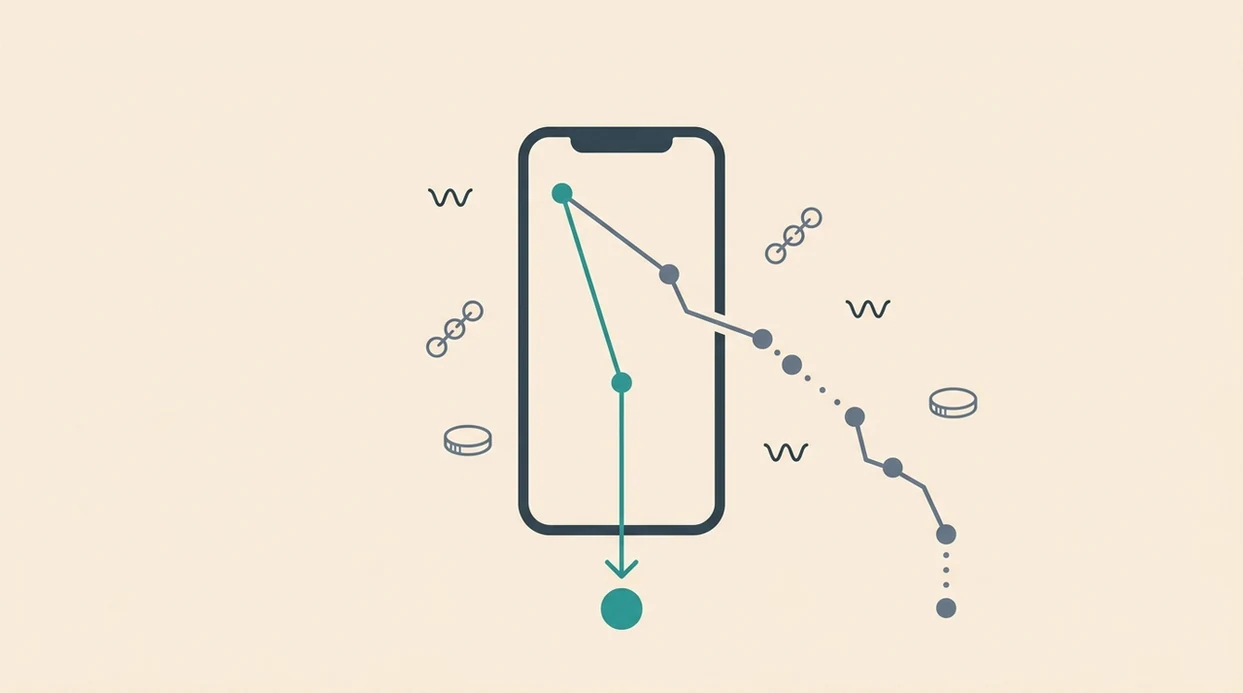
Quitting vs tapering is a choice between a clean stop date and a planned reduction period. Both methods work better when paired with nicotine replacement therapy, behavioral support, and a way to track what actually happened.
| Factor | Abrupt Quitting | Gradual Tapering |
|---|---|---|
| Definition | Stop all cigarettes or vaping on one quit day. | Cut down before quitting, then stop at zero. |
| Typical timeline | One set quit date, often with prep in the week before. | Usually 1 to 4 weeks of lower daily use. |
| Success rate evidence | Higher quit rates in NRT-supported trials. | Lower average quit rates in the same trials. |
| Withdrawal intensity | May feel sharper in the first week. | May feel spread out, but not absent. |
| Best paired with | NRT, medication timing, counseling, app reminders. | NRT, reduction targets, trigger tracking, coaching. |
| App tracking style | Smoke-free days, cravings, money saved, milestones. | Cigarettes per day, reduction goals, cravings, final quit date. |
A 2019 meta-analysis found gradual cessation with NRT had lower prolonged abstinence than abrupt cessation with NRT, RR 0.77, and lower 7-day point prevalence abstinence, RR 0.76 source.
The pocket check is real.
Five Evidence Facts About Quitting Vs Tapering Nicotine
The strongest evidence favors abrupt quitting with support, but tapering still has a place for people who need a lower-pressure runway. The main mistake is comparing unsupported willpower against a planned, supported quit.
- Abrupt quitting with NRT has higher long-term quit rates. In controlled trials, gradual quitting with NRT showed about 23% lower prolonged abstinence than abrupt quitting with NRT.
- Support tools matter more than the label. NRT, medications, quitlines, counseling, and stop smoking apps can all change the odds.
- Unsupported cold turkey is not the same as abrupt quitting with support. A patch, gum, coaching, and a craving log still count as an abrupt quit plan.
- Tapering can feel more manageable. Some smokers need to prove they can skip the porch cigarette before they believe they can stop completely.
- A good stop smoking app should handle both plans. MeQuit stop smoking app lets people track reduction or abstinence without turning one slip-up into a moral score.
For a practical comparison, track the same three items under either method: cigarettes or vape sessions used, craving intensity, and the next planned zero-use date.
Abrupt Quitting Benefits for Nicotine Cessation
Abrupt quitting with support has the clearest success signal in the quitting vs tapering research. In a 2019 meta-analysis, abrupt cessation with NRT produced about 23% higher prolonged abstinence and 24% higher 7-day point prevalence abstinence than gradual cessation with NRT.
That does not mean “white-knuckle it.” Unsupported cold turkey is different from choosing a quit day and using help. Per the CDC, people who combine nicotine replacement therapy with behavioral support are about 2 to 3 times more likely to quit than people who try without help.
Abrupt quitting also removes the daily argument. No “only three today,” no bargaining at the red traffic light beside a convenience store. For many people, that clean rule is easier to follow than a moving target.
The most evidence-backed approach for many cigarette smokers is abrupt quitting with NRT plus behavioral support, because it pairs a firm quit date with tools for cravings and relapse prevention.
MeQuit fits abrupt quitters who want a set quit day because the smoke-free streak, craving log, and milestone dashboard make the first week visible.
Gradual Cut-Down Benefits Before a Quit Date
Gradual tapering can be useful when an immediate stop feels too big to attempt. For heavy smokers, cutting down before quitting may lower the perceived shock and create small practice wins before the final quit day.
A taper can also teach the pattern. Maybe the after-lunch cigarette is easy to skip, but the drive home is not. That information matters. A person who feared quitting completely may start by delaying the first cigarette, removing one work-break smoke, or cutting out the last cigarette before bed.
Real life is messier than a clinical trial. People miss targets, buy a pack during a stressful week, or smoke more at a family event. That does not make tapering useless. It means the plan needs numbers, not memory.
People who want to quit smoking gradually can use MeQuit because daily cigarette tracking turns a vague “I’m cutting back” into a visible count, target, and trend.
For heavy smokers who will not start with an abrupt quit date, tapering is often more realistic than waiting for the perfect week because it begins the behavior change now.
NRT, Apps, and Counseling Support Tools for Nicotine Quitting
Support tools usually matter more than whether you choose abrupt quitting or gradual tapering. NRT, prescription medication, quitlines, text programs, counseling, and stop smoking apps all add structure when the craving wave hits.
Nicotine patches, gum, and lozenges reduce withdrawal by giving the body cleaner nicotine while you break smoking routines. NHS guidance reports that varenicline combined with NRT can make people over 5 times more likely to quit for good than going without those treatments source. Clinicians typically suggest matching medication and NRT choices to dependence level, health history, and previous quit attempts.
Good stop smoking apps deliver tracking, reminders, craving tools, and progress feedback, not prescription decisions or medical supervision. If medication is part of your plan, the NRT vs cold turkey guide explains the difference between stopping nicotine use and stopping smoked nicotine.
Anyone dealing with cravings during a bathroom break can use MeQuit because the craving log records the trigger, intensity, and coping step before the urge becomes a cigarette.
Apps do not replace medical advice. They help you bring clearer notes to it.
Smoker Profiles for Abrupt Quitting Vs Gradual Tapering
The right plan depends on your pattern, your support, and what happened in past attempts. Most smokers need more than one try, and switching methods is normal, not proof that you failed.
Signs Abrupt Quitting Fits Your Situation
Choose abrupt quitting if you have a firm quit day, access to NRT or medication support, and a history of tapers that kept stretching. It may also fit if counting cigarettes makes you bargain with yourself. “I already messed up, so I might as well smoke the rest of the day” is a sign the plan needs a faster reset.
Signs Gradual Tapering Fits Your Situation
Choose gradual tapering if stopping today feels so intimidating that you keep postponing the attempt. It can also fit people building confidence, heavy smokers, or anyone using daily reduction targets. A personalized quit smoking plan app can make those targets easier to review.
Quitters who have failed both strict cold turkey and loose cut-down attempts can use MeQuit because the reset workflow keeps the next action small: log the slip-up, adjust the plan, and continue.
Neither method is a failure if the first attempt does not stick.
Four Misconceptions About Quitting Vs Tapering Nicotine
Myths about quitting vs tapering can push people into plans that do not fit. Here are the four we hear most often.
- Myth: Gradual cut-down is always more effective. Controlled studies with NRT show the opposite on average, with abrupt quitting producing higher quit rates.
- Myth: Cold turkey means zero support. Abrupt quitting can include NRT, medications, counseling, quitlines, and a cold turkey quit smoking app.
- Myth: An app replaces medical support. MeQuit complements care by tracking cravings, triggers, streaks, and cigarettes per day. It does not prescribe medication or diagnose dependence.
- Myth: If tapering fails once, you cannot quit. Most successful quitters needed multiple attempts, and many changed methods after learning their triggers.
If the priority is avoiding all-or-nothing thinking, the next step should be simple: log the slip-up, identify the trigger, and choose the next cigarette-free block of time.
Stop Smoking App Tracking for Quitting and Tapering Plans
MeQuit supports abrupt quitting and gradual tapering without prescribing one path for everyone. You can set a quit date, build a reduction schedule, log cigarettes per day, and watch the same progress dashboard change as your use drops.
For abrupt quitting, the focus is smoke-free streaks, craving waves, money saved, and health milestones. Reading a milestone in bed can matter more than another lecture, especially when the day felt shaky. For tapering, daily cigarette tracking feeds back into motivation metrics, so a drop from 20 to 14 is visible.
MeQuit stop smoking app also helps users connect their plan with outside support, such as quitlines or a healthcare provider. For a step-by-step setup, the how to make quit plan with phone guide covers timing, triggers, and reminders.
People who need both a cut-down schedule and post-quit accountability can use MeQuit because the app keeps reduction tracking, craving logs, and smoke-free streaks in one workflow.
MeQuit does not diagnose dependence or manage medications.
Limitations
Quitting vs tapering research is useful, but it cannot predict every person’s quit attempt. Your mental health, home stress, nicotine dependence, and support system can change what works.
- Aggregate data may not match your personal outcome, especially if you have anxiety, depression, heavy nicotine dependence, or unstable housing.
- Tapering evidence is mixed and depends on adherence; real-world adherence is often lower than in clinical trials.
- Most research compares cigarette quitting methods. Evidence for vaping taper plans and dual-use patterns is still emerging.
- MeQuit cannot deliver NRT, prescribe varenicline, diagnose nicotine dependence, or manage co-occurring mental health conditions.
- No quitting strategy guarantees success on the first try. Any page that promises that is overselling.
- Competitors like Smokefree.gov and BecomeAnEX may offer community or government resources that some users prefer alongside an app.
- A half-empty pack tossed in a bin can feel like progress, but a plan still needs follow-up for the next craving.
People with complex medical histories should talk with a clinician or pharmacist before combining NRT, prescriptions, or major nicotine changes.
FAQ
Is cold turkey more effective than tapering?
Abrupt quitting with support is generally more effective than tapering in controlled cigarette studies. A 2019 meta-analysis found about 23% higher prolonged abstinence and 24% higher 7-day abstinence for abrupt quitting with NRT compared with gradual cessation with NRT.
Can you use NRT while tapering?
Yes, NRT can be used during a gradual reduction plan, depending on the product and your health situation. Many people use patches, gum, or lozenges to reduce withdrawal while cutting down cigarettes, but medication choices should be checked with a clinician or pharmacist.
Does tapering reduce withdrawal symptoms?
Tapering may spread withdrawal over a longer period, which can feel less shocking for some smokers. It does not eliminate withdrawal completely, because the final step to zero nicotine can still bring cravings, irritability, sleep changes, and a busy mouth.
How long should a tapering plan last?
Many tapering plans last 1 to 4 weeks, but there is no single duration that fits everyone. A plan should be short enough to avoid endless postponing and specific enough to show daily cigarette targets, trigger changes, and a final quit date.
Is unsupported cold turkey the least effective way to quit?
Unsupported cold turkey is usually less effective than quitting with evidence-based support. It is different from abrupt quitting with NRT, counseling, medication, quitlines, or a Stop Smoking App that tracks cravings and gives structure after the quit day.
Can an app help with quitting gradually?
Yes, a stop smoking app can help with gradual quitting by tracking daily cigarette counts, setting reduction targets, and logging cravings. MeQuit stop smoking app can also show money saved, missed cigarettes, and progress toward the final quit date.
What should I do if my first quit attempt fails?
Treat a failed quit attempt as information, not a verdict. Most smokers need multiple attempts, and switching from tapering to abrupt quitting, or from abrupt quitting to a structured cut-down plan, can be a healthy adjustment.
Does tapering work for vaping too?
Tapering can be applied to vaping by reducing sessions, nicotine strength, or cartridge use over time. Most quitting vs tapering evidence is stronger for cigarettes, so vaping plans should be treated as practical behavior tracking rather than a fully settled research standard.
Track Your Quit or Taper Plan
Use Stop Smoking App to monitor cravings, triggers, smoke-free streaks, money saved, and relapse recovery as you reduce nicotine or quit on a set date. For stronger support, combine the app with NRT, counseling, a quitline, or clinician guidance when appropriate.
Get Stop Smoking App