When Does Quitting Smoking Get Easier? A Week-by-Week Reality Check

If you are asking “when does quitting smoking get easier,” most people feel a noticeable shift after the first 2–4 weeks, once peak nicotine withdrawal fades. The hardest stretch is usually days 2–3, while individual cravings often last only 5–10 minutes and become shorter and less frequent over time. Smokefree.gov notes that withdrawal symptoms are often strongest in the first week and that cravings can be managed as short waves rather than all-day events source. MeQuit helps during that rough window by turning each craving wave into a logged, timed event instead of a vague all-day fight.
- Physical withdrawal peaks around days 2–3 and largely subsides within 2–4 weeks.
- Habit-driven cravings can persist for months but become weaker and easier to manage with the right tools.
- Tracking progress in a stop smoking app accelerates the point where quitting feels manageable.
5 Facts About When Quitting Smoking Gets Easier
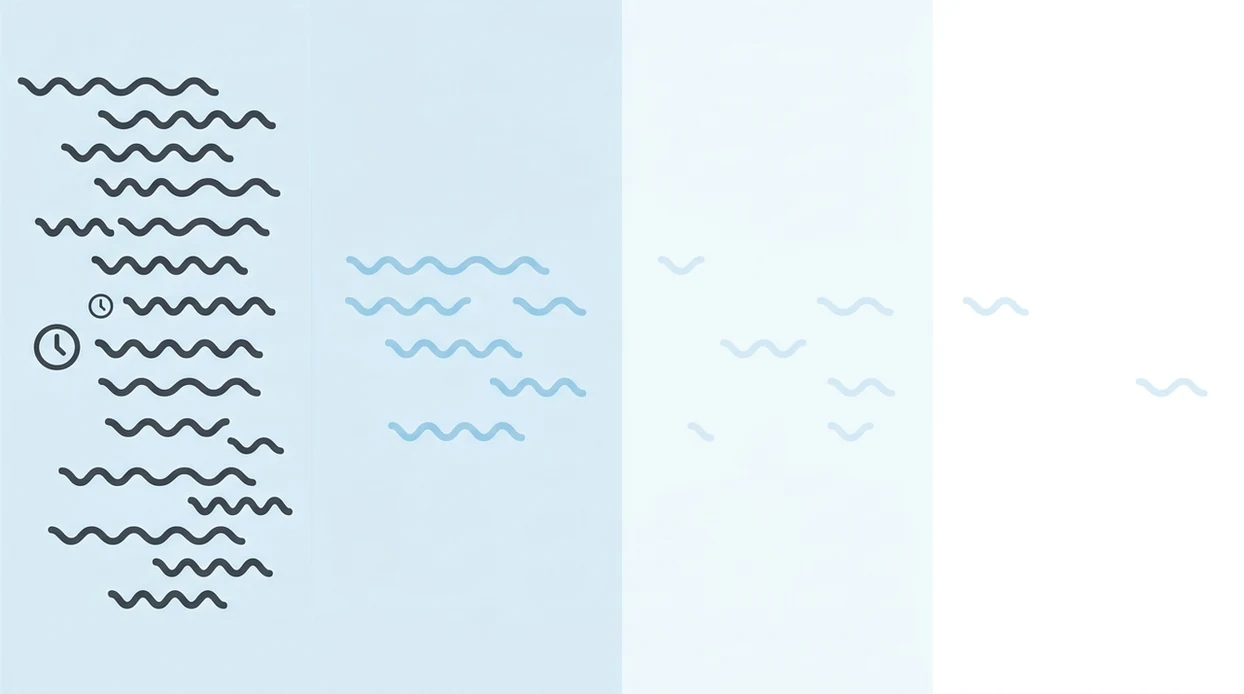
- The first week is usually the hardest. Nicotine withdrawal often peaks around days 2–3, when sleep, mood, focus, and appetite can feel all over the place.
- Physical withdrawal usually improves within 2–4 weeks. The body is still adjusting, but most people are no longer fighting the same constant nicotine demand by the end of the first month.
- Support can shorten the hard phase. Nicotine replacement therapy, prescription medication, counseling, and app-based tracking all give the quit attempt more structure than “just don’t smoke.”
- Most individual cravings are short. A craving wave often lasts 5–10 minutes, which is why a timer, breathing prompt, or quick walk can matter.
- At one year, many successful quitters feel less restless than before. They are no longer moving through repeated mini-withdrawals between cigarettes.
That last part surprises people. Smoking can feel like relief, but it often relieves withdrawal caused by the last cigarette wearing off. A craving log helps when you need proof that urges are shrinking because it shows duration, trigger, and smoke-free streak in one place.
Week-by-Week Timeline: How Long Cravings Last After Quitting
How long do cravings last after quitting smoking? Individual urges often last 5–10 minutes, while the overall withdrawal period usually improves over the first 2–4 weeks, according to cancer.gov guidance and Smokefree.gov withdrawal guidance.
Days 1–7: Peak Withdrawal Phase
Days 1–3 are the peak for many people. Tight shoulders, a busy mouth, and fidgeting fingers searching for something can show up fast. The first week is where a quit smoking timeline helps, because it keeps today from feeling like forever.
Weeks 2–4: When Physical Cravings Fade
By weeks 2–4, physical symptoms usually ease. However, emotional triggers may get louder, especially after meals, during traffic, or when work pressure spikes. If the priority is getting through the first month, a craving timer can make the timeline feel believable by showing that most urges pass in minutes, not hours.
Months 2–12: Habit Triggers Replace Nicotine Cravings
Months 2–3 often bring situational cravings, not constant withdrawal. By months 6–12, many successful quitters say daily life feels genuinely easier. The porch chair with old ash marks may still tug at memory, but the urge has less force.
How to Use This Quit-Smoking Timeline
Use this quit-smoking timeline as a planning tool, not a promise that every day will feel the same. The goal is to match your support to the phase you are in, then keep adjusting when real life adds stress, coffee, traffic, or old routines.
- Match your quit day to the current phase so you know whether you are in peak withdrawal, early improvement, or longer-term habit retraining.
- Plan extra support for days 2 and 3 before they arrive. Line up nicotine replacement if you use it, remove cigarettes, tell one person, and make those days lighter if possible.
- Use five-minute actions when a craving wave hits. Start a timer, drink water, step outside without smoking, breathe slowly, or move your hands until the urge drops.
- Review your triggers once a week and change the routine before the risky moment. If driving, lunch, or alcohol keeps showing up, decide the replacement action in advance.
- Treat slips as data instead of proof that quitting failed. Note what happened, reset quickly, and make the next cigarette harder to reach.
Nicotine Withdrawal and Craving Cycles in the Brain
Nicotine withdrawal gets easier because the brain gradually adjusts after nicotine stops binding to acetylcholine receptors. In plain terms, the brain stops expecting a cigarette to manage focus, mood, and tension every hour.
Here is how quitting smoking works. Nicotine dependence creates physical withdrawal, which is the body reacting to the absence of nicotine. It also creates conditioned habit loops, which are learned links between a trigger and smoking. Lunch break, the car, alcohol, and a stressful call can all become cues.
Smokers often live through constant mini-withdrawals between cigarettes. That is why the next cigarette can feel like it fixes everything. It is really quieting the discomfort created by dependence.
Small loop. Big pull.
Once physical dependence fades, habit cravings can be retrained. When a trigger shows up, logging what actually happened teaches the brain a new response. MeQuit supports that retraining because each urge can be tagged by trigger, intensity, and outcome.
5 Stop Smoking App Steps That Make Quitting Easier Faster
A stop smoking app works best when it turns quitting into small repeatable actions: plan, log, ride out the urge, review, and reset. A JAMA Internal Medicine trial found 8.5% verified 6-month abstinence in the app group versus 3.2% in control users source.
- Set a quit date and log it in MeQuit so your first smoke-free streak has a clear start.
- Track each craving with a craving timer so you can see the 5–10 minute wave pass.
- Review daily and weekly progress on dashboards that show streaks, cravings, and patterns.
- Use in-the-moment coaching or breathing exercises when the urge rating is moved with a shaky thumb.
- Reset milestones monthly so motivation does not depend only on day-one excitement.
Good stop smoking apps deliver timely coping prompts and honest progress data, not a promise that quitting will feel effortless. Adults trying to make the next cigarette harder to reach may prefer MeQuit because the smoke-free streak, craving log, and reset workflow sit together instead of being scattered across notes and reminders.
4 Myths About How Long It Takes to Quit Smoking
| Myth | Reality |
|---|---|
| Quitting only gets easier after several months. | The sharpest physical symptoms often start easing in 1–2 weeks. |
| Cravings stay just as strong forever. | Cravings usually become shorter, weaker, and less frequent over time. |
| Wanting a cigarette after weeks means failure. | Lingering urges are normal, especially around old routines. |
| NRT or apps just delay the pain. | Evidence-based supports can reduce withdrawal intensity and improve quit rates. |
The dangerous myth is “I already messed up, so I might as well smoke the rest of the day.” That thought turns one slip-up into a full relapse. Reset the plan.
When a slip-up is the issue, MeQuit handles the next step well because the reset workflow keeps the streak, trigger note, and next action in view without moralizing. The most evidence-backed approach to making quitting easier is combining medication or nicotine replacement with behavioral support that changes daily triggers.
One-Year Craving Results From Successful Quitters
Successful quitters often report lower craving and restlessness at 12 months than they felt before quitting. One NIH-indexed study found that people who stayed quit had significantly lower craving and restlessness after one year than continuing smokers and than their own pre-quit baseline source.
This matters because many smokers fear life will stay tense without cigarettes. The opposite can happen. Once the body is not cycling through nicotine drops all day, ordinary stress may feel less jagged.
Friend offering gum at a party. A quiet win.
People looking for long-range motivation can use MeQuit because the milestones and savings view connect today’s urge with visible progress, including the kind covered in a quit smoking benefits timeline.
5 Factors That Make Quit Attempts Easier Than Others
- Nicotine dependence. Cigarettes per day and time to first cigarette matter. Someone who smokes within 5 minutes of waking often faces stronger withdrawal.
- Evidence-based support. NRT, prescription medication, counseling, and apps can reduce the load. Clinicians typically suggest combining medication with behavioral support for people with moderate or high dependence.
- Mental health. Anxiety and depression can make cravings feel louder or last longer, especially in the first week.
- Environment. Alcohol, other smokers, stress, and old routines can restart urges after physical withdrawal fades.
- Past quit attempts. The CDC reported that 55.1% of adult smokers tried to quit in the past year, while 7.5% succeeded, so support and repetition matter. source
Office workers who smoke on lunch break may fit MeQuit because trigger tracking can separate nicotine withdrawal from the 12:30 p.m. routine. For many people, quitting usually depends more on repeatable coping plans than on one dramatic quit-day decision. Longer progress checkpoints are also easier to understand alongside quitting smoking benefits after 90 days.
When to Get Medical Help With Quitting Smoking
Get medical help if quitting feels physically or emotionally unmanageable, lasts longer than expected, or you have a health condition that makes withdrawal riskier. A clinician can help you choose safer support instead of trying to tough out every craving alone.
- Call a clinician if withdrawal is severe, sleep is collapsing, cravings feel constant, or symptoms are not easing after the early weeks.
- Ask about treatment options such as nicotine replacement therapy, varenicline, bupropion, or a combined plan that pairs medication with counseling.
- Seek tailored advice if you are pregnant, have heart disease, live with asthma or COPD, or notice chest pain, shortness of breath, or worsening symptoms.
- Tell your care team about anxiety, depression, substance use, or repeated relapse, because extra behavioral support can make the quit attempt safer and more realistic.
- Use apps as support for tracking cravings, triggers, and progress, while treating medical care as the place for diagnosis, prescriptions, and urgent concerns.
MeQuit can show patterns clearly, but it should sit beside professional guidance when the stakes are higher.
Limitations
No guide can name the exact morning when quitting suddenly feels easy. Timelines vary, and a dry mouth at the checkout line can still catch a person off guard.
- Stop smoking apps help, but they are not magic without honest logging and behavior change.
- Some people have prolonged post-acute symptoms; research on duration is still limited.
- Alcohol, grief, work stress, or being around smokers can briefly bring back urges years later.
- MeQuit does not prescribe medication or replace medical care for heavy dependence, pregnancy, or complex mental health needs.
- Methods promising a totally craving-free quit are not supported by rigorous evidence.
- Smokefree.gov, BecomeAnEX, NHS quit smoking resources, and apps such as QuitNow may fit people who want different support styles.
- A Stop Smoking App can track patterns, but it cannot remove cigarettes from the house or change a smoking social circle by itself.
FAQ
What day is hardest when quitting smoking?
Days 2–3 are typically the hardest because nicotine withdrawal often peaks during that window. The first week is the most difficult stretch for many quitters.
How long do nicotine cravings last?
Individual nicotine cravings usually last 5–10 minutes. Overall craving frequency often drops significantly within 2–4 weeks.
Does quitting get easier after a month?
Yes, quitting smoking gets easier for many people after one month because most physical withdrawal has settled. Habit cravings may still appear.
Why do I still crave cigarettes weeks after quitting?
Weeks-later cravings are usually conditioned habit or emotional triggers, not constant physical withdrawal. Common cues include stress, alcohol, driving, and meals.
Can a stop smoking app reduce cravings?
A stop smoking app can help reduce relapse risk by timing urges, tracking triggers, and prompting coping actions. A JAMA trial found higher verified quit rates among app users.
Is cold turkey harder than using nicotine replacement therapy?
Cold turkey can feel harder because nicotine replacement therapy reduces withdrawal intensity. Evidence-based support often makes the first weeks more manageable.
Do cigarette cravings ever fully go away?
Many people stop having regular cravings, but occasional situational urges can appear years later. They are usually brief and manageable.
What week is worst for quitting smoking?
The first week is usually the worst week for quitting smoking. Days 2–3 are often the peak withdrawal days.
Make Quitting Feel More Manageable
Stop Smoking App helps you track cravings, smoke-free days, savings, and progress so you can see when quitting starts getting easier. For extra support, combine app tracking with NRT, counseling, a quitline, or clinician guidance when needed.
Get Stop Smoking App