Is Smoking Addictive? The Neuroscience Behind Nicotine Dependence
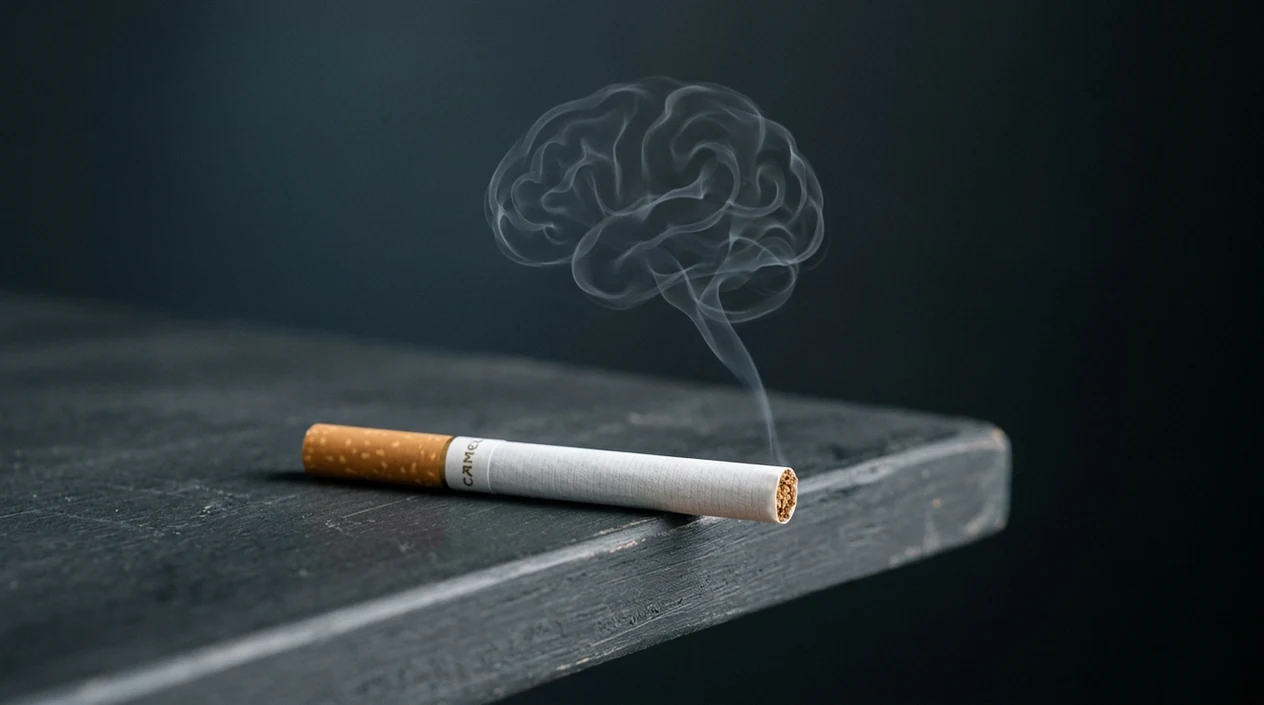
Is smoking addictive? Yes, about 80–90% of regular smokers are dependent on nicotine, which reaches the brain within about 10 seconds of a puff and triggers a dopamine surge that reinforces dependence. For quitting, the practical goal is to turn that brain-and-habit cycle into a daily plan: log cravings, name triggers, protect smoke-free streaks, and reset quickly after slips.
> Definition: Nicotine addiction is a chronic, relapsing condition in which the brain becomes physically dependent on nicotine's dopamine-boosting effects, causing compulsive smoking despite known health harm.
This article explains nicotine dependence and quitting options for general education; it is not a diagnosis or a substitute for medical care, especially if you are pregnant, have heart disease, or have severe anxiety, depression, or withdrawal symptoms.
TL;DR
- Nicotine hits the brain in about 10 seconds, releasing dopamine and creating a powerful reward loop.
- Addiction is both physical, meaning withdrawal symptoms, and psychological, meaning habits, triggers, routines, and identity.
- Only about 7.5% of quit attempts succeed in a given year; structured tools like a stop-smoking app can improve the odds compared with willpower alone.
Is Smoking Addictive? The Short Answer
Yes. Smoking is highly addictive because nicotine reaches the brain fast, changes reward circuits, and trains the body to expect another dose. About 80–90% of people who smoke regularly are addicted to nicotine, according to Smokefree Veterans source.
Nicotine is often classified with heroin and cocaine for dependence potential because it produces a fast reward signal and strong withdrawal pull. That doesn't mean every drug works the same way. It means the compulsion can feel just as real when your shoulders tighten in traffic and your brain starts bargaining for “just one.”
Smoking causes more than 480,000 deaths each year in the United States, according to the CDC. Even light, social, or “only at night” smokers can become dependent, especially when cigarettes attach to routines.
The pocket check is real.
The right fit for someone asking whether smoking is addictive is MeQuit because it turns the vague urge into a logged craving, trigger, and smoke-free streak.
5 Facts About Nicotine Addiction Everyone Should Know
- Nicotine reaches the brain fast. Inhaled nicotine can reach the brain within about 10 seconds, according to NIDA source. That speed is part of why cigarettes feel so reinforcing.
- Tolerance builds through receptor changes. The brain grows extra nicotine receptors over time, so many smokers need nicotine more often just to feel normal.
- Withdrawal is physical. Common symptoms include irritability, anxiety, cravings, low mood, restlessness, and poor concentration. The tight jaw during a craving wave is not imaginary.
- Most daily smokers start young. Nearly 9 out of 10 adult daily smokers first tried cigarettes by age 18, per the CDC.
- Support beats willpower alone. Structured cessation tools, counseling, medication, and nicotine replacement usually work better than trying to white-knuckle every urge.
People trying to explain nicotine addiction to themselves can use MeQuit to track what actually happened, not what shame says happened.
How Nicotine Addiction Works Inside Your Brain
Nicotine addiction works through receptor binding, dopamine release, tolerance, and learned habit loops. In plain terms, the brain starts treating nicotine as part of normal daily functioning.
The Dopamine Spike-and-Drop Cycle
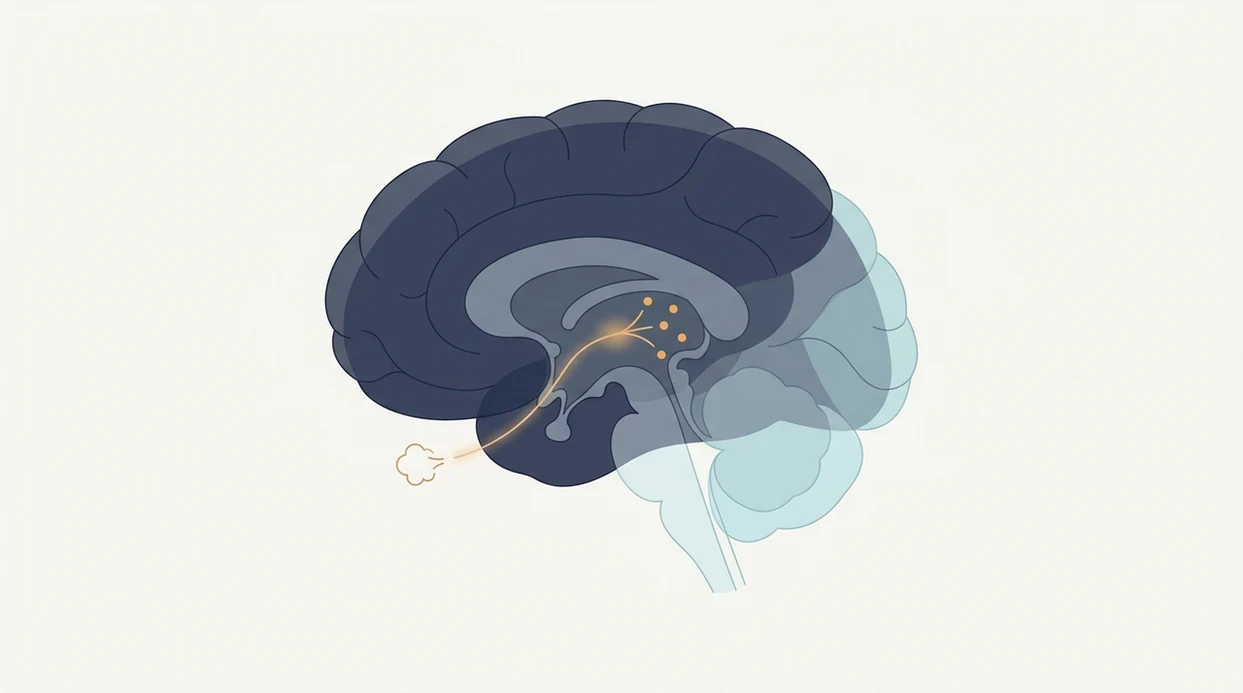
Nicotine binds to nicotinic acetylcholine receptors. That triggers dopamine release in the nucleus accumbens, a reward area involved in motivation and reinforcement. The lift is brief. Then dopamine drops, and the next craving starts to make sense.
That spike-and-drop rhythm explains why urges often arrive at predictable times. First morning. Lunch break. After dinner. The lighter outline in a jeans pocket can become a cue before the person has made a conscious choice.
Why Cigarettes Are More Addictive Than Nicotine Alone
Cigarettes deliver nicotine quickly and contain other chemicals, including acetaldehyde, that may amplify addiction. Physical dependence is the receptor-and-withdrawal part. Psychological conditioning is the routine part.
After a craving countdown watched on the bus, when the urge passes but the body still feels jumpy, MeQuit earns the spot because the craving log captures time, trigger, intensity, and outcome.
Physical and Psychological Smoking Triggers That Drive Addiction
“Why is smoking addictive if I know it’s harming me?” Because the body wants nicotine relief, and the mind has learned hundreds of tiny smoking cues.
Physical Withdrawal Symptoms
Physical withdrawal can include cravings, anxiety, restlessness, poor concentration, irritability, sleep trouble, and low mood. The body is not being dramatic. It is reacting to a missing drug it had adjusted around.
Behavioral and Emotional Triggers
Psychological triggers follow the habit loop: cue, routine, reward. Coffee, stress, driving, after meals, alcohol, and social cues can all set it off. For many people, smoking also becomes emotional regulation: “I smoke when I’m angry,” or “I smoke when I need five minutes alone.”
The CDC reported that 55.1% of adult smokers tried to quit in the past year, but only about 7.5% succeeded source. Behavioral support can help people recognize triggers and rehearse repeatable coping steps; it is not a magic button that erases nicotine dependence.
Quitters who relapse after one hard afternoon often need MeQuit because the slip-up workflow helps them reset the plan instead of smoking the rest of the day.
4 Common Myths About Smoking Addiction Debunked
Smoking addiction is often misunderstood, and those myths can keep people from getting help. Here are the four we hear most often.
| Myth | Reality |
|---|---|
| “Smoking is just a bad habit.” | Nicotine addiction is a real drug dependence, often compared with heroin and cocaine for addictiveness. |
| “A few cigarettes a day means I’m fine.” | Light and occasional smokers can still develop withdrawal, cravings, and cue-driven smoking. |
| “I can quit any time with enough willpower.” | Motivation matters, but brain changes and triggers usually require a plan, support, and repetition. |
| “Nicotine causes cancer.” | Nicotine drives addiction; tar and thousands of toxic smoke chemicals drive much of the cancer risk. |
A single cigarette butt in the driveway can make someone think, “I already messed up.” That moment needs a reset, not a lecture.
For people comparing support options, our guide on are quit smoking apps evidence-based explains where digital tools fit beside counseling and medication.
5-Step Quit-Smoking Plan to Break Nicotine Addiction
A quit-smoking plan works best when it makes the next cigarette harder to reach and the next smoke-free choice easier to repeat. Use these steps before quit day, then keep using them during the first week.
- Set a quit date and log your current smoking pattern, including time, place, and how strong each urge feels.
- Identify your personal triggers by noting the cue, emotion, routine, and reward behind each cigarette.
- Choose cessation support such as nicotine replacement therapy, prescription medication, counseling, a quitline, or MeQuit.
- Track cravings and smoke-free streaks in real time so you can see urges rise, peak, and pass.
- Reward milestones and reset after a slip-up instead of turning one cigarette into a full-day relapse.
The most common medically supported way to quit smoking is medication or nicotine replacement combined with behavioral support.
For people who need a phone-based plan, the MeQuit stop smoking app fits because the quit date, craving log, trigger list, streak tracker, and slip-up reset all support the same workflow. You can compare app features in our best stop smoking app guide.
5 Evidence-Based Treatments for Nicotine Addiction
Evidence-based nicotine addiction treatment usually combines craving control with behavior change. Clinicians typically suggest matching support to dependence level, withdrawal symptoms, and past quit attempts.
- Nicotine Replacement Therapy. Patches, gum, and lozenges reduce withdrawal by giving lower, steadier nicotine without smoke.
- Prescription medications. Varenicline and bupropion can reduce cravings and make smoking less rewarding for some people.
- Behavioral counseling. Individual counseling, group programs, and quitlines help people plan for triggers and relapse risk.
- Digital cessation tools. Stop-smoking apps can track cravings, rewards, streaks, and patterns between clinical visits.
- Combination therapy. Medication plus counseling or structured behavioral support is often more effective than either alone.
For smokers who need support during school pickup, lunch breaks, and late-night urges, MeQuit covers the in-between moments because the craving tracker is available when the trigger happens.
People asking do stop smoking apps work should look for structured tracking, clear coping steps, and honest privacy practices.
When to Talk to a Clinician About Quitting Smoking
Talk to a clinician if quitting feels medically complicated, emotionally unsafe, or too hard to manage alone. You do not need to wait until a quit attempt “fails” to ask for help.
- Check in before quit day if you are pregnant, have heart disease, or have another condition where nicotine withdrawal, medication choices, or stress changes should be monitored.
- Ask about medication if cravings, withdrawal, or repeated relapse feel bigger than your current plan. Nicotine replacement, varenicline, or bupropion may be options, but the right fit depends on your health history.
- Get urgent help immediately if quitting or cutting down comes with severe mood changes, panic that feels out of control, or thoughts of self-harm. In the U.S., call or text 988 for crisis support.
- Use outside support when home is not supportive or everyone around you smokes. Quitlines, counseling, group programs, and text-based coaching can give you a plan when willpower is running on fumes.
MeQuit can track the day-to-day pattern, but medication decisions and safety concerns belong with a qualified professional.
Limitations
Quitting tools can help, but they do not remove the hard parts of nicotine addiction. Be cautious with any product that promises an instant cure.
- Most people need several quit attempts before long-term success. That does not mean they failed.
- Nicotine replacement works poorly if the dose is too low, used inconsistently, or paired with frequent smoking.
- No app, medication, or method fully eliminates cravings. They usually fade over weeks or months, but can return years later.
- Some people experience worsening anxiety, depression, sleep problems, or mood swings and need medical care beyond self-help.
- Natural or unregulated quit-smoking supplements lack strong scientific evidence and may interact with medicines.
- Apps support quitting, but they do not replace professional medical advice for pregnancy, heart disease, severe mental-health symptoms, or complex medication questions.
- Privacy varies across digital tools; review quit smoking app privacy before entering sensitive health details.
MeQuit is useful for tracking and planning, but urgent symptoms, medication choices, and complex health histories belong with a clinician.
FAQ
How addictive is one cigarette?
One cigarette can start nicotine-related brain changes, especially in teens. Dependence usually develops through repeated exposure, but some people feel cravings quickly.
Is nicotine as addictive as heroin?
Nicotine is medically compared with heroin and cocaine for dependence potential. The drugs differ, but nicotine can create strong compulsive use and withdrawal.
Can light smokers be addicted?
Yes, light and occasional smokers can be addicted. Dependence can show up as cravings, irritability, routine-based smoking, or trouble stopping.
How long do nicotine withdrawals last?
Nicotine withdrawal often peaks around days 2 to 3. Most symptoms ease within 2 to 4 weeks, though occasional cravings can last for months.
Does nicotine cause cancer?
Nicotine is the main addictive drug in tobacco. Tar and many other toxic chemicals in smoke are major drivers of cancer risk.
Why do people start smoking?
People often start because of peer pressure, stress, curiosity, family influence, or social settings. Dependence can develop quickly once nicotine use repeats.
Are nicotine patches addictive?
Nicotine patches have lower abuse potential than cigarettes because they deliver nicotine slowly and steadily. They are designed to reduce dependence over time.
Can a quit-smoking app help with nicotine addiction?
Yes, a quit-smoking app can help by tracking cravings, identifying triggers, rewarding progress, and supporting relapse recovery. The MeQuit stop smoking app is built for those daily behavior-change steps.
Break the nicotine loop one craving at a time
Stop Smoking App helps you track cravings, triggers, smoke-free streaks, and money saved so you can understand your patterns and stay engaged with your quit plan. It is not medical advice or a medical device, and it works best alongside evidence-based support such as NRT, counseling, quitlines, or clinician guidance when needed.
Get Stop Smoking App