
How To Make a Quit Plan With Your Phone Before Day One
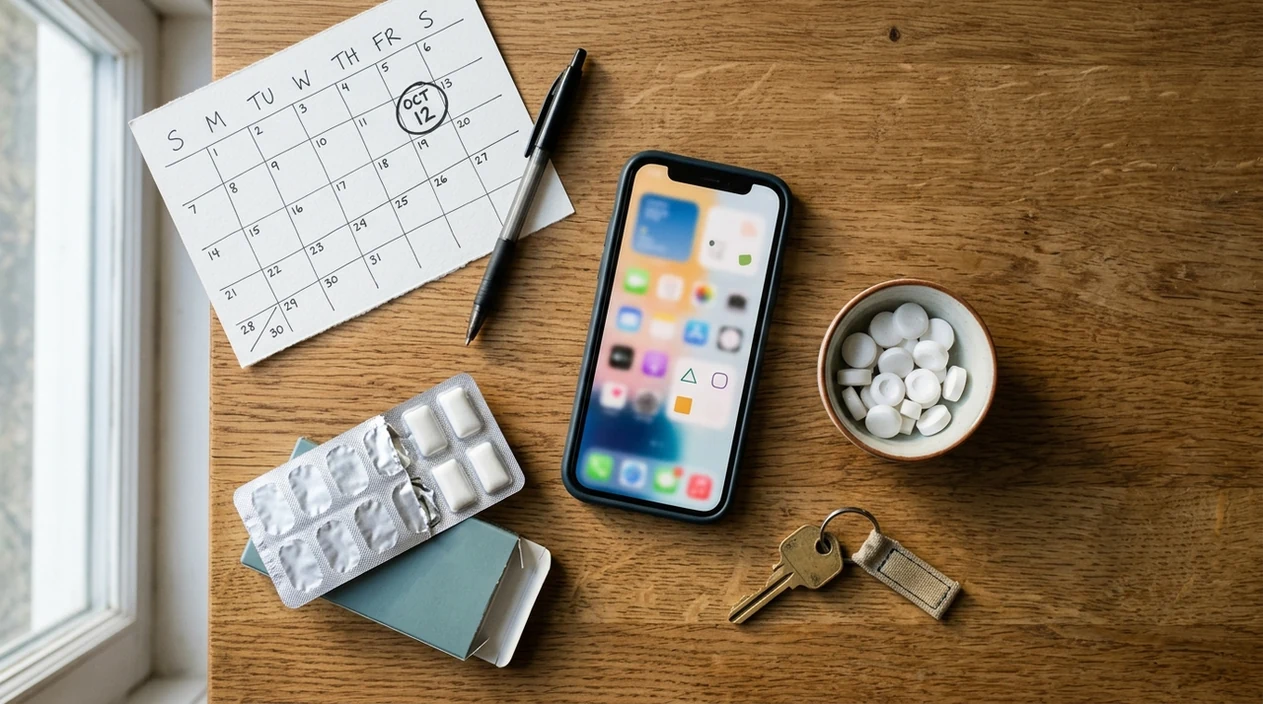
If you're wondering how to make quit plan with phone, choose a quit date, download an evidence-based quit smoking plan app, map your triggers, set medication and craving-tool reminders, enroll in a text support program, and save 1-800-QUIT-NOW in your contacts before your first smoke-free morning.
Definition: A phone-based quit plan is a structured, step-by-step smoking cessation strategy you build, track, and follow entirely from your smartphone using apps, text programs, reminders, and quitline access.
TL;DR
- Set a quit date within 30 days and lock it into your phone's calendar and quit app
- Combine your app with real human support, counseling plus medication more than doubles quit success
- Track triggers in real time, set medication reminders, and prepare backup strategies for cravings and relapses
What You Need on Your Phone Before Making a Quit Plan
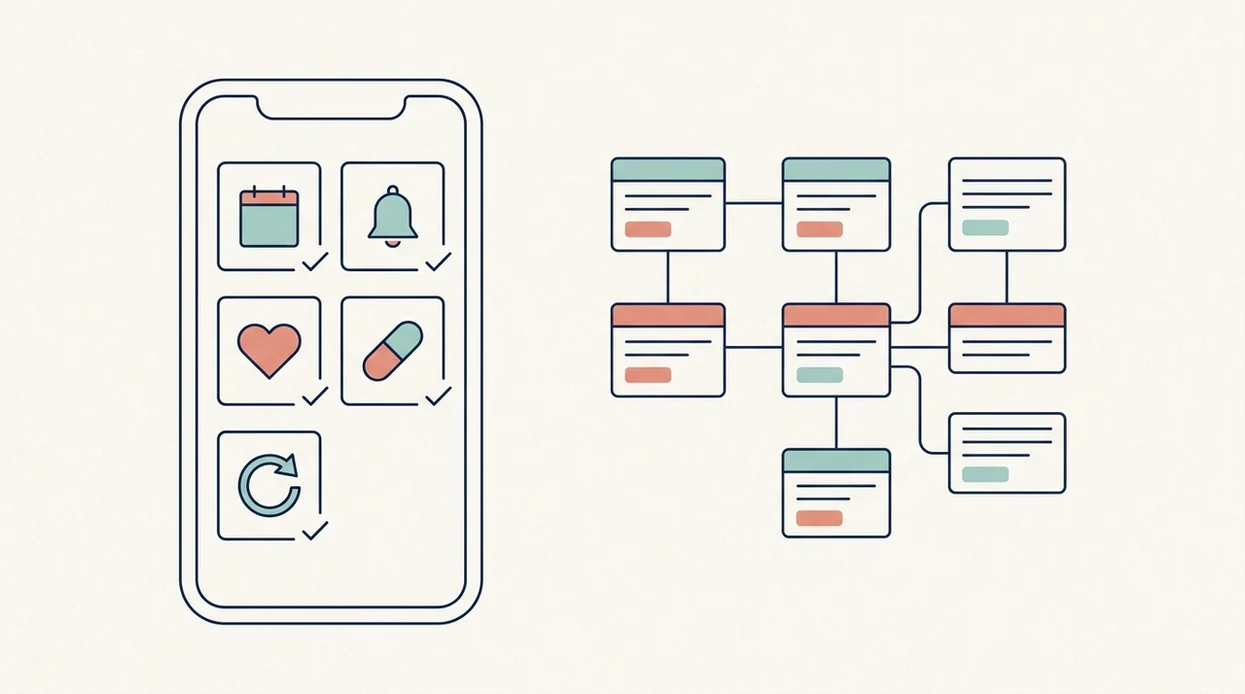
Before you make a quit plan on phone, set up the tools that will carry the plan when cravings get loud. Do this before quit day, not while you're standing outside with tight shoulders and a busy mouth.
- Quit smoking plan app: Download a tool with clinical or public-health support, not a random tracker with big claims and no clinical basis.
- Quitline contact: Save 1-800-QUIT-NOW as “Quit Coach” so it’s searchable fast.
- Text support: Enroll in SmokefreeTXT or a similar free text program for prompts during the first week.
- Phone readiness: Check storage, battery habits, notification settings, and reliable texting or data access.
- Evidence check: Not all quit smoking apps are clinically tested, so favor tools that support tracking, counseling, medication reminders, and relapse planning.
The pocket check is real.
Good stop smoking apps deliver structure, reminders, and tracking, not a guaranteed quit without daily action.
Step 1: Choose a Quit Date and Lock It Into Your Phone
How far ahead should I choose my quit date? Pick a date within the next 2 to 4 weeks, then put it in both your quit app and phone calendar. The American Cancer Society recommends choosing a quit date and using the time before it to prepare your environment and support plan source. A firm quit day works better than “someday” because your brain gets a clear line to prepare for.
Enter the date in your quit app so the countdown starts automatically. Add calendar reminders for 14 days out, 7 days out, 2 days out, and the night before. Use plain labels: “Buy patches,” “Throw out lighters,” “Tell Sam,” “Set morning plan.”
That first morning can feel strange. The old automatic reach before the coffee machine finishes may still happen, but the phone should already know what comes next. For people choosing between abrupt quitting and reducing first, the quitting vs tapering choice should be decided before the countdown begins.
Step 2: Log Your Smoking Triggers and Cravings on Your Phone
A trigger log shows when, where, and why cigarettes happen, so your quit plan is based on real patterns instead of guesses. For 5 to 7 days, record each cigarette or vape urge as soon as you can.
Use Stop Smoking App's craving log, MeQuit, or a simple notes app. Track four things: time of day, mood, location, and social context. “3:40 p.m., irritated, parking lot, alone after work” is more useful than “bad craving.”
After a week, review the list and circle your top three triggers. Maybe it’s the drive home, the lunch break, or the porch chair with old ash marks. Then turn each pattern into a strategy. If the trigger is sitting in traffic, queue a call or keep gum in the console. If it’s after dinner, walk before dishes.
For trigger-heavy quits, a personalized quit smoking plan app can help turn logged patterns into daily tasks.
Step 3: Set Medication and NRT Reminders in Your Quit Smoking Plan App
Medication reminders make nicotine replacement therapy easier to use correctly, especially during the scattered first week. Clinicians typically recommend discussing nicotine replacement therapy or prescription quit medicines with a doctor, pharmacist, or qualified clinician before starting.
Per the CDC, combining long-acting NRT, such as the patch, with short-acting NRT, such as gum or lozenges, can further improve quit success source. Set one daily patch-change alarm. Then add separate reminders for gum or lozenges during predictable craving windows.
Counseling plus medication more than doubles the chance of quitting compared with using either alone, according to CDC guidance source. The most common medically supported way to improve quit success is combining behavioral support with approved quit-smoking medication.
Tools like MeQuit can fold medication tracking into the same routine as craving logs and smoke-free streaks. If you’re comparing methods, the NRT vs cold turkey guide can help frame the conversation with your clinician.
Step 4: Build a Craving Toolkit on Your Phone
A craving toolkit is a set of phone-ready actions you can open before the urge turns into a cigarette. Build it before quit day, because craving waves do not wait for neat thinking.
Save a note called “5-minute urges.” Add fast actions: walk around the block, brush teeth, play one puzzle level, text your accountability person, stretch shoulders, drink cold water, or sort photos for five minutes. Keep it boring enough to use.
Use your quit app's timers, breathing exercises, and motivation tools if they help you ride out the first peak. Bookmark 1-800-QUIT-NOW for on-the-spot coaching. Pre-write your reasons-to-quit note and set it as a lock screen or widget. A child’s drawing taped to the fridge may be the reason; your phone just keeps it visible when you’re not home.
Willpower alone with generic quotes usually isn’t enough. Structured strategies are the plan. Daily prompts can help too, especially from an app that gives daily quit smoking tips.
Step 5: Connect Phone Support: Quitlines, Text Programs, and Accountability Contacts
Phone support works better when it includes real people, not just notifications. Quitlines, text programs, and accountability contacts give you someone to reach before the cigarette is lit.
1-800-QUIT-NOW connects people with free quitline services in every U.S. state, the District of Columbia, Puerto Rico, and Guam, according to the American Cancer Society source. Telephone counseling also increases quit rates compared with trying to quit alone, according to the Smoking Cessation Leadership Center at UCSF source.
Enroll in SmokefreeTXT or a similar program before quit day. Then choose one person who can receive a short text when cravings hit: “Urge is high. Please distract me for 5 minutes.” That text is easier to send if it’s already written.
Best results come from combining phone tools with professional medical advice, especially if you use medication or have health concerns.
Step 6: Plan Your Phone-Based Reset Strategy for Slips and Relapses
A reset plan tells you what to do after a slip-up, so one cigarette does not become the rest of the day. Write the plan in your phone before quit day.
Use an if-then format: “If I smoke, then I will log what happened, throw away the rest, call 1-800-QUIT-NOW or open my quit app, and restart the next hour.” Keep the wording direct. You may need it when you feel embarrassed.
Ash on fingers after a stressful call can bring the thought, “I already messed up, so I might as well smoke the rest of the day.” Don’t follow that thought. Reset the plan.
Review your trigger log and identify what led to the slip. Was it alcohol, anger, no patch, or an empty evening? Adjust the plan from that data. Quit plans are living documents, not pass-fail tests.
Common Mistakes When Making a Quit Plan on Your Phone
The biggest mistake is downloading an app and never turning it into a real plan. A quit smoking plan app should hold your quit date, triggers, medication reminders, craving tools, support contacts, and reset steps.
Another common error is relying only on the app. Most users do better when phone tools are paired with counseling, medication when appropriate, and honest trigger tracking. Guessing at patterns often misses the real one, like the cigarette that always follows the 2:15 p.m. work call.
Be careful with e-cigarette or vape tracker apps marketed as quit tools. Major health organizations do not treat vaping as a proven safe quit method, and some trackers simply help you monitor nicotine use rather than stop it.
A phone-based plan also does not replace doctor visits for complex cases. If you have pregnancy concerns, heart disease, severe anxiety, depression, substance use issues, or medication questions, bring the plan to a clinician. If you’re comparing app workflows, a tool to build quit smoking plan can show what pieces belong in one place.
Verify Your Phone Quit Plan Is Complete Before Day One
Run a final phone checklist the night before quit day. Your plan is ready when every key action is visible, active, and easy to open.
Check these items:
- Quit date set in app and calendar
- Top triggers logged from the last 5 to 7 days
- NRT or medication reminders active, if using them
- Craving toolkit loaded in notes or app
- 1-800-QUIT-NOW saved in contacts
- Text support program enrolled
- Relapse reset plan written
- Accountability contact notified
Open MeQuit the night before quit day and confirm notifications are working. Check your smoke-free streak settings, money-saved calculator, and first-morning prompt.
The phone is a tool, not the quit itself. For parents, this may mean checking the plan before school pickup instead of waiting until the evening crash; a quit smoking app for parents can make those pressure points easier to plan around.
Limitations
A phone-based quit plan can make quitting more organized, but it has real limits. Set expectations now so the first hard day doesn’t feel like proof you failed.
- A phone plan alone is not a magic fix. You still need to change routines, remove cigarettes, and use coping tools when urges hit.
- Not all quit smoking apps are evidence-based or clinically tested. Some are just counters with motivational messages.
- Limited storage, weak internet, shared phones, or unreliable texting can make app-based support harder to use.
- Plans that rely only on inspirational notifications usually have lower success than plans that include counseling and medication when appropriate.
- People with complex mental health needs, substance use concerns, pregnancy, or serious medical conditions may need in-person or telehealth care beyond an app.
- Notifications can become background noise. If you ignore them for three days, change the timing or simplify the plan.
- Privacy matters. Review what any app collects before logging sensitive health details.
A phone can carry the plan. It cannot make every choice for you.
FAQ
Can a phone app alone help me quit?
A phone app can help you organize and track a quit, but it works best with counseling and medication when appropriate. Apps should support behavior change, not replace it.
Is 1-800-QUIT-NOW really free?
Yes. 1-800-QUIT-NOW is a free quitline connection available in all U.S. states, DC, Puerto Rico, and Guam.
How far ahead should I set my quit date?
Set your quit date about 2 to 4 weeks ahead. That gives you time to log triggers, prepare medication reminders, and remove cigarettes.
Do quit smoking plan apps work for vaping?
Some phone-based programs support vaping cessation, but not every vape tracker is an evidence-based treatment. Choose tools that focus on quitting nicotine, not only counting use.
Should I track every cigarette before quitting?
Yes, if you can do it for 5 to 7 days. Tracking each cigarette helps reveal your strongest triggers before quit day.
Can I use my phone for NRT reminders?
Yes. Phone alarms and quit smoking plan apps can remind you to change patches and time gum or lozenges.
What if I slip after my quit date?
A slip does not erase your progress. Log what happened, reset your tracker, use your saved relapse plan, and continue.
Are all quit smoking apps evidence-based?
No. Many apps have not been clinically tested, so look for evidence-based features like trigger tracking, medication reminders, counseling links, and relapse support.
Build Your Quit Plan on Your Phone
Use Stop Smoking App (MeQuit) to track cravings, set reminders, monitor smoke-free progress, and reset after slips. It is a practical companion for your quit plan, especially when combined with support and medical guidance when needed.
Get Stop Smoking App