
How To Rewire Your Brain After Quitting Smoking: Dopamine Recovery Timeline
Learning how to rewire your brain from smoking requires breaking nicotine-trigger loops and rebuilding healthier dopamine routines over roughly 90 to 180 days. The process involves surviving acute withdrawal, identifying personal smoking cues, and repeating smoke-free responses until they become automatic. Combining behavioral tools like a quit-smoking app with evidence-based medication gives you a stronger chance of lasting brain recovery after quitting smoking.
> Definition: Brain rewiring after smoking is the gradual process by which dopamine signaling and nicotine receptor activity normalize after you quit, weakening cravings and replacing automatic smoking habits with smoke-free routines.
TL;DR
- Nicotine hijacks your brain's reward system, but dopamine levels begin recovering within weeks of quitting.
- Habit cues like stress, coffee, and driving can trigger cravings long after nicotine leaves your body; trigger-specific practice is essential.
- Combining behavioral support, such as a stop smoking app, with NRT or medication can improve quit success and support rewiring.
- Most people experience meaningful dopamine recovery after quitting smoking within 90 to 180 days.
- Cravings are a normal part of rewiring, not a sign of failure.
5 Facts About Brain Recovery After Quitting Smoking
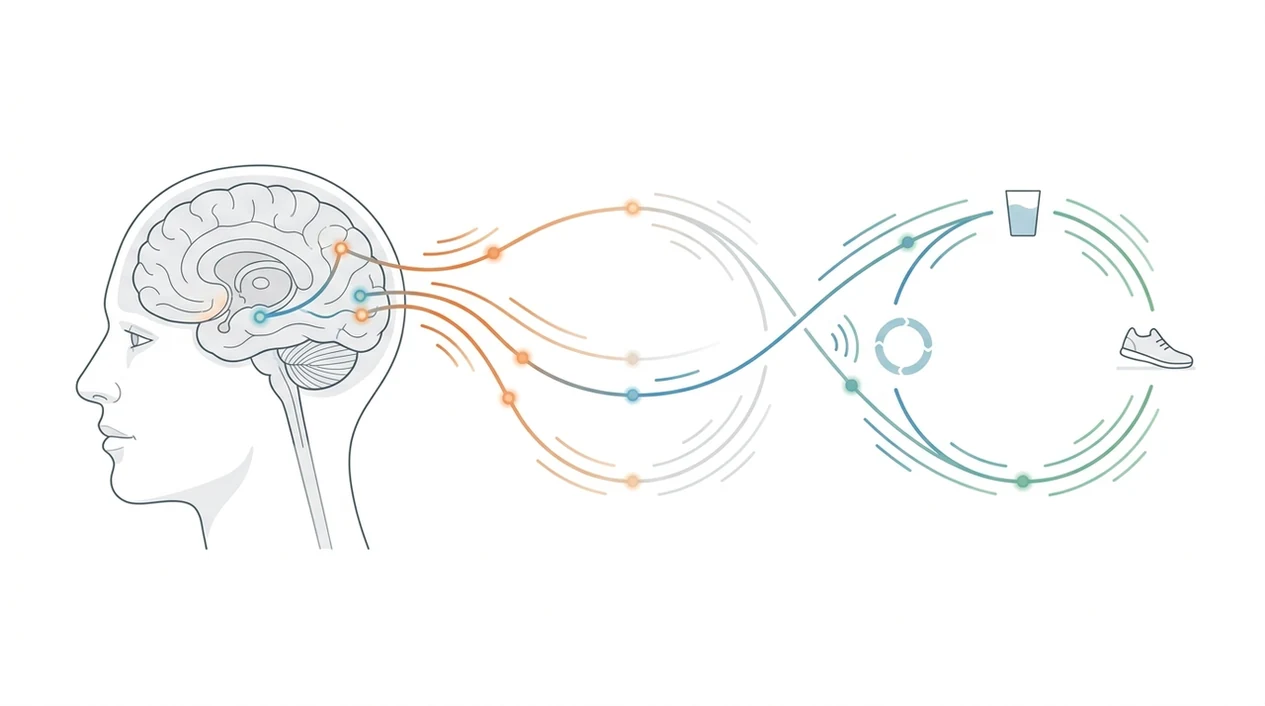
- Nicotine reaches the brain fast. Nicotine can reach the brain in about 10 seconds after inhalation, which helps explain why the reward hit feels so immediate.
- Dopamine starts recovering within weeks. The early lift is real, but deeper dopamine after quitting smoking changes usually take months.
- Habit cues outlast nicotine. A phone call near the back door can still light up the old smoking loop after the chemical withdrawal has eased.
- Medication plus behavior support is evidence-based. The USPSTF recommends behavioral support with approved pharmacotherapy for adults who smoke source.
- Rewiring matters because smoking is deadly. Cigarette smoking causes more than 480,000 preventable U.S. deaths each year, according to the CDC source.
That’s the plain reason to keep going. One urge at a time.
What Smoking Does to Dopamine and Your Reward Pathway
Nicotine changes the brain’s reward pathway by creating fast dopamine surges that teach the brain to expect cigarettes as relief, reward, and routine. Over time, the brain adapts by reducing natural dopamine sensitivity, so normal rewards can feel flat for a while after quitting.
A cigarette can feel like it “fixes” stress, but much of that relief is withdrawal easing. True rewiring is different. It means your brain learns that stress, boredom, driving, or a break at work can end without nicotine.
The first morning cigarette is a good example. The reach can happen before the coffee machine finishes, almost before thought arrives. That is a habit loop, not a character flaw. Nicotine got there fast, often in under 10 seconds, and the brain learned the shortcut.
How Dopamine Rewiring Works After Quitting Smoking
Dopamine rewiring works through nicotine receptor adjustment, dopamine signaling recovery, and neuroplasticity. In plain language, your brain slowly stops asking for nicotine and starts strengthening other routines.
One small human imaging study found that dopamine-related brain changes in smokers improved after about three months of abstinence, which fits the idea that recovery is measured in months, not days source. That does not mean every person follows the same timeline.
When you smoke, nicotine receptors become highly active and may increase in number. After you quit, the brain begins downregulating those receptors. That shift is uncomfortable at first. Tight shoulders, a busy mouth, restless hands. The body wants the old answer.
Acute Withdrawal Phase: Days 1–14
The acute phase is when cravings, irritability, sleep disruption, and brain fog often peak. For more day-by-day context, the 2 weeks after quitting smoking guide covers what many people notice early.
Intermediate Recovery: Weeks 3–12
Weeks 3 to 12 are where practice matters. Coffee, stress, driving, and alcohol can still fire cravings even when nicotine is mostly gone. Neuroplasticity means repeated smoke-free responses build new pathways. Not instantly. Repetition does the work.
Brain Rewiring Requirements Before Your Quit Date
Before your quit day, set up the conditions that make rewiring easier. Clinicians typically recommend combining behavioral support with nicotine replacement therapy or prescription medication when appropriate, rather than relying on willpower alone.
Use this checklist:
- Write your personal trigger list: coffee, stress, social settings, driving, alcohol, and after meals.
- Ask a clinician or pharmacist about NRT, varenicline, bupropion, or other options that fit your health history.
- Choose a tracking tool, such as MeQuit, the National Cancer Institute's QuitGuide, or SmokefreeTXT, to log cravings, smoke-free streaks, and slip-up patterns.
- Expect 90 to 180 days for meaningful brain recovery after quitting smoking, not a quick weekend reset.
- Plan what you’ll do when the craving wave hits.
A quit plan should give you actions, reminders, and feedback, not guilt or vague motivation.
How To Rewire Your Brain From Smoking in 5 Steps
The most practical way to rewire smoking habits is to pair each trigger with a specific replacement routine, then repeat and track it until it becomes familiar. Good stop smoking apps deliver cue tracking and timely coping tools, not magic brain resets.
Step 1: Map Your Smoking Triggers
- Identify your top 3 smoking triggers using a craving tracker in a tool like MeQuit. Start with the moments that feel automatic.
Step 2: Build Smoke-Free Replacement Routines
- Replace each trigger response with one small routine: water, gum, a five-minute walk, breathing, or texting a friend after cravings.
Step 3: Log Cravings and Track Patterns
- Log every craving and response so you can track what actually happened, not what you feared would happen.
Step 4: Support Dopamine With Healthy Habits
- Support dopamine recovery with sleep, movement, meals, and hydration. A short walk after lunch can beat pacing.
Step 5: Review Progress and Adjust Weekly
- Review weekly progress and adjust your trigger plan. A smoke-free streak tracker can make quiet progress visible.
4 Myths About Rewiring Your Brain After Smoking
Myth 1: The brain resets in a few days. Reality: nicotine withdrawal can ease within weeks, but habit loops often last for months.
Myth 2: NRT replaces one addiction with another. Reality: when used as directed, nicotine replacement can reduce withdrawal while you practice living without cigarettes.
Myth 3: Willpower alone is enough. Reality: brain chemistry, cues, stress, sleep, and environment all affect relapse risk.
Myth 4: Cravings mean you’re failing. Reality: cravings are expected during rewiring and usually weaken with repeated smoke-free responses.
The reset button after midnight can feel awful. But a slip-up is information. Reset the plan, remove the next cigarette, and make tomorrow’s first trigger easier to handle.
5 Mistakes That Stall Dopamine Recovery After Quitting Smoking
Five common mistakes can slow dopamine recovery after quitting smoking:
- Relying on mindset alone instead of practicing replacement behaviors.
- Skipping trigger rehearsal, such as deciding what to do when black coffee leaves a sour taste and the old urge appears.
- Expecting linear progress and thinking, “I already messed up, so I might as well smoke the rest of the day.”
- Avoiding medication because of stigma, even though a Cochrane review found that varenicline, NRT, bupropion, and cytisine improve quit chances compared with placebo or no medication.
- Not tracking patterns, which leaves you guessing about your strongest triggers.
For motivation changes beyond the first month, compare your progress with quitting smoking benefits after 90 days.
5 Signs Your Brain Is Rewiring After Smoking
Signs of brain rewiring are usually practical, not dramatic. You notice the urge, but you don’t obey it every time.
- Cravings become less frequent over several weeks.
- Craving intensity drops faster when you use the same coping routine.
- Trigger moments feel manageable without a cigarette.
- Mood feels steadier after the first month.
- Sleep, focus, and patience start to normalize.
Small wins count.
Progress milestones in the MeQuit stop smoking app can help you notice these changes when they feel too gradual. You may also find the quitting smoking benefits after 30 days timeline useful when motivation dips.
When to Get Medical Help While Quitting Smoking
Get medical help while quitting smoking if withdrawal feels severe, your mood drops sharply, or you are unsure how to use stop-smoking medication safely. Quitting is common, but that does not mean you have to manage every symptom alone.
Use professional support early, especially if anxiety, depression, panic, or sleep loss starts to feel bigger than ordinary withdrawal. A clinician or pharmacist can help you choose nicotine replacement therapy, varenicline, or bupropion, and can check whether those options fit with medications you already take. This matters even more during pregnancy, breastfeeding, heart or lung disease, seizure history, or other complex medical situations.
- Call a clinician if anxiety, depression, agitation, or withdrawal symptoms feel intense or keep escalating.
- Ask before combining patches, gum, lozenges, prescriptions, or other medications.
- Seek urgent help right away for chest pain, suicidal thoughts, fainting, severe breathing trouble, or symptoms that feel dangerous.
- Request tailored quit support if you are pregnant, breastfeeding, or managing a complicated health history.
- Use quitlines, pharmacists, or local cessation programs when cravings feel too hard to handle by yourself.
Limitations
Brain rewiring is real, but it is not instant or guaranteed. Treat any “detox,” supplement, or brain reset claim with caution if it promises fast freedom from nicotine dependence.
This guide is educational and cannot diagnose nicotine dependence, depression, anxiety, medication interactions, or pregnancy-related risks. If withdrawal feels unmanageable or you have a complex medical history, use it as a planning aid and ask a clinician or pharmacist for personalized advice.
Important limits:
- No app, plan, or medication instantly erases nicotine dependence.
- Stress, anxiety, routines, and social cues can trigger smoking after nicotine leaves the body.
- Detox supplements and “brain reset” hacks lack strong evidence for smoking cessation.
- NRT and prescription medications do not work equally well for everyone.
- Medication dosing may need adjustment with a clinician or pharmacist.
- Long-term success often takes multiple attempts, so relapse prevention matters.
- The 90 to 180 day window is a useful range, not a guarantee.
- People with depression, anxiety, pregnancy, or complex medical histories should seek clinical guidance.
For the wider health changes, the quit smoking benefits timeline can help separate brain recovery from other body repairs.
FAQ
How long does dopamine recovery take after quitting smoking?
Dopamine signaling often improves within weeks, but many people need 90 to 180 days for more stable recovery. The timeline varies by smoking history, stress, sleep, and support.
Does nicotine replacement therapy slow brain rewiring?
No, nicotine replacement therapy is used to reduce withdrawal while you practice smoke-free routines. It is safer than smoking and can support rewiring when used as directed.
Do cravings mean my brain is not rewiring?
No, cravings are a normal part of brain rewiring after smoking. They usually become less frequent and less intense with repeated smoke-free responses.
Can exercise speed up dopamine recovery after quitting smoking?
Exercise can support dopamine recovery by giving the brain a natural reward signal. Even short walks can help during craving waves.
Does smoking cause permanent brain damage?
Many nicotine-related brain changes can improve after quitting. Long smoking histories and other health conditions may affect recovery, so medical advice matters.
Why is brain fog common after quitting smoking?
Brain fog is common because dopamine signaling and nicotine receptor activity are adjusting. It is usually strongest in early withdrawal and improves with time.
Does one smoking relapse reset brain rewiring progress?
No, one slip-up does not erase all rewiring progress. Returning to smoke-free routines quickly is more important than punishing yourself.
Can a quit-smoking app help rewire smoking habits?
Yes, a quit-smoking app can help by tracking triggers, cravings, streaks, and replacement routines. MeQuit is one option for logging what actually happened.
Is quitting cold turkey effective for rewiring the brain?
Cold turkey works for some people, but combined behavioral support and medication generally have higher quit success. Choose the method you can keep using during real triggers.
Rebuild your smoke-free routine with MeQuit
Stop Smoking App helps you track cravings, smoke-free days, money saved, and relapse recovery so you can reinforce healthier patterns one day at a time. It is not a medical device or a guarantee, but it can support your quit plan alongside evidence-based help when needed.
Get Stop Smoking App