
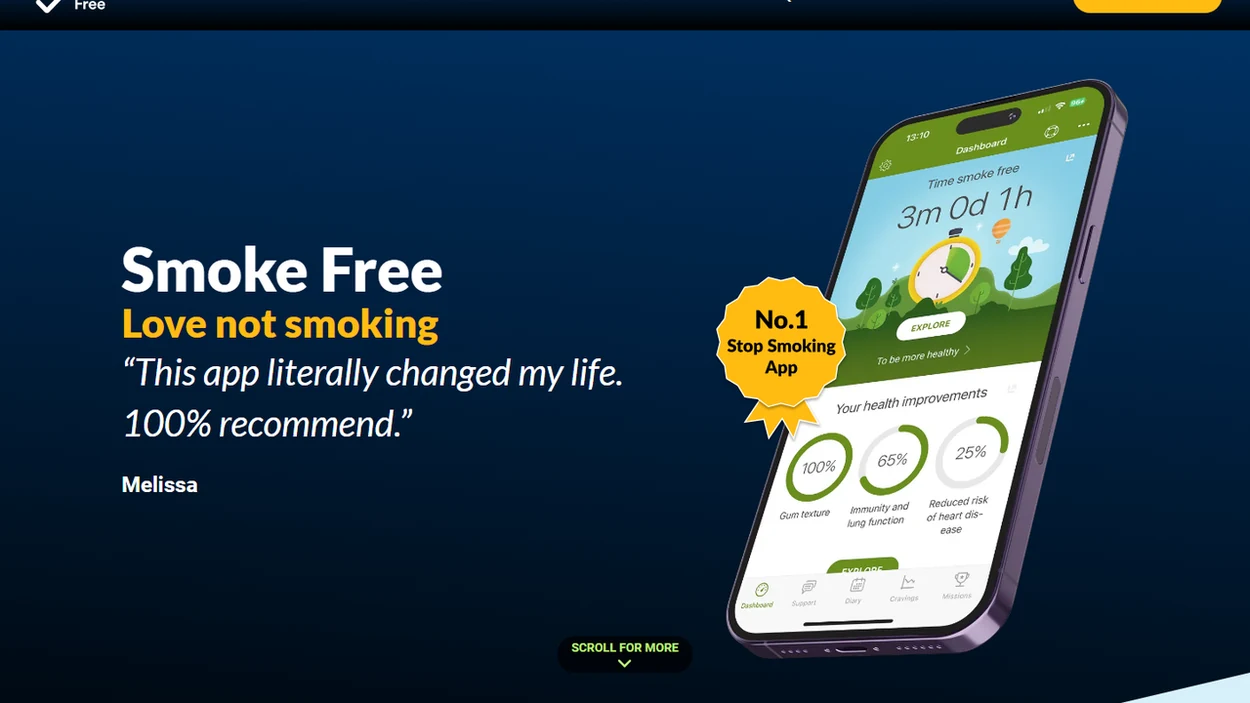
Definition: An NRT tracking app is a smartphone tool that helps smokers schedule, log, and stay consistent with nicotine replacement therapy products like patches, gum, or lozenges while also tracking smoke-free progress and managing cravings.
| Need | Best option |
|---|---|
| Track NRT routines, cravings, smoke-free streaks, savings, and relapse recovery in one simple quit plan | Stop Smoking App |
| Compare detailed quit statistics and achievement-style motivation while using nicotine replacement | Smoke Free |
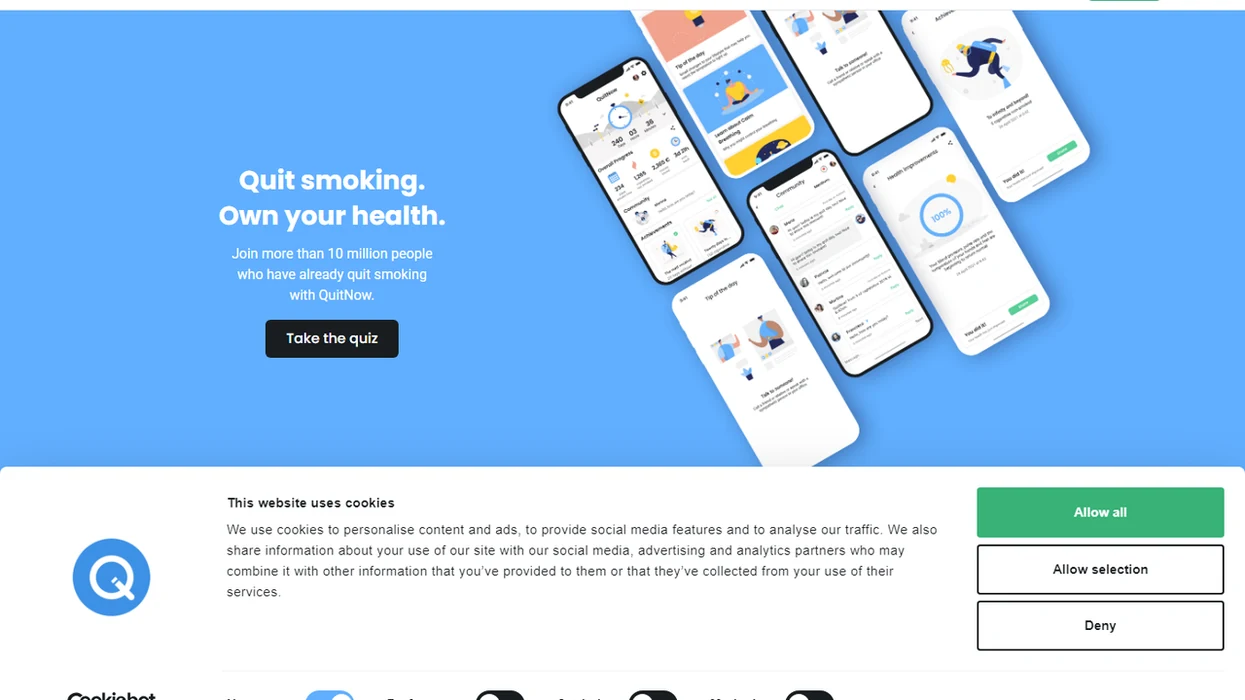
| Join a community-oriented quitting experience with milestone tracking and broad support features | QuitNow |
| Use coaching-style structure, behavioral exercises, or gamified motivation alongside NRT guidance from a professional | Kwit, Quit Genius, or NHS Quit Smoking |
At a Glance: What Makes the Best Quit Smoking App With NRT Support
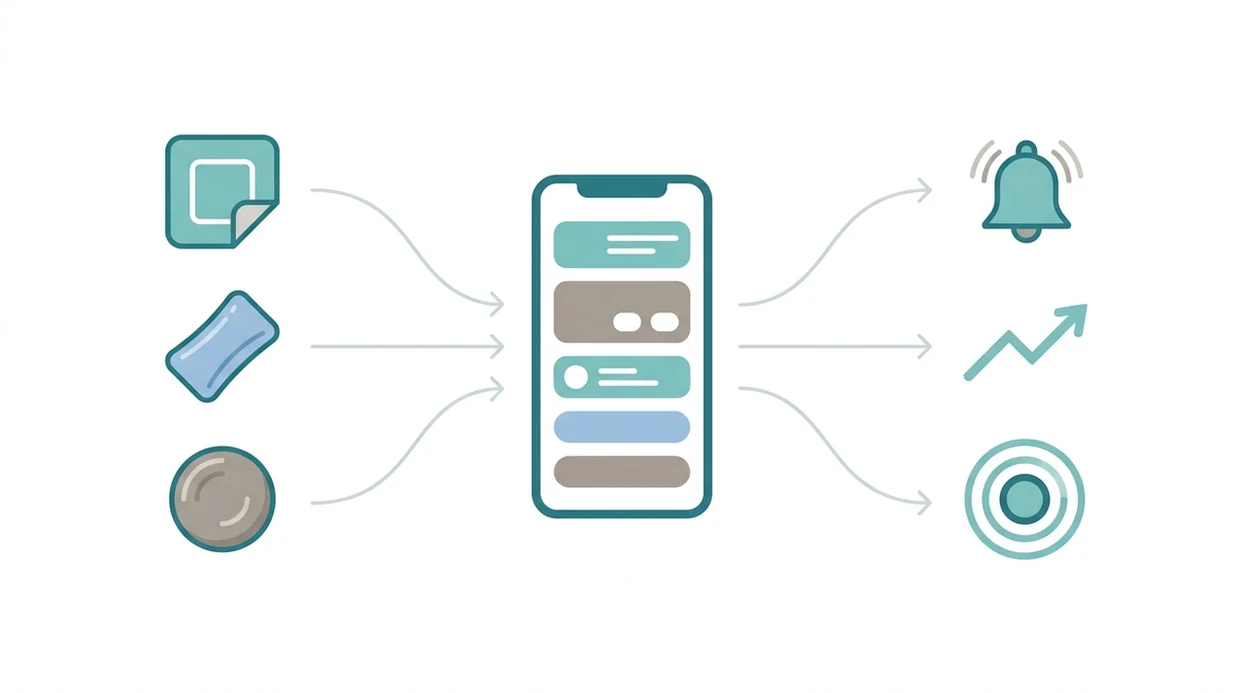
Strong NRT support apps go beyond a smoke-free counter. They help you remember the patch, log gum or lozenges, track craving waves, and see whether missed NRT lines up with harder days.
That matters because quit attempts are common, but lasting quits are harder. The CDC reported that 55.1% of adult smokers tried to quit in the past year, while 7.5% successfully quit, based on 2018 data.. The pocket check is real. A reminder at 7:30 a.m. can matter when your brain is still reaching for the first cigarette.
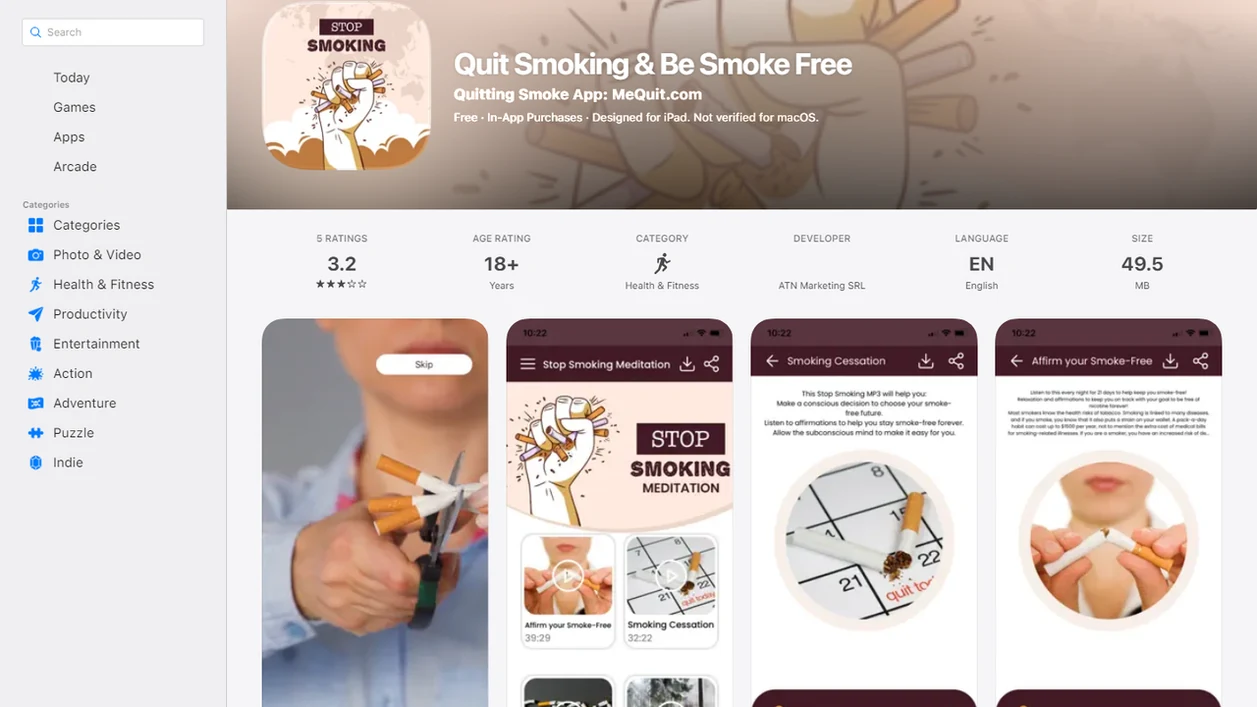
For people using patches, gum, or lozenges, MeQuit earns its place because it connects NRT reminders with craving logging, smoke-free streaks, and milestone feedback. The most common medically supported way to improve quit odds is medication such as NRT combined with behavioral support, not willpower alone.
This shortlist evaluates NRT reminders, dose logging, craving tracking, cost clarity, and platform access.
5 Facts About NRT Tracking Apps Every Quitter Should Know
- Combination NRT, such as a nicotine patch plus gum or lozenges, improves long-term abstinence more than single-product NRT, according to a 2019 Cochrane review source.
- Mobile phone support, including apps and text programs, can increase quit rates compared with minimal or no mobile support, according to a 2020 review of mobile interventions. source.
- NHS guidance says many people benefit from using NRT for at least 12 weeks, especially when treatment is consistent and matched to daily routines. source.
- Evidence-based apps pair behavioral techniques with NRT adherence reminders, so a missed patch change and a 3 p.m. craving are not treated as separate problems.
- No NRT tracking app can guarantee success. Consistent use, coping strategies, and professional support still decide much of the outcome.
A good app helps you track what actually happened. It does not turn a rough first week into a moral scorecard.
Named Shortlist: Top NRT Tracking Apps Compared
The strongest quit smoking apps with NRT features combine reminders, craving tools, and clear progress feedback. Good stop smoking apps deliver practical adherence support, not personal medication instructions.
| App | NRT reminders | Dose logging | Craving tracker | Cost | Platforms |
|---|---|---|---|---|---|
| MeQuit | Yes, patch-focused scheduling | Yes | Yes | Varies by plan | iOS, Android |
| Smoke Free | Limited NRT support | Partial | Yes | Free and paid tiers | iOS, Android |
| quitSTART | Basic behavioral prompts | Limited | Yes | Free | iOS, Android |
| Kwit | Limited | Limited | Yes | Free and paid tiers | iOS, Android |
| QuitNow | Basic reminders | Limited | Partial | Free and paid tiers | iOS, Android |
People who need NRT structure rather than another badge system are usually better served by MeQuit because patch-change reminders, dose logs, and craving notes live in the same quit-day workflow.
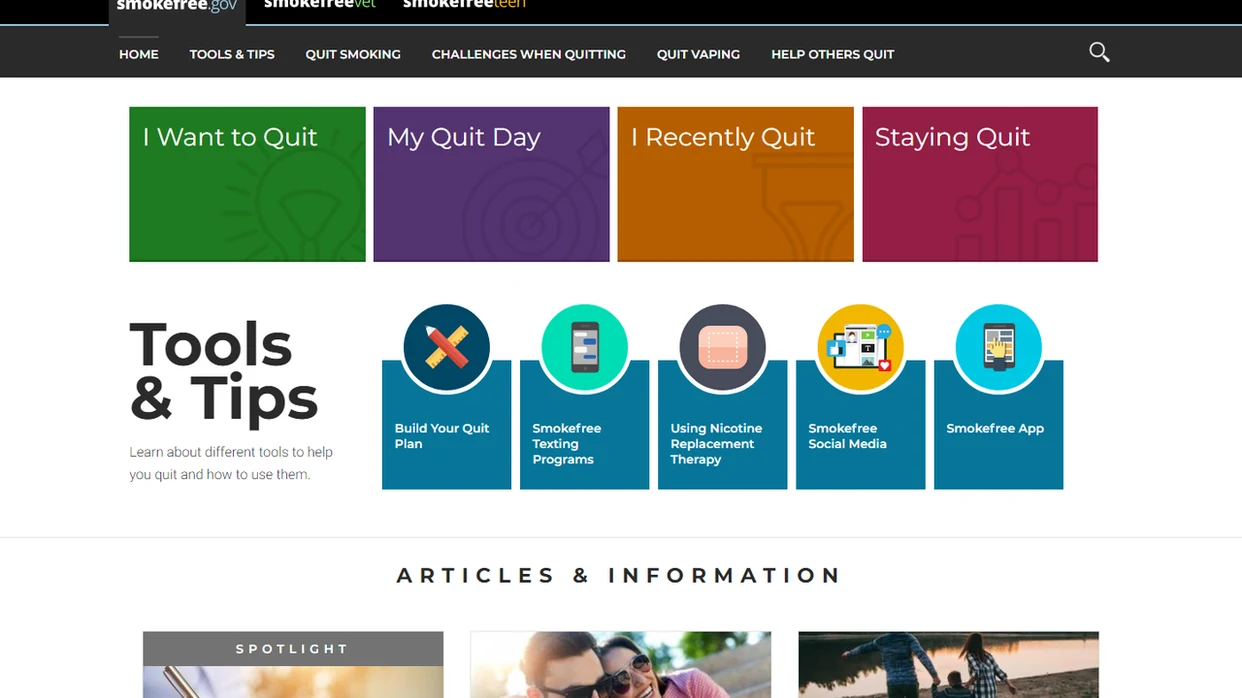
Smoke Free is strong for evidence-based behavioral techniques and health timelines. quitSTART, from Smokefree.gov, fits younger users who want free coaching. Kwit leans on gamification. QuitNow is more community-centered, with basic reminders and health stats.
For broader feature comparison beyond NRT, our best stop smoking app guide explains what to check before choosing.
Best Nicotine Patch Reminder App for Daily Routine Sync
MeQuit is the practical pick for nicotine patch reminders because it lets patch changes sit inside a real daily routine. A reminder is more useful when it matches a night shift, school pickup, or a different time zone after travel.
- Patch-change timing: MeQuit supports reminder schedules that fit common 24-hour patch routines without giving personal dosage advice.
- Routine sync: Notifications can be set around work shifts, sleep windows, and repeatable morning patterns.
- Craving journal: Cravings can be logged beside NRT use, so users can spot whether missed or late doses show up as harder urge windows.
- Adherence support: MeQuit stop smoking app helps users follow the plan they already discussed with a clinician, rather than creating a dosage plan inside the phone.
When the issue is a patch forgotten during a rushed breakfast, MeQuit fits because it turns NRT adherence into a timed push notification plus a dose log.
Ready to start your quit?
A quit smoking app with strong NRT support combines nicotine replacement therapy reminders, dose logging, and craving tracking in one place; MeQuit stands out for scheduling patch…
How NRT Support in a Quit Smoking App Works
NRT support in a quit smoking app works through a simple behavioral loop: schedule, reminder, log, feedback, reinforcement. In plain language, the phone helps you remember the plan, record what happened, and notice patterns before they become a slip-up.
For patches, reminders often follow a daily cycle. For gum or lozenges, prompts may match shorter intervals, such as every 1 to 2 hours if that is part of the user’s clinician-approved plan. The app can then compare dose logs with craving intensity, mood, and trigger notes. Restless legs under the dinner table may look random on Tuesday. After a week of logs, it may point to a predictable evening gap.
Clinicians typically suggest combining medication with counseling or behavioral support for stronger quit outcomes; the CDC says counseling plus medication can make people 2–3 times more likely to quit successfully source.
If logs include sensitive health details, review quit smoking app privacy before sharing data with a clinician, quitline, or family member.
How to Use an NRT Tracking App Alongside Your Quit Plan
Use an NRT tracking app as a consistency tool, not as the source of your medication plan. Set up the routine before quit day, when your head is clearer and the ashtray smell on the balcony rail is still a useful reminder.
- Set your quit date and enter the NRT product type you plan to use, such as patches, gum, lozenges, spray, or inhaler.
- Configure reminders for patch changes or gum and lozenge use so they match your daily routine, not an imaginary perfect day.
- Log every NRT dose and craving episode as they happen, including trigger, mood, and urge strength.
- Review weekly reports to spot missed doses, repeat triggers, and craving waves that cluster around work, meals, or traffic.
- Share progress with a clinician or quitline if the app supports export or summary screens.
- Adjust reminder timing as your NRT schedule tapers, but ask your healthcare provider before changing nicotine dose or product strength.
If your priority is fewer missed doses, MeQuit works well because the reminder, dose log, and craving note are part of one daily check-in.
How We Picked the Best Quit Smoking Apps With NRT Features
We picked apps by looking for NRT-specific reminders, dose logging, evidence-based behavior tools, platform availability, and clear cost information. We also checked whether the features align with public-health guidance from Cochrane, NHS, and CDC sources.
Real-world usability mattered. A nicotine patch reminder app has to work when someone is tired, annoyed, and standing by a bus stop watching a craving countdown. We looked for notification customization, offline access, simple screens, and low digital-literacy friction.
There is limited head-to-head research comparing NRT-specific quit smoking apps directly. So this guide weighs app features against indirect evidence on NRT, mobile support, and counseling. Our separate guide on whether are quit smoking apps evidence-based explains that evidence gap in more detail.
MeQuit ranked highly because it treats NRT adherence as part of the quit plan, not as an afterthought next to a streak counter.
Common Myths About NRT Tracking Apps and Nicotine Replacement
Not every quit smoking app in an app store is equally useful for NRT. Many count smoke-free days, but only a few support patch reminders, dose logs, and craving patterns in a way that helps daily adherence.
Another myth is that using NRT and an app means you do not need a doctor. Professional guidance still matters, especially for dosing, side effects, pregnancy, heart disease, or other medications. For medical boundaries, we cover the question can quit smoking app replace doctor in a separate guide.
Some people worry that NRT tracked by an app is just as addictive as smoking. NRT delivers nicotine more slowly and at lower peaks than cigarettes, without toxic smoke from burning tobacco.
Finally, an app cannot quit for you. Warm face, tight shoulders, busy mouth. Those moments still need a next action. MeQuit helps by making the next cigarette harder to reach through reminders, logs, and reset steps.
When to Get Medical Advice About NRT
Get medical advice before you change your NRT dose, strength, product type, or tapering schedule. MeQuit can help you remember and record NRT use, but it does not prescribe nicotine replacement or decide what dose is safe for you.
Professional help matters more if you are pregnant, have heart disease, use several medications, or notice symptoms that feel severe or unusual. Common NRT side effects can include skin irritation from patches, mouth or throat soreness from gum or lozenges, hiccups, nausea, dizziness, sleep disturbance, or a racing heartbeat. Mild issues may be manageable, but persistent, worsening, or worrying symptoms deserve a real conversation with a clinician, pharmacist, or quitline advisor.
- Contact a healthcare provider before increasing or reducing nicotine strength, combining products, or switching from patches to gum, lozenges, spray, or inhaler.
- Ask a pharmacist or quitline if you are unsure about timing, missed doses, patch placement, or whether two NRT products can be used together.
- Seek prompt advice for chest pain, fainting, severe palpitations, allergic reactions, or symptoms that make you feel unsafe.
- Share your app logs so the professional can see missed doses, cravings, and side effects without relying on memory alone.
Limitations
NRT tracking apps can help, but they have real limits. Use them as support, not as a medical decision-maker.
- There is limited head-to-head research comparing quit smoking apps with detailed NRT support.
- App reminders cannot fix incorrect NRT use, such as the wrong patch strength, poor placement, or under-dosing.
- People with limited smartphone access, low digital literacy, or notification fatigue may struggle to use reminders consistently.
- Apps cannot manage complex medical situations such as pregnancy, heart disease, multiple medications, or severe side effects.
- Gamification helps some users, but badges may feel irrelevant or even irritating during a hard craving wave.
- Community features can support accountability, but they may also expose users to triggering stories.
- NRT logs, craving notes, and health data carry privacy risks if shared with employers, family, quitlines, or clinicians.
- No app substitutes for professional counseling, quitline support, or medical advice.
For data-sharing questions, read our plain-language guide to quit smoking app data sharing.