
Quit Smoking Side Effects: What to Expect and How to Manage Each One

Quit smoking side effects include cravings, irritability, coughing, insomnia, constipation, and mood swings—predictable signs of nicotine withdrawal and lung healing, not signs that quitting is harming you. Most symptoms peak around days 2 to 3 and fade significantly within 2 to 4 weeks. Use this guide to match each symptom to a practical coping step and to know when to get medical help.
Definition: Quit smoking side effects are the temporary physical and psychological symptoms, such as cravings, irritability, cough, and appetite changes, caused by nicotine withdrawal and the body's healing response after stopping cigarettes or vaping.
TL;DR
- Most side effects of quitting smoking peak on days 2 to 3 and resolve within 2 to 4 weeks.
- Coughing, mouth sores, constipation, and weight gain are healing responses, not signs of harm.
- Simple coping tools, the 4 Ds, hydration, movement, and an app tracker, can cut relapse risk during the hardest first weeks.
At a Glance: Quit Smoking Side Effects in the First Month
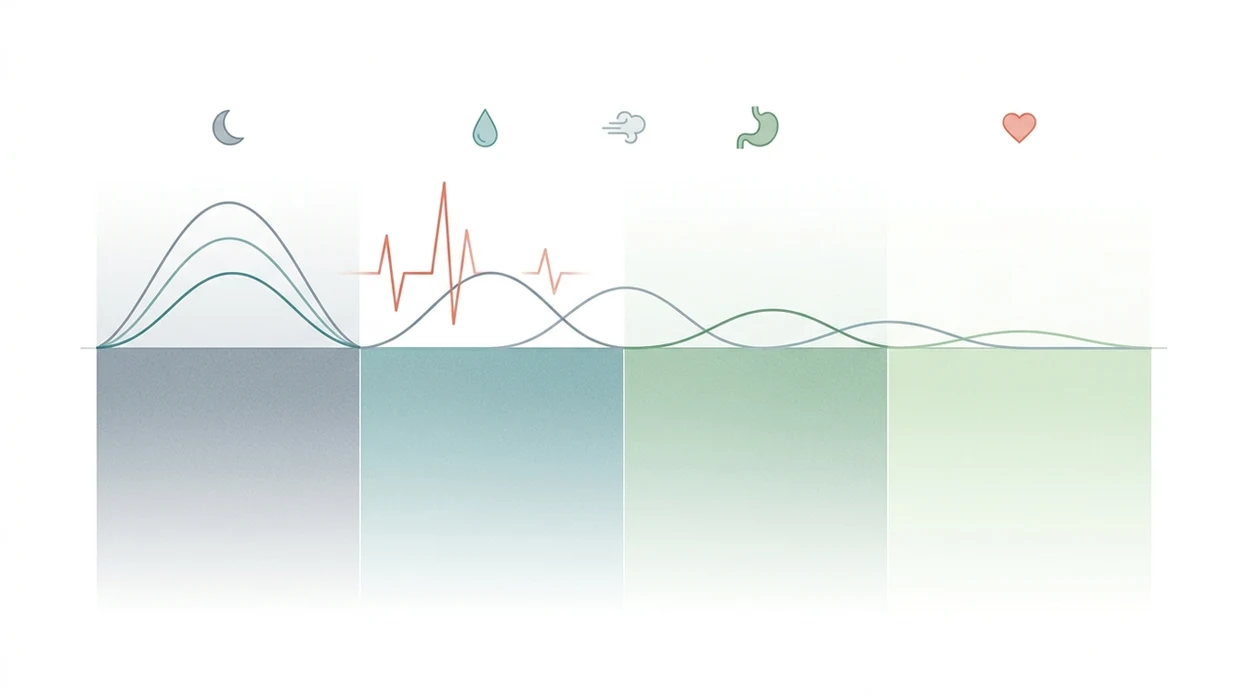
Quit smoking side effects are usually strongest in the first few days, then become easier to manage across the first month. Cleveland Clinic notes that common nicotine withdrawal symptoms usually peak on the second or third day without nicotine source.
| Symptom | Peak window | Typical duration |
|---|---|---|
| Cravings | Days 2 to 3 | 2 to 4 weeks, often in waves |
| Irritability | Days 2 to 7 | 2 to 4 weeks |
| Anxiety or low mood | First week | 2 to 4 weeks |
| Headaches | Days 1 to 5 | Several days to 2 weeks |
| Insomnia | First week | 1 to 3 weeks |
| Cough and mucus | Weeks 1 to 4 | Can come and go for months |
| Constipation | Week 1 | 1 to 4 weeks |
| Increased appetite | Week 1 | Several weeks |
| Mouth sores | First 2 weeks | Usually temporary |
The first morning can feel weirdly loud. No cigarette, no routine, just the automatic reach before the coffee machine finishes.
5 Facts About Side Effects of Quitting Smoking
- Quit smoking side effects are signs of nicotine withdrawal and body repair, not evidence that quitting is damaging you.
- Cravings usually arrive as short craving waves, often lasting only a few minutes if you delay and change the cue.
- Health benefits begin fast; the American Cancer Society says heart rate and blood pressure start dropping toward normal within 20 minutes of the last cigarette source.
- Tobacco use is linked to about one-third of all cancer deaths, according to the American Cancer Society source.
- People who quit before age 40 reduce their risk of dying from smoking-related disease by about 90%, according to the American Cancer Society source.
Anyone dealing with strong first-week symptoms fits MeQuit because the symptom log turns “I feel awful” into a dated pattern with cravings, mood, sleep, and triggers in one place.
Track what actually happened.
How Nicotine Withdrawal Works When You Quit Smoking
Nicotine withdrawal happens because your brain has adapted to repeated nicotine hits. Nicotine binds to acetylcholine receptors, which helps trigger dopamine release. In plain language, cigarettes train the brain to expect a reward signal on a schedule.
With chronic smoking, the brain upregulates receptors. That means it creates more nicotine-sensitive docking points. When nicotine stops, the system is temporarily out of balance. Dopamine drops, receptors are still waiting, and the first 72 hours can feel sharp: tight shoulders, a busy mouth, restless legs under the dinner table.
Then the brain starts recalibrating. For many people, receptor activity and mood signals settle over 2 to 4 weeks. Physical healing runs alongside withdrawal. Smokefree.gov says lung cilia can regain normal function about 1 to 9 months after quitting, helping clear mucus and reduce coughing over time.
The most evidence-backed approach to reducing withdrawal discomfort is combining FDA-approved quit-smoking medication or nicotine replacement with behavioral support, because medication can blunt nicotine withdrawal while counseling or coaching changes the smoking routine source.
Most Common Quit Smoking Side Effects and How to Manage Each
The most common quit smoking side effects can be managed with small, repeatable actions. Good stop smoking apps deliver timing, tracking, and coping prompts, not a magic cure for nicotine dependence.
Cravings and Urges to Smoke
Use the 4 Ds: delay, deep breathe, drink water, do something else. MeQuit supports this with craving-relief prompts, and a nicotine cravings tracker app can help you spot the triggers that keep repeating.
Irritability, Anxiety, and Mood Swings
Walk for 10 minutes, write one honest sentence, and log mood daily. If your priority is noticing patterns before you snap at someone, MeQuit fits because mood tracking sits beside craving and trigger notes.
Insomnia and Trouble Sleeping
Avoid caffeine after noon, keep the same bedtime, and put your phone down 30 minutes before sleep. Heavy eyelids after broken sleep are common in week one.
Coughing, Sore Throat, and Mouth Sores
Coughing can mean your lungs are clearing mucus again. Sip water, use sugar-free lozenges, and call a clinician if symptoms are severe.
Constipation, Headaches, and Weight Gain
Add fiber, water, and movement before reaching for snacks. Simple, boring, effective.
Common Myths About What Happens to Your Body When You Quit Smoking
Myth: feeling sick after quitting means quitting is bad for you. Reality: headaches, cough, and mood swings usually reflect withdrawal and healing, while heart and lung benefits have already started.
Myth: side effects last forever, so you might as well keep smoking. Reality: most symptoms improve within 2 to 4 weeks. The thought “I already messed up, so I might as well smoke the rest of the day” is a relapse trap, not a medical fact.
Myth: nicotine replacement therapy just swaps one addiction for another. Reality: patches, gum, and lozenges deliver lower nicotine doses without smoke toxins, and they can blunt withdrawal.
Myth: weight gain is guaranteed and uncontrollable. Reality: appetite can rise, but planning snacks, walking after meals, and logging weight changes makes it manageable.
For people comparing support options, MeQuit belongs beside counseling, medication, and a best stop smoking app checklist because it records the daily behavior changes that decide the first month.
How to Use Stop Smoking App to Track and Manage Side Effects
A symptom-tracking workflow is most useful when you use it before symptoms feel unmanageable. Set it up on quit day, then treat each check-in like a short reset rather than a medical diagnosis.
- Set your quit date and log your last cigarette so MeQuit can start your smoke-free streak.
- Track daily symptoms with the built-in withdrawal tracker, including sleep, mood, cough, appetite, and cravings.
- Tap a craving-relief prompt when urges hit, using a guided 4 Ds exercise.
- Review your health-recovery timeline to see benefits that are already happening in real time.
- Check progress milestones and share wins with the community when motivation dips.
People who quit smoking or vaping and need structure during the first week can use the MeQuit stop smoking app because the withdrawal tracker connects symptoms, triggers, and progress milestones in one daily workflow.
Quit Smoking Side Effects Timeline: Day 1 Through Week 4
Quit smoking side effects follow a rough timeline, although each person’s body runs a little differently. The first 3 days are usually the hardest; after that, many people notice the craving waves spacing out.
| Time since last cigarette | What often happens |
|---|---|
| Day 1 | Heart rate and blood pressure begin dropping within 20 minutes, and early cravings start. |
| Days 2 to 3 | Withdrawal often peaks: strong cravings, irritability, headaches, anxiety, and trouble concentrating. |
| Week 1 | Sleep disruption, appetite changes, constipation, and mood swings are often most noticeable. |
| Weeks 2 to 4 | Symptoms usually decline, energy returns, and cough may increase as lungs clear mucus. |
A calendar square marked with a restart still counts as data. If you slip, log the cigarette, name the trigger, and reset the plan.
If condition-based planning helps you stay calm, then MeQuit handles the timeline well because each milestone gives your symptoms a place on the map.
When to Seek Medical Help for Quit Smoking Side Effects
Get medical help right away for quit smoking side effects that feel severe, unsafe, or clearly different from ordinary withdrawal. Chest pain, severe shortness of breath, or fainting should be treated as urgent symptoms, not something to “track and wait out.”
Some people also need a clinician involved before or during the quit attempt, especially with pregnancy, heart disease, psychiatric conditions, or complex medication routines. Nicotine withdrawal can overlap with real medical problems, and apps or articles cannot diagnose complications.
- Call emergency services if you have chest pain, severe breathing trouble, fainting, or symptoms that feel sudden and dangerous.
- Contact a clinician quickly if you have suicidal thoughts, severe depression, panic that feels unmanageable, or insomnia that makes driving, work, or caregiving unsafe.
- Ask for tailored quit support if you are pregnant, have heart disease, take multiple medications, or have a history of bipolar disorder, psychosis, major depression, or substance use.
- Get evaluated if cough keeps worsening, comes with fever, produces blood, or does not gradually improve after the early healing window.
Logging symptoms can help you explain what changed, but it is not a diagnosis.
Limitations
Apps can make quitting more organized, but they do not replace medical care. That matters if symptoms feel severe, prolonged, or unsafe.
- No single method works for everyone; many people need several quit attempts.
- Evidence for natural remedies and supplements for withdrawal is weak or inconsistent.
- Quitting can temporarily worsen anxiety or depression; seek medical support if mood drops hard.
- A small minority experience severe insomnia, major depression, or prolonged withdrawal symptoms.
- Apps and online programs cannot replace personalized advice for heavy long-term dependence.
- People with pregnancy, heart disease, psychiatric conditions, or multiple medications should ask a clinician about quit options.
- Community programs such as Smokefree.gov, BecomeAnEX, or NHS quit support may fit people who want counselor-led help rather than app-first tracking.
For long-term heavy smokers, MeQuit works best as a support layer because the app records cravings and progress, while clinicians can guide medication, mental-health care, or nicotine replacement.
FAQ
How long do withdrawal symptoms last after quitting smoking?
Most withdrawal symptoms peak around days 2 to 3 and improve over 2 to 4 weeks. Cravings may still appear later, especially around old triggers, but they usually become shorter and less frequent.
Why do I feel worse after quitting smoking?
You may feel worse because your brain is adjusting to lower dopamine stimulation and your body is repairing from smoke exposure. Cough, irritability, poor sleep, and headaches are common withdrawal signs, not proof that quitting is harming you.
Can nicotine withdrawal kill you?
Nicotine withdrawal is uncomfortable, but it is not life-threatening for most people. Severe depression, chest pain, suicidal thoughts, or extreme insomnia need urgent medical support, especially if you already have a health condition.
Is coughing after quitting smoking normal?
Yes, coughing after quitting smoking can be normal. As lung cilia recover, they may move trapped mucus upward, which can temporarily increase cough before breathing gradually feels clearer.
Does quitting smoking cause weight gain?
Quitting smoking can cause modest weight gain for some people because appetite increases and nicotine no longer suppresses hunger. Planning protein-rich snacks, walking daily, and tracking meals can limit the change.
When am I considered a non-smoker after quitting?
Many medical and insurance forms consider someone a non-smoker after 12 months without tobacco use. Some clinicians use shorter practical milestones, such as 30 days or 6 months, to track recovery progress.
Do nicotine patches reduce side effects after quitting smoking?
Nicotine patches can reduce withdrawal side effects by delivering a steady, lower nicotine dose without smoke toxins. Clinicians often recommend nicotine replacement therapy with behavioral support for people who struggle with strong cravings.
What helps insomnia after quitting smoking?
Limit caffeine after noon, keep a consistent bedtime, avoid screens before bed, and use a quiet wind-down routine. If insomnia lasts several weeks or affects safety, speak with a clinician.
Can an app help manage nicotine withdrawal symptoms?
Yes, an app can help by tracking symptoms, timing cravings, offering coping prompts, and showing smoke-free milestones. MeQuit and the broader Stop Smoking App approach are useful when daily logging helps you act before a craving becomes a slip-up.
Track quit smoking side effects without losing momentum
Stop Smoking App helps you log cravings, triggers, symptoms, streaks, and savings so you can see what is improving and where you may need extra support. It is not medical advice, but it can be a useful companion alongside NRT, counseling, quitline support, or clinician guidance.
Get Stop Smoking App