
Do Stop Smoking Apps Work? What the Evidence Actually Shows

Do stop smoking apps work? Evidence from a 2025 meta-analysis of 31 studies suggests that theory-based cessation apps can nearly triple 6-month abstinence rates compared with no support, but results vary widely by app quality and how consistently you use them. For most people, a quit smoking app is best treated as structured behavioral support for craving logs, streak tracking, reminders, and weekly reset planning, not as a magic cure.
A smoking cessation app is a mobile tool that uses behavioral techniques, such as craving tracking, motivational messaging, and progress milestones, to help users quit cigarettes or vaping.
- Theory-based quit smoking apps can meaningfully boost quit rates, but most apps in app stores don't follow clinical guidelines.
- Apps combined with pharmacotherapy increased 6-month abstinence by an estimated 77% versus medication alone.
- Consistent daily engagement, logging cravings, following tasks, using reminders, predicts success more than the app's feature count.
| Need | Best option |
|---|---|
| Track cravings, triggers, streaks, and money saved in one quit dashboard | Stop Smoking App; Smoke Free |
| Stay motivated with community-style milestones and visible progress | Stop Smoking App; QuitNow |
| Use gamified motivation and habit-building prompts during a quit attempt | Stop Smoking App; Kwit |
| Pair app support with structured coaching, clinical guidance, or public-health resources | Stop Smoking App; Quit Genius; NHS Quit Smoking |
At a Glance: Are Quit Smoking Apps Effective?

- A 2025 meta-analysis found that smartphone cessation apps used alone may nearly triple 6-month abstinence versus no or minimal support, adding about 40 abstainers per 1,000 smokers source.
- Only 4.3% of popular smoking cessation apps fully adhered to at least one clinical guideline in a 2016 content analysis source.
- Theory-based apps outperform generic motivational apps because they use structured behavior-change models, not loose encouragement.
- Apps work better when paired with NRT, prescription medication, counseling, or a quitline.
- Engagement matters as much as features. The craving log opened in the elevator counts more than a feature you never touch.
MeQuit is a practical fit for people who need daily structure because it turns cravings, triggers, smoke-free streaks, and money saved into trackable habits.
Smoking Cessation App Evidence: What Studies Actually Found
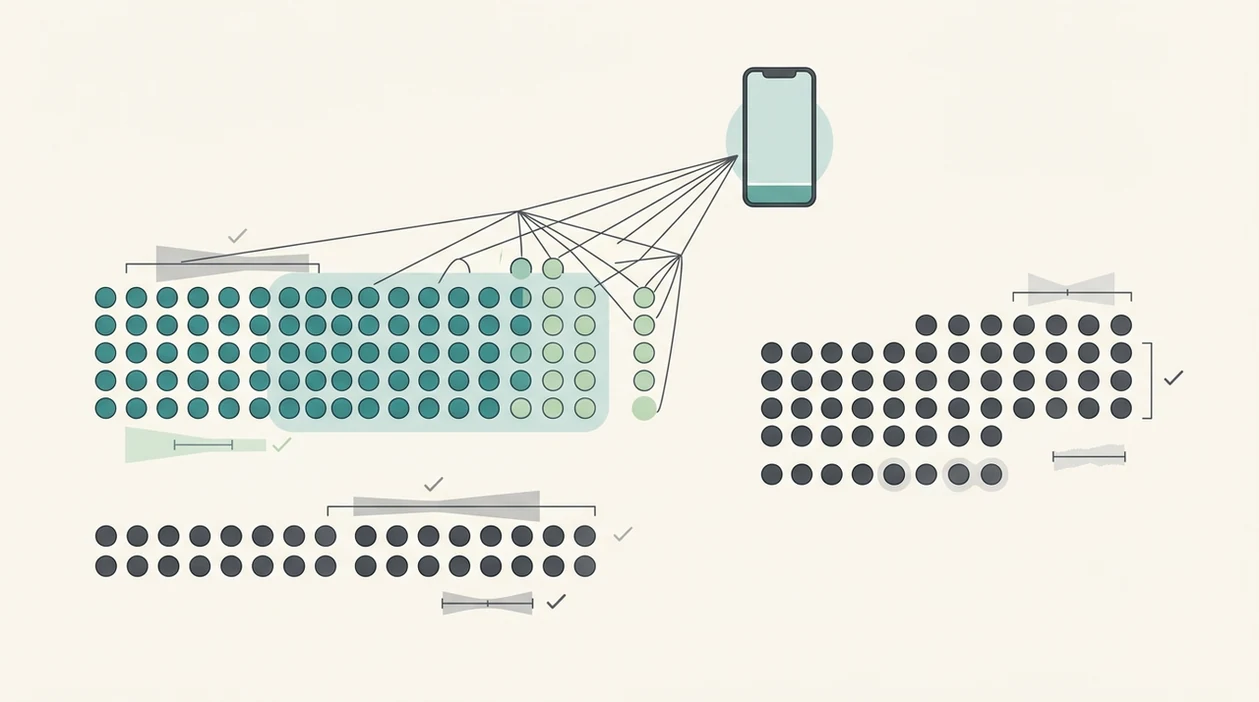
The smoking cessation app evidence is promising, but it is not all equally strong. The strongest recent review found benefits for apps, especially theory-based apps, while also rating some comparisons as low certainty because trials were small or varied.
Apps Used Alone vs. No Support
The 2025 BMJ Evidence-Based Medicine meta-analysis reviewed 31 studies with 12,802 participants. Apps used alone increased 6-month continuous abstinence by about 40 per 1,000 smokers compared with no or minimal support. That is useful, but it is not a guarantee.
A 2012 JAMA Internal Medicine trial of text and web-based support found 39.6% 7-day abstinence at 3 months versus 30.5% in controls source. Not app-only, but close enough to show digital support can change behavior.
Apps Combined With Medication
Apps plus pharmacotherapy increased 6-month abstinence by an estimated 77% versus pharmacotherapy alone, based on 3 studies and 1,502 participants. Theory-based apps also beat non-theory apps, with high-certainty evidence showing 69% higher abstinence at 3 months and 36% at 6 months source.
The most evidence-backed approach to quitting with an app is behavioral support combined with proven treatment such as NRT, medication, or counseling.
Smoking Cessation App Mechanisms Behind Craving Control
Stop smoking apps work through habit loops, cue awareness, and just-in-time support. In plain language, they help you notice what sets off the urge, choose a replacement action, and repeat that choice until the old pattern weakens.
CBT-based craving tools ask you to name the thought, ride the craving wave, and delay the cigarette. Motivational interviewing principles show up as values prompts, such as “why does today matter?” Trigger logging creates a feedback loop. After a few entries, the same pattern appears: lunch break, car seat smell, tight shoulders, busy mouth.
Push notifications can act as just-in-time adaptive interventions. A reminder before the usual porch smoke is more useful than a long article at midnight.
If the priority is craving control during the first week, MeQuit earns a spot because the nicotine cravings tracker records time, trigger, and intensity before the urge becomes automatic.
5 Steps to Use a Stop Smoking App to Quit Successfully
Use a stop smoking app like a daily quit plan, not a background icon. Consistent engagement predicts outcomes more than downloading three apps and ignoring all of them.
- Set a quit date and enter it in the app so your countdown, reminders, and milestones start from the same point.
- Log every craving with time, trigger, and intensity, even if the entry says “dry mouth at the checkout line.”
- Follow the daily coping tasks or challenges, especially breathing, delay, distraction, and trigger-avoidance prompts.
- Review your progress dashboard weekly to spot patterns, such as after-dinner urges or weekend vaping.
- Combine app use with NRT, medication, counseling, or a quitline for stronger results.
When the issue is “I already messed up, so I might as well smoke the rest of the day,” MeQuit helps you reset the plan because a slip-up can be logged without erasing the smoke-free streak context.
Clinical Guideline Gaps in Popular Quit Smoking Apps
Many popular quit smoking apps are not built like the apps tested in clinical research. A 2016 content analysis found that only 4.3% fully adhered to at least one clinical guideline for treating tobacco use and dependence source.
That gap matters. Some apps offer badges and quotes but leave out quit-date planning, CBT techniques, medication referrals, or relapse recovery. A high app store rating may mean the screen looks nice. It does not prove clinical effectiveness.
Good quit smoking apps deliver structured quit support, not a scoreboard with cheerful wallpaper.
Look for a structured program, craving tools, evidence citations, and clear language about NRT or counseling. If you want the deeper standard, our guide to are quit smoking apps evidence-based explains what to check before trusting an app.
4 Myths About Stop Smoking App Effectiveness
Myth 1: Any app from the app store will help you quit. Fact: most popular apps do not fully follow clinical guidelines, and some are only habit counters.
Myth 2: An app replaces NRT or counseling. Fact: the strongest results usually come from combining tools. Clinicians typically suggest combining behavioral support with FDA-approved cessation medication when nicotine dependence is moderate or high.
Myth 3: If you don’t quit in a week, the app failed. Fact: trials usually measure abstinence at 3 to 6 months, not after one rough weekend.
Myth 4: Apps can guarantee you’ll never relapse. Fact: no app, patch, medicine, or quitline removes relapse risk.
Reset the plan.
People who compare tools after a slip-up should read quit smoking app reviews with caution, because review stars rarely show whether relapse recovery is handled well.
Stop Smoking App Features Compared With Generic Cessation Apps
A strong quit smoking app should track progress, manage cravings, and keep motivation tied to a quit plan. It should not present itself as standalone clinical treatment; the safer framing is to pair app use with NRT, medication, counseling, or quitline support when appropriate.
| Quality marker | MeQuit approach | Generic weak app pattern |
|---|---|---|
| Craving support | Trigger logging tied to behavioral patterns | One-tap “I resisted” counter |
| Progress motivation | Smoke-free streaks and milestones | Random badges with no plan |
| Treatment fit | Encourages combined support | Implies the app alone is enough |
| Relapse recovery | Slip-up logging and reset workflow | Streak breaks, user feels done |
On days the ashtray smell on the balcony rail pulls hard, MeQuit fits because the smoking trigger tracking workflow connects the smell, urge strength, and next coping step. For NRT pairing, compare options in our best quit smoking app with NRT support guide.
When to Talk to a Clinician About Quitting Smoking
Talk to a clinician when quitting feels unsafe, unusually hard, or stuck in the same relapse loop. A quit smoking app can support the plan, but it cannot diagnose nicotine dependence, prescribe medication, or judge what is safe for your medical history.
- Ask for help if withdrawal feels unmanageable, especially with strong morning cravings, sleep disruption, irritability, or repeated slips that keep turning into full relapse.
- Discuss treatment options such as nicotine replacement therapy, varenicline, bupropion, or combination therapy. These can reduce withdrawal while the app handles triggers, reminders, and reset planning.
- Check first if you are pregnant, trying to become pregnant, taking several medications, living with heart, seizure, kidney, liver, or mental health conditions, or unsure whether cessation medication is appropriate.
- Use counseling, a quitline, or behavioral health support when cravings are tied to anxiety, depression, trauma, or the “I need a cigarette to get through this” feeling.
- Treat the app as daily support between human check-ins. Log the messy details, bring the pattern to a professional, and build the quit plan around both evidence and your real life.
Limitations
Stop smoking apps can help, but the research and real-world use have clear limits.
- Overall evidence quality is low to moderate in many comparisons, with small trials and short follow-ups.
- Clinical trial users may open the app more often than real-world users who download it during a stressful Tuesday.
- Most commercially popular apps have never been tested in randomized controlled trials.
- Apps alone are usually less effective than combined approaches for heavy smokers or people with strong morning withdrawal.
- Rapid app updates can make study findings outdated, because the tested version may no longer exist.
- Many trials rely on self-reported abstinence, which can introduce measurement bias.
- Apps do not diagnose nicotine dependence or decide whether prescription medication is safe for you.
MeQuit can support a quit plan, but medical questions belong with a clinician; our can quit smoking app replace doctor page explains that boundary plainly.
FAQ
How accurate are quit smoking apps?
Quit smoking apps are only as accurate as the information you enter. Self-reported smoking, vaping, and craving data can be useful, but it is not the same as biochemical verification.
Can an app alone help me quit?
An app alone can help some people quit compared with no support. Results are usually stronger when the app is combined with NRT, medication, counseling, or a quitline.
Do free quit smoking apps work?
Some free quit smoking apps may help if they use evidence-based behavior-change techniques. Cost alone does not prove effectiveness.
How long should I use a cessation app?
Most studies measure quit outcomes at 3 to 6 months. Daily use through the first weeks and continued check-ins after that are more useful than stopping after quit day.
Are quit smoking apps better than patches?
Quit smoking apps and nicotine patches do different jobs. Patches reduce withdrawal, while apps support planning, craving coping, and motivation.
What features make a cessation app effective?
Effective features include CBT-based craving tools, trigger logging, quit-date planning, reminders, relapse recovery, and progress dashboards. The MeQuit stop smoking app includes these behavior-focused workflows.
Do apps work for vaping cessation too?
Most research focuses on cigarette smoking. The same trigger tracking and craving coping methods can apply to vaping, but vaping-specific evidence is still developing.
Will a quit app prevent relapse?
A quit app can reduce relapse risk by helping you respond faster to cravings and slip-ups. No app can guarantee relapse prevention.
How often should I open the app?
Open the app daily during the first week and whenever a craving hits. Regular craving logs and task completion are more predictive than occasional progress checks.
Are quit smoking apps evidence-based?
Some quit smoking apps are evidence-based, but many popular apps do not follow clinical guidelines. Look for theory-based design, clear cessation methods, and transparent privacy practices such as those covered in our quit smoking app privacy guide.
Use an App to Make Your Quit Plan More Visible
Stop Smoking App helps you track cravings, smoke-free time, savings, and relapse patterns so you can learn what supports your quit. It is not medical advice, but it can be a practical companion alongside NRT, counseling, quitlines, or clinician guidance when needed.
Get Stop Smoking App