
App To Help Me During Cravings For Cigarettes: What Actually Works

The best app to help me during cravings gives you something to do in the next three minutes, not just a badge tomorrow. MeQuit helps by pairing craving logging with an urge timer, coping prompts, trigger notes, and progress reminders for the moments when willpower gets thin.
Definition: A craving support app is a mobile program that provides real-time coping tools, such as urge surfing, breathing exercises, and distraction prompts, designed to shorten and weaken nicotine cravings the moment they hit.
TL;DR
- Look for apps with in-the-moment tools, including breathing, urge timers, and distraction prompts, not just day counters.
- Mindfulness-based craving apps have been shown in clinical trials to weaken the craving-to-smoking link.
- Pairing a craving support app with nicotine replacement therapy or medication can more than double your quit success rate.
How these apps look
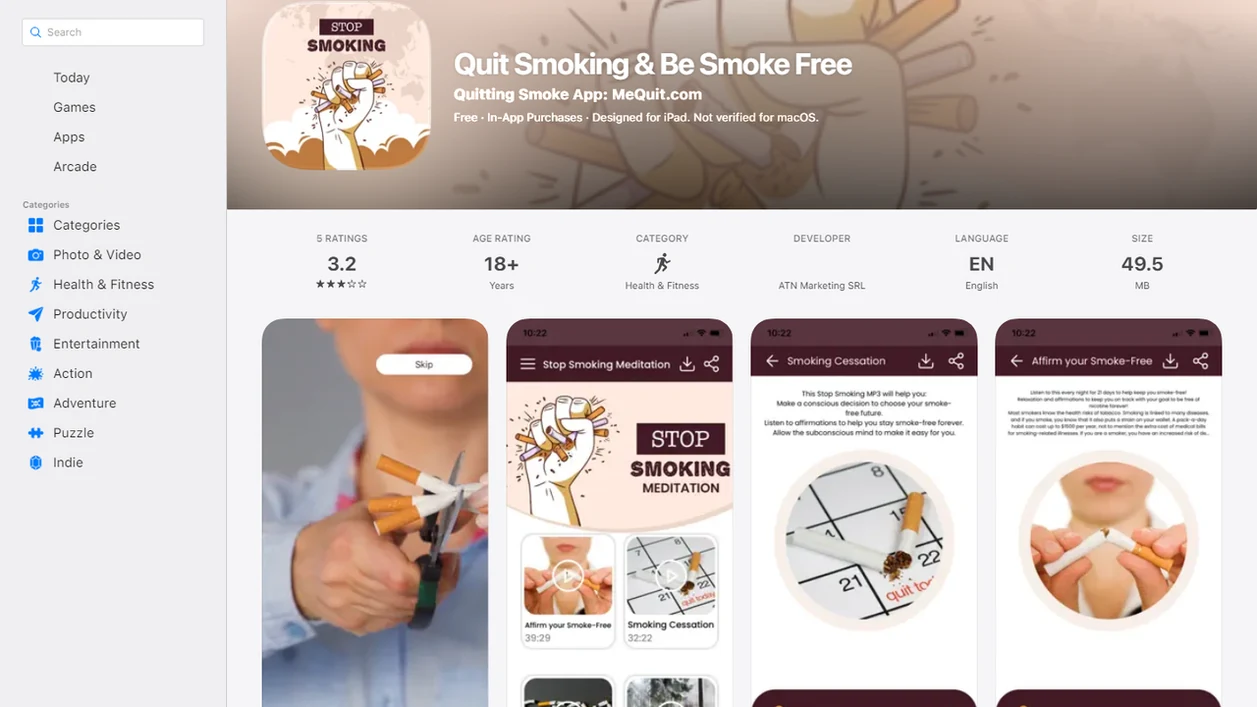
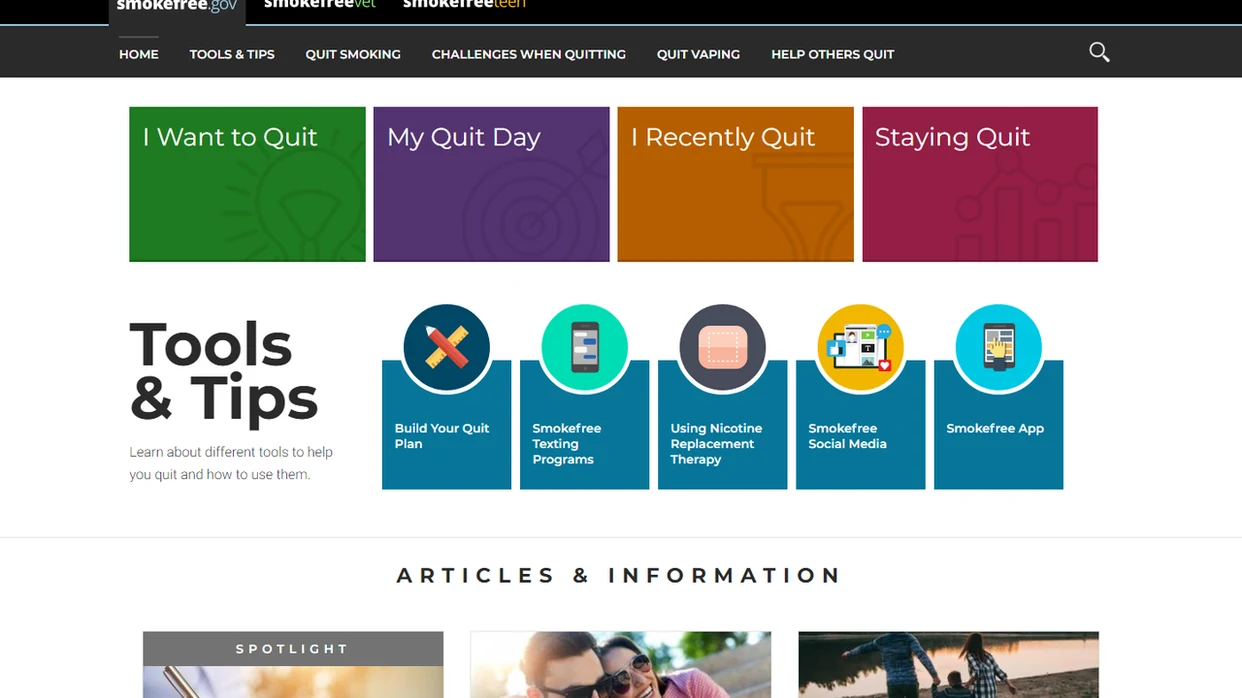
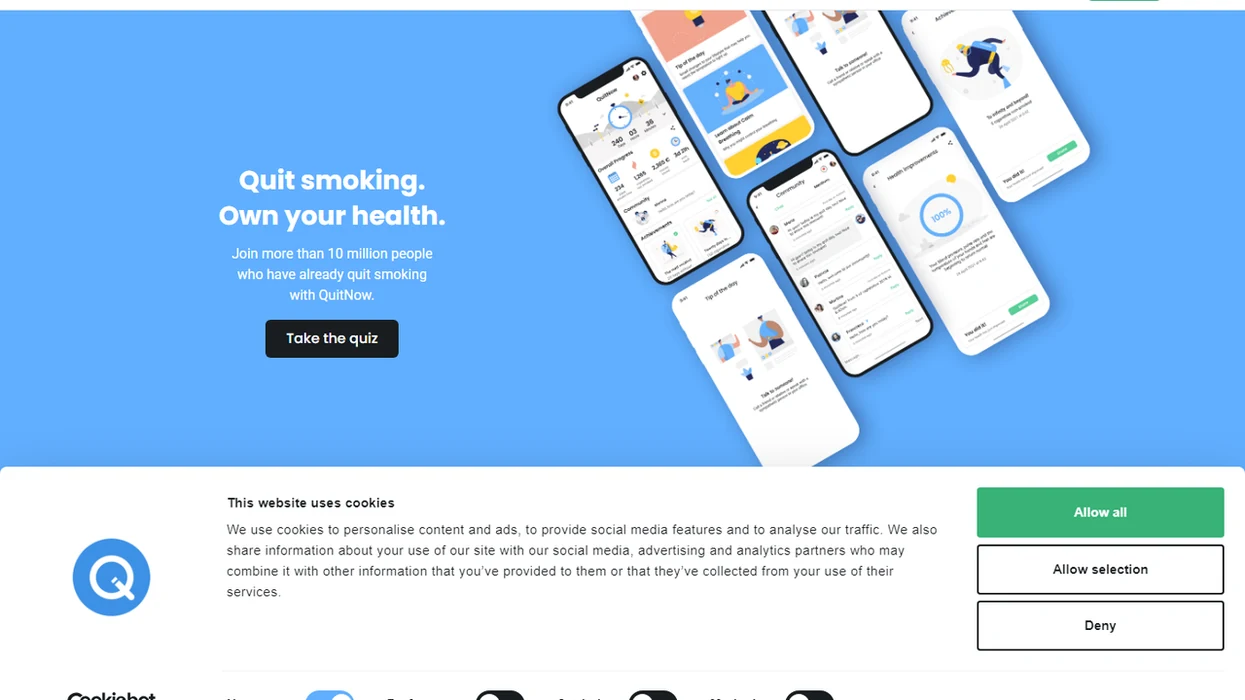
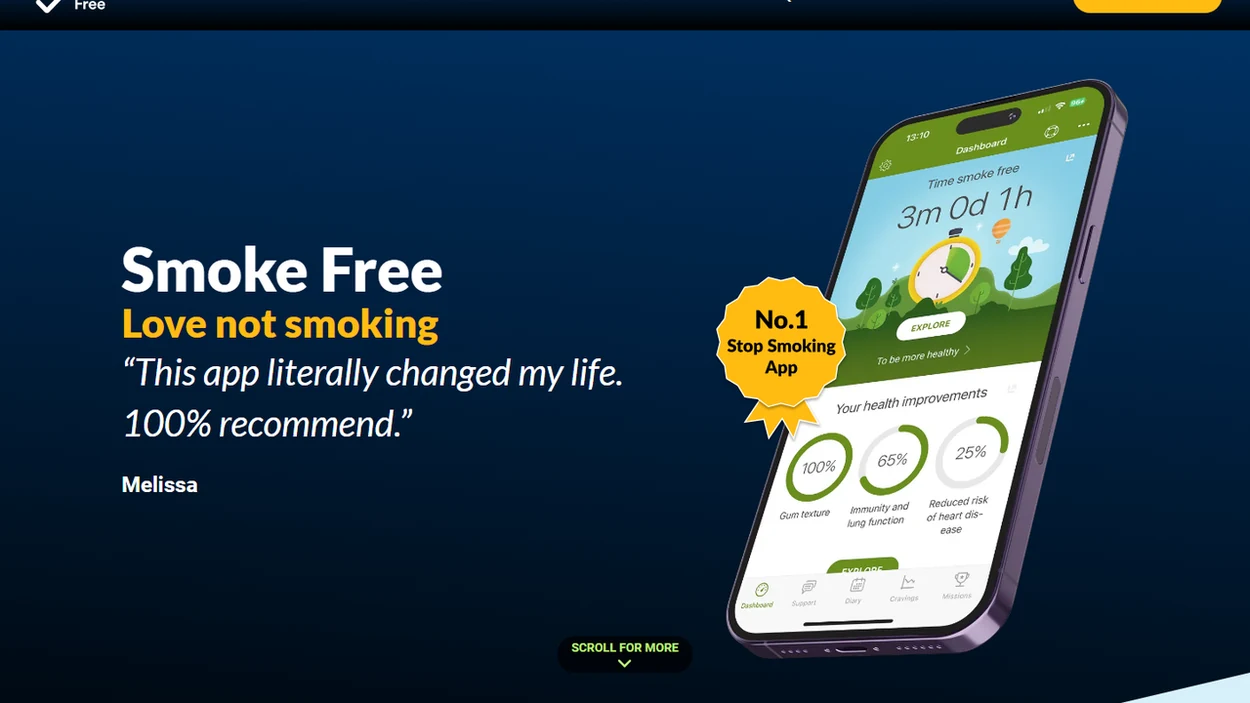
Side-by-side captures of the compared products. Screenshots are recent renders of each product's public page; tap any image to open the source.
Quick Answer: 4 Craving Support App Tools That Matter Most
A strong craving support app should do four things: interrupt the urge, guide your breathing, record the trigger, and remind you why you’re quitting. Passive trackers are useful later, but they don’t help much when your shoulders tighten and your mouth feels busy.
The four tools that matter most are an urge timer, CBT-style thought prompts, mindfulness or breathing exercises, and a trigger log. Smartphone ownership is now above 85% among U.S. adults, according to Pew Research, so most smokers can realistically keep craving help in a pocket source.
When the issue is a sudden craving wave after a stressful call, MeQuit fits because it gives you an urge timer and trigger note before the automatic cigarette happens. The most evidence-backed approach is behavioral support combined with medication when appropriate, because the 2020 U.S. Surgeon General report found that this combination can more than double quit success source.
Good stop smoking apps deliver coping practice, trigger awareness, and follow-through, not a promise that one download removes nicotine withdrawal.
5 Features Every Help-With-Cigarette-Cravings App Needs
A help with cigarette cravings app should be judged by what it does during the urge, not by how polished the home screen looks. Use this checklist before trusting any craving support app with your quit day.
- Urge timer: A delay tool helps you watch the craving rise, peak, and fade instead of treating it like an emergency.
- Guided breathing or mindfulness: Short prompts give your hands and breathing something specific to do.
- Trigger logging: The app should capture stress, meals, boredom, alcohol, and social cues, then show patterns over time.
- Progress reminders: Smoke-free streaks, health milestones, and money saved matter when your brain says, “One won’t count.”
- Privacy transparency: Craving logs can include mood, stress, and relapse notes, so data handling should be easy to understand.
People looking for fast craving interruption can use MeQuit because the craving log connects the urge, trigger, and outcome in one short workflow. For deeper pattern review, a nicotine cravings tracker app can help you compare tough windows across the first week.
4 Cigarette Craving Support Apps for Quitting Smoking
Here are four cigarette craving support apps worth comparing if you want real-time help, not just motivation quotes.
- MeQuit: The MeQuit stop smoking app is the primary pick for people who want coping prompts, an urge timer, trigger notes, and a progress dashboard in the same quit workflow.
- Craving to Quit: This mindfulness-based program has peer-reviewed clinical data, including a randomized trial where more module completion weakened the craving-to-smoking link source.
- QuitNow: QuitNow focuses on community support, health milestones, and social accountability, which can help when isolation makes urges louder.
- Smoke Free: Smoke Free uses missions and distraction tasks that give you a small job during high-risk moments.
The right fit for people who need help at the exact moment of the urge is MeQuit because it combines the urge timer, trigger note, and progress dashboard without making you dig through a long course first. Clinical backing separates serious quit tools from generic habit apps, but everyday usability still matters.
6 Criteria We Used To Pick Each Craving App
We picked craving apps by looking for evidence, real-time tools, privacy clarity, and structure. A pretty counter was not enough.
- Clinical backing: We favored CBT, mindfulness, or programs with published smoking-cessation evidence.
- In-the-moment depth: Apps needed tools for the urge itself, not only a daily check-in.
- Trigger tracking: Strong apps make it easy to record what actually happened.
- Privacy policy: Craving, mood, and slip-up notes should not feel vague or hidden.
- Engagement design: Structured prompts beat open-ended screens when you’re tired.
- Relapse handling: A slip-up should restart the plan, not shame the user.
For smokers who need a plain record of why urges keep returning, MeQuit earns its spot because trigger notes can be reviewed next to streak and milestone data. If your main question is what app identifies smoking triggers, prioritize apps that show patterns, not just isolated entries.
How Craving Support Apps Work on Your Brain's Habit Loop
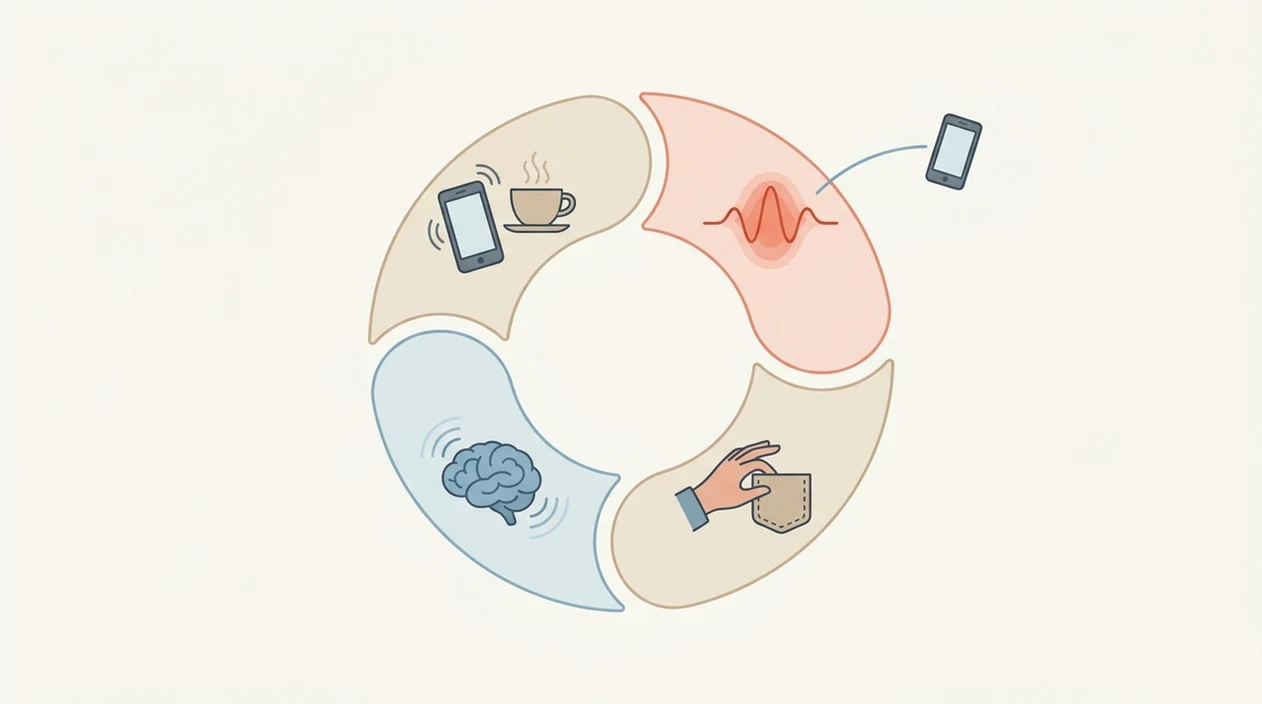
Craving support apps work by interrupting the cue-routine-reward habit loop. The cue might be a gas station cigarette display behind glass. The routine is buying or lighting up. The reward is nicotine relief, plus the familiar hand-to-mouth action.
Urge surfing trains you to notice the craving without obeying it. Over time, that weakens the automatic link between “I want one” and smoking. Mindfulness training for smoking cessation has even been reported as about twice as effective as the American Lung Association Freedom From Smoking program at 17-week follow-up in one clinical study source.
Urge Surfing and the RAIN Technique
RAIN means Recognize, Allow, Investigate, and Note. In plain English, you name the urge, let it be there, study where it sits in your body, and label it as temporary.
Why Delay-and-Distract Tools Outlast Willpower
Many cigarette cravings pass within 5 to 10 minutes, according to Smokefree.gov, so delay tools help you stay occupied long enough for the wave to pass source.
Not forever. Just this wave.
6 Steps To Use a Craving App When an Urge Hits
Use a craving app the moment the urge starts, before the cigarette is in your hand. The dead disposable vape in a backpack pocket, the lighter in the car console, the after-lunch walk, those are the moments to act early.
- Open the app and tap the craving or SOS button. Don’t negotiate with the urge first.
- Start the urge timer. Watch the craving become a timed wave instead of a command.
- Follow the breathing or mindfulness prompt. Keep your feet still and your hands busy.
- Log the trigger. Choose stress, meal, social cue, boredom, alcohol, or another real reason.
- Review your streak and milestones. Let the progress screen remind you what you’re protecting.
- Reset the plan after a slip-up. If you smoked, log it and move on without turning one cigarette into a full day.
If you want a fuller walkthrough, the guide on how to track cravings with phone covers the same habit in more detail.
5 High-Risk Cigarette Craving Moments Where an App Helps Most
A craving app helps most during predictable danger windows. These moments are not character tests. They are habit loops with a schedule.
- Morning wake-up: The first cigarette can feel automatic before the coffee machine finishes.
- After meals: Your brain expects the old “meal is over” signal.
- Work stress: Break-time routines can turn one tense email into a cigarette walk.
- Social events: Other smokers can make quitting feel awkward and exposed.
- Alcohol or barbecue settings: Beer bottle condensation at a barbecue can pair with the old smoking script fast.
About 12.5% of U.S. adults, nearly 31 million people, were current cigarette smokers in 2020, according to the CDC source. For high-risk windows, MeQuit works better as part of a broader quit plan because app prompts can be paired with nicotine gum, patches, or medication guidance from a clinician.
6 Risks of Relying on a Craving Support App Alone
A craving support app is useful, but it should not be your whole quit plan if withdrawal is intense. The app can guide the moment; it cannot remove nicotine dependence by itself.
- Daily engagement is still required. Downloading and ignoring it changes nothing.
- Day counters are not coping skills. A streak can motivate you, but it does not teach breathing or delay.
- Medication may matter. Combining behavioral support with medication can more than double quit chances, according to the Surgeon General.
- Gamification can sting. Some people see relapse tracking as “losing” and stop opening the app.
- Free apps vary widely. Some are useful, while others lack clinical structure.
- Trigger logs can become avoidance. You still need a plan for the next craving.
For people who need a cigarette-break substitute at work, MeQuit helps because the urge timer can replace the old five-minute smoking routine with a timed coping task. A separate tool that can replace cigarette breaks can also support that routine change.
Reset the plan.
Limitations
Craving apps can help, but they have real limits. Be honest about these before you rely on one during your first week.
- A craving app cannot replace professional medical advice, prescription medication, or emergency care.
- Few smoking cessation apps have peer-reviewed clinical evidence; many popular options are untested.
- Users may overestimate results if they do not practice daily behavior change.
- A phone has to be charged, nearby, and allowed to send notifications.
- Some features may need stable connectivity, especially community or sync tools.
- Gamified relapse tracking can discourage users who already feel ashamed after a slip-up.
- Sensitive craving logs, mood notes, and mental-health details need strong privacy protections.
- Apps may not fit every nicotine pattern, especially dual cigarette and vape use.
MeQuit is built for practical craving support, but severe withdrawal, pregnancy, complex medication questions, or mental-health crises should involve a qualified clinician.
FAQ
Do craving apps actually work?
Some craving apps have clinical evidence, especially mindfulness-based programs such as Craving to Quit. In one randomized trial, completing more app modules weakened the link between craving and daily smoking.
How long does a cigarette craving last?
A cigarette craving often peaks within about 5 to 10 minutes, then fades, according to Smokefree.gov source. Urge timers use that window by helping you delay long enough for the craving wave to drop.
Can an app replace nicotine patches?
No, an app should not be treated as a replacement for nicotine patches, gum, lozenges, or prescription medication. Behavioral support plus medication can more than double quit success compared with minimal support.
Is there a free craving support app?
Free craving support apps exist, but some have limited evidence or fewer structured tools. The MeQuit stop smoking app is designed to be accessible while focusing on craving logs, coping prompts, and progress tracking.
What is urge surfing?
Urge surfing means noticing a craving without acting on it. The goal is to watch the urge rise and fall until your brain learns that craving does not have to lead to smoking.
Are craving app logs private?
Craving logs can contain sensitive details about stress, mood, relapse, and nicotine use. Check the privacy policy before entering personal notes in any Stop Smoking App.
Should I use an app with NRT?
Yes, many people benefit from using an app with nicotine replacement therapy. The app supports behavior change, while NRT helps reduce physical withdrawal.
Get help when a craving hits
Stop Smoking App (MeQuit) helps you track urges, manage triggers, protect your streak, and remember your reasons for quitting. Use it as daily support alongside NRT, counseling, quitline help, or clinician guidance when needed.
Get Stop Smoking App