Skin Changes After Quitting Smoking: Tone, Texture, and Timeline
Skin changes after quitting smoking often start within days as blood flow improves, then become easier to see over 1 to 3 months as tone, texture, and elasticity recover. For motivation, track smoke-free days and skin photos on the same dates so the first-month changes are easier to notice.
> Definition: Skin changes after quitting smoking are the measurable improvements in complexion color, elasticity, collagen production, and texture that occur when cigarette toxins stop constricting blood vessels and degrading structural skin proteins.
TL;DR
- Circulation to skin improves within days; visible color and brightness gains appear by month 1–3.
- Collagen production partially restores, softening fine lines over months, but deep wrinkles rarely vanish.
- Tracking skin milestones in a quit-smoking app can reinforce motivation during the hardest early weeks.
At a Glance: Skin Recovery After Quitting Smoking
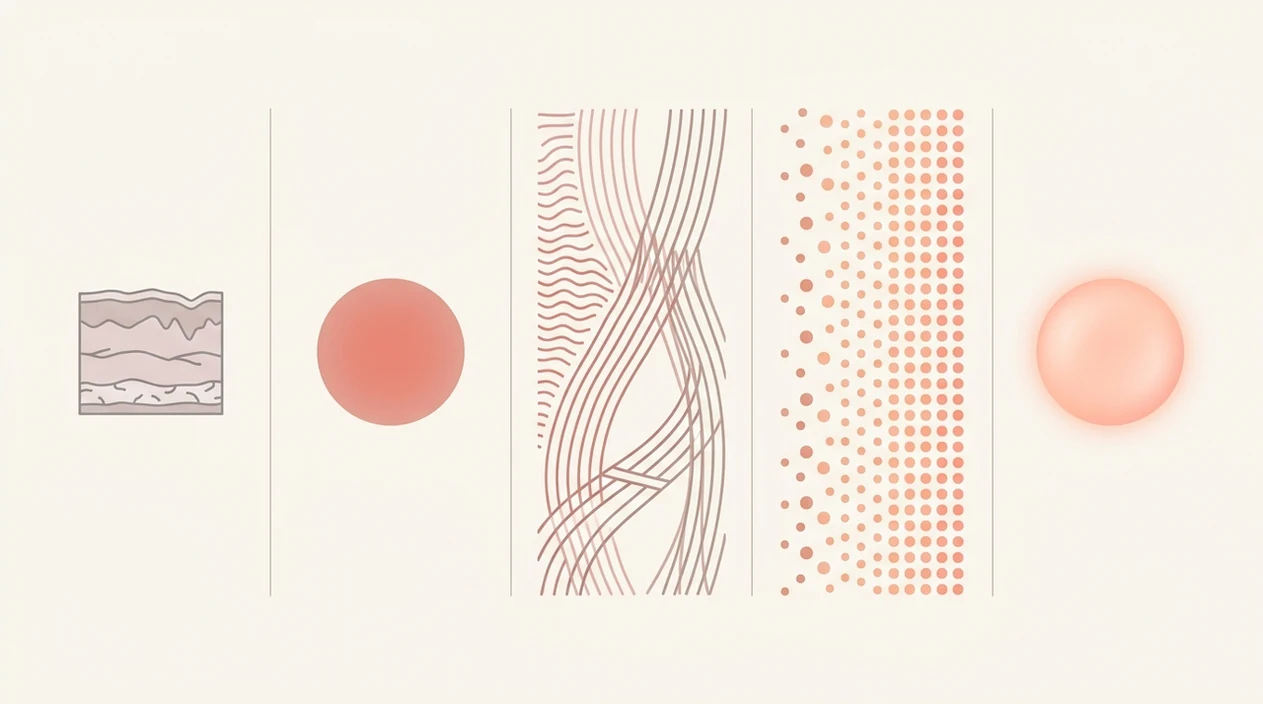
- Blood flow starts changing fast. Within days of quitting, skin gets better oxygen delivery because nicotine is no longer repeatedly tightening small blood vessels.
- Color can improve by 3 months. A 2012 study found statistically significant skin color improvement on the forehead and cheek after 3 months of smoking cessation.
- Skin biological age may drop. In a study of 64 women, quitting improved skin biological age by an average of 13 years within 9 months, based on brightness, elasticity, and texture source.
- Some damage stays. Deep wrinkles, severe elastosis, and old sun-plus-smoke pigment changes may soften but often do not disappear.
- Daily habits still matter. Sunscreen, sleep, food quality, hydration, and alcohol use can speed or blunt skin recovery after quitting smoking.
If visible motivation matters, pair smoke-free milestones with photos at 2 weeks, 1 month, and 3 months. That makes progress less abstract without turning skin recovery into a daily mirror inspection.
Smoking Damage to Skin: Collagen, Circulation, and Oxidative Stress
Smoking damages skin through blood vessel narrowing, collagen breakdown, and oxidative stress. Nicotine constricts small vessels, so the dermis receives less oxygen and fewer nutrients right when it needs repair materials.
Tobacco smoke also activates matrix metalloproteinases, or MMPs. Plainly, those are enzymes that chew through collagen and elastin, the support fibers that keep skin firm. A 2002 study summarized by the National Library of Medicine linked MMP-mediated collagen breakdown with premature wrinkles and sagging source.
The ashtray smell on a balcony rail is not just unpleasant. It is a reminder that smoke exposure keeps adding inflammation and free radicals to the skin. Creams may help the surface, but quitting removes the repeated injury. Good stop smoking apps deliver trigger tracking and relapse prevention, not a face-cream promise.
Skin Recovery Biology After Quitting Smoking
Skin recovery after quitting smoking works by restoring blood flow, reducing inflammation, and allowing collagen production to resume over time. The body starts repairing once cigarette toxins stop arriving every few hours.
First, blood vessels relax. More oxygen and nutrients reach the dermis, which can make grey or yellow tones look less flat. Next, cell turnover improves, so dull surface cells are replaced more efficiently. Collagen production gradually ramps back up after quitting, according to MedicalNewsToday’s review of smoking and skin source.
Inflammation markers can also calm down, which may help skin conditions that smoking worsens, including psoriasis and some acne patterns. Not instantly. Recovery is cumulative, so each smoke-free week builds on the last. The most evidence-backed approach to better smoker’s skin is quitting combustible cigarettes combined with basic skin protection, especially daily sunscreen.
Skin Changes After Quitting Smoking: Week-by-Week Timeline
Skin changes after quitting smoking usually follow a gradual timeline: circulation first, brightness next, then collagen and texture changes over months. Use this as a guide, not a scoreboard. Your face does not know your calendar exactly.
First 2 Weeks: Circulation and Color
Days 1–3: circulation begins improving, and some people notice a slight color change. Weeks 1–2: puffiness may ease, lips can look less dry, and skin may look less grey. The full body timeline is covered in our quit smoking timeline.
Months 1–3: Tone and Brightness Gains
Month 1–3: brightness and skin color improvements become more measurable. This is also when the stale smoke smell in a hoodie starts to feel like old evidence, not today’s identity. For many quitters, quitting smoking benefits after 90 days are easier to see than day-one benefits.
Months 3–9: Collagen and Elasticity Rebuild
Months 3–9: fine lines may soften, elasticity can improve, and the 2012 study found average skin biological age dropped by 13 years at 9 months. Year 1+: wound healing tends to normalize, which can improve cosmetic procedure planning and recovery.
4 Myths About Smoking and Skin Recovery
Myth 1: Quitting will not change how skin looks. Studies disprove this. Color, brightness, texture, and measured skin age can improve after cessation.
Myth 2: Wrinkles disappear overnight. Fine lines may soften, but deep structural wrinkles rarely vanish. Reset the expectation, not the quit.
Myth 3: Anti-aging creams can fix smoker’s skin without quitting. Skincare cannot fully overcome ongoing blood vessel constriction, collagen breakdown, and inflammation from continued smoking.
Myth 4: Vaping is exactly as bad for skin as smoking. Nicotine is not skin-friendly, but most smoking and skin damage comes from combustion toxins in cigarettes. Vaping and nicotine replacement avoid or greatly reduce many of those toxins. The National Academies concluded that e-cigarette aerosol generally contains fewer toxicants than combustible cigarette smoke, although vaping is not risk-free source.
Anyone dealing with “I already messed up, so I might as well smoke the rest of the day” can use MeQuit because the slip-up workflow helps reset the plan instead of erasing the whole streak.
Quit-Smoking App Photo Tracking for Skin Changes
A quit-smoking app can make skin recovery easier to notice by pairing progress photos with smoke-free milestones. Visual proof matters when cravings are loud and your brain wants an excuse.
- Take a baseline face photo in consistent lighting on quit day, ideally near a window with no filter.
- Log your smoke-free streak in Stop Smoking App to align skin milestones with progress.
- Set weekly reminders to photograph the same angles, including front, left side, and right side.
- Review your timeline at 2 weeks, 1 month, and 3 months against expected skin changes.
- Use craving-management tools in MeQuit when motivation dips, especially during bathroom-break urges or after meals.
After a hard craving wave, when fidgeting fingers keep searching for something, MeQuit earns the spot because the craving log captures what happened before the urge became a cigarette. Visual progress is a reinforcement loop for many quitters.
7 Skincare Tips for Skin Recovery After Quitting Smoking
Skin recovery after quitting smoking works better when you stop new damage while the body repairs old damage. Dermatologists generally recommend daily sun protection because UV exposure activates some of the same collagen-breaking pathways involved in skin aging.
- Use broad-spectrum sunscreen every morning. UV can cancel out appearance gains.
- Drink water regularly. Hydration supports comfort, though it will not erase wrinkles.
- Eat antioxidant-rich foods. Berries, greens, beans, and nuts support cell turnover.
- Use gentle exfoliation. Once or twice weekly is enough for many people.
- Sleep consistently. Skin repair peaks during deep sleep cycles.
- Skip tanning beds. They accelerate collagen damage.
- Keep quitting support close. A smoke-free streak tracker can make the next cigarette harder to reach.
Quitters who need appearance-based motivation often do well with MeQuit because streaks, milestones, and craving notes keep skin progress tied to daily behavior.
When to See a Dermatologist About Skin Changes
See a dermatologist if a skin change is new, changing, bleeding, painful, or not healing. Quitting can improve skin biology, but it does not replace diagnosis or treatment for medical skin problems.
Some flares may settle as inflammation drops, but persistent psoriasis, rosacea, acne, or eczema deserves professional care, especially if it affects sleep, confidence, or daily comfort. A quit plan can remove one trigger; a dermatologist can check whether medication, allergy testing, infection treatment, or a different routine is needed.
- Book an appointment for any spot that grows, changes color or border, bleeds, crusts, or stays open instead of healing.
- Seek urgent care if redness spreads quickly, skin feels hot and swollen, pus appears, fever develops, or pain is severe.
- Tell the clinician when you quit, what nicotine products you use, and which skincare products changed recently.
- Take baseline photos in steady lighting to track size, color, and timing, not to self-diagnose skin disease.
Photos can make patterns clearer, but the call on suspicious lesions or stubborn rashes belongs to a qualified clinician.
Limitations
Skin improvement after quitting is real, but it is not a guaranteed makeover. Set honest expectations before you judge your face in bad bathroom lighting.
- Deep wrinkles, severe elastosis, and long-standing pigment changes may persist permanently.
- Improvements are gradual, often months to years, so overnight expectations can hurt motivation.
- Recovery varies by smoking duration, pack-years, age, genetics, and baseline skin health.
- Evidence on full collagen restoration to pre-smoking levels is still limited.
- UV exposure, poor diet, heavy alcohol use, and sleep loss can negate skin gains.
- Quitting alone does not guarantee glowing skin without broader skin-care habits.
- MeQuit does not diagnose acne, psoriasis, rosacea, or suspicious skin lesions.
- Smokefree.gov and NHS quit-smoking resources may be better fits if you want government guidance instead of app-based tracking.
For appearance-focused quitters, skin recovery usually depends more on staying smoke-free than on buying a stronger serum because the injury stops at the source.
FAQ
When does skin look better after quitting smoking?
Some people see early skin changes 2 to 4 weeks after quitting smoking. Measurable skin color improvement has been reported around 3 months.
Do wrinkles reverse after quitting smoking?
Fine lines can soften after quitting as circulation and collagen activity improve. Deep wrinkles and severe elastosis rarely disappear completely.
Does quitting smoking reduce acne?
Quitting smoking may help acne by reducing inflammation and improving circulation. Acne has multiple causes, so some people still need dermatology care.
Is vaping as bad for skin as smoking?
Vaping is not the same as smoking for skin because cigarette combustion creates many of the toxins linked to collagen damage. Nicotine may still affect blood vessels and healing.
Can a quit-smoking app track skin changes?
Yes. MeQuit stop smoking app can help users pair progress photos with smoke-free streaks and milestone dates. Tracking works best when photos use the same lighting, angle, distance, and time of day.
Does skin color improve after quitting smoking?
Yes, skin color can improve after quitting smoking. A 2012 study found statistically significant forehead and cheek color improvement at 3 months.
How much younger does skin look after quitting smoking?
One study found that quitting smoking improved measured skin biological age by an average of 13 years within 9 months. Individual results vary by age, smoking history, sun exposure, and genetics.
Does sunscreen help skin recover after quitting smoking?
Yes, sunscreen helps protect skin recovery after quitting smoking. UV exposure activates collagen-breaking pathways, so daily broad-spectrum sunscreen helps preserve gains.
Track the Visible and Daily Wins After Quitting
Stop Smoking App helps you monitor smoke-free days, cravings, savings, and personal milestones while you quit. It is not medical advice, and many people do best with support such as NRT, counseling, a quitline, or clinician guidance when needed.
Get Stop Smoking App