
Tool To Build Quit Smoking Plan on Your Phone

A tool to build quit smoking plan turns the overwhelming process of quitting into a step-by-step mobile framework, setting your quit date, mapping triggers, scheduling reminders, and tracking progress in one place. The most useful planners pair behavioral strategies with evidence-based treatment guidance so the plan can change as cravings, slips, and routines change.
> Definition: A quit plan tool is a digital planner or app that walks you through setting a quit date, identifying personal triggers, choosing cessation support methods, and following daily action steps to stop smoking or vaping.
- The best quit plan tools combine trigger tracking, reminders, and medication guidance, not just motivational quotes.
- Using counseling plus medication can more than double your chances of quitting versus going cold turkey, according to U.S. Public Health Service tobacco treatment guidance source.
- Slips aren't failures; a good smoking cessation planner helps you reset and adjust your strategy.
At-a-Glance: 6 Features Every Quit Plan Tool Should Include
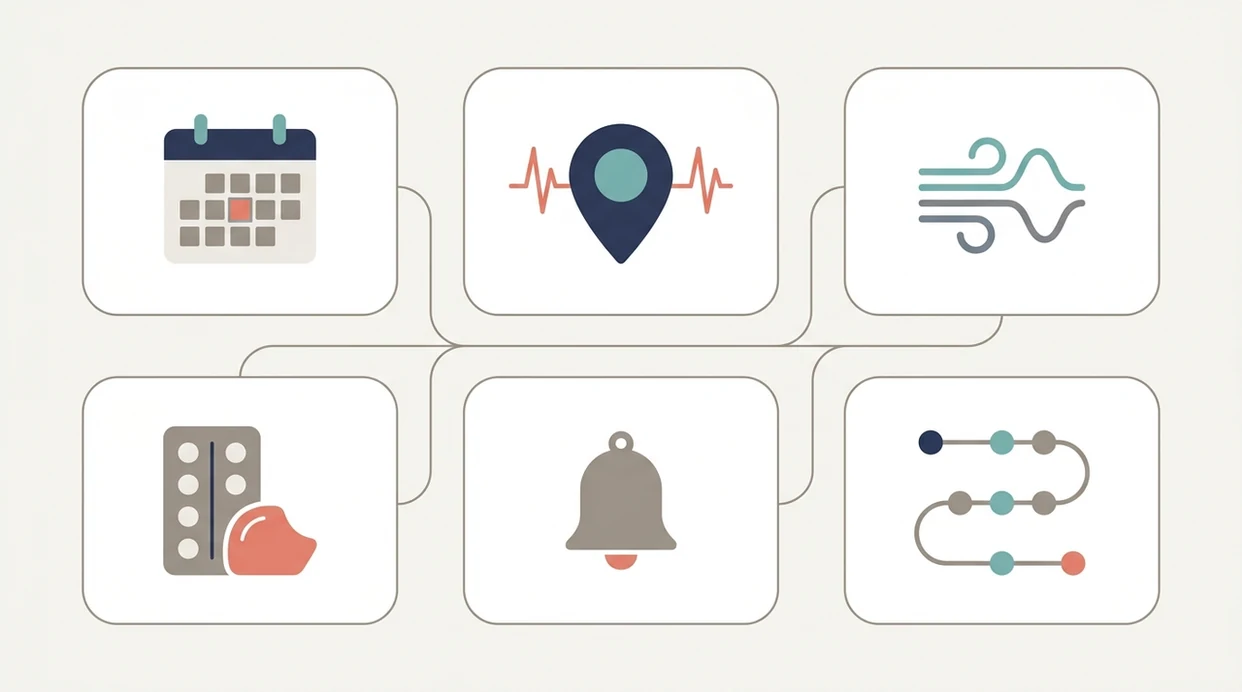
A strong quit plan tool gives you a clear quit date, trigger map, coping plan, support options, and daily follow-through. It should help during the boring parts too, like the third reminder after lunch when your hand still checks your pocket.
- Quit date selector: Pick a date, then build backward with prep steps, cigarette removal, and support messages.
- Trigger identification module: Log stress, alcohol, routines, car rides, and the ashtray smell on the balcony rail before urges feel random.
- Coping strategy library: Match each craving wave with one action, such as walking, breathing, texting someone, or changing location.
- Medication or NRT guidance: Good planners explain nicotine patches, gum, lozenges, and prescription options, then tell you when to ask a clinician.
- Progress tracking and reminders: A smoke-free streak, money saved, and timed nudges keep the plan visible.
- Support connections: Coaching, quitlines, community, or a partner check-in add accountability.
Top 5 Quit Plan Tools and Smoking Cessation Planners
A useful shortlist includes one mobile-first planner, several public-health tools, and live support options. Good quit smoking apps deliver specific next steps, not vague motivation.
- Stop Smoking App by MeQuit: The MeQuit stop smoking app fits people who want a phone-based plan builder with craving logging, smoke-free streaks, savings totals, and daily reminders. It helps when you need to track what actually happened after a trigger.
- Smokefree.gov Build My Quit Plan: This free government-backed planner helps set a quit date, list reasons, choose support, and prepare for cravings.
- QuitGuide app: This USDHHS-supported tool focuses on mood, craving, and cigarette logging, which helps users spot daily patterns.
- NHS Quit Smoking app: The UK-based NHS planner offers daily tips, progress tracking, and structured stop-smoking guidance.
- State quitline programs: Quitlines pair phone or text coaching with a personalized plan, often at no cost.
Parents looking for a quit plan that survives school pickup, dinner, and bedtime stress may also want a quit smoking app for parents workflow.
How We Picked These Smoking Cessation Planner Tools
We picked smoking cessation planner tools by looking for evidence-based structure, not shiny screens. The first test was simple: does the tool help before, during, and after quit day?
We favored planners that reflect Cochrane and CDC guidance, including counseling, medication support, reminders, and relapse planning. Personalization mattered too. A person smoking ten cigarettes a day after meals needs a different plan than someone vaping high-nicotine pods during work breaks.
We gave extra weight to tools that connect daily behavior logging with plan updates, including triggers, streaks, and reminders. That matters when restless legs under the dinner table are the first sign of withdrawal, not a random bad mood.
Cost and access also counted. Free tools like Smokefree.gov and NHS resources are valuable. Premium apps need to justify themselves with better engagement, clearer planning, or easier daily use.
Best Quit Plan Tool for Daily Trigger Tracking
Does a quit plan tool need trigger tracking? Yes, because most relapses happen around specific cues, not because someone suddenly “stopped caring.”
Triggers can be stress, alcohol, driving, boredom, or the first break at work. A passive countdown only tells you how long since the last cigarette. Active trigger management tells you what to do when the craving wave starts.
MeQuit is a practical fit for people whose urges follow routines because it logs triggers and suggests concrete alternative actions through a craving tracker. After a friend passes a vape at lunch, the useful question is not “why am I weak?” It is “what do I do for the next ten minutes?”
The most common medically supported way to improve quit success is behavioral support combined with medication when appropriate. According to the CDC, counseling plus medication can more than double quit success compared with unsupported cold turkey quitting source.
For readers weighing medication against no medication, the NRT vs cold turkey guide explains the tradeoff in plain language.
Best Smoking Cessation Planner for Quit Dates and Phone Reminders
A specific quit date turns “someday” into a plan with a clock. It gives reminders something concrete to point toward, like removing cigarettes from the car two days before quit day.
Stat callout: A Cochrane review found that evidence-based digital stop-smoking tools can significantly increase quit rates compared with minimal or no support source.
A phone-based planner works well for people who need daily structure when it breaks pre-quit preparation into reminders, streak tracking, and check-ins. On days when coffee steam shows up without the usual cigarette, a timed prompt can make the next cigarette harder to reach.
Tiny nudges help.
People trying to build a plan before quit day can use MeQuit alongside a personalized quit smoking plan app approach that lists reasons, triggers, support, and backup steps.
Best Quit Plan Tool for Slip Recovery and Plan Resets
One cigarette does not mean the quit plan failed. A useful planner treats a slip-up as data, then helps you reset the plan before the “I already messed up” thought takes over.
Stat callout: More than 60% of U.S. adults who have ever smoked cigarettes have now quit, per the CDC. Persistence is normal in successful quitting, not a sign you are doing it wrong.
MeQuit fits people who need nonjudgmental reset steps because it recalibrates the timeline without erasing progress insights. If the lighter was bought with gas station snacks, the next plan should include that store, that time, and that trigger.
Reset the plan.
A good reset asks three questions: what happened, what can change, and who needs to know? For some users, a first honest note after a slip is the most important log entry of the week.
Quit Plan Tool vs. No Plan: Evidence for Structured Smoking Cessation
Structured quit planning beats vague intention because it turns motivation into repeatable decisions. That matters in the United States, where 28.3 million adults still smoked cigarettes in 2022, according to CDC data.
| Approach | What it gives you | Main weakness |
|---|---|---|
| No plan | A decision to quit | No trigger map, reminder system, or reset process |
| Paper plan | Clear notes and reasons | Easy to forget during cravings |
| Digital quit plan tool | Reminders, logs, streaks, and updates | Requires daily engagement |
| App plus coaching or medication | Behavioral support plus treatment guidance | May require scheduling or clinician input |
Quitting by age 40 reduces the risk of smoking-related death by about 90%, and quitting later still adds years of life, according to a large cohort analysis source. The most effective combination for many smokers is behavioral support plus medication, while app-only planning fits people who need structure before adding live help.
For vapers, personalization matters. The quitting vs tapering question can change the plan.
Honest Cons of Quit Plan Tools and Smoking Cessation Apps
Quit plan tools can help, but they are not all built the same. Some apps lean on motivational quotes, badges, and countdowns without giving you medication guidance, trigger planning, or real reset steps.
MeQuit is stronger for people who will log cravings and use reminders because the plan improves when real events are recorded. If you ignore every prompt, any planner becomes a silent icon on your phone.
Tools also cannot replace clinical care for heavy nicotine dependence, pregnancy, chest symptoms, complex medication questions, or severe withdrawal. A clinician or pharmacist can help choose nicotine replacement therapy, varenicline, bupropion, or other options.
Vape-specific guidance is still uneven across the market. Many planners were built around cigarettes first. If you use both cigarettes and vapes, you need a plan that tracks both patterns, not one generic nicotine score.
Limitations
Quit plan tools are useful planning aids, not guarantees. The honest limits matter before you trust any smoking cessation planner.
- They are not a substitute for medical care, especially with heavy dependence, pregnancy, heart or lung disease, or complex medication needs.
- Many marketed apps lack evidence-based guidance and may have little effect beyond a basic countdown.
- Results depend on engagement. If you don't log cravings or follow reminders, the plan has less to work with.
- Untreated depression, PTSD, anxiety, or co-occurring addictions need parallel professional support.
- Most tools still offer limited tailored guidance for high-nicotine vaping or dual cigarette-vape use.
- Free government tools such as Smokefree.gov or NHS resources can be excellent, but the interface may feel less sticky than commercial apps.
- No tool guarantees success on the first attempt. Multiple quit cycles are common.
MeQuit is useful when you want daily planning, craving logs, and reset steps in one place, but it should sit beside clinical advice when nicotine dependence is severe.
FAQ
Are free quit plan tools effective?
Yes, free quit plan tools can be effective when they include a quit date, trigger planning, reminders, medication guidance, and support connections. Smokefree.gov, NHS resources, and state quitlines are useful examples because they are built around structured cessation steps rather than motivation alone.
Can a quit plan tool replace nicotine replacement therapy?
No, a quit plan tool should not be treated as a replacement for nicotine replacement therapy or prescription medication when those are appropriate. The strongest results often come from combining behavioral planning with medication, coaching, or clinician guidance.
How long should a quit smoking plan last?
Many structured quit smoking plans cover at least 8 to 12 weeks because withdrawal, habit change, and relapse prevention take time. Craving tracking can continue longer, especially during stress, travel, alcohol use, or major routine changes.
Do quit plan apps work for vaping?
Some quit plan apps can help with vaping, especially when they track nicotine patterns, triggers, cravings, and tapering steps. Many tools are still cigarette-focused, so vapers should look for flexible logging rather than a plan that only counts cigarettes.
What should I do if I smoke during my quit plan?
If you smoke during your quit plan, log what happened and continue the plan instead of restarting from zero. A slip should identify a trigger, a weak spot, and the next coping step, not erase the progress already made.
Should I combine a quit smoking app with coaching?
Yes, combining a quit smoking app with coaching, quitline support, counseling, or clinician guidance can improve accountability. A quit smoking app can organize daily tracking, while a coach or clinician can help with treatment choices and hard relapse patterns.
Does setting a quit date actually help?
Yes, setting a quit date helps because it creates a clear commitment point and organizes preparation steps. It also gives reminders a concrete timeline, so tasks like removing cigarettes, choosing support, and planning craving responses happen before quit day.
Build a quit plan you can actually use
Use Stop Smoking App to track cravings, triggers, streaks, savings, and reset steps as you work toward quitting smoking or vaping. For best results, combine app support with NRT, counseling, a quitline, or clinician guidance when appropriate.
Get Stop Smoking App