
Smoking Withdrawal Symptoms: Full Timeline And What Actually Helps

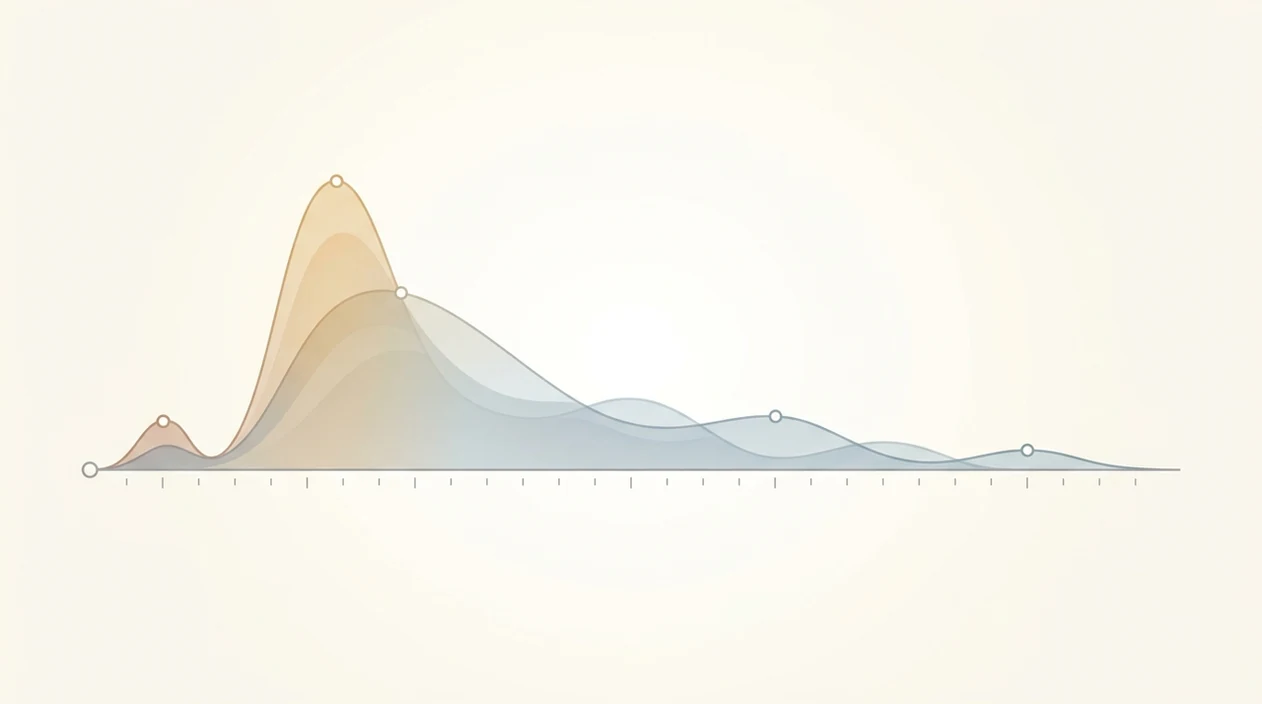
Smoking withdrawal symptoms, including cravings, irritability, anxiety, insomnia, and increased appetite, typically begin 4 to 24 hours after your last cigarette, peak around day 3, and gradually ease over 2 to 4 weeks. Symptoms arrive in waves rather than a steady climb, so a sudden craving after a good day is normal, not a sign of failure. During that uneven first week, a craving timer, symptom log, smoke-free streak, and reset plan can make withdrawal feel measurable instead of endless.
> Definition: Smoking withdrawal symptoms are the physical, cognitive, and emotional changes that occur when a nicotine-dependent person stops or sharply reduces tobacco or vape use.
TL;DR
- The DSM-5 lists 7 primary nicotine withdrawal symptoms: irritability, anxiety, depressed mood, difficulty concentrating, increased appetite, insomnia, and restlessness.
- Most symptoms peak at day 2–3 and resolve within 3–4 weeks, though cravings can recur in brief waves for longer.
- Nicotine replacement therapy, behavioral coping tools, and real-time craving tracking in an app like Stop Smoking App can meaningfully reduce withdrawal severity.
- Withdrawal is uncomfortable but not medically dangerous for most healthy adults.
- No supplement, detox trick, or single hack eliminates withdrawal. Consistent support and habit replacement are what work.
5 Facts About Smoking Withdrawal Symptoms Every Quitter Should Know

- Symptoms often start within 4 to 24 hours after the last nicotine dose, according to a clinical review of nicotine withdrawal source.
- The DSM-5 lists seven primary nicotine withdrawal symptoms: irritability, anxiety, depressed mood, difficulty concentrating, increased appetite, insomnia, and restlessness, as summarized in StatPearls/NCBI source.
- Peak severity usually lands around day 2 or day 3, when the busy mouth, tight shoulders, and short temper can feel strongest.
- Most nicotine withdrawal symptoms resolve within 3 to 4 weeks, although some people feel sleep, appetite, or mood changes for longer.
- Cravings come in waves, not all day at full volume; many individual urges pass in 3 to 5 minutes if you delay and do something else.
Quitters who panic when a craving hits fast are a good fit for MeQuit because the craving timer turns that wave into a short countdown instead of an open-ended fight.
Common Myths About Nicotine Withdrawal Symptoms
Nicotine withdrawal symptoms are not “just psychological.” Nicotine affects acetylcholine receptors and dopamine signaling, so stopping can create real body changes: restlessness, sleep disruption, appetite shifts, and a sharp need to do something with your hands.
Another myth is that withdrawal lasts forever. It doesn’t. The worst part is usually measured in days, and the broader quit smoking withdrawal timeline is usually measured in weeks. The NHS says nicotine withdrawal symptoms often last 3 to 4 weeks on average source.
A strong craving also does not mean you must smoke. It means your brain has recognized a trigger, such as the porch chair with old ash marks, and is asking for the old reward. Wait it out.
Withdrawal is uncomfortable but generally safe for most healthy adults. If low mood becomes severe, feels unfamiliar, or includes thoughts of self-harm, treat that as medical, not “just quitting.”
Complete Quit Smoking Withdrawal Timeline: Hours To Weeks
“What is the quit smoking withdrawal timeline from the first day to the first month?” Most people feel symptoms within 4 to 24 hours, hit peak intensity around days 2 to 3, then improve through weeks 2 to 4. No single timeline fits everyone.
First 24 Hours After Your Last Cigarette
Cravings, restlessness, anxiety, and a “something is missing” feeling often show up first. The automatic reach can happen before the coffee machine finishes. If that’s your danger point, the nicotine cravings tracker app guide explains how to log urges before they turn into a cigarette.
Days 2–5: Peak Nicotine Withdrawal Symptoms
Days 2 to 5 often bring irritability, insomnia, concentration trouble, and stronger cravings. Reset the plan. If vaping is your main nicotine source, research summarized by Charlie Health reports many vaping withdrawal symptoms return near baseline within about 10 days source.
Weeks 2–4: When Most Symptoms Fade
By weeks 2 to 4, many people notice fewer cravings and better mood stability. Appetite changes may linger, so plan snacks instead of pretending hunger won’t show up.
How Nicotine Withdrawal Works Inside Your Brain And Body
Nicotine withdrawal works because your brain adapts to repeated nicotine exposure, then has to rebalance when nicotine stops. Nicotine binds to nicotinic acetylcholine receptors and triggers dopamine release, which teaches the brain to expect a quick reward after smoking or vaping.
With chronic use, the brain increases receptor activity and adjusts to steady nicotine. When nicotine disappears, those adapted systems feel underfed for a while. That mismatch can show up as irritability, anxiety, cravings, low mood, poor focus, and sleep trouble.
Over weeks, receptor density and dopamine signaling move closer to baseline. The habit layer takes longer for some people. Triggers, routines, and rewards still fire, even when the chemistry is improving.
If your trigger is lunch break, stress texts, or a mint vapor smell in a hoodie sleeve, MeQuit helps connect the cue to the urge rating so you can track what actually happened.
How To Manage Smoking Withdrawal Symptoms Day By Day
The most evidence-backed approach to managing smoking withdrawal symptoms is combining medication support when needed with daily behavior changes that interrupt cravings. Good stop smoking apps deliver repeatable coping steps and feedback, not magic willpower or a one-tap cure.
- Set a quit date and log it in MeQuit so your smoke-free streak starts from a clear point.
- Identify your top 3 triggers and pre-plan alternatives, such as gum after dinner, a walk after lunch, or texting someone before driving.
- Use the craving timer and ride each wave for 3 to 5 minutes until it passes.
- Track daily symptoms so you can see the downward trend instead of judging one bad hour.
- Combine NRT or prescribed medication with behavioral support if cravings are severe or repeated; Cochrane reviews find that nicotine replacement therapy increases quit rates compared with placebo or no NRT source.
- Review weekly progress milestones for motivation when the first week feels slow.
If the first three days keep knocking you sideways, then MeQuit fits because the daily symptom log shows whether your cravings are actually getting shorter.
Best Coping Strategies For Each Nicotine Withdrawal Symptom
Different nicotine withdrawal symptoms need different coping moves. Use the symptom in front of you, then pick one action you can do in under five minutes.
Craving And Mood Symptom Relief
Cravings: Delay, distract, deep-breathe, and drink water. A craving countdown watched on the bus can feel awkward, but it gives your brain a finish line.
Irritability: Try brief movement, a short walk, or a mindfulness exercise in MeQuit before answering the message that annoyed you.
Difficulty concentrating: Break work into 10-minute blocks. Put the phone face down, finish one small task, then check the urge again.
Sleep And Appetite Symptom Relief
Insomnia: Keep a steady bedtime, avoid caffeine after noon, and expect a few uneven nights.
Increased appetite: Keep healthy snacks nearby and track meals if grazing becomes automatic.
Restlessness and anxiety: Walk, stretch, or use guided breathing until the body settles.
After a rough night, when the morning urge feels louder, MeQuit earns the spot because the symptom trend can show recovery across days, not just one bad sleep.
Why Withdrawal Symptoms Come In Waves After Quitting Smoking
Withdrawal is not linear. A calm Tuesday can be followed by a hard Wednesday because a trigger reactivates the old craving circuit, even after nicotine levels have dropped.
That does not mean you are back at the start. Each wave is usually shorter, weaker, or easier to recognize over time. The pocket check is real. So is the relief when you notice you didn’t smoke.
On days when a sudden urge feels like proof you failed, a craving log can separate one wave from your whole smoke-free streak. For people comparing phone-based quit support, our best stop smoking app guide covers the broader feature set, including streaks, savings, and relapse recovery.
Craving control usually depends more on repetition during real triggers than on having one perfect coping technique.
When To Seek Medical Help During Smoking Withdrawal
Seek medical help when withdrawal symptoms feel dangerous, unusually severe, or are not improving with basic support. Normal discomfort includes cravings, edgy mood, poor sleep, and appetite changes; symptoms that threaten safety or daily functioning deserve a clinician, not more willpower.
Use this quick check when you are unsure:
- Call emergency care now if you have chest pain, confusion, fainting, severe shortness of breath, or symptoms that feel immediately unsafe.
- Contact local crisis services immediately if you have suicidal thoughts, feel at risk of harming yourself, or cannot stay safe tonight.
- Book clinician support if depression feels severe, unfamiliar, or lasts beyond the first withdrawal wave instead of gradually easing.
- Ask for help when anxiety, panic, or insomnia keeps you from working, driving safely, caring for others, or sleeping for several nights.
- Check in early if you are pregnant, have heart disease, use psychiatric medication, or have a history of depression, bipolar disorder, psychosis, or substance use problems.
Quitting is still one of the best health moves you can make. Getting medical support is part of protecting the quit, not a sign that you failed.
Limitations
Withdrawal guidance has limits, and a quit-smoking app should be clear about them.
- No single timeline fits everyone. Severity depends on nicotine dose, cigarette or vape use, dependence level, and mental health history.
- NRT can reduce symptoms, but it does not erase withdrawal. Behavioral support is still needed.
- Low mood, anxiety, and sleep problems can overlap with pre-existing conditions, so don’t assume every symptom is from nicotine.
- No supplement, detox drink, or single hack will eliminate withdrawal. Claims like that are not evidence-based.
- MeQuit helps with tracking, motivation, craving tools, and habit replacement, but it is not emergency medical care.
- Seek urgent help if quitting is linked with severe depression, suicidal thoughts, chest pain, confusion, or symptoms that feel unsafe.
- Some people may prefer structured programs such as Smokefree.gov, BecomeAnEX, NHS Better Health, QuitNow, or Smoke Free if they want coaching, forums, or local health-system support.
MeQuit stop smoking app is useful for daily tracking because it captures cravings, symptoms, milestones, and slip-up recovery without treating a slip-up as the end.
FAQ
Can nicotine withdrawal kill you?
Nicotine withdrawal is uncomfortable but not medically dangerous for most healthy adults. Severe depression, suicidal thoughts, chest pain, or other urgent symptoms need medical help.
How long do nicotine withdrawal headaches last?
Nicotine withdrawal headaches often ease within the first week as blood flow and routine adjust. Hydration, sleep, and regular meals may help.
Are vape withdrawal symptoms different?
Vape withdrawal symptoms overlap with smoking withdrawal symptoms, including cravings, irritability, anxiety, and sleep trouble. Some vaping withdrawal research suggests many symptoms return near baseline within about 10 days.
What happens on day 4 without smoking?
Day 4 is often just after the peak, so some people notice cravings easing. Waves can still happen, especially around familiar triggers.
Is quitting cold turkey harder?
Cold turkey can produce sharper peak withdrawal for some people because nicotine stops all at once. Quit rates vary by person, dependence level, and support used.
How long do smoking cravings last?
Individual smoking cravings often pass within 3 to 5 minutes. They usually become less frequent over the next few weeks.
Does quitting smoking cause weight gain?
Increased appetite is a recognized nicotine withdrawal symptom. Average weight gain is usually modest, but planning snacks and activity helps.
Do withdrawal symptoms get worse before better?
Yes, withdrawal symptoms often rise first, peak around days 2 to 3, then fade. A later craving wave does not erase progress.
Does an app help with withdrawal?
Yes, an app can help by timing cravings, tracking symptoms, and showing progress milestones. MeQuit stop smoking app supports withdrawal by helping users manage one urge at a time.
Get through withdrawal one craving at a time
Stop Smoking App helps you track smoke-free days, log cravings, spot triggers, and see your progress while quitting. It is not medical advice or a medical device, and it works best with extra support when you need it.
Get Stop Smoking App