
Quit Smoking Insomnia: Causes, Duration, And Practical Fixes
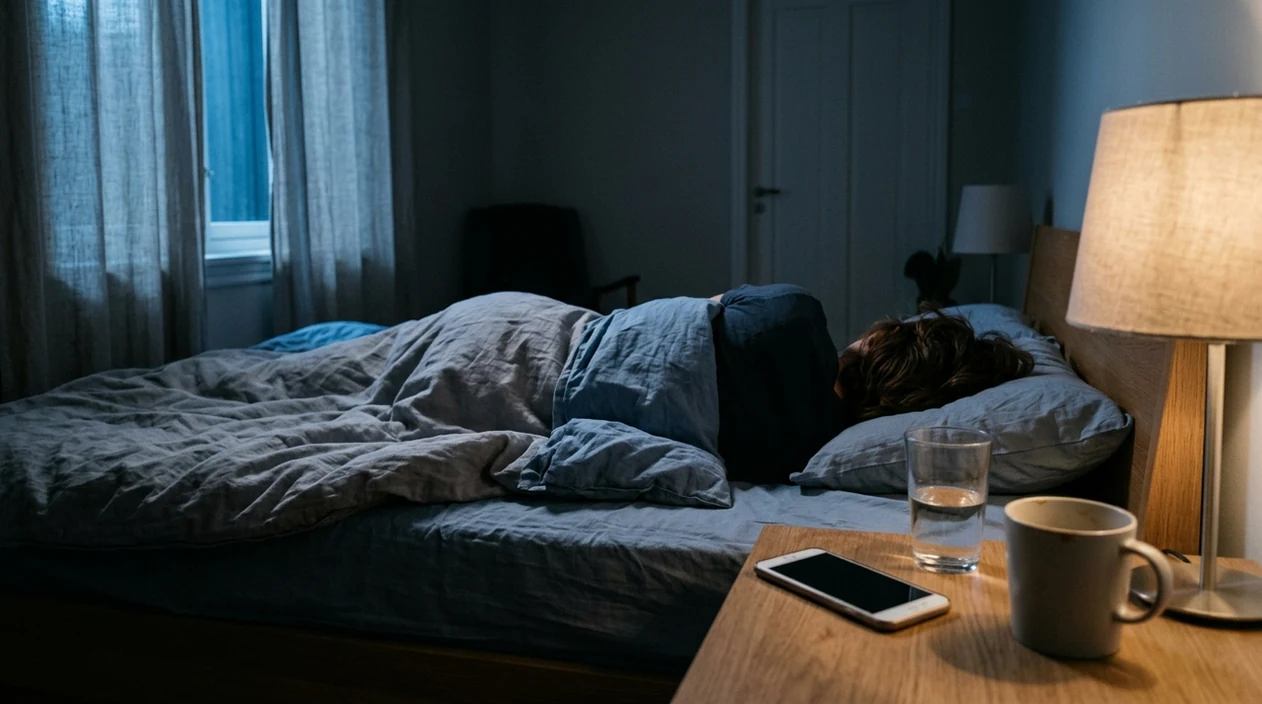
Quit smoking insomnia affects up to 42% of people who stop cigarettes source, and the CDC lists trouble sleeping as a common nicotine-withdrawal symptom source. Symptoms often feel worst in the first few days and usually ease over 3 to 4 weeks as nicotine clears and sleep chemistry resets. MeQuit can help during that rough window because it lets you log cravings, sleep checks, and evening triggers instead of guessing what went wrong at 2 a.m.
> Definition: Quit smoking insomnia is the temporary inability to fall or stay asleep caused by nicotine withdrawal disrupting the brain's sleep-wake neurotransmitters during smoking cessation.
TL;DR
- Nicotine withdrawal insomnia peaks around days 1–3 and usually resolves within 3–4 weeks.
- Up to 42% of quitters report insomnia; poor sleep raises relapse risk in the first month.
- Sleep hygiene, caffeine reduction, daytime exercise, and a stop smoking app for tracking cravings and sleep patterns are the most effective non-pharmaceutical fixes.
5 Facts About Quit Smoking Insomnia Every Quitter Needs
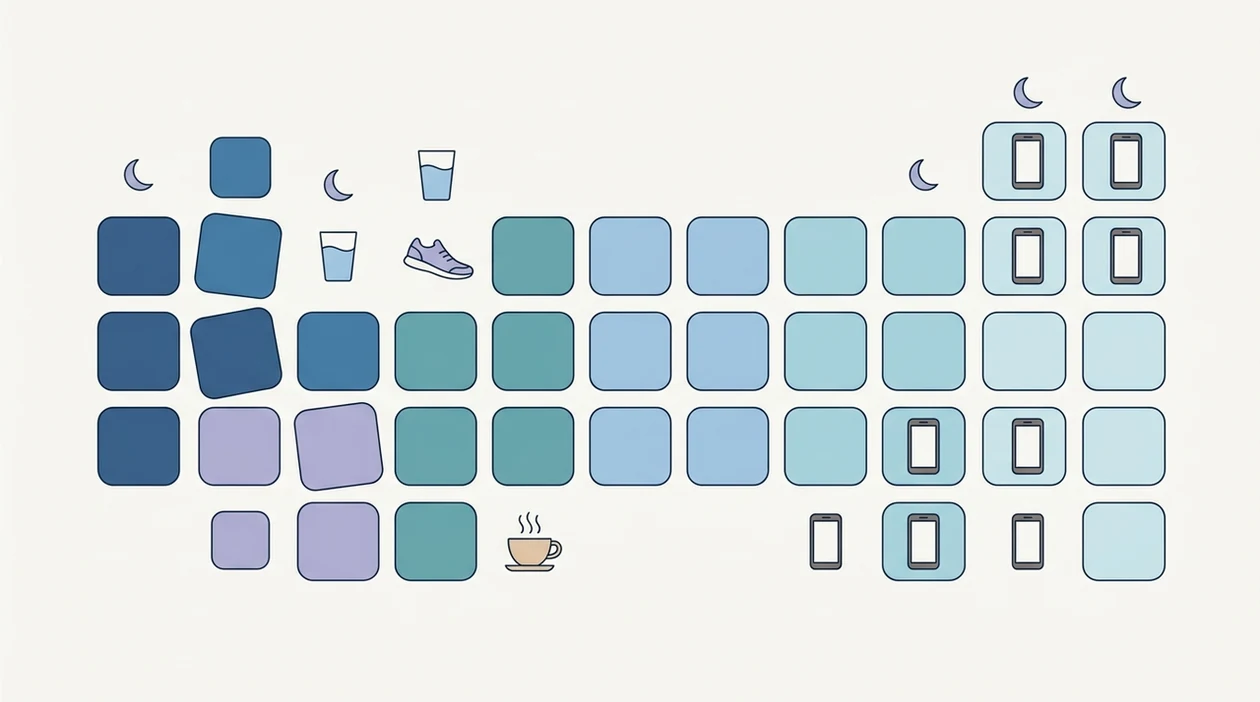
- Up to 42% of abstinent smokers report insomnia during smoking cessation, according to a 2019 review of sleep disturbance in quitting smokers source.
- The CDC lists trouble sleeping as one of the seven common withdrawal symptoms after quitting tobacco source.
- Nicotine withdrawal symptoms usually peak within 3 days and then decline over the next 3 to 4 weeks, per U.S. Public Health Service tobacco-treatment guidance source.
- Sleep problems can raise relapse risk in the first month, because tired brains have less patience for a craving wave source.
- Up to 80% of smokers already report some sleep disturbance before quitting, so stopping nicotine may reveal a problem that was already there.
The first week can feel unfair. You’re exhausted, but wired.
Why You Can't Sleep After Quitting Smoking: The Brain Chemistry
Why can't I sleep after quitting smoking? Nicotine was changing acetylcholine, dopamine, and GABA signaling, so removing it can make the brain feel under-stimulated and over-alert at the same time.
Nicotine binds to nicotinic acetylcholine receptors. It also nudges dopamine, which affects reward and mood, and GABA, which helps calm brain activity. When cigarettes stop, those systems don’t instantly settle. Cortisol and body arousal may rise during early withdrawal, especially at night when there’s no work task or phone scroll to hide the discomfort.
Some people mainly struggle to fall asleep. Others wake at 1:40 a.m., 3:10 a.m., and again before the alarm. Different pattern, same withdrawal engine.
If your priority is seeing whether evening cravings are wrecking sleep, use a time-stamped craving log and compare it with the next morning’s sleep note.
How Nicotine Withdrawal Insomnia Works Inside Your Body
Nicotine withdrawal insomnia works through receptor rebound, circadian disruption, and nervous-system arousal. In plain English, your body has to relearn sleep without a chemical it expected every day.
Regular nicotine exposure upregulates nicotinic acetylcholine receptors. When nicotine disappears, those receptors can feel hypersensitive for a while. Melatonin signaling may also feel offset, so your body clock says “not yet” even when your eyes burn. The autonomic nervous system can rebound too, causing a faster pulse, sweating, restless legs, or shoulders that stay tight in bed.
The pattern often has three phases: acute neurochemical chaos in days 1 to 3, gradual receptor downregulation in weeks 2 to 4, then steadier sleep as the system normalizes. Good stop smoking apps deliver pattern tracking and timely coping prompts, not a promise that withdrawal disappears overnight.
MeQuit stop smoking app supports that middle phase because it keeps cravings, sleep notes, and smoke-free streak progress in one place.
How Long Insomnia Lasts After Quitting Smoking
How long does insomnia last after quitting smoking? Nicotine withdrawal insomnia usually peaks in days 1 to 3, improves noticeably by week 2, and is largely better by week 4 for most people.
Some quitters report longer timelines on Reddit or forums. That doesn’t mean everyone is doomed for months. Longer insomnia can reflect anxiety, depression, sleep apnea, heavy caffeine use, alcohol rebound, or expecting sleep to fail before bedtime even starts. The brain learns that fear loop quickly.
Still, don’t tough it out forever. If insomnia lasts beyond 4 to 6 weeks, or you’re having panic symptoms, severe low mood, loud snoring, or daytime sleep attacks, talk with a clinician. Doctors and tobacco-treatment guidelines often recommend treating sleep problems as part of a quit plan, especially when poor sleep is pushing relapse thoughts.
For people who keep thinking, “I already messed up, so I might as well smoke the rest of the day,” MeQuit helps reset the plan with a slip-up log instead of turning one cigarette into a full relapse.
When To Get Medical Help For Quit Smoking Insomnia
Get medical help for quit smoking insomnia if it lasts longer than 4 to 6 weeks, feels severe, or starts coming with mental-health or breathing red flags. Sleep tracking can guide the conversation, but it cannot diagnose sleep apnea, depression, panic disorder, or medication problems.
- Call a clinician if broken sleep is still regular after 4 to 6 weeks smoke-free, especially if it is raising relapse thoughts or making work, driving, or parenting feel unsafe.
- Reach out sooner for severe anxiety, panic attacks, worsening depression, thoughts of self-harm, or a level of agitation that feels unlike your usual withdrawal.
- Ask about sleep apnea if loud snoring, choking or gasping, morning headaches, or heavy daytime sleepiness shows up after quitting.
- Review your inputs with a professional, including nicotine patches, other medicines, alcohol, caffeine, supplements, and any over-the-counter sleep aids.
- Bring your notes from MeQuit or another tracker: bedtime, wakeups, cravings, patch timing, caffeine, and alcohol. The pattern helps care, but the app is supporting evidence, not the diagnosis.
At-a-Glance: Best Strategies For Quit Smoking Insomnia Relief
The most evidence-backed approach to quit smoking insomnia is combining a steady sleep schedule, lower evening stimulation, and craving tracking. One tactic rarely carries the whole night.
- Stimulus control: Go to bed and wake up at consistent times. If you’re awake too long, leave the bed briefly so the mattress doesn’t become a worry zone.
- Caffeine and alcohol cutoffs: Stop caffeine by early afternoon. Alcohol may feel sedating, but it fragments sleep later.
- Daytime exercise: Walk, cycle, or stretch earlier in the day. Chest looseness on a morning walk is a real quit-day win.
- NRT timing: If patches cause vivid dreams, ask a clinician whether removing the patch before bed fits your plan.
- App-based tracking: Use a nicotine cravings tracker app to connect evening urges, caffeine, stress, and sleep quality.
When after-dinner cravings are the issue, MeQuit earns the spot because it records the trigger, the coping action, and the next morning’s sleep check.
How To Manage Quit Smoking Insomnia Step by Step
Manage quit smoking insomnia by stabilizing the morning first, then changing one sleep variable at a time. The goal is not a perfect night immediately; it is fewer frantic decisions when withdrawal wakes you up.
- Set your wake time before you chase an earlier bedtime. Get up at the same time for a week, even after a broken night, so your body clock has one steady anchor.
- Cut caffeine after lunch for the first month. Early withdrawal already raises alertness, and afternoon coffee can still be arguing with your brain at midnight.
- Plan your 3 a.m. response while you are calm. Choose one non-nicotine move, such as breathing, water, a boring book, or sitting in a dim room until the craving wave passes.
- Track the daily clues that shape sleep: cravings, sleep quality, alcohol, exercise, and late stress. A short note beats guessing after three rough nights.
- Adjust one thing weekly instead of rebuilding your whole life at once. Move caffeine earlier, then review; change exercise timing next week if needed.
How To Use a Stop Smoking App To Beat Withdrawal Insomnia
A stop smoking app helps withdrawal insomnia by turning vague bad nights into patterns you can act on. MeQuit works well here because sleep notes sit beside craving logs, money saved, and smoke-free streak milestones.
- Log your quit date and set a nightly sleep-check reminder for the same time each evening.
- Track each craving with a time stamp, especially after dinner, during traffic, or when you pass the vape shop sign on your bus route.
- Use a breathing exercise before bed when your mouth feels busy and your hands need something to do.
- Review weekly trends in the dashboard, including nights with frequent waking or early-morning restlessness.
- Adjust your strategy by changing caffeine cutoff time, exercise timing, or evening screen use based on what the data shows.
The right fit for quitters who need a simple nightly routine is MeQuit because the sleep-check reminder pairs with craving history rather than sitting in a separate notes app. For broader feature comparison, the best stop smoking app guide explains what to look for.
Common Myths About Insomnia After Quitting Smoking
Quit smoking insomnia feels alarming, but most scary conclusions people draw from it are wrong. The discomfort is real. The meaning is often misread.
Myth 1: Quitting is bad for your health if it ruins sleep. Truth: the insomnia is usually a temporary adjustment, while smoking keeps harming the heart, lungs, blood vessels, and sleep quality.
Myth 2: It lasts forever. Truth: most withdrawal sleep problems improve across 3 to 4 weeks.
Myth 3: Alcohol or vaping is a safe sleep fix. Truth: alcohol disrupts sleep architecture, and vaping nicotine restarts the nicotine loop. If vaping is part of your quit story, a stop vaping app can help track urge patterns without treating nicotine as bedtime medicine.
Myth 4: NRT should erase all insomnia. Truth: nicotine replacement can reduce withdrawal, but it may not remove every symptom. Patches worn overnight can also cause vivid dreams.
MeQuit keeps the focus on what actually happened, not the panic story your tired brain tells at midnight.
Sleep Management During the First 30 Days of a Quit Attempt
Sleep management is a quit-smoking strategy, not a side chore. Poor sleep in the first month is linked with higher relapse risk, and sleep deprivation lowers impulse control when a craving wave hits.
That’s why the first 30 days need a sleep plan. Set caffeine rules before the craving starts. Decide what you’ll do if you wake at 3 a.m. Keep cigarettes out of reach before bedtime, not after your brain starts bargaining. A baby car seat beside an empty ashtray can be more motivating than any abstract health chart.
For parents who need fewer late-night decisions, put your smoke-free streak, savings total, and last craving note in one visible place before the ‘just one’ thought takes over.
If insomnia feels extreme, ask about screening for sleep apnea, anxiety, or depression. Quitting can unmask problems that nicotine was partly covering. The Stop Smoking App can support daily tracking, but persistent symptoms deserve clinical care.
Limitations
No sleep strategy works for every quitter, and it’s better to know that before a rough night.
- No single hack reliably fixes quit smoking insomnia for everyone.
- OTC sleep aids and melatonin have mixed evidence for nicotine withdrawal insomnia and can cause next-day grogginess.
- Nicotine patches worn overnight may reduce morning cravings, but they can also cause vivid dreams or continued sleep disruption.
- Gradual cigarette tapering may lessen insomnia for some people, but it prolongs nicotine exposure.
- Some people still need short-term medical treatment or specialist help for severe insomnia.
- MeQuit complements clinical care, but it does not diagnose sleep apnea, panic disorder, depression, or medication interactions.
- Communities like Smokefree.gov or BecomeAnEX can add peer support, but they won’t replace a doctor when symptoms persist.
Reset the plan.
For severe sleep loss, the safest next step is medical advice plus a practical quit plan, because untreated insomnia can become its own relapse trigger.
FAQ
How long does quit smoking insomnia last?
Quit smoking insomnia usually peaks in the first 1 to 3 days and improves over 3 to 4 weeks. See a doctor if it lasts beyond 4 to 6 weeks or becomes severe.
Why can't I sleep after quitting smoking?
You can't sleep after quitting smoking because nicotine withdrawal disrupts acetylcholine, dopamine, GABA, cortisol, and sleep-wake timing. The brain is adjusting to sleeping without nicotine stimulation.
Does nicotine replacement therapy cause insomnia?
Nicotine replacement therapy can reduce withdrawal symptoms, but it may not eliminate insomnia. Nicotine patches worn overnight can cause vivid dreams or sleep disruption in some people.
Is melatonin safe during nicotine withdrawal?
Melatonin may help some people, but evidence is mixed and next-day grogginess can happen. Check with a doctor if you take other medicines or have ongoing insomnia.
Does exercise help withdrawal insomnia?
Daytime exercise can improve sleep quality during nicotine withdrawal. Avoid intense workouts close to bedtime because they can raise alertness.
Can poor sleep make me start smoking again?
Poor sleep can increase relapse risk by lowering impulse control and making cravings feel stronger. Managing sleep should be part of the quit plan.
Should I see a doctor for post-quit insomnia?
See a doctor if insomnia lasts longer than 4 to 6 weeks, is severe, or comes with worsening anxiety, depression, snoring, or daytime sleepiness. Persistent sleep problems may need treatment beyond quit-smoking routines.
Can a stop smoking app track sleep problems?
Yes, a stop smoking app can track sleep problems by pairing sleep-check reminders with craving logs and trigger notes. MeQuit stop smoking app uses those patterns to help adjust caffeine timing, coping tools, and relapse prevention steps.
Sleep Better While You Build a Smoke-Free Streak
Stop Smoking App helps you track cravings, triggers, smoke-free days, and progress so you can understand what affects your nights. It is not medical advice or a guaranteed quit outcome, and it works best with NRT, counseling, quitline, or clinician guidance when needed.
Get Stop Smoking App