
Can a Quit Smoking App Replace Your Doctor or Quitline Support?
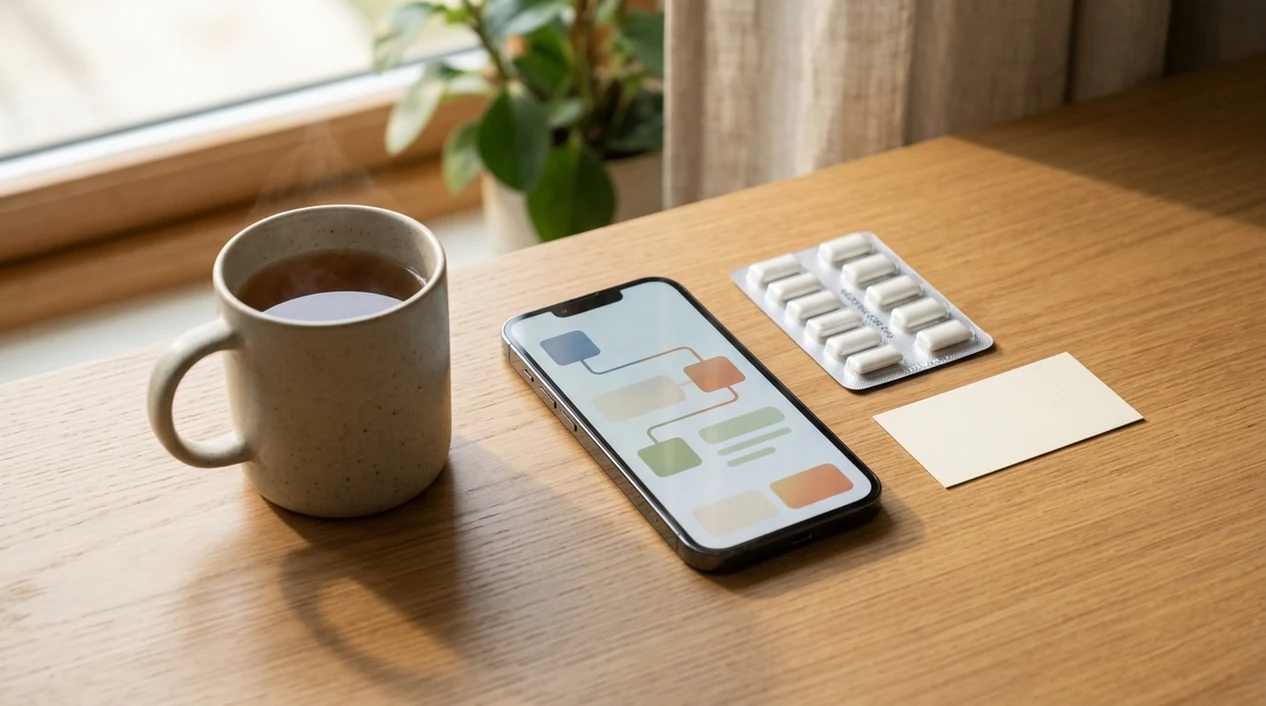
If you are asking, can quit smoking app replace doctor, the answer is no: apps can support tracking, cravings, and daily motivation, but they cannot diagnose conditions, prescribe varenicline or bupropion, or manage complex medical risks. The safest quit plan pairs an evidence-based app with a doctor, pharmacist, or free quitline coaching.
This article is educational and cannot tell you which medicine, nicotine dose, or clinical plan is safe for your personal history. If you are pregnant, have heart or lung disease, take prescription medicines, or feel severe mood changes while quitting, use this as preparation for a clinician or quitline conversation.
> Definition: A quit smoking app is a mobile tool that uses behavioral science techniques, including craving tracking, progress logging, and motivational coaching, to help users reduce and stop cigarette or vaping use. It is not a licensed medical provider.
TL;DR
- Apps boost engagement and daily accountability but cannot prescribe, diagnose, or handle emergencies.
- Counseling plus FDA-approved quit medicines can more than double your chances of quitting successfully.
- The safest approach pairs a quit smoking app with doctor visits or free quitline coaching, including 1-800-QUIT-NOW.
3-Way Comparison: Quit Smoking App vs Doctor vs Quitline
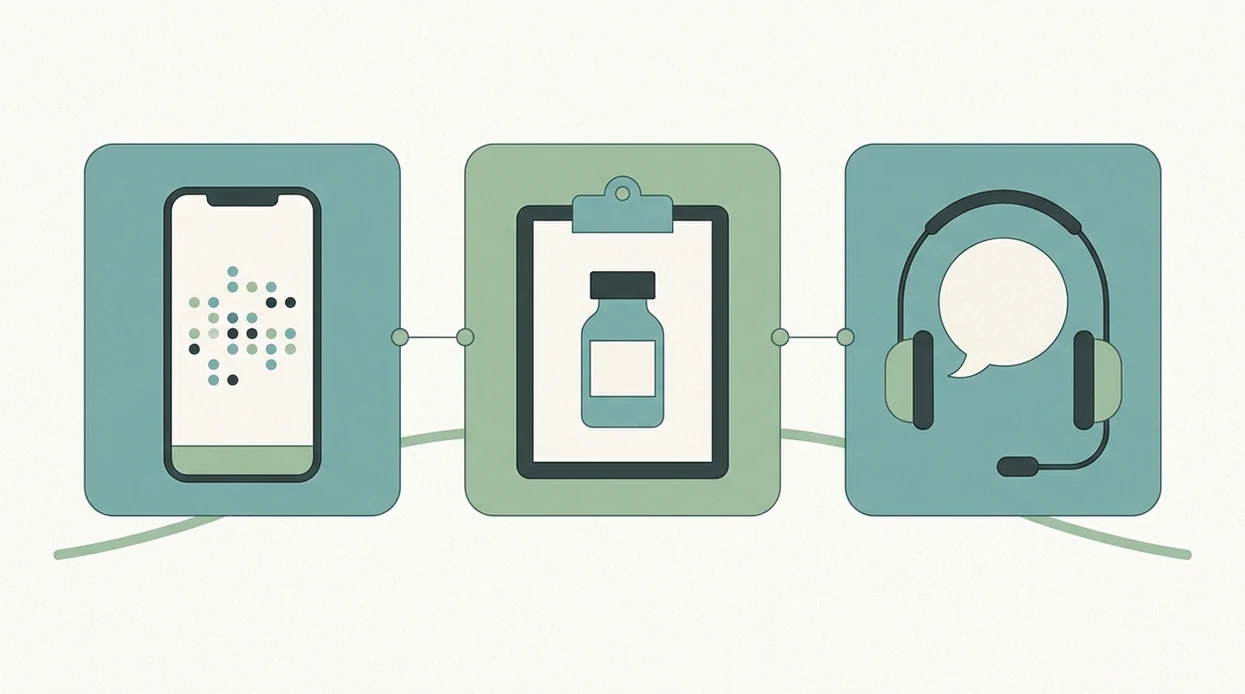
A quit smoking app helps with daily behavior, a doctor handles medical decisions, and a quitline adds live coaching. None of the three does the whole job alone, especially if medication or health risks are involved.
| Support channel | What it can do | What it cannot do |
|---|---|---|
| Quit smoking app | Track cravings, triggers, moods, money saved, and smoke-free streaks. Offer coping prompts when your thumb is shaky on the urge slider. | Diagnose disease, prescribe varenicline or bupropion, adjust doses, or manage urgent symptoms. |
| Doctor or pharmacist | Screen health risks, review medications, prescribe quit medicines, and manage side effects. | Sit in your pocket during the after-dinner craving wave. |
| Quitline | Provide free coaching, planning, accountability, and sometimes free nicotine replacement therapy. | Examine you, order tests, or replace emergency care. |
Counseling plus FDA-approved quit-smoking medicines can more than double quit success compared with trying without support, per the CDC source. The most common medically supported way to quit is medication combined with counseling and daily behavior support.
5 Facts About Quit Smoking Apps and Medical Advice
Quit smoking apps can support behavior change, but quit smoking app medical advice has clear safety limits. Good apps help you track what actually happened, not replace a clinician who can examine you.
- Apps increase engagement. Most users benefit from reminders, craving logs, and streak tracking, especially during the first week when automatic smoking routines still fire.
- Prescriptions require licensed care. Only licensed professionals can prescribe or adjust varenicline, bupropion, or combination nicotine replacement therapy.
- Clinic apps are conversation tools. e-Quit worRx™ was built to improve provider discussions, not remove the provider from the quit plan.
- Apps cannot rule out medical risks. A chatbot cannot check your lungs, order an ECG, or confirm whether a medicine is safe for your history.
- Some users need professional guidance from day one. Pregnancy, heart disease, COPD, diabetes, depression, or past medication side effects make app-only quitting too risky.
For app evidence details, the bigger question is often are quit smoking apps evidence-based, not whether every app can act like medical care.
Quit Smoking App Mechanics: ACT, CBT, Craving Logs, and Dashboards
Quit smoking apps work by interrupting habit loops and turning cravings into logged events. The basic flow is simple: you record the trigger, the app gives a coping prompt, and your dashboard shows patterns over time.
Many apps borrow from acceptance and commitment therapy, cognitive behavioral techniques, and relapse-prevention planning. ACT helps you notice the craving without obeying it. CBT-style tools help you change the thought that says, “I already messed up, so I might as well smoke the rest of the day.” The pocket check is real.
The iCanQuit trial found an ACT-based app was nearly four times more effective than unaided quitting, according to Fred Hutch research reporting source. That does not mean an app can choose medication for you. It means structured phone support can help behavior change.
Accuracy still depends on honest logging. If the lighter bought with gas station snacks never gets recorded, the dashboard misses the real trigger. Clinical decision aids such as e-Quit worRx™ are different because they feed information into provider conversations.
5 Steps to Use a Quit Smoking App With Your Doctor
Use a quit smoking app as your daily tracker, then bring that data into medical care. Clinicians typically recommend combining behavioral support with approved quit medicines when appropriate, because cravings and withdrawal often need both daily tools and medical oversight.
- Download an evidence-based app such as Stop Smoking App and set your quit day before motivation fades.
- Log daily cravings, triggers, and moods for at least one week before your doctor or pharmacist visit.
- Share your app data so your provider can see patterns before discussing nicotine patches, gum, lozenges, varenicline, or bupropion.
- Follow the medication plan while using the app for craving waves between appointments, including moments like school pickup without a vape.
- Call 1-800-QUIT-NOW or your doctor immediately if you have severe mood changes, chest pain, trouble breathing, or medication side effects.
Good quit smoking apps deliver tracking, prompts, and accountability, not diagnosis, prescriptions, or emergency judgment.
4 Myths About Quit Smoking Apps Replacing Doctors
The app vs doctor quitting smoking question gets risky when people expect software to make medical calls. Apps can guide habits, but the legal and safety line matters.
| Myth | Fact |
|---|---|
| An evidence-based app can safely recommend prescription quit medications and dosing. | Evidence-based does not mean licensed to prescribe. Dosing decisions belong with a doctor, nurse practitioner, or pharmacist. |
| A 24/7 AI chatbot can handle chest pain or suicidal thoughts. | Constant availability is not emergency care. Chest pain, trouble breathing, or suicidal thoughts need emergency services or urgent clinical help. |
| Clinic tablet apps were built to replace provider conversations. | Tools such as e-Quit worRx™ were designed to trigger better smoking-cessation talks in the clinic. |
| If an app works, there is no reason to call a quitline or doctor. | Even healthy users often quit better with coaching, medication guidance, and daily tracking together. |
A quit timer glowing on the lock screen can help at 10:40 p.m. It still cannot check whether shortness of breath is withdrawal, asthma, or something urgent.
Doctor Visit Triggers for Smokers Using a Quit Smoking App
An app-only plan may be reasonable for a generally healthy, light smoker who is not pregnant, takes no prescription medicines, and has no major mental health history. Even then, pairing the app with a quitline gives more support for cravings that show up in traffic or after lunch.
Use this decision guide:
- App may be enough for now: light smoking, no pregnancy, no chronic disease, no prescription medicines, and no severe withdrawal history.
- See a doctor or pharmacist: heavy smoking, COPD, heart disease, diabetes, depression, pregnancy, past seizures, or prior quit-medication side effects.
- Call emergency services: chest pain, severe trouble breathing, suicidal thoughts, fainting, or signs of a serious allergic reaction.
About 28.3 million U.S. adults smoked cigarettes in 2021, according to CDC MMWR data source. Many also have conditions that change the safest quit plan.
Red Flags That Mean Call Your Doctor Today
Call today if withdrawal feels unmanageable, your mood drops sharply, you start a new quit medicine, or nicotine replacement causes concerning symptoms. Reset the plan early.
3 Support Layers: Quit Smoking App, Doctor, and 1-800-QUIT-NOW
The strongest quit plan usually has three layers: daily app support, medical oversight, and live coaching. For most smokers, a quit smoking app is easier to stick with when it is part of a larger plan because the phone handles daily urges while professionals handle medical judgment.
- Layer 1: Evidence-based quit smoking app. Tools like MeQuit help track cravings, triggers, streaks, savings, and motivation between appointments.
- Layer 2: Doctor or nurse practitioner. A clinician screens health risks, prescribes when appropriate, and monitors side effects.
- Layer 3: 1-800-QUIT-NOW. Quitlines offer free coaching and may provide free nicotine patches, gum, or lozenges in some areas.
AHRQ reported that e-Quit worRx™ increased smoking-cessation discussion time with primary care clinicians and made smoking-related decisions more likely during visits source. That is the right role for technology: start the better conversation, then keep you practicing between talks.
Medical Review and Source Standards
This page is health-editor reviewed educational content, not a personalized medical exam. If a named clinician review date is shown elsewhere on the site, that clinician review applies only to the published wording, not to your symptoms, prescriptions, or emergency decisions.
We prioritize sources that can support safety claims: CDC tobacco guidance, FDA medication labeling and safety communications, AHRQ digital-health research, Cochrane-style reviews, and peer-reviewed clinical trials. Medication and emergency-care statements get an extra check before publication:
- Verify quit-smoking medicine claims against FDA labels, CDC guidance, and current clinical evidence.
- Separate general behavior support from prescribing advice, dose changes, and diagnosis.
- Flag emergency symptoms such as chest pain, severe breathing trouble, allergic reaction signs, or suicidal thoughts as urgent-care issues.
- Review quitline details, including 1-800-QUIT-NOW access and nicotine replacement availability, for changes at least every 12 months.
- Refresh smoking-cessation medicine content sooner if the FDA, CDC, AHRQ, or major trial evidence changes.
App guidance can help you notice patterns and prepare better questions. It cannot personalize prescriptions, diagnose symptoms, or decide whether a scary moment is safe to wait out.
Limitations
A quit smoking app can be useful, but relying on one alone has real limits. This matters most when symptoms, prescriptions, pregnancy, or mental health are involved.
- No app can legally diagnose disease, prescribe medicine, or adjust doses without a licensed professional.
- Many popular quit smoking apps have little or no independent clinical testing.
- Apps cannot detect complex drug interactions or co-morbidity risks such as heart disease, COPD, or diabetes.
- Effectiveness depends on honest self-reporting and consistent engagement.
- AI chatbots may sound confident while giving health guidance that was not reviewed by a clinician.
- In emergencies, including severe chest pain, suicidal thoughts, or trouble breathing, apps are not a safe substitute for 911 or urgent clinical care.
- Privacy varies by product, so review quit smoking app privacy before logging sensitive health details.
Tools like the MeQuit stop smoking app can support a smoke-free streak, but medical questions still belong with a qualified professional.
FAQ
Can an app prescribe quit smoking medication?
No. Only licensed professionals can prescribe varenicline, bupropion, or prescription-strength quit-smoking medication plans.
Are quit smoking apps evidence-based?
Some are, including iCanQuit, which has clinical trial evidence. Many popular apps have limited independent testing, so check the evidence before relying on one.
Is a quitline better than a quit smoking app?
A quitline offers live coaching and may provide free NRT, while an app offers 24/7 tracking and on-demand coping tools. Many people use both.
Should I use only a quit smoking app during pregnancy?
No. Pregnancy requires medical supervision for quitting, withdrawal symptoms, and any nicotine replacement decisions.
What should I do if I have chest pain or suicidal thoughts while quitting?
Call emergency services or seek urgent medical help. Do not use an app or chatbot as the main response to chest pain, suicidal thoughts, or severe reactions.
Do doctors recommend quit smoking apps?
Many providers encourage quit smoking apps as supplements to counseling, medication, and quitline support. MeQuit can be used this way, as a tracking and craving-management tool.
How much does medical help to quit smoking cost?
Quitlines are free, and many insurance plans cover smoking cessation counseling and medicines. Apps are often low-cost, but coverage varies.
Can I use a quit smoking app with nicotine patches or gum?
Yes, an app can track patch, gum, or lozenge use. A doctor or pharmacist should approve the NRT type and dose, especially if you have medical conditions.
Use app support without skipping medical care
Stop Smoking App helps you track cravings, triggers, progress, and motivation between doctor visits or quitline calls. It is not medical advice, but it can make your quit plan easier to follow day by day.
Get Stop Smoking App