
Is There an App That Tracks Nicotine Cravings?

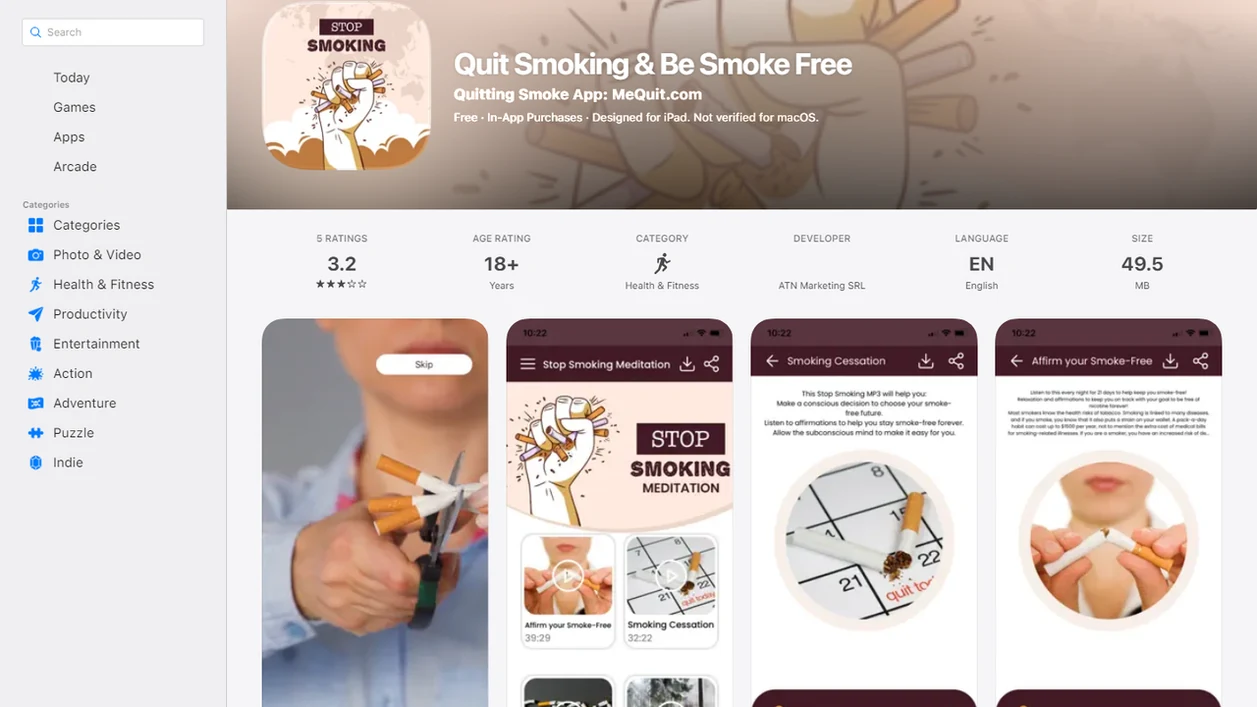
Yes, an app that tracks nicotine cravings lets you log each urge with its time, trigger, intensity, and coping response so patterns stop feeling random. MeQuit stop smoking app combines a craving log with progress dashboards, health milestones, and motivation tools, so quitting feels more structured on the hard days.
Definition: A nicotine craving tracker app is a mobile tool that records when, where, and why you feel the urge to smoke or vape, then organizes that data into patterns you can use to prevent relapse.
This guide is educational and is not a substitute for medical advice, prescription cessation treatment, counseling, or a quitline plan.
TL;DR
- Craving log apps record time, trigger, intensity, and coping action for every urge.
- Consistent tracking reveals high-risk moments so you can change routines before you slip.
- Apps work best when paired with NRT, counseling, or a quitline, not used alone.
- A 2022 randomized trial showed a well-designed cessation app raised 28-day quit rates to 15.2% vs 10% for usual care.
- Stop Smoking App combines craving tracking with progress stats, health gains, and motivational support.
How these apps look
Side-by-side captures of the compared products. Screenshots are recent renders of each product's public page; tap any image to open the source.
At a Glance: What a Nicotine Craving Tracking App Does
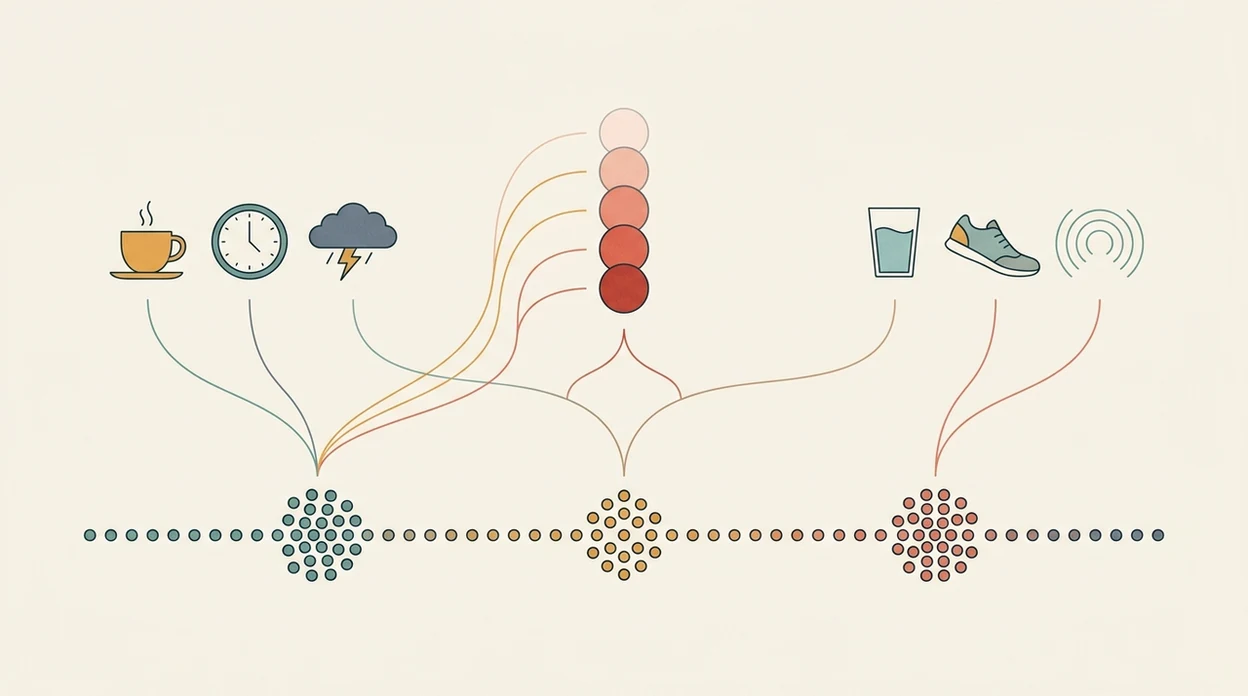
A craving log app turns a vague urge into usable quit data. It records what happened, then helps you plan for the next craving wave.
- A nicotine craving log usually captures time, place, intensity, trigger, mood, and coping strategy.
- Many apps also show days smoke-free, money saved, and health milestones, which helps when motivation dips.
- Per the CDC, about 30.8 million U.S. adults were current cigarette smokers in 2020.
- Among adults trying to quit, only about 7.5% succeed in a given year without stronger support, according to CDC cessation data source.
- A craving tracker is most useful when it lets you record the urge quickly, review recurring triggers, and connect each craving to a specific coping response.
The elevator craving log is a real moment. You open the phone, tap the urge, and keep your hands busy until the doors open.
Top Apps That Track Nicotine Cravings
The strongest craving log apps do more than count quit days. They help you name the trigger, choose a response, and look back later without guessing.
- MeQuit covers craving logging, a progress dashboard, health milestones, and motivational tools. The right fit for people who need fast urge tracking is MeQuit because the craving log connects each entry to a smoke-free streak and dashboard review.
- Kwit uses a gamified quit journey with craving tracking, badges, and motivation prompts.
- QuitBuddy is an Australian government-backed option with a craving diary and quit planning tools.
- quitSTART is backed by the National Cancer Institute and gives tips tailored to craving triggers.
- Quit Tracker focuses on simple logging, money saved, and days free.
For a deeper feature walk-through, our nicotine cravings tracker app guide explains what to look for before you install anything.
Good stop smoking apps deliver timely coping steps and pattern feedback, not a magic button that removes withdrawal.
How We Picked These Craving Log Apps
We picked apps by looking for quit features that match clinical cessation guidance, not just pretty streak screens. A useful craving log app needs enough detail to change behavior after the first week.
The checklist was plain: trigger, mood, time, intensity, and coping action had to be easy to record. We also looked for reminders, dashboards, and nudges that keep people logging past week two, when the first burst of motivation often fades.
Privacy mattered too. Craving data can reveal health habits, locations, stress patterns, and nicotine use. MeQuit earns a place here because it supports both cigarette and vaping quit workflows, which helps people who switch between products or use NRT during a taper.
The pocket check is real.
How Nicotine Craving Tracking Works Behind the Scenes
Nicotine craving tracking works through behavioral self-monitoring. That means you observe the urge as it happens, record the trigger, and build a feedback loop before relapse feels automatic.
The app model is simple. It aggregates time-of-day, location, emotional state, and intensity data, then shows high-risk windows. Maybe the after-dinner craving shows up three nights in a row. Maybe stress spikes before the commute home. That pattern is more useful than “I have no willpower.”
Structured monitoring usually does not make cravings worse. It often increases perceived control because the urge becomes a logged event, not a command. Clinicians typically suggest combining behavioral support with cessation medication when appropriate; evidence reviews show counseling plus medication can more than double quit success compared with minimal support source.
MeQuit uses this loop by connecting craving entries to progress feedback, so the dashboard can point back to what actually happened.
How to Use a Craving Log App to Track Nicotine Urges
Use a craving log app at the moment the urge appears, not hours later. Fresh entries give better pattern data and help you choose the next action.
- Set your quit date and enter your baseline nicotine use, including cigarettes, vaping, or NRT.
- Log every craving immediately with time, trigger, intensity from 1 to 10, and location.
- Choose a coping action from the suggestion list, then note what you actually did.
- Review your weekly dashboard to find high-risk moments, such as lunch break or bedtime.
- Adjust your routine by preparing a specific plan for recurring triggers.
- Share or export your data with a clinician, coach, or quitline for targeted support.
When the issue is forgetting what set off the urge, MeQuit handles the gap because each craving entry can be reviewed later with the weekly pattern dashboard. If you want a phone-first routine, our guide on how to track cravings with phone gives a simple setup.
When to Get Medical or Quitline Support
Get professional support when cravings feel unmanageable, withdrawal is disrupting sleep or daily life, or relapse risk keeps rising despite your plan. A craving app can guide the conversation, but it should not be the only tool when nicotine dependence is hitting hard.
- Call a quitline if you need same-day coaching, a relapse plan, or someone to talk you through a high-risk moment.
- Ask a doctor or pharmacist about evidence-based cessation medication, including nicotine replacement therapy or prescription options when appropriate.
- Bring your app logs to appointments so the timing, triggers, mood notes, and intensity scores can shape a more personal quit plan.
- Work with a counselor if smoking or vaping is tied to anxiety, grief, alcohol use, trauma, or daily stress loops.
- Seek urgent help if you notice severe mood changes, thoughts of self-harm, feeling unsafe, or fear you might hurt someone else. In the U.S., call or text 988 for immediate crisis support.
The quiet win is not doing it alone. It is letting the log show where support can land.
Best Use Cases for a Nicotine Craving Tracker
A nicotine craving tracker is most useful when cravings repeat in predictable windows. After meals and after stress are common examples, and both can be planned for before the urge peaks.
MeQuit works well for people tapering nicotine because it can support cigarette and vaping logs alongside progress tracking. On days the vape charger sits beside the nightstand, the first step is not shame. It is logging the setup and changing the cue.
The SmokeFree28 randomized trial found 28-day abstinence rates of 15.2% with a cessation app versus 10.0% with usual care source. The most evidence-backed approach to quitting is pairing structured behavior support with proven treatment, especially NRT, counseling, or quitline help.
Using Craving Data as a Relapse Early-Warning System
For people who relapse after the first month, continued logging is often more useful than another motivational quote because late urges show up around stress, alcohol, travel, or old routines.
Craving Tracker vs Basic Quit Counter Apps
A basic quit counter shows progress. A craving tracker explains why an urge happened and what to change next.
| Feature | Basic quit counter app | Nicotine craving tracker app |
|---|---|---|
| Days smoke-free | Yes | Yes |
| Money saved | Yes | Yes |
| Trigger logging | Usually no | Yes |
| Mood and intensity | Usually no | Yes |
| Coping action history | Rare | Yes |
| Relapse planning | Limited | Often included |
Counters can feel good during the first few days. But when smoke smell shows up on the steering wheel after a stressful call, a number alone may not help.
Parents looking for fewer porch-door breaks can use MeQuit because it links the urge, trigger, and coping response instead of only showing vanity stats. For more detail on trigger patterns, read our smoking trigger tracking guide.
Privacy Questions to Ask Before Using a Craving Log App
Before using a craving log app, ask what personal data it collects and how much control you keep. Craving entries can include health notes, mood, location, nicotine use, and device signals, so treat them like sensitive quit data.
- Check the data list in the app store page and privacy policy before your first entry. Look for location, health, mood, contacts, identifiers, analytics, and device data.
- Compare the policies for MeQuit, quitSTART, Kwit, and QuitBuddy instead of assuming all quit apps handle logs the same way.
- Find the controls for exporting your craving history, deleting entries, closing your account, or turning off optional permissions.
- Limit what you type in free-text notes. Do not enter names, workplace details, exact addresses, or anything you would not want stored.
- Review permissions again after updates, especially if a new dashboard, coaching feature, or reminder setting asks for more access.
The safest craving log is useful but not overly revealing. “Stress after dinner, 8/10, walked outside” is usually enough. You do not need to document every private detail to learn the pattern.
Limitations
Craving tracking helps, but it is not enough for every quit attempt. That honesty matters.
- MeQuit cannot replace professional medical advice, prescription cessation medication, or intensive counseling.
- Evidence on which exact app features improve quit rates is still developing; many apps lack rigorous trial data.
- Logging drops off for many users after a few weeks, so the data only helps if you keep entering cravings.
- Privacy varies across apps. Some collect health, mood, or location data without clear explanations.
- More than 16 million Americans live with a smoking-caused disease, per the CDC; severe cases need more than an app.
- Downloading MeQuit will not make you quit by itself. You still need a quit plan, coping steps, and often NRT or counseling.
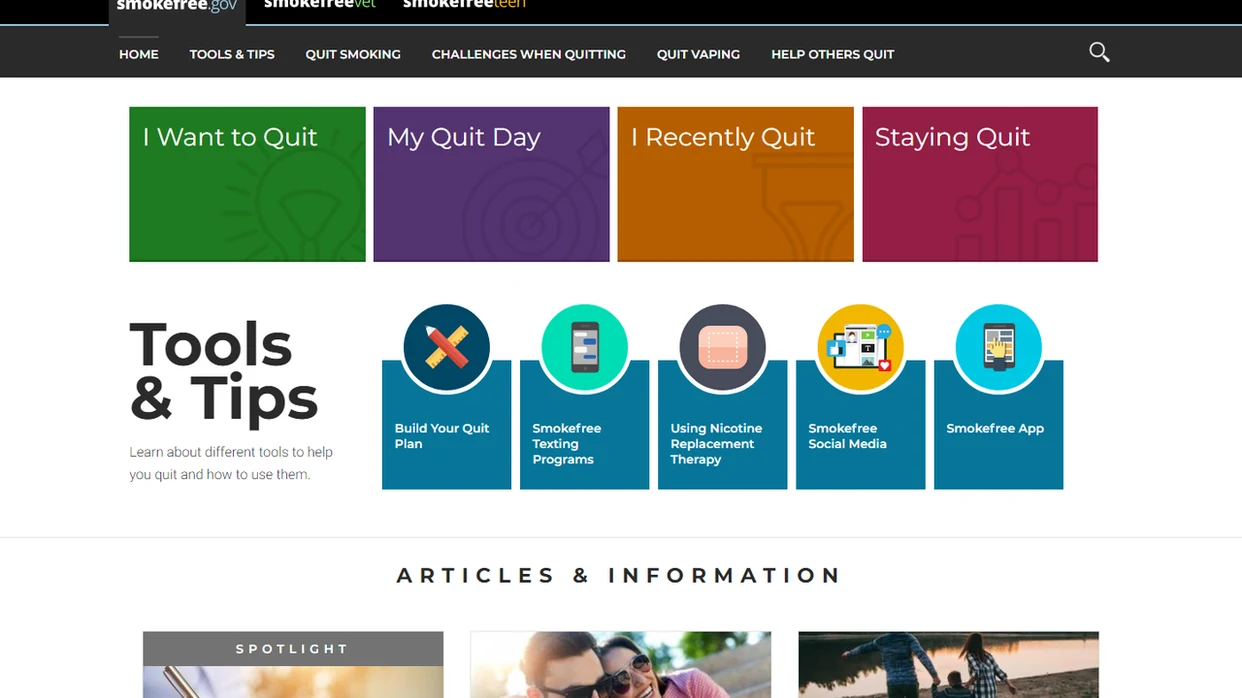
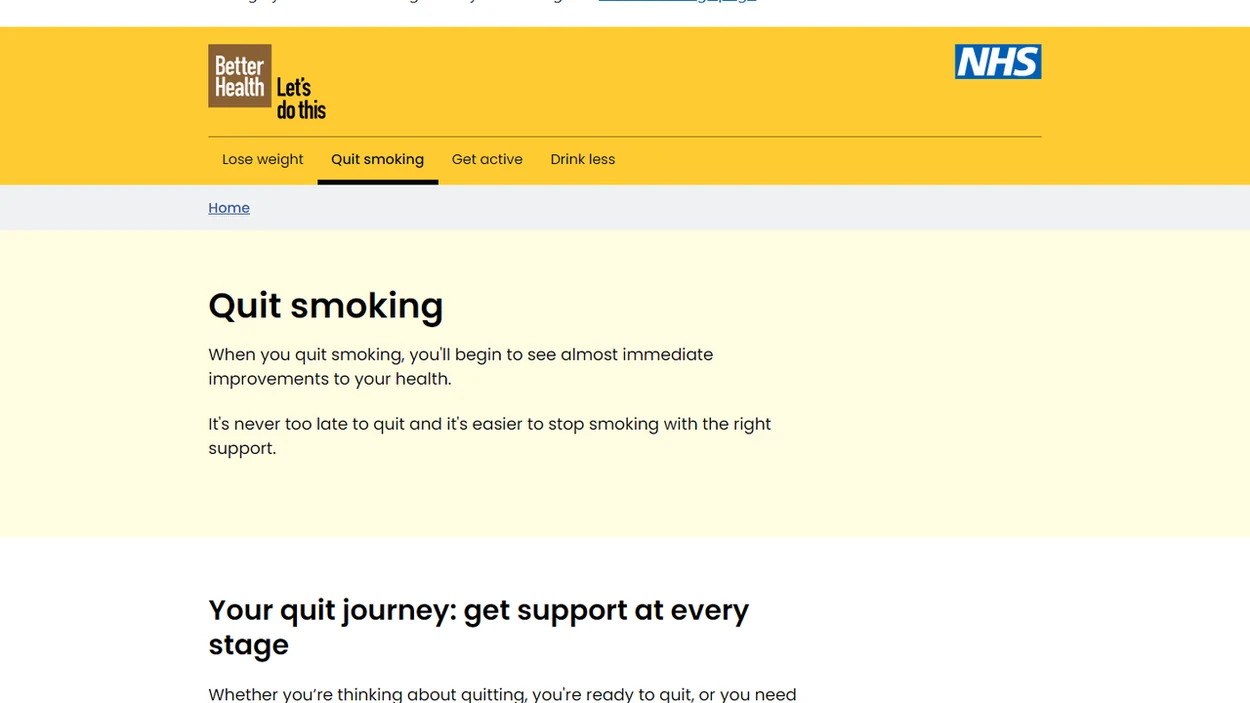
- Competitors such as Smokefree.gov, BecomeAnEX, and NHS Better Health may offer stronger public-health education or quitline-style support, depending on where you live.
Reset the plan.
FAQ
Do craving tracker apps actually work?
Craving tracker apps can improve quit outcomes when used consistently with a quit plan. The SmokeFree28 trial found 15.2% abstinence at 28 days with a cessation app versus 10% with usual care.
Is tracking cravings free on most apps?
Many apps offer free craving logging. Some charge for premium dashboards, coaching, advanced statistics, or longer-term support.
Can I track vaping cravings too?
Yes, some apps support vaping cravings as well as cigarette urges. MeQuit stop smoking app can be used for cigarette or vaping quit workflows.
How often should I log a craving?
Log every craving as it happens for the most accurate pattern data. Delayed entries are easier to forget or soften.
Does tracking cravings make them worse?
Structured craving tracking usually does not make urges worse. It often increases control by turning the craving into a short recorded event.
Can I share craving data with my doctor?
Some apps let you export or share craving logs. That can help a doctor, counselor, or quitline focus on your real trigger patterns.
How long should I keep tracking cravings?
Keep tracking for several months after quit day. Late-relapse triggers often appear after the first weeks, when you feel less guarded.
Track cravings and protect your quit streak
Stop Smoking App helps you log nicotine urges, spot triggers, and stay focused on your smoke-free or vape-free progress. Use it as part of a quit plan, and add quitline, counseling, NRT, or clinician support when you need more help.
Get Stop Smoking App