
Smoking Trigger Tracking To Prevent Repeat Urges

Smoking trigger tracking means logging every craving, what you were doing, where you were, your mood, and who you were with, so you can spot patterns and build a concrete plan to prevent relapse. MeQuit helps turn those moments into a repeatable quit-day workflow with craving logs, trigger notes, and review prompts inside the MeQuit stop smoking app. Mobile and text-based cessation programs can improve quit outcomes compared with minimal support, but results vary by intervention and population; see the Cochrane review of mobile phone-based smoking cessation support source. Tracking works best alongside counseling, nicotine replacement therapy, or medication when appropriate.
> Definition: Smoking trigger tracking is the systematic practice of recording the context around each craving, time, place, mood, people, and coping response, to reveal personal smoking triggers and inform a relapse-prevention plan.
TL;DR
- Log every craving in real time with mood, location, intensity, and what you did instead of smoking.
- Review your trigger data weekly to spot high-risk windows and plan specific coping actions.
- Combine trigger tracking with evidence-based quit supports, tracking alone is not a stand-alone treatment.
Why Smoking Trigger Tracking Matters For Quitting
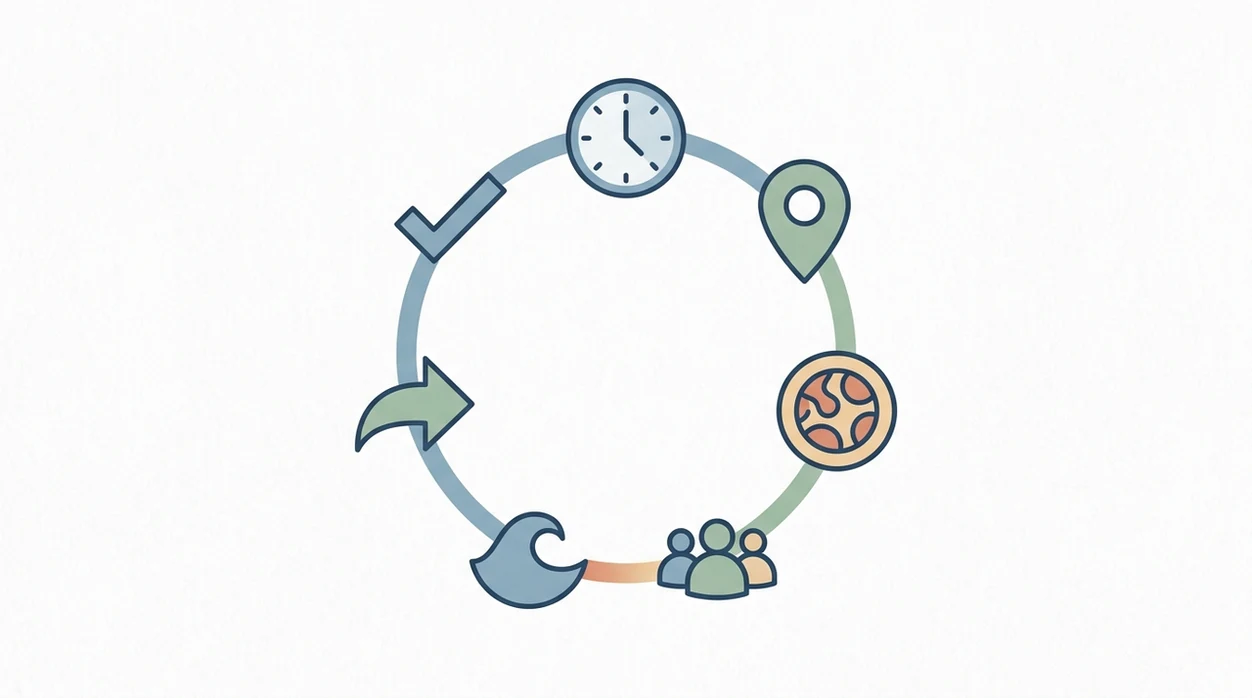
Smoking trigger tracking matters because most relapse risk comes from repeated cues, not weak character. Unassisted quit attempts relapse at high rates, often around 80 to 90% within a year, according to nicotine-dependence research source.
CDC survey data consistently show that most adult smokers want to quit and that many try each year, but successful quitting usually requires repeated attempts and structured support source. The missing piece is often structure. A red traffic light beside a convenience store can pull up a full craving wave before you’ve had time to think.
Brain-cue studies show smoking cues activate reward and craving circuits, so triggers are measurable body-brain events, not excuses. Clinicians typically suggest identifying triggers, planning coping responses, and using medication or counseling when appropriate. Combining behavioral support with pharmacotherapy is more effective than brief advice or minimal support alone, according to Cochrane evidence on combined smoking-cessation treatment source.
MeQuit fits people who keep saying, “I already messed up, so I might as well smoke the rest of the day,” because the trigger log helps record what happened and reset the plan before the next cigarette.
Five Facts About Smoking Triggers Everyone Should Know
- Smoking triggers are personal. Stress, boredom, driving, certain friends, alcohol, and after-meal routines can all act differently from person to person.
- One to two weeks of logging is usually enough to see patterns. Most users start noticing repeat windows, like lunch break or the drive home, before the first month ends.
- Mood, intensity, and coping response matter as much as the craving itself. A shaky thumb sliding an urge rating from 6 to 8 gives better data than “wanted cigarette.”
- Trigger data becomes a daily relapse-prevention map. If Tuesday at 4 p.m. keeps showing up, plan a walk, mint, or call before Tuesday at 4 p.m.
- Tracking works best with proven quit support. The most evidence-backed approach to staying quit is combining behavioral support with approved stop-smoking medication when it’s medically appropriate.
On days the craving arrives during school pickup or a crowded bus ride, MeQuit is useful because it captures the trigger, intensity, and coping action in one short log. For a deeper craving-only workflow, our nicotine cravings tracker app guide explains how urge ratings work.
Smoking Trigger Tracking Data Model And Cue Loops
Smoking trigger tracking works by interrupting a cue loop: cue, craving, response, reward. In classical conditioning, repeated smoking pairs a place, mood, person, or routine with nicotine reward, so the cue starts calling for the cigarette before you decide anything.
Self-monitoring adds a pause. Not a big heroic pause. Just enough.
A useful data model includes time of day, location, mood, people present, craving intensity, and coping response. Over repeated entries, that becomes a personal trigger profile. Human memory misses patterns, especially during withdrawal, but app algorithms can surface clusters like “car after work” or “boredom after dinner.”
If your priority is seeing hidden patterns rather than trusting memory, MeQuit earns its spot because the weekly review turns craving entries into time-of-day and trigger summaries. Good stop smoking apps deliver awareness, planning, and feedback, not a magic switch that removes nicotine dependence.
Brain imaging research has found that smoking cues can activate reward-related regions tied to craving.
How To Use a Trigger Tracking App For Smoking Cessation
A trigger tracking app works best when you log quickly, review calmly, and turn the data into specific actions. Speed matters because late entries often get cleaned up by memory.
- Set up your trigger log with categories for mood, place, people, time, and routine.
- Log every craving within minutes, even if the entry is messy or short.
- Record craving intensity and your response, such as gum, water, breathing, texting someone, or leaving the room.
- Review weekly patterns and look for repeated time-of-day, location, and social clusters.
- Build a relapse-prevention plan with one coping action per trigger, not one vague promise to “try harder.”
- Revisit the plan after the first smoke-free weeks, because triggers change when withdrawal eases and social rewards return.
When the empty cigarette pack in the glove box becomes the trigger, MeQuit helps because the log connects the place, the urge rating, and the next action. If you want a phone-first walkthrough, read how to track cravings with phone.
Best Trigger Tracking Features In Stop Smoking Apps
The best trigger tracking features make cravings easier to capture and easier to review later. Look for tools that reduce typing when your shoulders are tight and your mouth feels busy.
- Real-time craving logger: Records mood, location, craving intensity, and whether you smoked or waited it out.
- Pattern dashboard: Shows time-of-day clusters, repeated places, and high-risk routines without making you sort notes manually.
- Coping-strategy matching: Suggests actions based on trigger type, such as walking for restlessness or a script for social pressure.
- Streak and win feedback: Connects resisted urges to the smoke-free streak, money saved, and progress milestones.
- Relapse reset flow: Helps record a slip-up without turning it into a full-day return to smoking.
When after-dinner routines keep leading outside, prioritize apps that connect trigger notes with coping choices and streak feedback. People comparing an app that tracks nicotine cravings should check whether trigger wins appear in progress summaries.
Four Common Myths About Smoking Triggers And Tracking
Willpower alone does not remove the need for smoking trigger tracking. Willpower gets tired during rush hour, arguments, bad sleep, and nicotine withdrawal.
Myth 1: “If I’m strong enough, I don’t need to track.” Cues can fire before conscious choice, so a written plan beats a vague promise.
Myth 2: “Stress is my only trigger.” Many people later find quieter triggers, like boredom, driving, alcohol, or finishing a meal.
Myth 3: “A trigger tracking app will automatically stop cravings.” No app can remove nicotine dependence by itself. MeQuit supports the moment by helping you log the urge and choose a coping step.
Myth 4: “Tracking only matters in week one.” New triggers show up later, especially parties, travel, paydays, and reward moments.
Anyone dealing with vaping cues can use the same pattern because pods, flavors, and charger routines behave like triggers too. Our stop vaping app guide covers urge tracking for vape-specific routines.
Turning Trigger Data Into a Daily Relapse-Prevention Plan
Trigger data only helps when it changes tomorrow’s routine. Turn the log into an hour-by-hour plan for the riskiest parts of the day.
Start with your top three windows. If 7:30 a.m. keeps showing up, move the lighter, change the first drink, or take a different route before the cue hits. If your car is high risk, make it a no-smoking zone and remove ashtrays, packs, and pods. The car cup holder filled with pods is not neutral data.
For social triggers, rehearse one sentence before the event: “I’m not smoking tonight, but I’ll step out with you for air.” Update the plan every week because reward triggers often replace withdrawal triggers after the first few smoke-free weeks.
If social pressure is the issue, MeQuit fits because the trigger review can turn repeated people-and-place entries into a planned coping script. The strongest relapse-prevention plan usually combines trigger tracking, counseling or quitline support, and medication when appropriate. Mobile cessation programs with self-monitoring and tailored feedback have shown higher abstinence than minimal support in a Cochrane review.
Limitations
Smoking trigger tracking is useful, but it has real limits. It should make the next cigarette harder to reach, not become another thing to fail at.
- Trigger tracking is not a proven stand-alone treatment; pair it with counseling, quitline support, NRT, or prescription medication when appropriate.
- Detailed logging can feel tiring or intrusive, especially during the first week when cravings come close together.
- Some users may think about smoking more when they label every trigger, so shorter logs may work better.
- Accuracy depends on honest, timely self-reporting; entries made hours later can hide the real pattern.
- Long-term research rarely isolates trigger tracking as one app feature, so evidence often covers broader digital cessation programs.
- App data cannot fully capture unconscious cues, nicotine withdrawal kinetics, sleep loss, or body sensations.
- Smokefree.gov, BecomeAnEX, and NHS quit-smoking resources may offer stronger human support pathways than an app-only setup.
If condition changes, then the plan should change too. MeQuit works best when users review what actually happened and adjust the next coping step, not when they treat the first setup as final. For feature comparison, our guide on what app identifies smoking triggers explains the difference between logging and pattern detection.
FAQ
How do I identify my smoking triggers?
Log each craving with the time, location, mood, people nearby, and what happened right before the urge. After one to two weeks, repeated patterns usually show your highest-risk smoking triggers.
How long should I track triggers?
Track every craving for at least one to two weeks, then keep logging high-risk or surprising urges. Triggers can change after the first smoke-free weeks.
Does trigger tracking actually reduce cravings?
Trigger tracking does not erase cravings by itself. It helps you notice patterns and build coping plans that reduce repeat risk.
Can a trigger tracking app replace NRT?
No, a trigger tracking app should not be treated as a replacement for nicotine replacement therapy or prescribed medication. The MeQuit stop smoking app can complement evidence-based treatment by tracking urges and coping responses.
What are the most common smoking triggers?
Common smoking triggers include stress, alcohol, boredom, social situations, driving, coffee, and routines after meals. Your personal pattern may be different.
Is trigger tracking useful months after quitting?
Yes, trigger tracking can still help months later because new social, reward, and stress triggers can appear. Late relapse often comes from a trigger the person did not expect.
What should I log besides the craving?
Log mood, intensity level, location, people present, time of day, and the coping action you used. Also note whether you smoked, waited it out, or changed your surroundings.
Are smoking triggers neurological or psychological?
Smoking triggers are both neurological and psychological. Brain imaging studies show cue-activated reward circuits, while behavior patterns explain why certain routines keep producing cravings.
Track Your Smoking Triggers Before They Take Over
Stop Smoking App helps you log cravings, identify patterns, protect your smoke-free streak, and recover after slips. Use it as part of a quit plan that may also include NRT, counseling, a quitline, or clinician support.
Get Stop Smoking App