
Hypnosis to quit smoking: does it work?
By the Stop Smoking App team · Updated
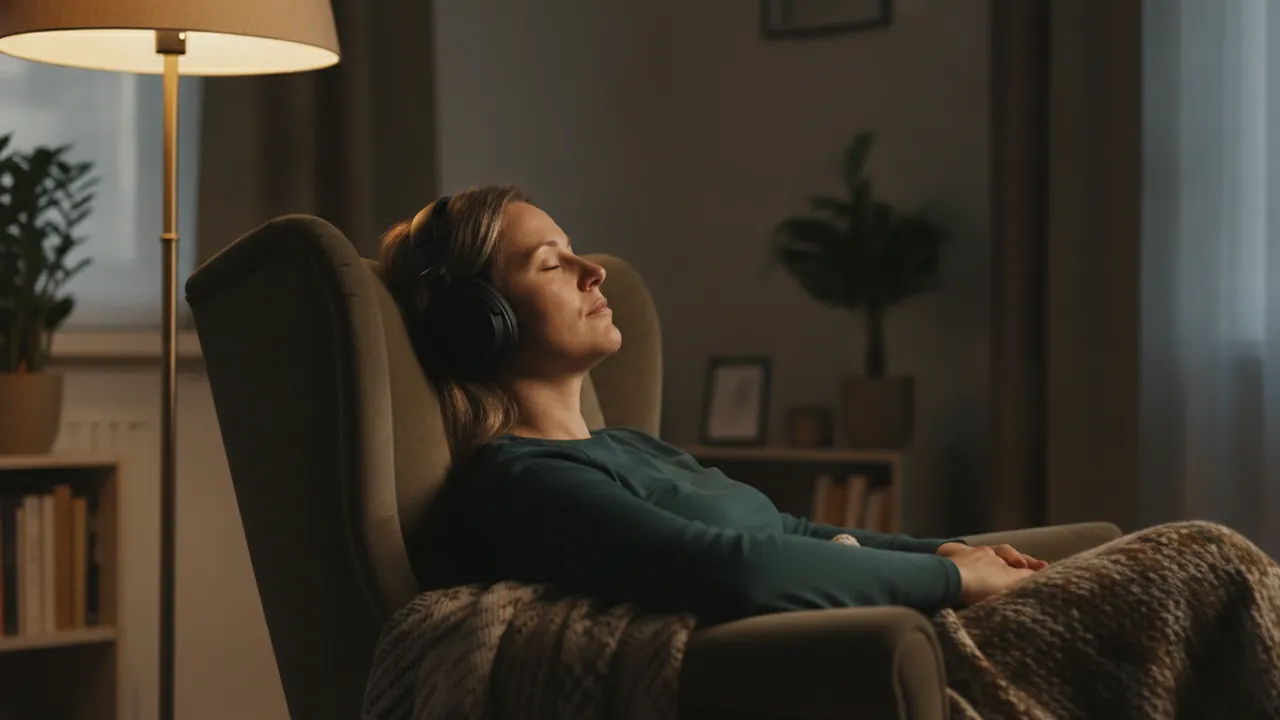
Hypnosis to quit smoking has not been shown to work better than other help. The 2019 Cochrane review of 14 studies found insufficient evidence that hypnotherapy beats counseling, brief advice or quitting on your own, and any benefit is likely small. Some people do quit after hypnosis, so it is a reasonable extra if you want it, as long as it does not replace medication or counseling.
What a hypnosis session involves
A hypnotherapist usually starts by asking how and why you smoke, what your triggers are and what you hope to change. Then they guide you into a relaxed, focused state with their voice, and give suggestions such as feeling calm without a cigarette, or that smoke is unpleasant. Many practitioners teach a short self-hypnosis routine to use at home, and some give you a recording. Trials have used anything from one session to eight, with some adding follow-up calls or nicotine patches.
Hypnosis is not mind control, and you stay aware and in control. Whether it works depends heavily on the person, and much of the effect may come from relaxation, expectation and having a clear plan for the day you quit.
What the research found
The 2019 Cochrane review pooled 14 trials with 1,926 people. In six trials with 957 people, hypnotherapy compared with other behavioral treatment at six months or longer gave a risk ratio of 1.21 with a wide margin of error (0.91 to 1.61), which means the result could just as easily be no difference. Against brief advice, the risk ratio was 0.98, and against intensive counseling it was 0.93. One tiny trial of 40 people showed a large effect, but Cochrane rated it very low quality with a high risk of bias.
A later randomized trial compared hypnotherapy with cognitive behavioral therapy and found similar results: continuous abstinence of 15.0% for hypnotherapy and 15.6% for therapy, and seven-day abstinence of 16.7% against 21.2%, with no significant difference. The US National Center for Complementary and Integrative Health describes the evidence as insufficient and mixed. Put simply, hypnosis performs about as well as other talk-based help in the studies we have, and none of them show that it is better.
Self-hypnosis, recordings and apps
Trials that tested self-hypnosis or a self-hypnosis tape exist, but they are small and do not show a reliable long-term benefit. Evidence for hypnosis-based apps specifically is thinner still, because the trials above tested live sessions and recordings, not apps. This matters if you are considering one, such as the iPhone app Quit Smoking: Be Smoke Free, whose App Store listing describes an approach based on hypnosis. That does not make an app useless; it means you should treat it as an add-on. Our guide to whether stop smoking apps work covers what the research says about apps in general.
Cost and insurance
Prices vary by city, practitioner and format, and most sessions are paid out of pocket. Group sessions and recordings cost less than one-to-one work. Insurance coverage depends on your plan and on whether the practitioner is a licensed clinician, so call your insurer before you book. By comparison, counseling through a state quitline is free, and many insurance plans cover proven treatments such as patches and prescription pills at no cost.
How to choose a practitioner
- Pick someone who is a licensed health professional or holds a recognized hypnotherapy credential.
- Walk away from anyone who guarantees success or says one session is enough for everyone.
- Do not stop prescribed medication on a hypnotist's advice. Talk to your doctor instead.
- Ask what follow-up they offer, since relapse risk is highest in the first weeks.
Hypnosis is generally low risk. Some people feel drowsy, dizzy or anxious afterward, and people with certain mental health conditions should talk to a doctor first.
A sensible way to use it
If hypnosis appeals to you, use it as one part of a plan. Set a quit date, add medication such as the nicotine patch or varenicline, and arrange counseling or a quitline call. Books such as Allen Carr's are another popular self-help route, and the best books to quit smoking compares several. Then use hypnosis, a recording or a similar relaxation habit to practice staying calm during cravings. That combination uses the evidence where it is strongest and still gives you the hypnosis you wanted. If you are still weighing up options, the stop smoking app and quitting guides start with the basics, and how to make a quit smoking plan helps you pick a date.
Frequently asked questions
Does being hypnotized really work to quit smoking?
The evidence is unclear. A 2019 Cochrane review found no proof that hypnotherapy works better than counseling or other support, though a small benefit cannot be ruled out. Some people do quit after it, so treat it as an extra, not a replacement.
How many hypnosis sessions does it take to quit smoking?
Trials have used anywhere from one session to eight. There is no standard number, and no evidence that more sessions work better. A practitioner promising success after one session is overselling.
How much does hypnosis to stop smoking cost?
Prices vary widely by practitioner, city and format. Group sessions and recordings cost less than private sessions. Compare that with a state quitline, which is free, and with patches or pills that many plans cover.
Does insurance pay for hypnosis to quit smoking?
Rarely, and it depends on the plan and the practitioner's license. Call your insurer and ask about the billing code before you book. Counseling and medication for quitting are far more likely to be covered.
Is hypnosis for quitting smoking safe?
It is generally low risk. Some people feel sleepy, dizzy, anxious or distressed afterward. Check with a doctor first if you have a serious mental health condition, and avoid practitioners who tell you to stop prescribed medication.