Vaping Vs Smoking Risks And Why Quitting Both Matters
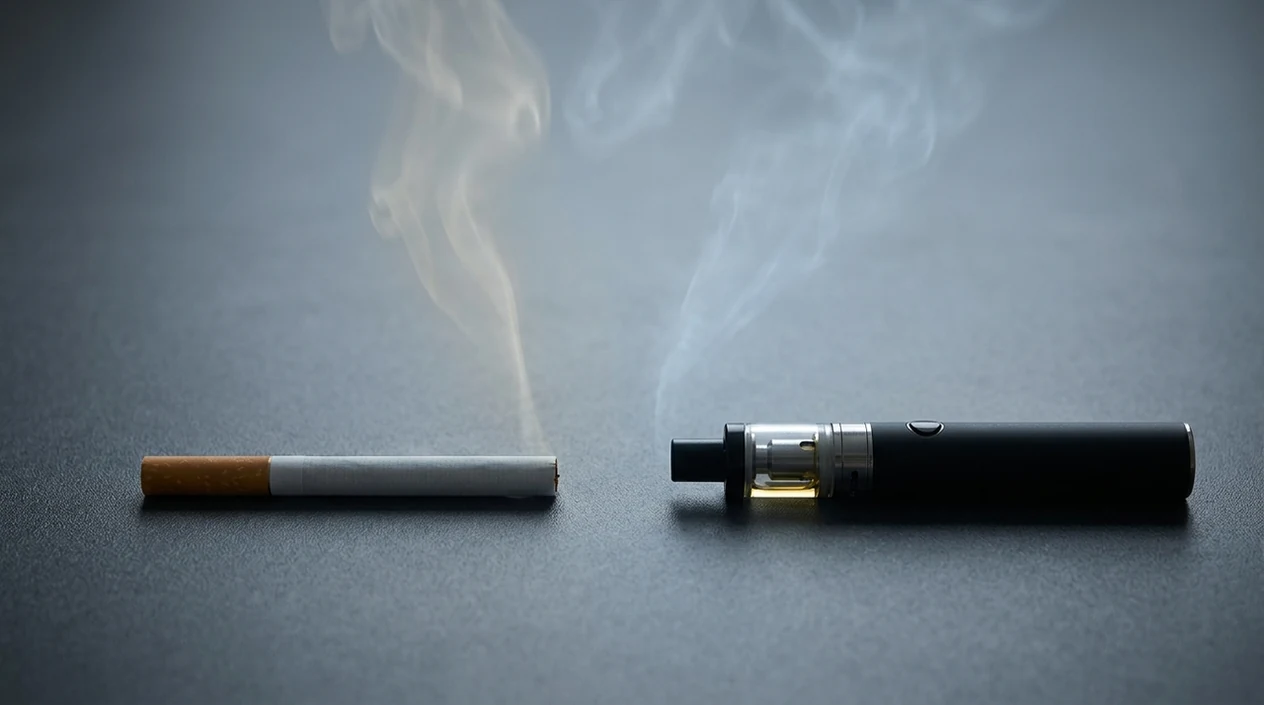
When comparing vaping vs smoking risks, cigarettes expose you to far more toxic chemicals and proven carcinogens, but vaping still delivers nicotine, ultrafine particles, and heavy metals that can strain your lungs and heart. Neither habit is safe, and the risk drops most when you quit both entirely using behavioral support, approved medications, and structured cessation help like the MeQuit stop smoking app.
Definition: Vaping vs smoking risks refers to the comparative health harms of inhaling e-cigarette aerosol versus combustible tobacco smoke, including differences in chemical exposure, addiction potential, and long-term disease outcomes.
TL;DR
- Cigarette smoke contains 7,000+ chemicals including 70 known carcinogens; vape aerosol has fewer toxins but still includes nicotine, formaldehyde, and heavy metals.
- Switching from smoking to vaping trades one nicotine delivery system for another without becoming nicotine-free.
- The safest long-term choice is quitting both entirely with evidence-based quit tools, not replacing one habit with another.
At-a-Glance Comparison Table: Vaping Vs Smoking Risks
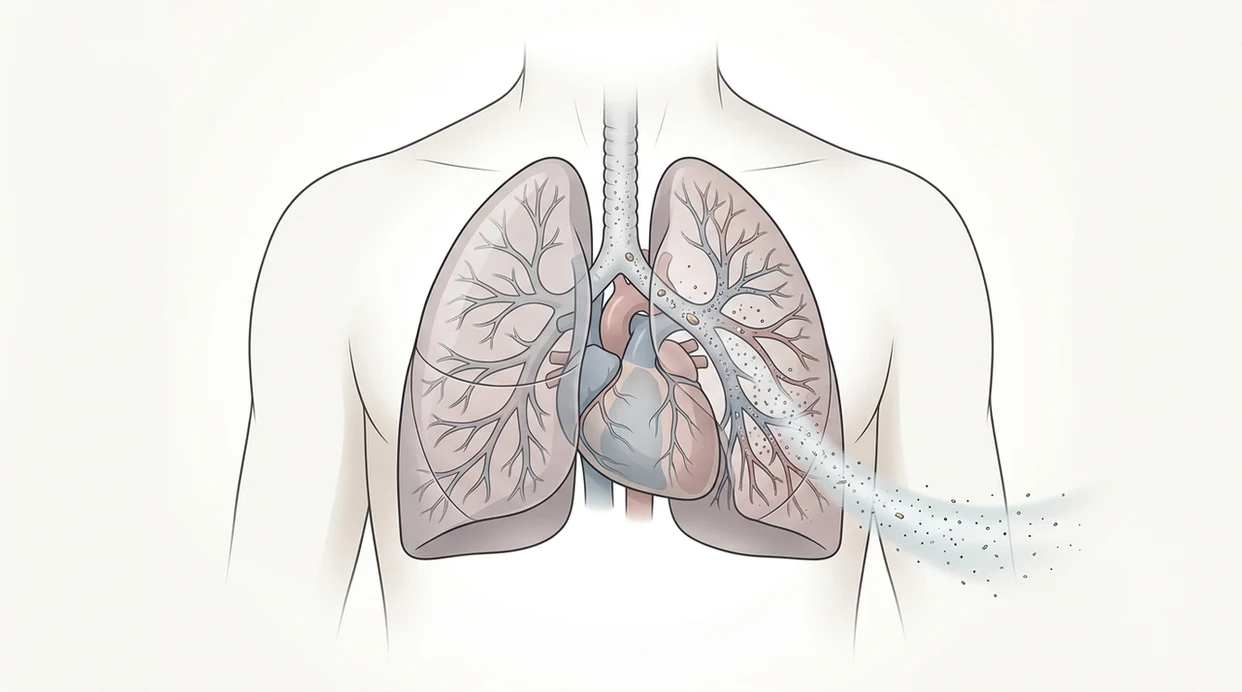
Vaping is generally less toxic than smoking, but less toxic does not mean safe. The practical goal is not “pick the cleaner inhale forever”; it is to move toward no nicotine inhalation at all.
| Risk area | Cigarette smoking | Vaping |
|---|---|---|
| Chemical exposure | 7,000+ chemicals in smoke | Fewer toxins, but still harmful aerosol |
| Known carcinogens | At least 70 cancer-causing chemicals | Some carcinogenic compounds can appear |
| Nicotine addiction | Fast brain delivery, strong dependence | Fast delivery, often high-strength pods |
| Heart risk | Strong evidence for heart disease | Evidence suggests blood vessel strain |
| Lung damage | COPD, emphysema, lung cancer links | Airway irritation, EVALI risk, unknown decades-long effects |
| Long-term data | Decades of evidence | Shorter evidence base |
| Health-agency stance | Avoid entirely | Not for youth, non-smokers, or pregnancy |
If your priority is quitting cigarettes without turning vaping into a second long-term habit, use one daily log that tracks both cigarette-free and vape-free progress.
Good quit tools deliver structure, feedback, and relapse recovery, not a magic reason you will never crave nicotine again.
How Vaping Vs Smoking Risks Work
Vaping vs smoking risks differ mainly because cigarettes burn tobacco while vapes heat liquid into aerosol. Combustion creates smoke, tar, carbon monoxide, and many carcinogens; heated aerosol usually contains fewer toxins, but it still carries chemicals deep into the lungs.
The harm depends on what reaches the body and what those exposures do over time. Irritants and ultrafine particles can inflame airways, meaning the breathing tubes get swollen and reactive. Carbon monoxide and nicotine can strain the cardiovascular system, meaning the heart and blood vessels work under more stress. Carcinogens and certain metal particles can contribute to cancer pathways by damaging cells or adding repeated injury. Nicotine also keeps reward circuits trained, so dependence can continue whether the product is a cigarette, pod, disposable, or refillable device.
A practical way to read the comparison is:
- Separate the delivery method: burning smoke carries the most proven toxic load, while aerosol carries fewer but still harmful substances.
- Match the chemical to the pathway: lungs, heart, cancer risk, and addiction are affected in different ways.
- Separate timelines: throat tightness or coughing can appear quickly, while COPD, cancer, and heart disease evidence builds over decades.
- Keep the endpoint clear: fewer toxins is not harmless, and nicotine dependence can persist with either product.
Cigarette Smoking Risks That Exceed Vaping Risks
Cigarette smoking has the heavier proven disease burden because combustion creates tar, carbon monoxide, and thousands of toxic chemicals. The CDC says cigarette smoke contains more than 7,000 chemicals, including at least 70 known to cause cancer.
Stat callout: Smoking is strongly linked to lung cancer, COPD, emphysema, stroke, and heart disease after decades of population research.
The burn is the difference. A cigarette is not only nicotine; it is smoke from heated tobacco, paper, additives, and combustion byproducts. That smoke leaves the winter coat smell people notice in the hallway, but it also leaves damage you cannot smell.
For current smokers, quitting cigarettes completely is usually safer than switching to vaping long-term because combustion drives the largest known tobacco-related disease risks. MeQuit helps by making the next cigarette harder to reach through quit-day planning, craving logging, and smoke-free streak tracking.
Vape Aerosol Risks That Still Harm Lungs and Heart
Vape aerosol is not harmless water vapor. It can carry nicotine, ultrafine particles, volatile organic compounds, and heavy metals into the lungs, according to CDC e-cigarette guidance source.
- Vape aerosol can contain nicotine, formaldehyde-forming chemicals, nickel, tin, lead, and other lung irritants.
- High-strength pods can deliver enough nicotine to keep cravings locked in all day.
- Early cardiovascular studies suggest vaping may impair blood vessel function and raise heart strain.
- EVALI showed how dangerous unregulated, THC, or black-market products can become.
- The National Academies found substantial evidence that youth and young adults who use e-cigarettes are more likely to try cigarettes later source.
The blue LED blink under a desk can feel small. It still counts.
Adults looking for a stop-vaping plan can use MeQuit alongside a stop vaping app workflow because the craving tracker records where the urge happened, how strong it felt, and what helped.
Dual Use: Vaping and Smoking Together Increase Nicotine Dependence
Dual use means using cigarettes and vapes in the same period, and it can raise total nicotine exposure instead of reducing harm. Many people do not fully switch; they smoke outside, then vape in the car, bathroom, or bedroom.
Stat callout: In recent U.S. adult survey data, roughly 1 in 9 adults smoked cigarettes and about 1 in 20 used e-cigarettes, according to CDC/NCHS tobacco-use data.
That overlap matters because nicotine dependence feeds on repetition. A cigarette after lunch plus sweet vapor between meetings gives the brain more cues, not fewer. The coworker smoke drifting near the entrance becomes one trigger; the device in the pocket becomes another.
If the priority is breaking dual-use patterns, MeQuit covers both products because the daily check-in can separate cigarette urges from vape urges and show which one is keeping the loop alive.
For dual users, quitting usually depends more on reducing total nicotine access than on arguing which device is less harmful.
4 Myths About Vaping Vs Smoking Safety
The safest reading of the evidence is simple: smoking is worse in many proven ways, but vaping is still a health risk. These four myths keep people stuck between products.
| Myth | Fact |
|---|---|
| “Vaping is just water vapor.” | Vape aerosol can contain nicotine, formaldehyde-forming chemicals, ultrafine particles, and heavy metals. |
| “Switching to vaping means I quit.” | You may have quit cigarettes, but nicotine dependence can continue. |
| “Vaping can’t hurt my heart.” | Emerging evidence links vaping with blood vessel dysfunction and cardiovascular stress. |
| “Vaping is fine for teens.” | Nicotine can harm adolescent brain development, and youth vaping is linked with later cigarette use. |
The gas station cigarette display behind glass can still pull at you after you “mostly vape.” That is not failure. It is a cue doing what cues do.
People who want a plain comparison without losing the quit plan can use MeQuit with an app that tracks vaping and smoking, because the product-specific log keeps the two habits visible instead of blurred together.
Nicotine Dependence in Vape Devices and Cigarettes
Nicotine dependence works by fast delivery, reward learning, and withdrawal relief. Nicotine can reach the brain in seconds, trigger dopamine release, and teach the brain to repeat the behavior when stress, boredom, or routine shows up.
How vaping and smoking work at the addiction level is mostly about habit loops and withdrawal kinetics. In plain English, your brain learns “nicotine fixes this feeling,” then your body complains when nicotine levels fall. Tight shoulders during rush hour, a busy mouth, and restless hands can all be part of the same craving wave.
Vape devices add a different problem: near-continuous puffing. A cigarette has a start and finish, but a vape can follow you from the desk to the couch. Reset the plan.
The most evidence-backed approach to nicotine dependence is behavioral support combined with approved cessation medication when appropriate. MeQuit supports the behavioral side with trigger notes, urge ratings, and weekly progress review.
6 Evidence-Based Tools to Quit Vaping and Smoking
The practical way to quit vaping and smoking is to set a quit day, reduce access, treat withdrawal, and track what actually happened. Use these steps as a starting plan, then adjust with a clinician if you use nicotine heavily.
- Set a quit date and log current cigarette and vape use in MeQuit.
- Identify personal triggers with a craving tracker, including time, place, mood, and product used.
- Choose NRT or medication with a healthcare provider, especially if morning withdrawal hits hard.
- Build support through counseling, peer groups, trusted family, or an app community.
- Track milestones for smoke-free and vape-free days, plus money saved.
- Review weekly and reset strategies when cravings spike or a slip-up happens.
Clinicians typically suggest counseling plus FDA-approved cessation medication for many adults who want to quit smoking, especially when nicotine dependence is high.
If you want to quit vaping with phone support, MeQuit earns the spot because the weekly review turns messy cravings into a visible pattern. The full phone-based routine is covered in quit vaping with phone.
3 User Groups for Quitting Vaping Vs Smoking First
Different users need different first steps, but the endpoint is the same: zero nicotine inhalation. A simple decision tree helps reduce overthinking.
| User group | Practical priority |
|---|---|
| Current smokers only | Quit smoking entirely rather than switching to vaping as a permanent substitute. |
| Current vapers only | Move toward nicotine-free instead of assuming vaping is safe enough. |
| Dual users | Eliminate one product immediately, then work toward no nicotine. |
| Youth and non-smokers | Do not start either product. |
Smokers who keep a vape “just in case” need a plan for both devices, not two separate promises. MeQuit supports that by letting the user track triggers, smoke-free streaks, vape-free progress, and slip-ups in one quit routine.
If you already think, “I need an app to help me stop vaping,” pair that with a cigarette plan too. One urge at a time, but both products on the map.
When to Seek Medical Help
Seek medical help right away if vaping, smoking, or quitting brings severe symptoms, especially trouble breathing, chest pain, fainting, confusion, or withdrawal that feels unsafe. A quit plan should lower risk, not leave you alone with symptoms you cannot judge.
Some people should involve a clinician earlier, not later: anyone who is pregnant, has heart disease, has asthma, COPD, or another lung condition, or is a youth user still developing nicotine dependence. Tracking cravings in MeQuit can show patterns, but an app cannot diagnose wheezing, chest tightness, anxiety, depression, or medication needs.
- Call emergency services for chest pain, severe shortness of breath, fainting, blue lips, or sudden weakness.
- Contact a clinician if withdrawal includes severe mood changes, panic, vomiting, insomnia that will not ease, or repeated relapse despite effort.
- Ask about treatment when cravings hit early in the morning, nicotine use is heavy, or dual use keeps returning. Nicotine replacement therapy, varenicline, or bupropion may help some adults, but they need medical fit and safety checks.
- Use tracking as support while letting healthcare professionals handle diagnosis, prescriptions, and treatment decisions.
How to Use This Vaping Vs Smoking Risk Comparison
Use this comparison to decide what to change next, not to prove that one inhale is harmless. The safest direction is still away from both cigarette smoke and vape aerosol.
- Name your current pattern honestly: cigarettes only, vaping only, or both. Include “almost never” use, because one weekend pod or one stress cigarette can keep the cue alive.
- Compare your highest-risk exposure with the table, especially combustion, nicotine strength, frequency, and dual use. If you smoke at all, cigarette smoke usually carries the biggest proven disease burden.
- Choose your next quit target without turning vaping into a comfort label. A smoker may prioritize cigarettes first; a vaper may prioritize nicotine-free days; a dual user may remove the product that creates the most daily cues.
- Plan support before cravings peak by noting triggers, asking a clinician about approved medications or NRT when appropriate, and deciding who you will message when the urge hits.
- Review progress weekly in your log. If you slip, write down what happened, change one condition, and restart the next hour instead of waiting for a perfect Monday.
Limitations
Risk comparisons can guide decisions, but they cannot predict every person’s outcome. The evidence is strong enough to say quitting both is safest, but some details remain uncertain.
- Long-term vaping effects over several decades remain unknown because e-cigarettes are newer than cigarettes.
- Vape devices, liquids, nicotine salts, flavors, wattage, and puff patterns vary widely.
- Evidence that vaping helps adults quit smoking is mixed; some people become long-term vapers instead.
- Most health data focus on nicotine vapes, not THC cartridges or black-market products.
- No risk-free way exists to inhale chemicals into your lungs. Safer never equals safe.
- Individual health conditions, genetics, age, pregnancy status, and past smoking history change risk.
- MeQuit does not diagnose lung disease, prescribe medication, or replace a clinician.
Some readers may prefer public programs such as Smokefree.gov, BecomeAnEX, or the NHS quit-smoking service. MeQuit is most useful when you want daily tracking, craving support, and a reset plan after a slip-up.
FAQ
Is vaping safer than smoking?
Vaping usually exposes users to fewer toxic chemicals than cigarettes, but it still delivers nicotine and lung irritants, so it is not safe.
Does vaping cause cancer?
Long-term cancer data for vaping are incomplete, but vape aerosol can contain carcinogenic chemicals, including formaldehyde-forming compounds and some heavy metals.
Can you vape to quit smoking?
Some adults try vaping to quit cigarettes, but evidence is mixed and the safer endpoint is becoming fully nicotine-free with support.
Is vaping worse for your lungs?
Smoking has stronger links to COPD and cancer, while vaping can irritate airways, trigger injury, and expose lungs to fine particles.
How addictive is vaping vs smoking?
Both can be highly addictive because nicotine reaches the brain quickly; high-strength vape pods may sustain equal or greater dependence for some users.
Does secondhand vape harm others?
Secondhand vape aerosol can contain nicotine, ultrafine particles, and chemicals, so bystanders should not be treated as risk-free exposure.
What happens when you quit both?
After quitting both, heart rate and circulation can improve, cravings gradually ease, and lung irritation may lessen over weeks to months.
Can an app help you quit vaping?
Yes. The MeQuit stop smoking app tracks vape-free progress, logs cravings, shows milestones, and helps users reset after a slip-up.
Quit Nicotine With a Plan, Not Guesswork
Stop Smoking App helps you track cravings, triggers, smoke-free or vape-free streaks, and money saved while you work toward quitting. It is not medical advice or a medical device, and it can be used with NRT, counseling, quitlines, or clinician support when appropriate.
Get Stop Smoking App