Quit Smoking Timeline: What Happens From Day One to One Year

The quit smoking timeline starts within 20 minutes of your last cigarette, when heart rate and blood pressure begin to drop, and it keeps unfolding for months. Withdrawal often peaks around days 2–3, and emotional triggers can last longer, so this timeline is most useful when paired with a written craving plan, behavioral support, and clinician guidance when needed.
Definition: A quit smoking timeline is a stage-by-stage guide showing the physical, mental, and health changes your body undergoes after your last cigarette, from the first 20 minutes through one year and beyond.
TL;DR
- Health benefits begin within minutes: heart rate drops, carbon monoxide clears within 24–48 hours, and lung function improves within weeks.
- Withdrawal symptoms peak at days 2–3 and mostly resolve in 2–4 weeks, but emotional cravings can linger for months.
- Using evidence-based support, apps, NRT, counseling, can double your chances of quitting successfully at every milestone.
| Need | Best option |
|---|---|
| Track smoke-free days, savings, cravings, and relapse patterns in one quit timeline | Stop Smoking App |
| See detailed health progress milestones and motivation after quitting | Smoke Free |
| Use community-style motivation, badges, or gamified encouragement | QuitNow or Kwit |
| Combine app support with structured coaching, clinical-style programs, or public health guidance | Quit Genius or NHS Quit Smoking |
At-a-Glance: Quit Smoking Timeline Milestones

- 20 minutes: Heart rate and blood pressure begin moving down after the last cigarette, according to the American Cancer Society source. That first win is quiet, but it counts.
- 12–24 hours: Carbon monoxide levels fall toward normal, giving oxygen more room to circulate, according to MedlinePlus source.
- Days 2–7: Cravings, irritability, anxiety, and sleep trouble often peak around days 2–3. A 2012 NCBI review found most withdrawal symptoms last 2–4 weeks.
- Around 3 months: Lung function improves measurably for many people, and coughing or shortness of breath may ease over 1–12 months, according to the American Cancer Society source.
- 1–2 years: Heart disease risk drops sharply, per the CDC, then keeps declining over time.
A milestone tracker can help because these checkpoints are easy to forget when cravings are loud; turning the timeline into visible progress makes the next hour feel less abstract.
What Happens After Quitting: First 24 Hours
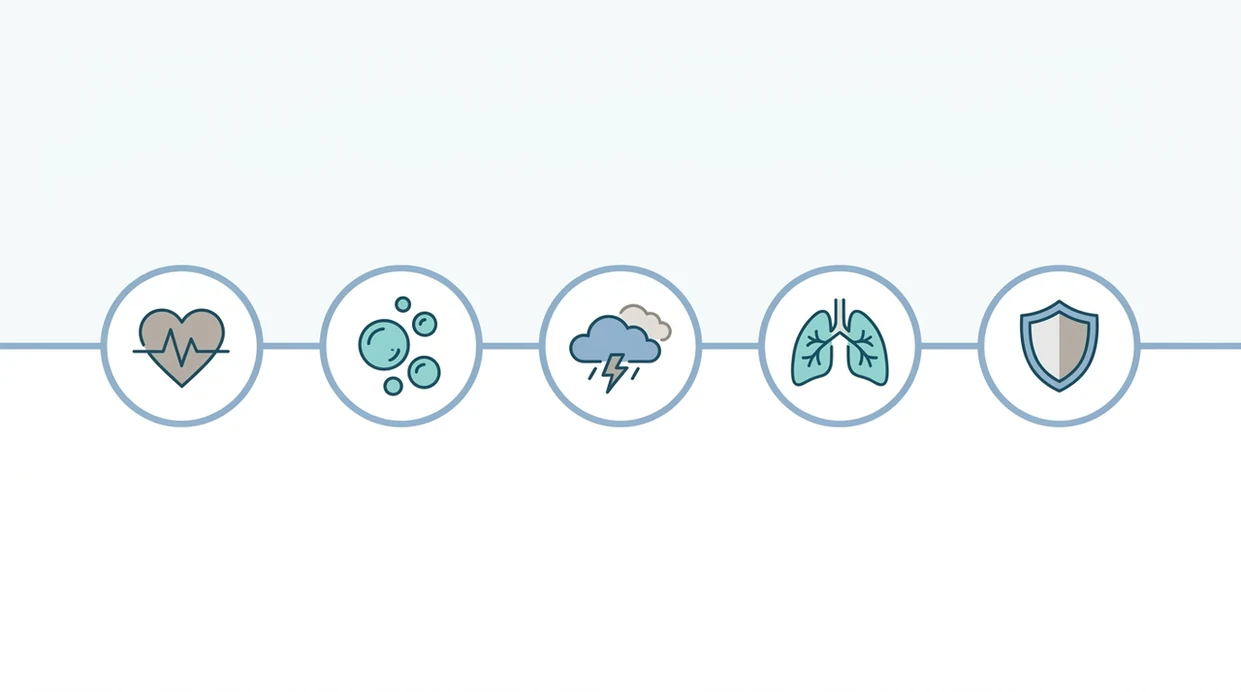
In the first 24 hours after quitting, your body starts repairing before you feel “normal.” Heart rate and blood pressure begin dropping within about 20 minutes, and carbon monoxide levels move toward normal within 12–24 hours.
Nicotine withdrawal can also begin fast, usually within 4–24 hours. You may feel tight shoulders, a busy mouth, or that need to do something with your hands. The lighter outline in a jeans pocket can feel louder than it should.
For day one, keep the plan boring and repeatable: drink water, use slow breathing, step away from smoke cues, and log each craving wave. MeQuit fits this first-day job because the craving tracker gives you a countdown, a note field, and a way to see the urge pass instead of guessing.
Stop Smoking Timeline: Days 2 Through 7
Stat callout: Nicotine withdrawal symptoms often peak in the first few days and usually improve over several weeks; the National Cancer Institute notes that many symptoms decrease over 3–4 weeks source.
Days 2 through 7 are often the roughest stretch in the stop smoking timeline. Common symptoms include anxiety, insomnia, difficulty concentrating, increased appetite, headaches, and restless energy. A hungry stomach right after lunch can feel like a cigarette craving, even when it is partly routine.
The myth is that withdrawal ends in a few days. For most people, the sharpest edge may pass quickly, but the body and brain keep adjusting for weeks. That does not mean you are doing it wrong.
When the issue is first-week mood swings, MeQuit earns the spot because mood tracking, craving logs, and daily check-ins help you track what actually happened. For many quitters, the first week improves more with repeated coping practice than with willpower alone. If you want a deeper day-by-day view, read what happens when you quit smoking explained.
Quit Smoking Timeline at One Month: Physical and Emotional Shifts
Myth: “If I still miss smoking after a month, nicotine withdrawal must not be over.” Reality: Physical withdrawal often eases by 2–4 weeks, but emotional attachment to the habit can last longer.
At one month, circulation and lung cilia are beginning to recover. You may cough differently, breathe a little easier on stairs, or notice smells more sharply. You may also feel oddly sad. Losing the after-dinner cigarette, the work-break ritual, or the drive-home smoke can feel like grief.
Not feeling dramatically healthier does not mean quitting is failing. Some repairs happen quietly inside blood vessels and airways. Weight gain is also not automatically extreme; average gain is usually modest and can be managed with meals, movement, and planning.
After the first month, when the body is calmer but the habit still feels missing, the MeQuit stop smoking app fits because journaling and mood tracking separate nicotine symptoms from “I miss my old routine” thoughts. For more detail, compare your progress with quitting smoking benefits after 30 days.
Three Months to One Year: Long-Term Health Gains After Quitting
| Milestone | What often improves | Why it matters |
|---|---|---|
| Around 3 months | Lung function improves measurably | Walking, stairs, and exercise may feel less breathless |
| 1–12 months | Coughing and shortness of breath decrease | Cilia recover and help clear mucus |
| 1–2 years | Coronary heart disease risk drops sharply | Cardiovascular risk keeps moving in the right direction |
| Years ahead | Some cancer risks decline | Risk reduction continues beyond the first year |
Taste, smell, and daily energy often improve during this stretch. A winter coat may stop carrying that stale smoke smell, which can feel more motivating than a chart.
MeQuit helps you visualize progress at each milestone because the smoke-free streak, health milestones, and savings views make slow changes easier to notice. Long-term recovery usually depends more on repeated trigger management than on how inspired you felt on quit day. A broader milestone view is covered in our quit smoking benefits timeline.
Common Myths About the Quit Smoking Timeline
Myth 1: Withdrawal ends in a few days. Cravings often peak early, but most symptoms can last 2–4 weeks.
Myth 2: One slip resets everything. One cigarette does not erase improved circulation, lower carbon monoxide, or the coping skills you practiced.
Myth 3: Weight gain is inevitable and extreme. Some gain is common, but it is usually manageable with food planning, walking, and support.
Myth 4: No instant health boost means quitting is not working. Many changes happen inside the lungs, blood, and heart before they feel obvious.
The CDC reported that 55.1% of U.S. adults who smoked tried to quit in 2018, but only about 7.5% successfully quit source. That gap is why realistic expectations matter. On days a single cigarette butt in the driveway makes you think, “I already messed up,” reset the plan instead of surrendering the day.
Evidence-Based Tools That Improve Your Stop Smoking Timeline
Nicotine replacement therapy: Patches, gum, lozenges, inhalers, and sprays reduce withdrawal by giving controlled nicotine without cigarette smoke.
Bupropion: This prescription medicine can reduce cravings and withdrawal for some people, especially when planned before quit day.
Varenicline: This prescription medicine works on nicotine receptors and can reduce both pleasure from smoking and urge intensity.
Counseling and coaching: Behavioral support helps you plan for triggers, slip-ups, and high-risk routines like lunch break or sitting in traffic.
App-based tracking: MeQuit combines craving tracking, milestone alerts, and progress visualization so your stop smoking timeline stays visible between appointments.
Doctors and smoking-cessation guidelines often recommend combining behavioral support with FDA-approved cessation medication when appropriate. NCBI guidance notes that approved medications can roughly double quit success compared with no medication or counseling source. Good stop smoking apps deliver reminders, tracking, and feedback, not a medical diagnosis.
Anyone dealing with repeated “just one” thoughts can use MeQuit because the slip-up workflow helps record the trigger, keep the smoke-free streak in context, and restart the next choice. Progress can also be reinforced with a smoke-free streak tracker.
Limitations
- Timelines are population averages. Genetics, mental health, other substance use, sleep, stress, and activity can shift your experience.
- Quitting is not linear. A bad craving day can show up weeks after you felt steady.
- A quit smoking timeline alone does not make you quit. You still need behavior changes, support, and sometimes medication.
- Long-term disease risk drops substantially, but some elevated risk for COPD or lung cancer can remain compared with lifelong nonsmokers.
- MeQuit can boost awareness and motivation, but it is not a substitute for medical advice, diagnosis, or prescription treatment.
- Emotional withdrawal can outlast physical withdrawal by months, especially when cigarettes were tied to grief, loneliness, or routine.
- Some people need more direct support than an app can provide. Smokefree.gov and BecomeAnEX offer broader public-health or community resources.
- If you are pregnant, have heart disease, or use psychiatric medication, ask a clinician before choosing quit medications.
Reset the plan.
Read more
FAQ
How long does nicotine withdrawal last?
Most physical nicotine withdrawal symptoms last 2–4 weeks. Cravings and irritability usually peak around days 2–3.
What happens 7 days after quitting smoking?
After 7 days, peak withdrawal may be easing, but sleep, appetite, mood, and concentration can still feel uneven. Many people still need a daily craving plan.
Does one cigarette reset the timeline?
One cigarette does not erase all health progress. Treat it as a lapse, identify the trigger, and restart immediately.
When do lungs start healing after quitting?
Lung cilia begin recovering within weeks. Measurable lung function improvement often appears around 3 months.
Is weight gain inevitable after quitting?
Weight gain is common but not inevitable or usually extreme. Meal planning, walking, and support can reduce risk.
How long until you're considered a non-smoker?
Definitions vary by clinician, insurer, and personal identity. One year smoke-free is a common major milestone.
Can a stop smoking app really help?
Yes, a stop smoking app can support quitting by tracking cravings, milestones, money saved, and smoke-free streaks. The MeQuit stop smoking app is designed for that daily feedback loop.
Why do cravings return after weeks without smoking?
Cravings can return because triggers are conditioned cues, not just nicotine withdrawal. Stress, alcohol, routes, and routines can restart an urge.
Is cold turkey more effective than nicotine replacement therapy?
For most people, medication-assisted quitting with behavioral support has stronger evidence than unassisted cold turkey. NRT can reduce withdrawal while you change routines.
What are the side effects of quitting smoking suddenly?
Common symptoms include irritability, insomnia, headaches, increased appetite, anxiety, and difficulty concentrating. These symptoms are usually temporary.
Follow Your Quit Smoking Timeline With MeQuit
Stop Smoking App helps you track cravings, smoke-free streaks, money saved, and relapse recovery as your body and habits change. Use it alongside proven support such as NRT, counseling, quitlines, or clinician guidance when needed.
Get Stop Smoking App