
Restart After Smoking Relapse Without Shame

To restart after smoking relapse, treat the slip as data, not failure, by logging the trigger, resetting your quit date within days, and protecting the exact craving moment that tripped you up. Many people need more than one quit attempt, so the goal is to turn this restart into a specific relapse reset plan instead of a shame spiral.
A relapse reset plan is a structured approach to quitting again after returning to regular smoking, using trigger analysis, adjusted medication or NRT, and digital tracking tools to build a smarter, personalized quit strategy.
TL;DR
- Relapse is normal: 65.5% of smokers make a quit attempt each year, but only about 7.5% stay quit for 6 to 12 months.
- Analyze your trigger, including time, place, mood, and people, then set a new quit date within days rather than weeks.
- Combining behavioral support with medication can improve long-term quit odds by about 3 times.
- A stop smoking app turns relapse data into a personalized craving-defense plan for your next attempt.
5 Facts About Smoking Relapse Every Quitter Needs
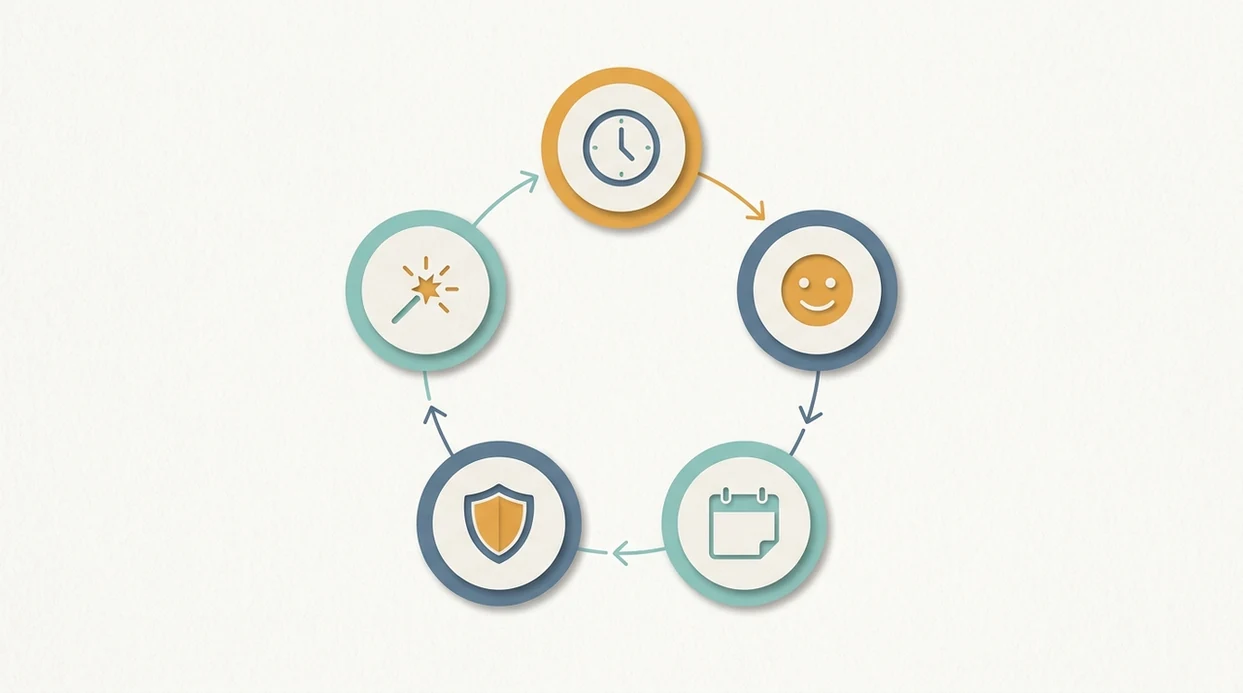
- Relapse is statistically normal. Per the CDC, 65.5% of adult smokers who tried to quit made at least one quit attempt, but about 7.5% stayed quit for 6 to 12 months.
- Risk is highest early. Relapse risk is often highest in the first days and weeks after quitting, when withdrawal and cue exposure are strongest; plan extra support for that window source.
- Past attempts are usable data. The ash on your fingers after a stressful call tells you more than “I failed.” It names the trigger.
- Support plus medication matters. Counseling combined with FDA-approved quit medication can substantially improve quit success compared with trying without support, according to CDC cessation guidance.
- Combination treatment can help some smokers. In randomized trials, varenicline combined with nicotine replacement therapy more than tripled quit rates compared with single methods or no medication.
Clinicians typically suggest treating relapse as a signal to adjust support, medication, and trigger planning, not as proof that quitting is impossible.
Best Relapse Reset Plan Steps Ranked by Impact
- Trigger audit. Write down the time, place, mood, people, and cigarette count. The useful detail is what happened before the smoke, not just the fact that you smoked.
- Micro-restart. Set a new quit day within 1 to 3 days if you feel ready. A calendar square marked with a restart beats waiting for a “better month.”
- Medication or NRT restart. Ask a clinician or pharmacist whether to restart patches, gum, lozenges, varenicline, or bupropion. The most common medically supported way to quit after relapse is medication combined with behavioral support.
- App-based craving tracking. Use the MeQuit stop smoking app to connect cravings, moods, and high-risk windows into one pattern.
- Accountability support. Tell one person or enroll in a quitline. If your priority is stopping the ‘I already messed up’ spiral, build the reset step into the plan instead of hiding the slip-up.
For a deeper planning layer, a personalized quit smoking plan app can help connect triggers with next-step reminders.
How a Relapse Reset Plan Works
A relapse reset plan works by interrupting habit loops and turning one smoking episode into a better if-then plan. Nicotine can re-sensitize reward pathways quickly, but the coping skills you learned during your last quit attempt are not erased.
That matters.
Each attempt refines your mental map: after dinner, in traffic, on a hard work call, or when your shoulders tighten and your mouth feels busy. Digital logging creates a feedback loop. Craving data feeds more specific prompts, so the next urge gets a planned response instead of panic.
Quitters who relapse in repeating situations need pattern memory, not another lecture; MeQuit handles that with craving logging, mood notes, and adaptive reminders. Good stop smoking apps deliver timely relapse support and usable tracking, not shame, vague motivation, or a fake promise that one tap removes nicotine dependence.
How to Restart After Smoking Relapse Using an App
Use an app restart when you want the next quit attempt to be more specific than the last one. MeQuit is useful after relapse because it keeps the trigger, quit date, reminders, and support check-in in the same workflow.
- Log the relapse trigger with the time, emotion, location, and cigarette count in MeQuit.
- Reset your quit date to the next 1 to 3 days if you feel ready to quit again.
- Review past craving logs to find repeating patterns, such as lunch break, alcohol, or sitting in traffic.
- Adjust or restart NRT or medication with professional guidance, then set reminder times.
- Enable craving push notifications for your highest-risk windows, not the whole day.
- Schedule a 48-hour check-in with a support contact, counselor, or quitline.
On days the quit timer is glowing on the lock screen and you still want to smoke, MeQuit gives you one next action: log the urge, ride the craving wave, and protect the next hour.
Common Myths About Quitting Smoking After Relapse
Myth: Relapsing means you start from zero. You do not lose the coping skills, smoke-free days, or trigger knowledge from your last attempt. Your smoke-free streak tracker may reset, but your learning does not.
Myth: You should wait months before trying again. Waiting can make daily smoking feel normal again. Restarting when ready, with a clearer plan, is often more useful.
Myth: NRT after relapse means you are weak. Nicotine replacement therapy is evidence-based treatment. It lowers withdrawal pressure so you can practice new habits.
Myth: An app can’t help after a failed attempt. MeQuit is especially useful after relapse because pattern-based recovery depends on seeing what happened, not guessing. Parents trying to quit before school pickup may notice the same 3:20 p.m. craving every weekday through the mood and craving log.
Reset the plan.
Micro-Restart vs. Full Quit Reset After Relapse
A micro-restart means recommitting right after one cigarette, one night, or one weekend of smoking. A full quit reset means building a structured plan after you have returned to daily smoking.
Use a micro-restart when the pattern is still small. Throw away the pack, log the trigger, and make the next cigarette harder to reach. Use a full reset when smoking has become routine again, especially if the first morning cigarette is back before the coffee machine finishes.
MeQuit supports both paths because craving logging, quit date reset, and adaptive reminders can scale up or down. For a single slip, the quit smoking slip-up plan may be enough. For daily smoking, rebuild the whole relapse reset plan.
What Competitors Miss About Relapse Recovery
Many relapse guides from places like Smokefree.gov, BecomeAnEX, or NHS Better Health explain that relapse is common, but they often stop before the logging step. The missing piece is turning the relapse into structured data.
Few guides name the micro-restart: recommitting right away after a single cigarette instead of waiting for Monday, New Year’s Day, or some clean-looking date. That delay can turn a slip into a week.
Smokers looking for practical relapse recovery need more than encouragement; MeQuit connects the restart to craving logs, mood tracking, and adaptive push notifications. A plain app that tracks smoke-free days can motivate you, but relapse recovery also needs trigger memory.
When to Get Medical Help After a Smoking Relapse
Get medical help after a smoking relapse if your health risks are higher, your withdrawal feels unmanageable, or you keep returning to smoking despite a clear plan. This article is educational and cannot replace personal medical advice from a clinician who knows your history.
Before restarting prescription quit-smoking medication, such as varenicline or bupropion, check with a clinician or pharmacist. That matters even more if you are pregnant, have heart disease, have severe withdrawal symptoms, or notice psychiatric symptoms such as panic, depression, agitation, or major sleep disruption.
- Call your clinician, pharmacist, counselor, or a quitline if relapse has become a repeating pattern.
- Describe what you smoked, what medication or NRT you used before, and any side effects.
- Ask whether your dose, timing, counseling support, or quit date should change.
- Seek urgent help right away if you have thoughts of self-harm, feel unsafe, or are in severe emotional distress.
A relapse reset plan can organize the next attempt, but professional support is the safer choice when the body or mind is waving a red flag.
Limitations
Restarting after relapse is useful, but it is not magic.
- Nicotine dependence is chronic, so multiple quit attempts are common even with a strong plan.
- MeQuit supports behavior change, but it cannot replace medical advice, prescription treatment, or a clinician’s care.
- Some people need medication, intensive counseling, mental health support, or all three.
- Evidence on the ideal timing for a restart after relapse is still evolving.
- App-based tools depend on use; unopened reminders and unlogged cravings limit what MeQuit can personalize.
- Push notifications can annoy some users, especially if the timing is too broad.
- A relapse reset plan may need different steps for vaping, dual use, pregnancy, heavy alcohol triggers, or major stress.
If smoking is tied to depression, panic, trauma, or substance use, get professional support before relying on any app-led plan.
FAQ
Does one cigarette count as relapse?
One cigarette is usually a slip, not a full relapse, if you recommit immediately. Use a micro-restart and protect the next craving.
How soon should I try quitting again?
Many people can try again within days if they feel ready. A refined plan is more important than waiting a long time.
Does relapse erase my health progress?
Relapse does not erase every health gain. Quitting again restores the direction of cardiovascular and lung benefits.
Can NRT help after a relapse?
Yes, NRT can help after relapse. It is an evidence-based option for repeat quit attempts.
Why do I keep relapsing?
Common causes include unplanned triggers, withdrawal, stress, alcohol, and low confidence during cravings. Nicotine dependence often needs repeated attempts.
Is willpower enough to quit smoking?
Willpower alone is usually less effective than support plus medication. Counseling and medication together can triple long-term success.
Can an app prevent smoking relapse?
An app cannot guarantee prevention. The MeQuit stop smoking app can reduce risk by logging cravings, tracking mood, and sending timed reminders.
How many quit attempts before success?
Most successful quitters make multiple attempts before staying smoke-free. Each attempt can reveal triggers, routines, and supports that improve the next plan.
Restart your quit without starting from zero
Stop Smoking App helps you log the relapse trigger, rebuild your plan, and prepare for the next craving moment. Use it alongside medical advice, counseling, quitline support, or NRT when needed.
Get Stop Smoking App