
Nicotine patch: how to use it, which strength and what to expect
By the Stop Smoking App team · Updated
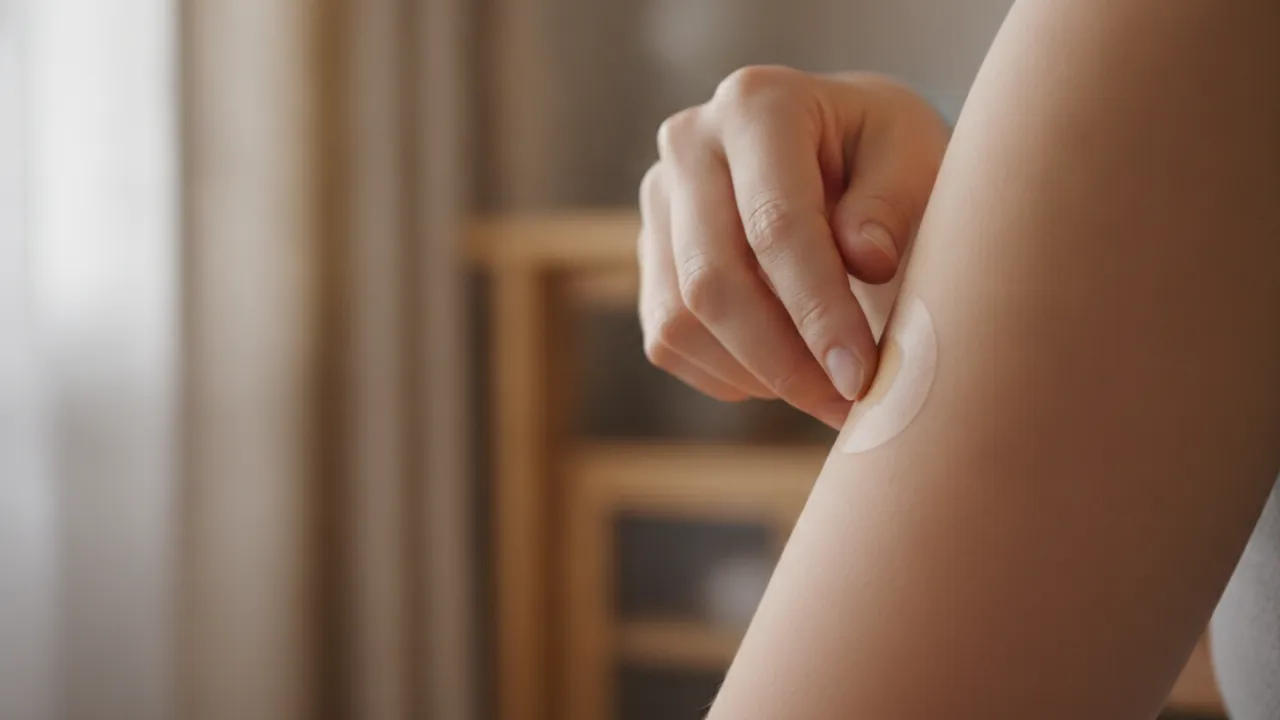
A nicotine patch is a skin patch that releases a steady dose of nicotine through the day, so you can stop smoking without the sharpest withdrawal. Over-the-counter patches come in 21 mg, 14 mg and 7 mg strengths and are stepped down over about 8 to 12 weeks. In a Cochrane analysis of 51 trials, people using a patch were about 64% more likely to be off cigarettes at six months or longer than people who got no patch.
How a nicotine patch works
When you smoke, nicotine reaches your brain within seconds and falls off within an hour or two, which is why cravings keep coming back. The patch works the other way round: it passes nicotine through the skin slowly, keeping a low, even level in your blood all day. That level is enough to take the edge off irritability, restlessness and cravings, but it has none of the tar, carbon monoxide or other toxins in smoke, and it lacks the quick hit that makes cigarettes rewarding.
A patch handles the constant background craving. It does not stop the sudden spikes tied to a coffee, a stressful call or a drink, which is why many people add gum or a lozenge on top. More on that below.
Which strength to start with
The strength depends on how much you smoke. The schedules below follow the US Centers for Disease Control and Prevention (CDC). Some brands print a slightly longer plan on the box, so follow the instructions that come with yours.
| Cigarettes per day | Step 1 | Step 2 | Step 3 |
|---|---|---|---|
| More than 10 | 21 mg for 4 weeks | 14 mg for 2 weeks | 7 mg for 2 weeks |
| 10 or fewer | 14 mg for 6 weeks | 7 mg for 2 weeks | None |
If you smoke your first cigarette within 30 minutes of waking, or you feel strong withdrawal on the lower step, ask a pharmacist whether to start higher or stay on a step longer. Dropping to a lower step or stopping early leaves cravings uncovered.
How to put it on
- Pick a clean, dry, hairless patch of skin on your upper arm, chest, back, shoulder or hip.
- Apply one new patch each morning at the same time, and press it down firmly with your palm for about 10 seconds.
- Take off yesterday's patch first. Never wear two at once unless a doctor tells you to.
- Use a different spot each day and do not reuse the same area for at least a week, because the skin gets irritated.
- Fold the used patch in half, sticky sides together, and throw it away where children and pets cannot reach it.
Showers, baths and exercise are fine, and a patch that falls off can be replaced with a fresh one. Do not cut a patch.
Side effects, and what to do about them
The two most common problems are a red, itchy or burning patch of skin and sleep trouble. Skin irritation usually eases if you rotate sites; a pharmacist can suggest a soothing cream, and a rash that spreads or swells needs a doctor. Vivid dreams or insomnia are linked to nicotine at night. If they bother you, take the patch off at bedtime and put a new one on in the morning, which gives about 16 hours of wear. The quit smoking insomnia guide covers other ways to protect your sleep.
Nausea, dizziness, weakness, a racing heart or chest discomfort can mean too much nicotine, especially if you smoke while wearing a patch. Take the patch off and call a doctor or pharmacist. Get urgent help for an irregular heartbeat, trouble breathing or swelling.
Talk to a doctor before using a patch if you are pregnant, have heart disease, a recent heart attack or an irregular heartbeat, or have a chronic skin condition or an allergy to adhesive tape.
Can you smoke while wearing a patch?
The label tells you to stop smoking completely, and that is the safest plan. Current CDC guidance does allow starting the patch one to two weeks before your quit date, when some people are still smoking a little and cutting down. A single slip after your quit date does not mean the patch has failed or that you must take it off, but it is a signal to look at what triggered it. Our guide to what to do after a slip walks through that.
Patch plus a fast-acting product
Using a patch together with gum, a lozenge, an inhaler or a nasal spray works better than any single product. Across 16 studies with 12,169 people, Cochrane found combination therapy raised quit rates by about 27% compared with one product alone. The patch covers the baseline, and the fast form handles sudden urges. If you want to try it, how to use nicotine gum explains the dosing and the chew-and-park technique. A doctor can also prescribe varenicline, which beat the patch in a large head-to-head trial.
Before you buy
Patches are sold without a prescription in the US, in pharmacies, supermarkets and online, and store brands work the same as name brands. Many state quitlines and health plans give them out free, so check quit smoking medication for the cost and coverage options before paying full price. A patch is one piece of a plan, and the odds are best when you pair it with counseling or a quitline; the stop-smoking guides on this site cover the rest.
Frequently asked questions
How long should you wear a nicotine patch?
Most programs last 8 to 12 weeks, stepping down in strength every few weeks. Each patch stays on for 24 hours, or 16 hours if you remove it at bedtime because of vivid dreams. Stopping early or skipping the lower steps leaves you exposed to cravings, so finish the plan unless a clinician advises otherwise.
Where do you put a nicotine patch?
Use clean, dry, hairless skin on the upper arm, chest, back, shoulder or hip. Press it flat for about 10 seconds, and use a new spot each day, avoiding the same area for at least a week. Do not place it on broken, irritated or oily skin.
Can you use nicotine patches while pregnant?
Only on a clinician's advice. Pregnant people are generally encouraged to try counseling first, and a doctor may suggest nicotine replacement if counseling is not enough, because quitting matters more than the risk from a controlled dose. Do not decide alone: ask your obstetrician or midwife.
Can you use a nicotine patch if you vape?
Yes, because the patch treats nicotine dependence whatever the source. Quit vaping on your quit date and use a patch strength that matches how much nicotine you use. No medicine is approved specifically for vaping, so a pharmacist or doctor can help you pick a dose.
Do nicotine patches help you lose weight?
They are not a weight loss product and should not be used by people who do not smoke. Nicotine replacement can delay some of the weight gain that follows quitting while you use it, but the main benefit is helping you stop smoking.