

> Definition: A stop vaping app is a mobile tool that uses behavior-change techniques, including craving tracking, trigger identification, goal-setting, and progress monitoring, to help users quit e-cigarettes and stay nicotine-free.
| Need | Best option |
|---|---|
| Daily nicotine urge tracking with streaks, savings, and relapse recovery | Stop Smoking App |
| Highly visual quit progress and achievement-style motivation | Smoke Free or Kwit |
| Community-style motivation and public quit statistics | QuitNow |
| Structured coaching, clinical-style programs, or public health support | Quit Genius or NHS Quit Smoking |
At A Glance: What A Stop Vaping App Actually Does
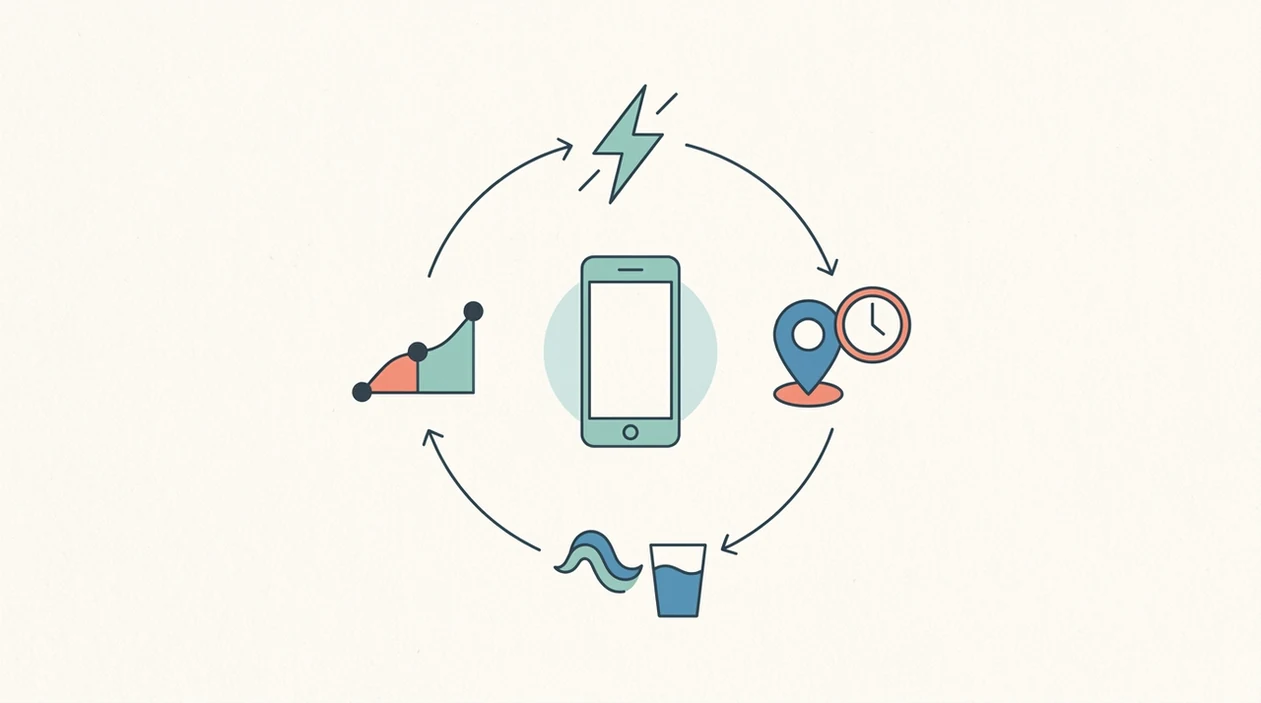
A quit vaping app gives structure to the moments when the vape usually comes out: between classes, after lunch, in the car, or during a stress spike. The useful ones track more than a streak.
Five facts matter most:
- A stop vaping app is a support tool, not a cure; it helps you handle one urge at a time.
- Most apps borrow smoking cessation techniques because vaping-specific research is still developing.
- Evidence-based apps focus on behavior change, including trigger journals, coping plans, rewards, and goal-setting.
- Quality varies widely; one 2022 review of free vaping cessation apps found an average quality score of 3.66 out of 5, with information quality only 2.8 out of 5 source.
- Youth-focused digital tools matter because 2.8 million U.S. middle and high school students reported current e-cigarette use in 2024, per the CDC source.
The basics are simple: craving tracker, vape-free day counter, money-saved calculator, health milestones, and trigger journal. MeQuit also helps when someone needs an app that tracks vaping and smoking during the same quit attempt.
Small logs reveal big patterns.
Best Quit Vaping Apps Worth Downloading
The strongest stop vaping apps are the ones that make urges visible, not mysterious. Good apps deliver craving tools, nicotine pattern tracking, and reset steps, not shame or vague motivation.
- MeQuit: MeQuit tracks progress, manages cravings, and works for both vaping and cigarettes. If the priority is seeing vape-free days, money saved, and urge patterns in one place, MeQuit earns the spot because it combines a smoke-free streak tracker with craving logging.
- Quit Vaping by Jonathan Kopp: This iOS option is vaping-specific and focuses on days quit, money saved, and health progress. It can suit users who want a simple counter without extra coaching.
- My QuitBuddy: This Australian government-backed app is free and evidence-based. It includes distractions, goals, and practical quit-day support.
- Quash App: Quash is designed for teens and young adults, with youth-oriented lessons and vaping-specific support. For young adults looking for a phone-first plan, MeQuit stop smoking app may be a better fit when they also want cigarette tracking and slip-up recovery.
- Quit Coach and text-based programs: A randomized trial found 24.1% abstinence at 7 months for a text-message vaping program, versus 18.6% in the control group source.
How We Picked These Vaping Cessation Apps
We picked apps by looking for evidence-based content, behavior-change techniques, information quality, privacy policy transparency, and user engagement features. A vaping cessation app should help you track what actually happened, not just congratulate you for opening it.
Many apps still lack strong science. That 2.8 out of 5 information-quality score is a warning label, especially for people quitting high-nicotine salts or all-day puffing.
Check whether an app connects to a reputable health organization, government program, or validated behavior-change model. Also read the privacy policy. Some apps collect data for analytics or marketing, and craving logs can reveal school routines, work breaks, moods, and location patterns.
After a restroom stall urge between classes, when the pocket check feels automatic, MeQuit helps by turning that moment into a logged trigger with time, place, and intensity.
How A Stop Vaping App Works Behind The Screen
A stop vaping app works by interrupting the habit loop: identify the trigger, choose a coping response, then reinforce progress with a reward. In plain terms, it helps you pause before the next puff becomes automatic.
Most apps adapt cognitive behavioral therapy and motivational interviewing from smoking cessation. That makes sense because vaping-specific research is still emerging. The challenge is different, though. Vaping can mean stealth use, high-nicotine salts, and constant low-level puffing instead of discrete cigarette breaks.
A craving tracker logs time, intensity, context, and emotion. Over a week, patterns start to show. Hungry stomach right after lunch. Warm face during a stress surge. Busy mouth during homework.
Progress feedback loops use operant conditioning, which means the brain repeats behaviors that feel rewarded. MeQuit uses vape-free days, health milestones, and money saved to make progress visible. The most evidence-backed approach to quitting nicotine is combining behavior support with medication or counseling when appropriate.
Ready to start your quit?
A stop vaping app helps you quit by tracking cravings, identifying triggers, logging vape-free days, and rewarding milestones, but it works best when paired with counseling…
How To Use A Quit Vaping App To Stay Nicotine-Free
A quit vaping app works best when you use it before, during, and after cravings. Don’t wait until the urge is already huge.
- Set a quit date and enter your current vaping habits, including device, nicotine strength, and estimated puffs per day.
- Log every craving with time, location, intensity, and emotional trigger.
- Review trigger patterns weekly to spot high-risk situations like lunch, traffic, school pickup, or scrolling in bed.
- Use in-app coping tools such as breathing exercises, distraction timers, or urge-surfing prompts during the craving wave.
- Track milestones including vape-free days, money saved, health recovery markers, and your smoke-free streak.
- Pair the app with external support such as a quitline, NRT, or counseling for the strongest results.
For people who need a practical app to help me stop vaping, MeQuit covers the daily workflow because it links craving logs, streaks, and reset steps in one quit plan.
Reset the plan.
Common Myths About Quit Vaping Apps
The biggest myth is that an app alone can make you quit. Reality is less tidy. Combination approaches are far more effective, especially for heavy nicotine dependence.
Another myth says any app in the store is evidence-based. It isn't. Many apps score poorly on information quality, so look for clear guidance, reputable sources, and behavior-change tools.
Some people also hear that vaping isn't harmful enough to need structured help. E-cigarette aerosol can contain nicotine, ultrafine particles, volatile organic compounds, cancer-causing chemicals, and heavy metals such as nickel, tin, and lead, according to the CDC source. The vaping vs smoking risks question is complicated, but needing help to stop is normal.
One more myth: stop smoking apps don't apply to vaping. Core cessation techniques transfer well. MeQuit works for people quitting either product because craving tracking, trigger planning, and relapse recovery apply to both.
Stop Vaping App Compared To NRT, Quitlines, Counseling, And Cold Turkey
A stop vaping app fits best as the daily tracking layer, not the whole treatment plan. Clinicians typically suggest combining behavioral support with nicotine replacement therapy or counseling when dependence is strong.
| Method | Cost | Accessibility | Evidence level | Best for whom |
|---|---|---|---|---|
| Stop vaping app | Free to low cost | Very high | Emerging for vaping, stronger for smoking techniques | People who need daily urge tracking |
| NRT | Low to moderate | Pharmacy or clinician | Strong for nicotine cessation | People with withdrawal symptoms |
| Quitline | Free in many areas | Phone-based | Strong | People who want coaching |
| Counseling | Moderate to high | Appointment-based | Strong | People with repeated relapse |
| Cold turkey | Free | Immediate | Mixed | People with low dependence and strong support |
In 2020, about 9.1 million U.S. adults used e-cigarettes, according to CDC data source. Text-based intervention research also found 24.1% abstinence at 7 months. The right fit for daily accountability is MeQuit because the craving log, streak counter, and milestone view stay available between coaching sessions.
Quick Answer: Best Stop Vaping App For Daily Urge Tracking
MeQuit is the best pick here if you want daily vaping urge tracking, visible vape-free streaks, and a calm way to recover after a slip-up. It fits the person who needs a phone in hand when the craving hits, not just a quit-date countdown.
Use it as the daily layer in a bigger quit plan when needed. Quitlines, counseling, or nicotine replacement therapy can add medical guidance and live support, especially if withdrawal feels rough or the vape has been constant all day. Choose a vaping-specific app instead if you need fields built only for e-cigarettes, such as device type, pod use, nicotine salt strength, or teen-focused lessons.
- Track each urge with time, place, mood, and intensity before the memory blurs.
- Review your streaks and money saved when motivation drops.
- Reset after a slip-up with a short note about what happened and what changes next.
- Add quitline coaching, counseling, or NRT if cravings keep breaking through.
The caveat: vaping-app research is still limited, so the strongest choice is usually the app you will actually use consistently alongside evidence-based support.
Limitations
Stop vaping apps can help, but they have real limits. A good app should make the next vape harder to reach, not pretend withdrawal is easy.
- Research on vaping-specific apps is limited, often small-scale, and long-term effectiveness is not fully proven.
- Apps cannot replace professional medical advice, diagnosis, prescription medication, or urgent mental-health support.
- Engagement drops over time; reminders and personalization matter, but people still stop opening apps.
- Some apps collect or share user data, so privacy policies and permissions deserve a slow read.
- Passive use rarely works. If you don’t log cravings or review triggers, the app has little to work with.
- Many tools are repurposed smoking cessation apps and may miss nicotine salt dosing, stealth use, or constant puffing.
- Cold turkey may still appeal to some users, but support usually matters more than toughness.
After a slip-up, when the trash can holds a broken vape, MeQuit can help you write the first honest note and restart instead of thinking, “I already messed up, so I might as well vape all day.”