
App To Help Me Stop Vaping Nicotine Privately

An app to help you stop vaping should track urges, vape-free days, money saved, and nicotine reduction from your phone, privately and without anyone needing to know. The best quit vape apps combine craving tools, progress tracking, privacy controls, and a reset plan after slips instead of acting like generic habit counters.
Definition: A quit vape app is a mobile tool that uses behavioral tracking, craving interventions, and progress metrics to help users reduce or stop nicotine vaping on their own schedule.
TL;DR
- Look for evidence-based features like craving logs, quit-date setting, and relapse prevention, not just motivational quotes.
- Most quit vaping apps score only 2.8 out of 5 on information quality, so choosing carefully matters.
- Apps work best paired with other support; they are not a standalone cure for nicotine dependence.
How these apps look
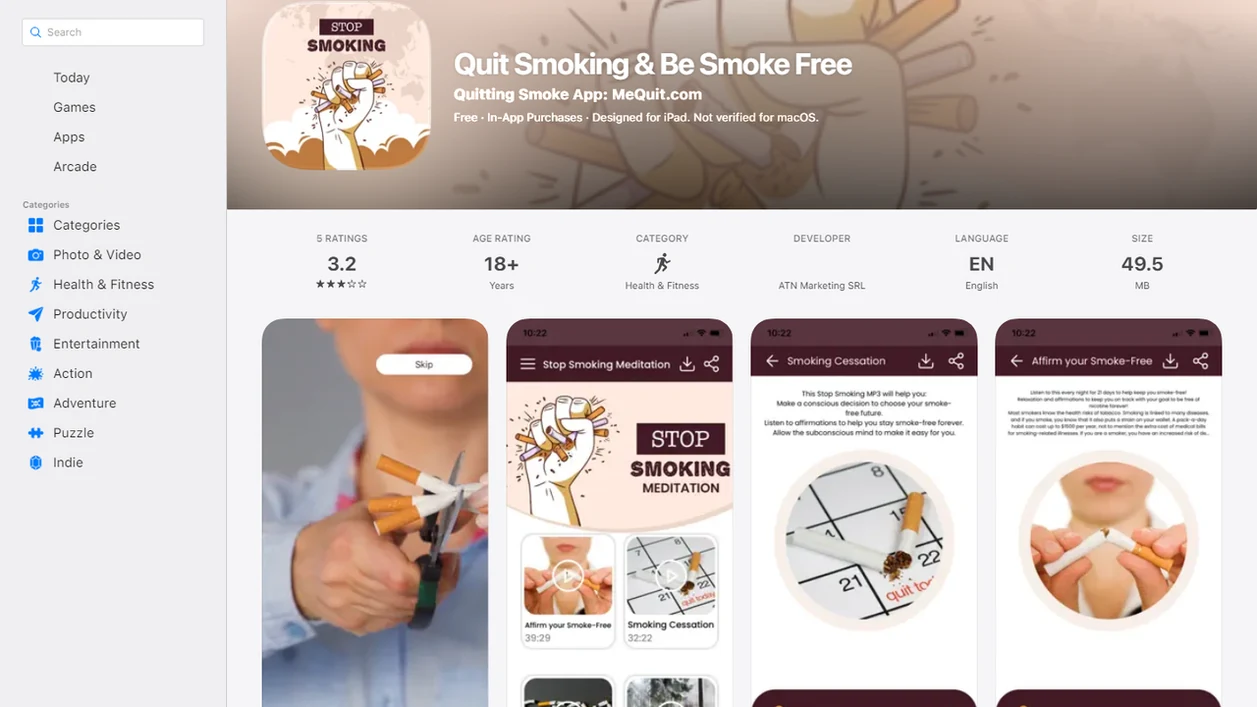
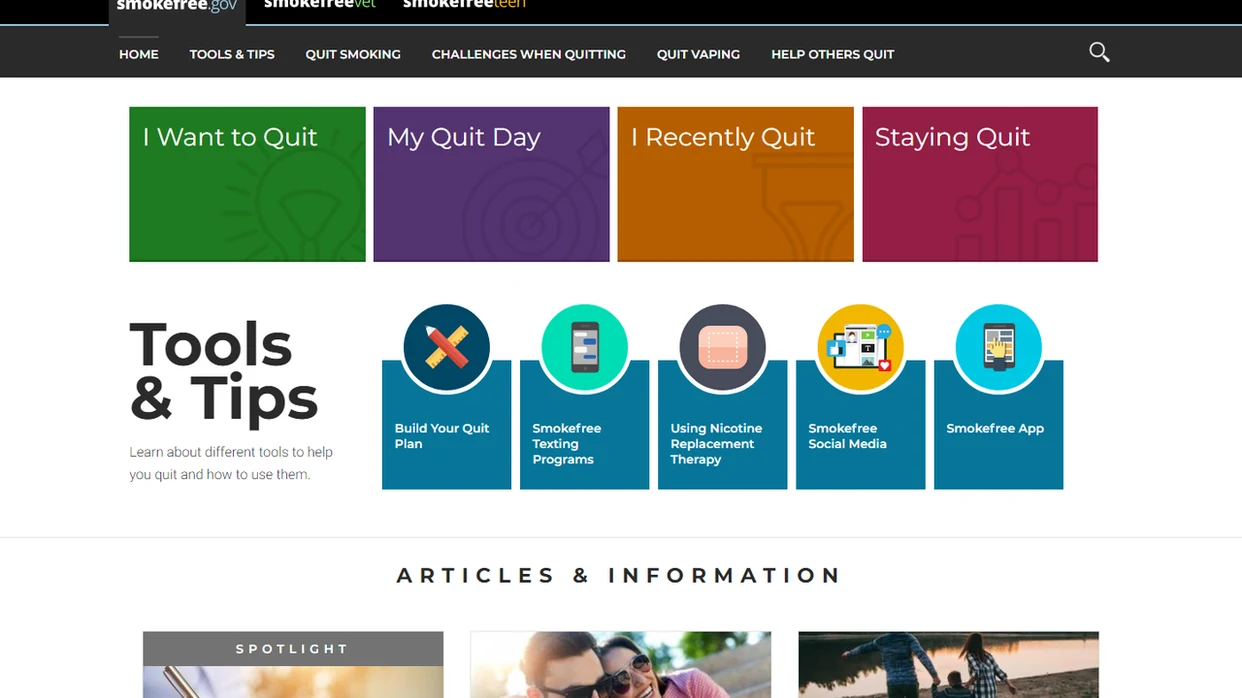
Side-by-side captures of the compared products. Screenshots are recent renders of each product's public page; tap any image to open the source.
5 Quit Vape App Features That Matter Most
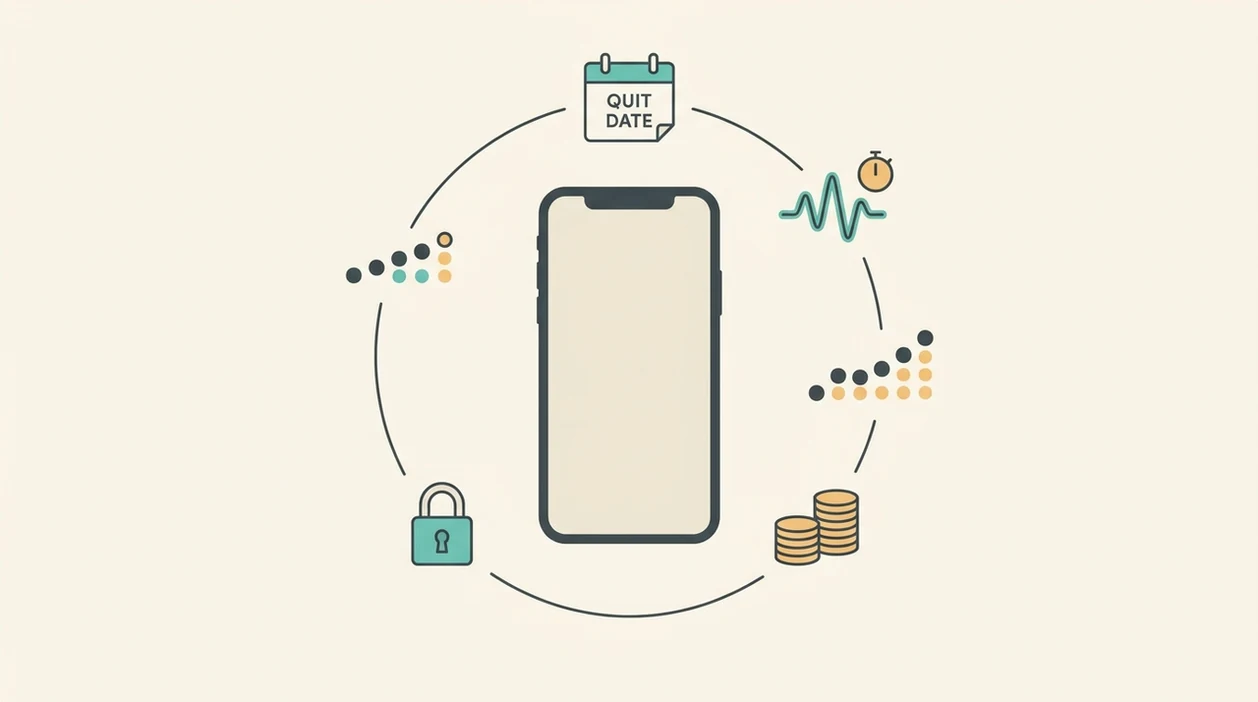
A good quit vape app should help you plan, interrupt cravings, and measure progress in plain numbers. Digital cessation interventions increased quit rates in a Cochrane review, with a relative risk of 1.67 compared with minimal support source.
- Quit date setting: Choose a quit day and build reminders around your real routine, like lunch break or the ride home.
- Craving toolkit: Use breathing timers, urge ratings, and replacement actions when your thumb reaches for the nightstand vape charger.
- Progress tracker: Count vape-free days, slips, and streaks without turning one slip-up into a lost week.
- Money-saved counter: Show what pods, disposables, and e-liquid would have cost.
- Privacy controls: Check passcodes, account rules, and cloud storage before logging nicotine use.
Adults want this support. In a 2020 PubMed study, 47.8% of adult e-cigarette users were seriously thinking about quitting.Vape-specific apps track pods and puffs; adapted smoking apps need careful setup.
Best Quit Vape Apps Worth Downloading
The strongest quit vape apps give you a craving plan, not just a calendar. Good stop smoking apps deliver behavior tracking and timely support, not a magic button that removes withdrawal.
- MeQuit: Supports vaping and smoking logs, craving tools, private progress, and slip-up recovery. People quitting disposables who want one place for urges, streaks, and savings can use it because relapse recovery stays inside the same daily workflow.
- My QuitBuddy: This Australian government-backed option includes quit planning, distraction tools, and community support.
- Quit Vaping by Jonathan Kopp: This vape-focused app centers on daily tips, progress counts, and quitting motivation.
- Quash App: This UK-based option was designed with young vapers in mind and uses a structured quit program.
- SmokefreeTXT: This is not an app, but the National Cancer Institute text program has teen abstinence evidence and can pair well with a stop vaping app.
If your priority is quitting privately, MeQuit earns its spot because it lets you track cravings, streaks, and money saved without posting to a public community.
5 Selection Criteria for Help Stop Vaping Apps
The best help stop vaping app shortlist should be judged by evidence, privacy, and vape-specific tracking. A 2022 study found free vaping cessation apps averaged only 2.8 out of 5 on Mobile App Rating Scale information quality source.
We looked for five things:
- Evidence-based content: coping plans, relapse prevention, tailored feedback, and quit-date support.
- Information quality: clear nicotine guidance, not vague “stay strong” messages.
- Privacy review: what health data, identifiers, or usage logs get collected.
- Clinical or public-health backing: government-backed programs often beat random commercial apps on guidance.
- Vape customization: pods, puffs, disposables, and e-liquid fields matter.
MeQuit fits people who switch between cigarettes and vapes because it can work as an app that tracks vaping and smoking with craving logs and progress metrics in one place.
How a Quit Vape App Works Behind the Scenes
A quit vape app works by spotting habit loops, then helping you disrupt them before the next puff. The cue-routine-reward loop is simple: a trigger appears, you vape, and your brain gets a fast nicotine reward.
Craving logs turn that loop into a pattern. If you log time, place, intensity, and trigger, the app can show that 3:40 p.m. after class is riskier than bedtime. Push notifications can then act as contextual nudges during high-risk windows.
The pocket check is real.
Progress visuals add positive reinforcement. Vape-free streaks, health milestones, and savings counters make the invisible work visible. MeQuit is useful on days your shoulders are tight in traffic because the urge rating and coping prompt give you something specific to do. But alerts can backfire if they come too often. Notification fatigue makes people swipe away the message they needed.
5 Steps To Use a Stop Vaping App Effectively
Use a stop vaping app like a daily quit plan, not a scoreboard for being “good.” For stronger nicotine dependence, evidence-based support usually means behavioral counseling plus FDA-approved cessation medication when appropriate source.
- Set a quit date and configure nicotine type, including pods, disposable vapes, or e-liquid.
- Log every craving with time, trigger, and intensity, even if the urge rating is just a shaky-thumb 8 out of 10.
- Review weekly reports to find high-risk moments, such as after dinner, gaming breaks, or a friend passing a vape at lunch.
- Use the coping tool when a craving hits, before bargaining with yourself.
- Reset the plan after a slip and log what happened instead of deleting the app.
Reset the plan.
For heavy nicotine use, pair MeQuit with counseling, a quitline, or nicotine replacement therapy. If you want a phone-first workflow, our guide to quit vaping with phone breaks the process into smaller daily actions.
Customizing a Stop Smoking App for Vaping
A stop smoking app can work for vaping if you translate cigarette fields into vape units. The trick is to track nicotine exposure in a way that matches your actual device.
Use cigarette count fields as pod, puff, or disposable equivalents. If the app allows notes, record nicotine concentration in mg/mL instead of only counting “units.” Someone using 50 mg/mL salt nicotine needs different tracking than someone stepping down to lower-strength e-liquid.
MeQuit helps people who vape and sometimes smoke because the same craving log can capture both triggers. For vaping, adjust health milestones carefully; combustible tobacco timelines do not always map cleanly to e-cigarette changes. Many competitors mention quitting, but skip pod, puff, and e-liquid setup. That’s the part users actually need at 9 p.m. when the last disposable is almost empty.
Privacy and Data Safety in Quit Vaping Apps
Quit vaping apps can collect sensitive data, including cravings, nicotine use, location, health information, device identifiers, and account details. Check privacy before you enter anything you would not want shared.
Before downloading, read whether the app stores data offline or in the cloud. Look for account requirements, advertising trackers, data-sharing language, location permissions, and deletion options. Offline-capable apps may feel safer for private quitting, but cloud backup can help if you change phones.
This matters more for teens and young adults. Per the CDC, 2.13 million U.S. youth were current e-cigarette users in 2023. A baby car seat beside an empty ashtray can motivate one adult; a student hiding vape use needs different privacy protection. MeQuit keeps private progress central, but users should still review phone permissions.
When to Seek Professional Help for Vaping Withdrawal
Seek professional help when withdrawal feels bigger than an app can safely handle. A clinician, pharmacist, counselor, or quitline can help you adjust the plan before cravings turn into a full restart.
Withdrawal can include irritability, headaches, poor sleep, stomach upset, trouble concentrating, and intense urges. Support is especially useful if symptoms last beyond the first couple of weeks, keep you from school or work, or push you toward heavier nicotine use. Anxiety, depression, panic attacks, or feeling unable to cope deserve care too; if you might hurt yourself or someone else, call 911 or go to emergency care.
- Call 1-800-QUIT-NOW in the U.S. for free quitline coaching and local support.
- Ask a pharmacist or clinician before choosing nicotine patches, gum, lozenges, or combination nicotine replacement therapy.
- Tell your provider if you are pregnant, trying to become pregnant, under 18, or managing anxiety, depression, ADHD, or substance use.
- Bring your app logs so cravings, slips, nicotine strength, and triggers are easier to discuss.
Getting help is not failing the quit. It is just adding more tools.
Limitations
Quit vape apps can help, but they are not medical treatment by themselves. The honest version matters more than a sales pitch.
- Long-term evidence on vaping-specific apps is still limited; much effectiveness is inferred from smoking cessation research.
- Many free vaping apps have weak information quality, including the 2.8 out of 5 MARS finding.
- Apps alone may not be enough for heavy nicotine dependence, anxiety, depression, or other co-occurring conditions.
- Notification fatigue can make reminders easier to ignore after the first week.
- People without smartphones, steady data, or comfort using apps may be left out.
- Apps should supplement, not replace, counseling, quitlines, clinicians, or medication when those supports are needed.
- Some apps track streaks well but do not handle pods, puffs, disposable vapes, or e-liquid strength clearly.
MeQuit is a practical fit for people who want private tracking and fast craving support, but professional help is still the right next step when withdrawal feels unmanageable.
FAQ
Do quit vaping apps actually work?
Quit vaping apps can help, especially when they include craving tools, quit planning, and relapse prevention. Evidence from mobile smoking cessation programs shows improved quit rates, but apps work best with counseling, quitlines, or medication when needed.
Are stop smoking apps useful for vaping?
Yes, some stop smoking apps are useful for vaping if they can track pods, puffs, disposable vapes, or e-liquid. MeQuit stop smoking app can support users who need both smoking and vaping tracking.
What is the 3 3 3 rule for quitting vaping?
The 3-3-3 rule means waiting 3 minutes, doing 3 grounding actions, and repeating the cycle 3 times during a craving. A quit vape app can time the steps and log whether the craving dropped.
Is there a free quit vaping app?
Yes, free options include My QuitBuddy, Quash, and government-backed programs such as SmokefreeTXT. Quality and privacy practices vary widely, so review features and data policies before relying on one.
Can a quit vape app track pods and puffs?
Yes, some apps track pods and puffs directly, while others let you adapt cigarette fields into pod, puff, disposable, or e-liquid counts. This setup makes nicotine patterns easier to review.
Are quit vaping apps private?
Quit vaping apps are private only to the extent their privacy policies, permissions, account rules, and storage practices allow. Check data sharing, cloud backup, location access, and deletion options before logging sensitive nicotine use.
Should I combine a quit vaping app with nicotine replacement therapy?
Yes, combining an app with nicotine replacement therapy, counseling, a quitline, or clinician support can improve support for nicotine dependence. Ask a qualified clinician or pharmacist which nicotine replacement option fits your situation.
Use Your Phone to Make Vaping Easier to Quit
Stop Smoking App (MeQuit) helps you track urges, streaks, savings, and slips so you can understand your patterns and keep moving forward. It is not medical advice, but it can be a useful daily support tool alongside professional help when needed.
Get Stop Smoking App