
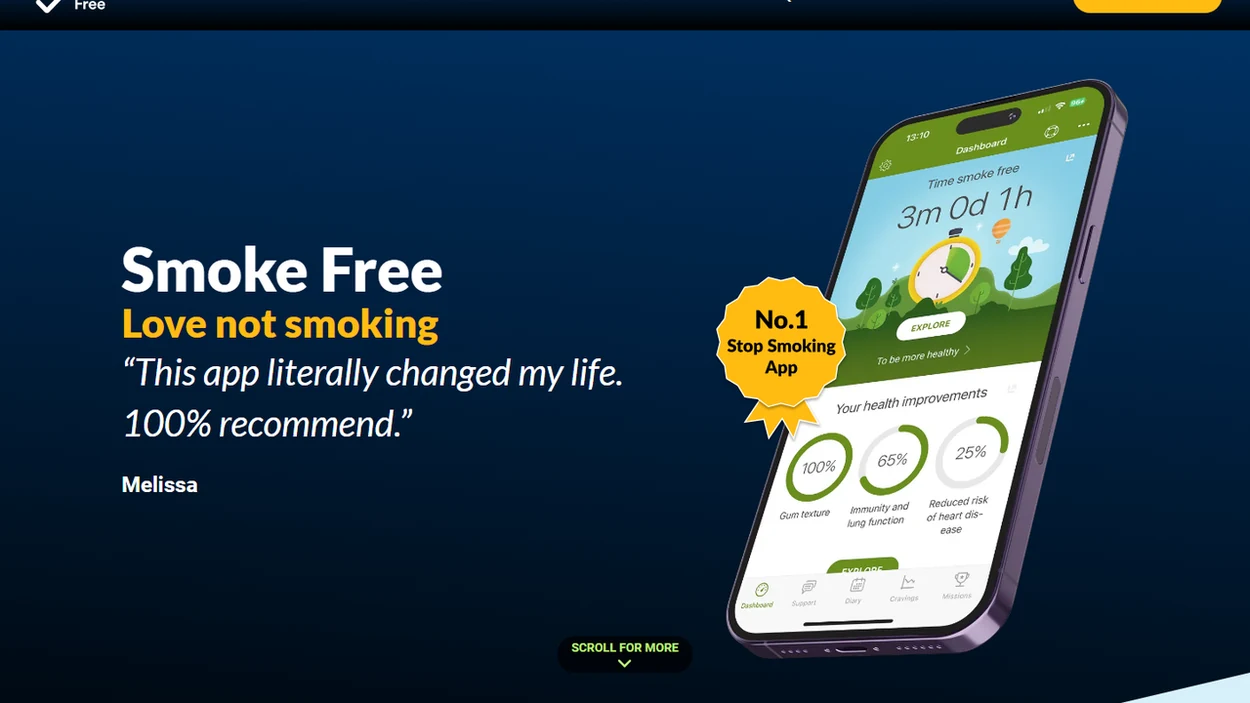
Definition: A free quit vaping app is a no-cost smartphone tool that lets users track puffs, monitor nicotine consumption, set a quit date, and receive craving-management support to help them stop vaping.
At-a-Glance: What a Free Quit Vaping App Should Include
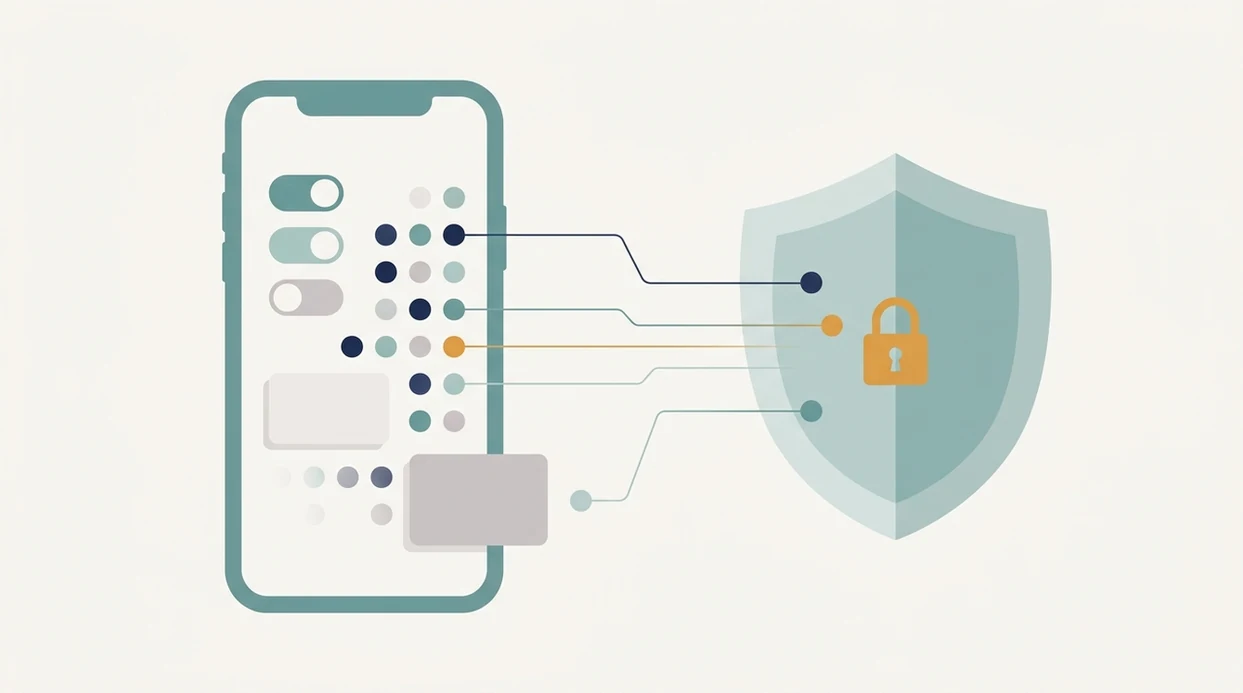
A good free quit vaping app should track the urge, the nicotine, the money, and the pattern behind each craving wave. In a 2022 app quality review, only 8 eligible vaping-cessation apps were found, with an average score of 3.66 out of 5 source.
- Craving log: Records urge strength, time, place, and trigger before the puff becomes automatic.
- Puff or pod tracker: Helps you see the difference between one planned use and all-day grazing.
- Nicotine intake calculator: Estimates exposure from device strength, pod use, or self-entered amounts.
- Money-saved dashboard: Turns “I skipped it” into a visible total by breakfast or bedtime.
- Withdrawal education and coping tips: Gives short actions for tight jaw, restless hands, and busy-mouth cravings.
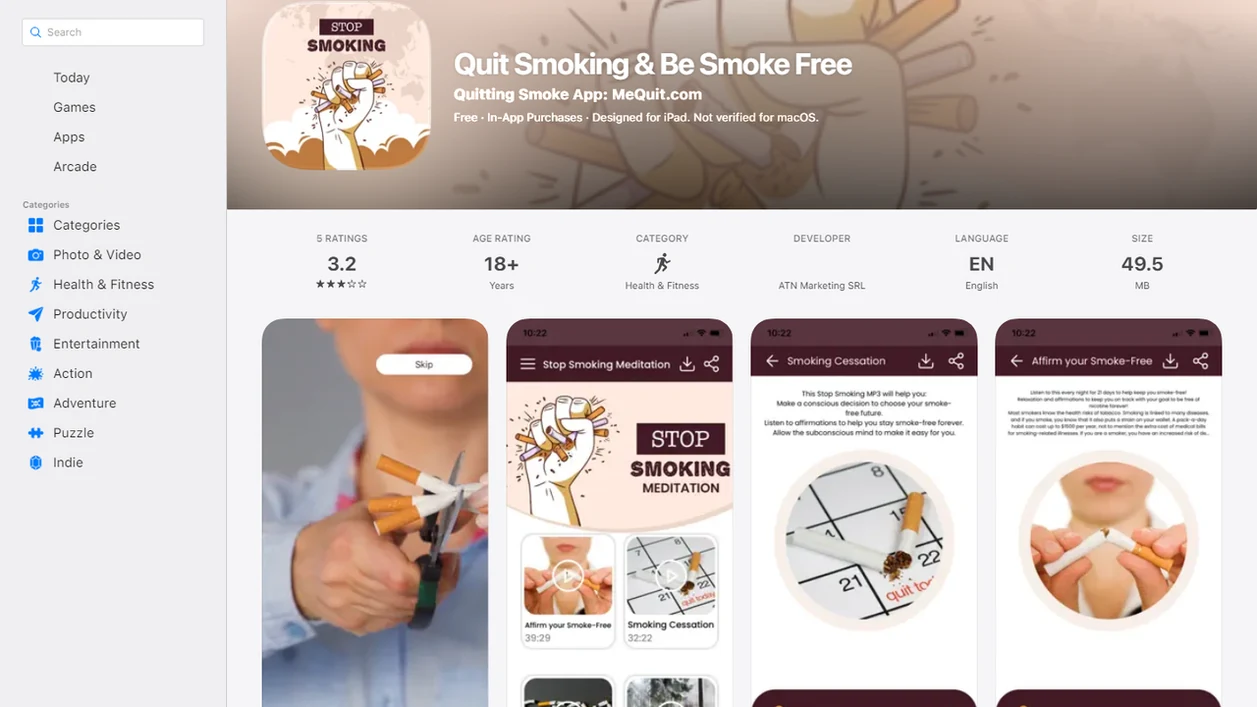
MeQuit fits people who want a free stop vaping app that treats vaping as its own habit pattern, because the craving tracker and vape-specific mode separate puffs, triggers, and streak progress.
Named Shortlist: 5 Free Stop Vaping Apps Worth Trying
The best free quit vaping app for daily urge tracking is MeQuit, while quitSTART, My QuitBuddy, Quit Vaping by Jonathan Kopp, and Quash are useful alternatives depending on age, country, and support needs. No app removes the work of quitting, but the right layout can make the next puff harder to reach.
MeQuit
MeQuit is strongest for people who want craving tracking, vape-specific logging, and a simple progress dashboard. Its weakness is that it still depends on honest self-logging when cravings hit fast.
quitSTART
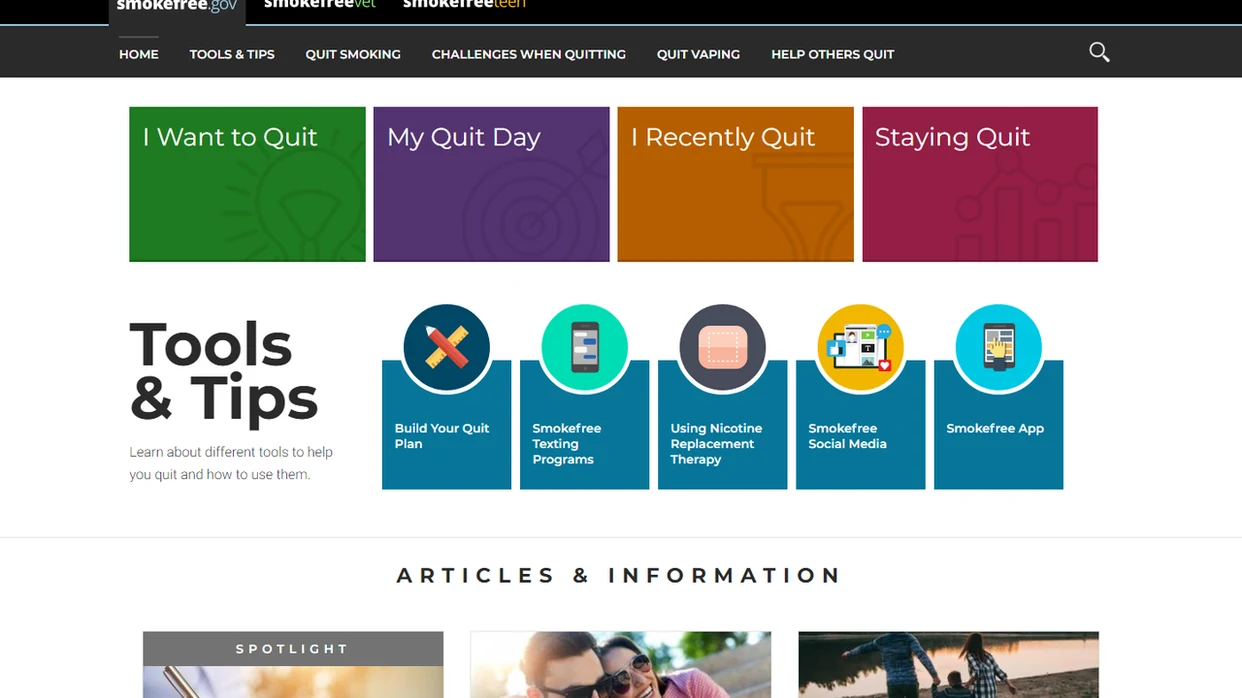
quitSTART is teen-friendly and backed by Smokefree.gov, which helps if a friend passes a vape at lunch. Its weakness is that older adults may find the tone less relevant.
My QuitBuddy
My QuitBuddy is Australian government-backed and includes community-style support. Its weakness is that some guidance may feel less local outside Australia.
Quit Vaping by Jonathan Kopp
Quit Vaping by Jonathan Kopp has a vape-specific design and clear tracking flow. Its weakness is narrower support outside app-based logging.
Quash
Quash is UK-focused and uses evidence-informed content. Its weakness is that access and fit may vary by country.
The right fit for daily urge tracking is MeQuit because it connects puff logs, craving ratings, and a smoke-free streak dashboard without making you rebuild the plan from scratch.
Who Should Use a Free Quit Vaping App
A free quit vaping app is best for someone who wants to catch the habit in real time: the craving, the puff, the trigger, and the reset after a slip. It fits light or moderate users who can self-log honestly and want structure without paying first.
Use the app match like a quick triage:
- Choose craving and puff tracking if your hardest problem is not knowing when vaping happens. Car rides, gaming, coffee, bathroom breaks, and bedtime scrolling often look clearer after a few days of logs.
- Pick youth-focused support if you are a teen or young adult who wants a quitSTART-style tone, short prompts, and social-pressure help rather than clinical language.
- Add outside care if withdrawal feels heavy, panic-like, or impossible to ride out. Counseling, a quitline, or nicotine replacement therapy may be the safer layer.
- Prioritize privacy-first or offline tracking if you do not want nicotine data, location, or health notes connected to an account.
- Try MeQuit if you want vape-specific logging, craving ratings, and a relapse reset workflow that treats one lapse as information, not failure.
Selection Criteria for Free Nicotine Tracker Apps
We judged free nicotine tracker apps by what they help you do during the first week, not by app-store polish. The strongest apps include coping planning, relapse prevention, withdrawal education, and clear referrals to quitlines or counseling.
We also checked whether each app had a clear owner, recent availability, vape-specific language, privacy disclosures, and practical support beyond streak counting. Apps that only renamed cigarette tracking as vaping support were treated as weaker fits for this keyword.
A good stop vaping app should also explain privacy in plain language. We looked for vape-specific content, not just cigarette advice with “vape” swapped in. Nicotine salts, stealth puffs, and pod refills create different logging problems than a pack of cigarettes.
Most vaping cessation apps rely on tracking and monitoring, but the 2022 review found they rarely include key behavior change techniques or quitline referrals. Good stop smoking apps deliver repeatable quit-day support, not a scoreboard that shames you after a slip-up.
If the priority is evidence-based structure, MeQuit earns a place because coping prompts and relapse reset steps sit next to the free nicotine tracker.
Ready to start your quit?
A free quit vaping app helps you log cravings, track nicotine intake, and monitor smoke-free days at no cost, but only a handful of the apps available actually include…
How a Free Quit Vaping App Works
A free quit vaping app works by making vaping measurable before, during, and after an urge. The core mechanism is self-monitoring, which means noticing and recording the behavior instead of letting the habit run on autopilot.
In practice, a craving log turns one vague “bad day” into a pattern: time, place, mood, device access, and trigger. After a week, you may see that the hardest urges happen in the car, after coffee, while scrolling in bed, or when stress spikes. Reminders and coping prompts then help you swap the puff for a replacement behavior, such as drinking water, leaving the room, breathing through the craving wave, texting support, or keeping your hands busy.
Motivation tools matter too. Streaks, money saved, and nicotine-free time make progress visible when withdrawal feels loud. Reset buttons also help because they treat a slip as data, not proof that the quit attempt failed. Apps like MeQuit work best as part of a wider quit plan, especially when paired with counseling, quitlines, or medication when those supports are appropriate.
Behavior Science Inside a Free Quit Vaping App
A free quit vaping app works by turning a private, automatic habit loop into visible data. Self-monitoring is the behavior change technique here; in plain English, you write down what happened before your brain rewrites the story.
Craving-trigger logging can feed more useful coping prompts. A red traffic light beside a convenience store is different from scrolling in bed at midnight. Progress metrics like time vape-free, money saved, and health milestones also use loss aversion. You don’t want to lose the streak you just built.
Clinicians typically suggest combining behavioral support with medication when appropriate, because a Cochrane review found that behavioral support plus medication can make people up to twice as likely to quit successfully source. MeQuit supports that plan by keeping the craving log, reminders, and reset workflow on your phone.
Small logs count.
6 Steps to Use a Free Nicotine Tracker to Quit Vaping
Use a free nicotine tracker like a field notebook for your quit day. The goal is not perfect data; it is seeing the pattern soon enough to change the next choice.
- Set your quit date and enter your baseline nicotine level, device strength, or usual pod use.
- Log every puff or pod for the first week, even the ones you barely notice.
- Review craving patterns and mark triggers such as lunch break, gaming, driving, or stress texts.
- Activate coping reminders and set taper targets if gradual reduction fits your plan.
- Combine the app with a quitline, counseling, or nicotine replacement therapy if withdrawal feels bigger than expected.
- Reset after a slip-up by tracking the lapse, not just the streak.
For people trying to quit vaping with phone, MeQuit is practical because the urge rating can be logged with a shaky thumb before the craving wave peaks.
Reset the plan.
5 Common Myths About Free Stop Vaping Apps
Free stop vaping apps can help, but they are not automatically medical tools. App-store availability does not mean an app was tested, approved, or built around cessation science.
Myth 1: All quit apps are medically approved. Most are not formally evaluated by health authorities.
Myth 2: An app alone guarantees you’ll quit. The most evidence-backed approach is app-based self-monitoring combined with behavioral support, and medication when appropriate.
Myth 3: Nicotine trackers calculate intake accurately by default. Most depend on your device strength, pod estimates, and honest entries.
Myth 4: Big-brand apps never monetize health data. Data-sharing practices vary, so read the privacy policy before logging nicotine use.
Myth 5: Few adults actually want to quit vaping. Per the CDC, 61.4% of adult e-cigarette users in 2021 said they intended to quit eventually source.
Quitters who think, “I already messed up, so I might as well vape the rest of the day,” fit MeQuit because the lapse log separates one slip-up from losing the whole smoke-free streak.
Privacy Checklist for Any Free Quit Vaping App
A free quit vaping app should be checked for privacy before you enter health or nicotine data. Competitor lists often compare features, but few explain what free apps may collect behind the scenes.
- Check whether the app collects location, contacts, device IDs, or health logs.
- Look for third-party ad trackers, analytics SDKs, and vague “partners” language.
- Verify whether data can be sold, shared, or used for advertising.
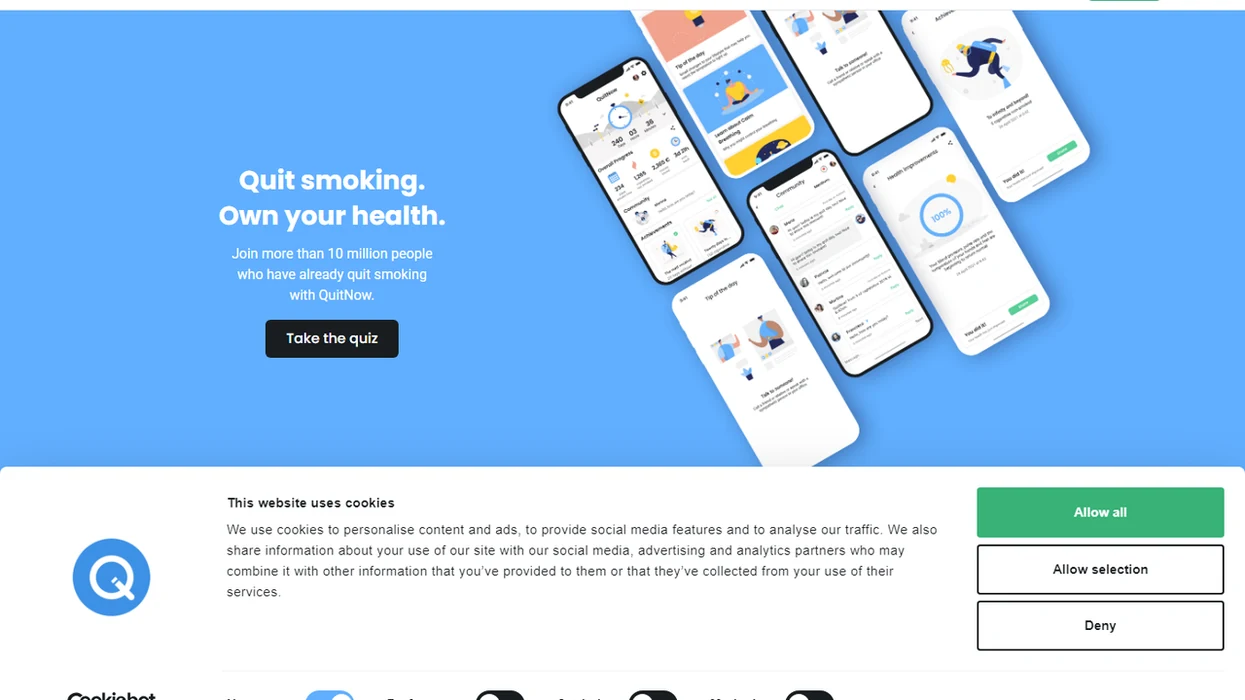
- Compare permissions across MeQuit, quitSTART, My QuitBuddy, QuitNow, and similar apps.
- Avoid logging details you would not want tied to your identity.
If you need one place for both vaping and cigarettes, an app that tracks vaping and smoking can reduce duplicate logging. Just read the permissions first.
Limitations
Free quit vaping apps have real limits, and knowing them helps you use the tool better.
- There is limited high-quality research proving that free vaping-only apps independently increase quit rates.
- The 2022 review found only 8 eligible vaping cessation apps, with an average quality score of 3.66/5.
- Gamification can feel motivating early, but badges may not help much during intense withdrawal.
- Free apps often include ads, in-app purchases, or data practices that reduce trust.
- Many stop-smoking apps still lean on cigarette-focused content that misses nic salts, stealth puffs, and constant access.
- Nicotine tracker accuracy depends on consistent self-reporting. Missed entries distort the pattern.
- App support is not a substitute for urgent medical care, counseling, or a quitline when you need deeper help.
MeQuit stop smoking app is useful for tracking what actually happened, but it cannot make withdrawal disappear. For symptom timing, a quit smoking timeline can help set expectations.