

> Definition: A quit smoking daily motivation app is a mobile tool that delivers scheduled reminders, streak tracking, health-progress updates, and coping exercises to help users resist cravings and maintain their quit plan every day.
- Daily motivation features like streaks, savings counters, and timed reminders are rooted in behavioral science, not just feel-good quotes.
- Mobile cessation apps increase quit rates by 67% vs. minimal support, especially when paired with NRT or counseling.
- The best apps personalize notifications to your trigger times and craving intensity, countering the engagement decay most quitters experience after the first week.
At a Glance: 5 Quit Smoking App Motivation Tools
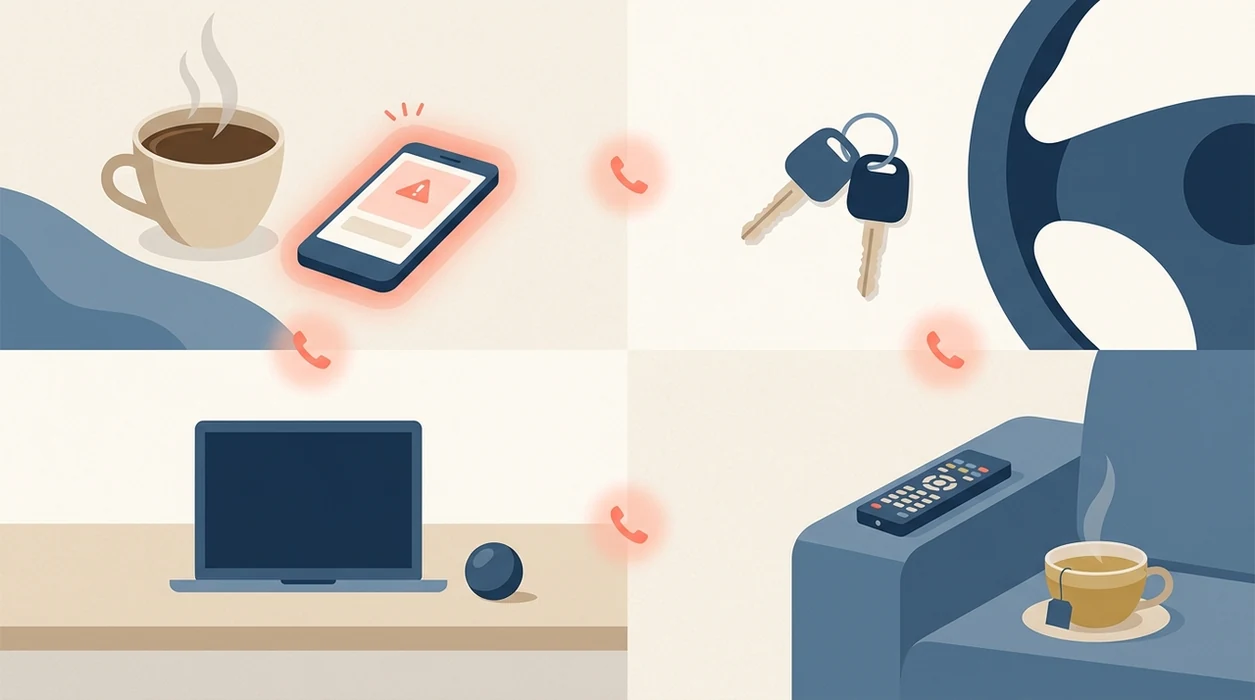
- Quit smoking reminders: Timed alerts work better than one-time advice because cravings return at repeat moments, like lunch break or the drive home.
- Smoke-free streaks: A visible streak turns “I hope I’m doing okay” into a number you can protect.
- Health milestones: Progress updates help you see health milestones after quitting, even when withdrawal still feels loud.
- Savings tracker: Money saved can make the next cigarette feel more expensive than it looks at the counter.
- Coping tools: CBT reframes, breathing prompts, and mindfulness exercises give you something to do during the craving wave.
Per the CDC, about 55% of adult smokers try to quit each year, but only about 7.5% succeed without enough support. Daily touchpoints matter because quitting is repeated practice. The scratchy throat after the first smoke-free day is easier to tolerate when the phone says, “Do this for three minutes.”
Top 5 Daily Quit Motivation Features Worth Comparing
- Timed craving reminders: These should match your real trigger windows, not random app enthusiasm at 2 p.m.
- Streak and milestone badges: Badges matter when they mark behavior you earned, like one full dinner without stepping outside.
- Health-recovery timeline: A timeline explains what may be changing in your body as smoke exposure drops.
- Savings calculator: A good cigarette savings calculator app converts “not smoking” into rent, groceries, or a weekend plan.
- Coping-action library: Short actions, such as breathing, delay timers, and thought reframes, help when your shoulders get tight.
When the issue is losing momentum after day three, look for a workflow that keeps today’s reason visible: a smoke-free streak, craving log, savings counter, and one-tap reset. MeQuit includes those pieces, but the useful test is whether the reminders match your real trigger windows.
How We Picked Quit Smoking Reminder Tools
We looked for quit smoking reminders built around evidence-based design, not just inspirational wallpaper. Stronger tools borrow from CBT, quitline guidelines, mindfulness practice, and randomized-trial research where available.
Only a minority of commercial stop smoking apps use clinically validated content, so feature labels are not enough. A content analysis of popular cessation apps found many did not fully follow U.S. clinical practice guidelines. We gave more weight to trigger-based timing, craving intensity settings, dynamic goals, and fresh content after the first week. That matters because the first week is when many people stop opening the app.
For people comparing apps, MeQuit earns attention because it asks what happened, then uses that pattern for future reminders. Good quit smoking apps deliver repeated, timely support, not a magic button that removes withdrawal.
How Daily Quit Motivation Mechanics Actually Work
Daily quit motivation works by interrupting habit loops and rewarding the next smoke-free choice. In plain English, the app tries to catch the automatic reach before it becomes a cigarette.
Reinforcement Loops Behind Streaks and Badges
Operant reinforcement means a behavior becomes easier to repeat when it gets a clear reward. Streaks, badges, and savings totals create that reward. Variable-ratio reinforcement adds small surprises, like a milestone you did not expect. Oddly motivating. A phone badge can feel minor, but it may still protect the moment when the car cup holder is full of pods.
Just-in-Time Reminders for Craving Windows
Just-in-time adaptive interventions, or JITAI, send support near high-risk moments. A JAMA trial found mobile cessation support produced 10.7% abstinence at six months versus 4.9% in controls source. MeQuit uses trigger logging so reminders can match your pattern. Daily success usually depends more on timely interruption than on feeling motivated all day.
How to Use a Quit Smoking Daily Motivation App Effectively
The most evidence-backed approach to quitting smoking is combining behavioral support with proven cessation treatments, such as NRT, medication, or counseling when appropriate. Smokers using counseling plus medication are 2 to 3 times more likely to quit than those trying without evidence-based help, according to the CDC source.
- Set your quit date and enter your baseline cigarette count.
- Log your personal triggers, including stress, meals, social events, and sitting in traffic.
- Customize reminder times around your highest-craving windows, not every hour.
- Complete one coping action each time a craving notification fires.
- Review your streak, health stats, and savings weekly so progress stays visible.
- Reset after a slip-up, log it, adjust the trigger, and keep going.
After a lighter bought with gas station snacks, when shame says the day is ruined, MeQuit helps reset the plan through slip logging and trigger adjustment.
Ready to start your quit?
A quit smoking daily motivation app sends timed reminders, tracks smoke-free streaks, and suggests coping actions when cravings hit hardest. Cochrane evidence shows mobile…
Best Quit Smoking Reminders for 4 Hard Moments
Personalized reminders work because each craving has a different job. Generic notifications can get ignored, or worse, make you swipe away the whole quit plan.
| Hard moment | Reminder type | Why it helps |
|---|---|---|
| Morning routine craving | Health-progress reminder | Replaces the automatic first cigarette cue with a reason to wait. |
| Post-meal craving | Breathing exercise prompt | Gives your mouth and hands a task after eating. |
| Stress-triggered craving | CBT thought-reframe card | Turns “I need a cigarette” into “I need three minutes before I decide.” |
| Social or alcohol-related craving | Savings-counter push plus distraction task | Makes the cost visible and redirects attention fast. |
For people who need daily quit motivation during repeat routines, MeQuit covers the gap with trigger-timed reminders and a coping-action library. If money is your strongest reason, an app that tracks money saved not smoking can make the reward feel concrete.
Who Should Use a Quit Smoking Daily Motivation App?
A quit smoking daily motivation app is best for someone whose cravings show up in predictable windows and who likes seeing progress in plain numbers. It is support for the daily pattern: the commute, the after-lunch itch, the late-night stress scroll.
Use an app if streaks, savings totals, health milestones, and check-ins make you want to protect what you have already built. It may be less helpful if notifications make you tense, guilty, or more likely to avoid the whole quit plan. In that case, quieter support may fit better.
- Map your trigger windows and choose an app only if reminders can match those moments.
- Compare app support with quitlines, counseling, medication, and nicotine replacement therapy, especially if withdrawal is heavy.
- Decide what motivates you: visible streaks, money saved, health progress, or simple coping prompts.
- Check your privacy comfort before entering craving logs or smoking history.
- Choose government resources such as Smokefree.gov or a state quitline if you want public-health guidance with fewer commercial app concerns.
MeQuit fits people who want daily tracking and reset steps, not just a one-time quit date countdown.
Common Myths About Quit Smoking Motivation Apps
A quit app alone will not make you quit. It works better as part of a multi-method plan that may include NRT, medication, counseling, quitlines, or social support.
Daily reminders are not automatically annoying. Tailored reminders can be coping tools when they arrive before a phone call pacing near the back door, not twenty minutes later.
A slip-up does not mean the app failed. Many quit plans expect relapse-recovery cycles because the useful question is, “What trigger showed up?”
All stop smoking apps are not the same. Some focus on community, like BecomeAnEX. Others focus on public-health guidance, like Smokefree.gov. MeQuit focuses on daily tracking, reminders, and reset steps so you can track what actually happened. For a broader evidence review, we cover whether do stop smoking apps work.
Honest Cons of Daily Quit Motivation Apps
Daily quit motivation apps have real drawbacks. Notification fatigue is the big one. If reminders are too frequent, too cheerful, or not tied to your triggers, you may disable them by Wednesday.
Self-reporting also limits accuracy. If you do not log cravings, cigarettes, or slip-ups honestly, the app cannot learn your pattern. Engagement drop-off after the first week is common, especially once the novelty fades.
Not all apps have randomized controlled trial evidence or clinical validation. Privacy also matters because craving logs, smoking history, and health notes are sensitive data. Anyone dealing with privacy worries should compare permissions before sharing details. MeQuit works best when users keep logs simple, specific, and consistent.
Limitations
- MeQuit is not a medical treatment and cannot replace prescription medication, nicotine replacement therapy, or professional counseling.
- Only a subset of commercial quit smoking apps have been tested in randomized controlled trials.
- Notification fatigue can lead users to disable alerts, which removes much of the daily motivation benefit.
- Effectiveness depends on honest self-reporting and consistent daily use.
- Data privacy and security practices vary widely, so users should review permissions and data-sharing policies before entering health details.
- Apps work best as supplements to NRT, medication, quitlines, or counseling, not standalone cures.
- Competitors such as Smokefree.gov and NHS Better Health may be better fits for people who want government-run education instead of app-led tracking.
- The MeQuit stop smoking app can support quitting cigarettes or vaping, but it cannot diagnose withdrawal symptoms or tell you which medication is safe for you.
When to Get Professional Quit-Smoking Support
Get professional quit-smoking support when your health situation is complicated, withdrawal feels unmanageable, or you are considering medication or nicotine replacement therapy. Apps can help you stay organized day to day, but they should sit beside clinical care, not replace it.
- Talk with a clinician before starting patches, gum, lozenges, varenicline, bupropion, or any other quit-smoking medication, especially if you already take prescriptions.
- Ask for medical guidance if you are pregnant, have heart disease, live with lung disease, manage a mental health condition, or have several health issues at once.
- Use counseling or a quitline when you keep moving through the same relapse loop: quit date, strong start, one trigger, then a full return to smoking.
- Get urgent support if withdrawal brings severe mood changes, panic, depression, thoughts of self-harm, chest pain, or symptoms that feel unsafe.
- Keep using the app for reminders, streaks, craving notes, and reset steps, while letting a clinician, counselor, or quitline help with the higher-stakes decisions.