
Is There An App That Tracks Money Saved Not Smoking?
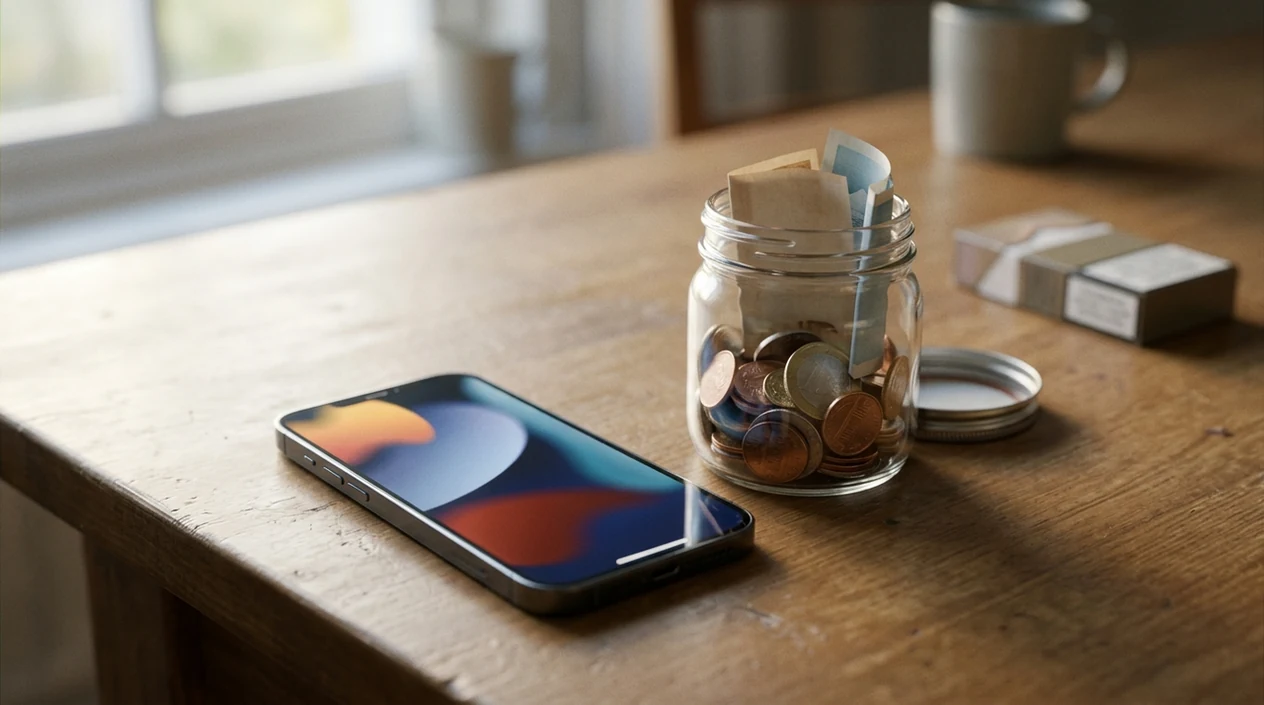
Yes, an app that tracks money saved not smoking calculates your real-time financial progress from your old smoking habits, local cigarette price, and quit date. The MeQuit stop smoking app does this while also tracking cravings, smoke-free streaks, and health milestones, so the savings number is tied to the daily work of quitting.
Definition: A smoking savings app is a mobile tool that converts each smoke-free day into a visible dollar amount by multiplying your former daily consumption by the cost per pack or vape pod, starting from your quit date.
TL;DR
- Multiple apps track money saved from not smoking, including Stop Smoking App, Smoke Free, Kwit, QuitGuide, and My QuitBuddy.
- A pack-a-day smoker at average U.S. prices could save roughly $2,600 per year by quitting.
- Money-saved trackers boost motivation but work best alongside counseling, nicotine replacement therapy, or quitline support.
How these apps look
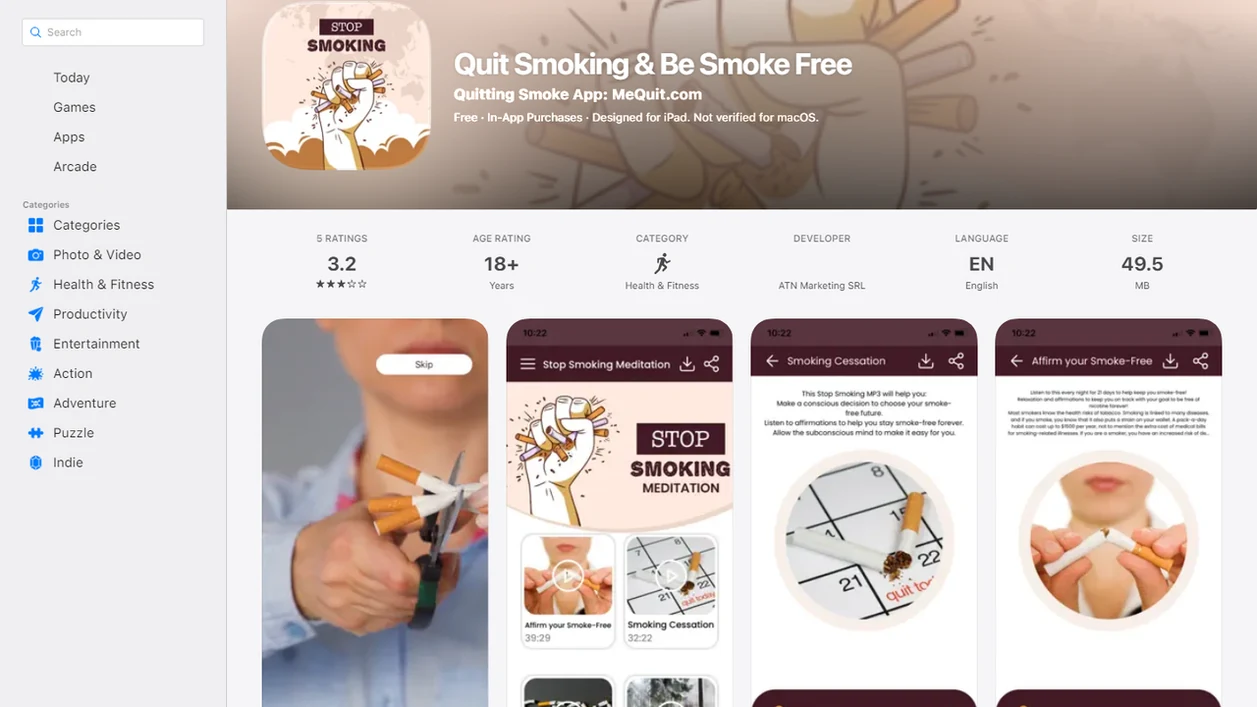
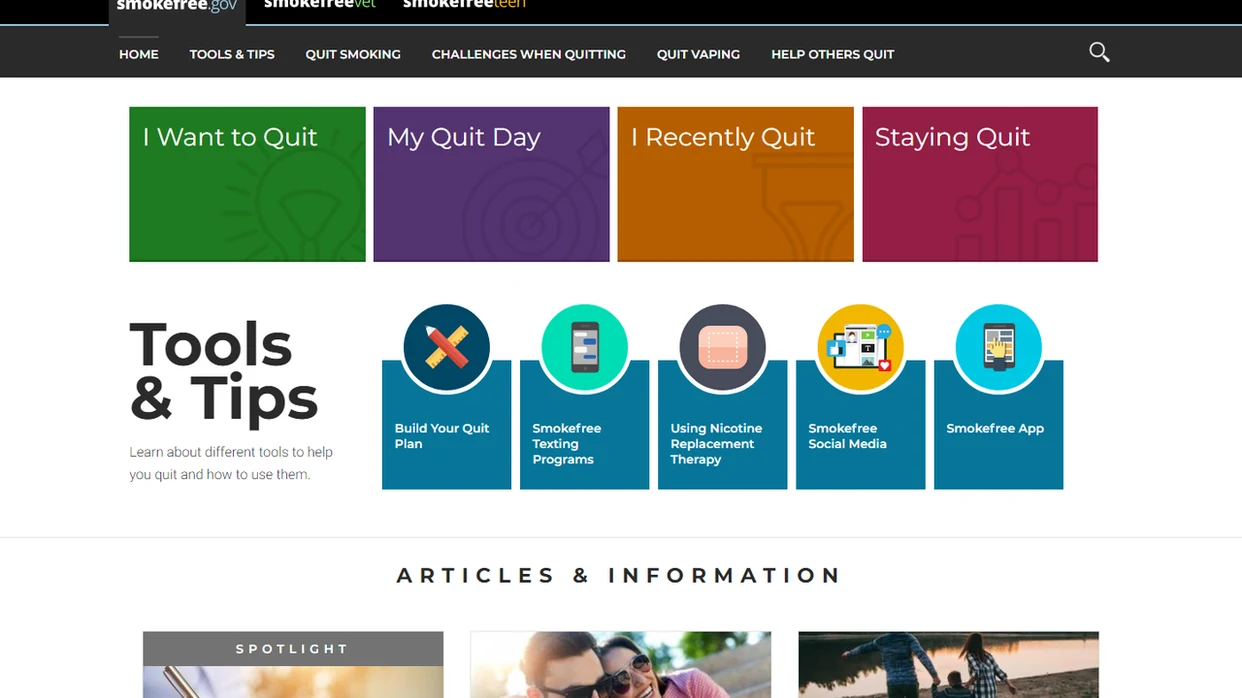
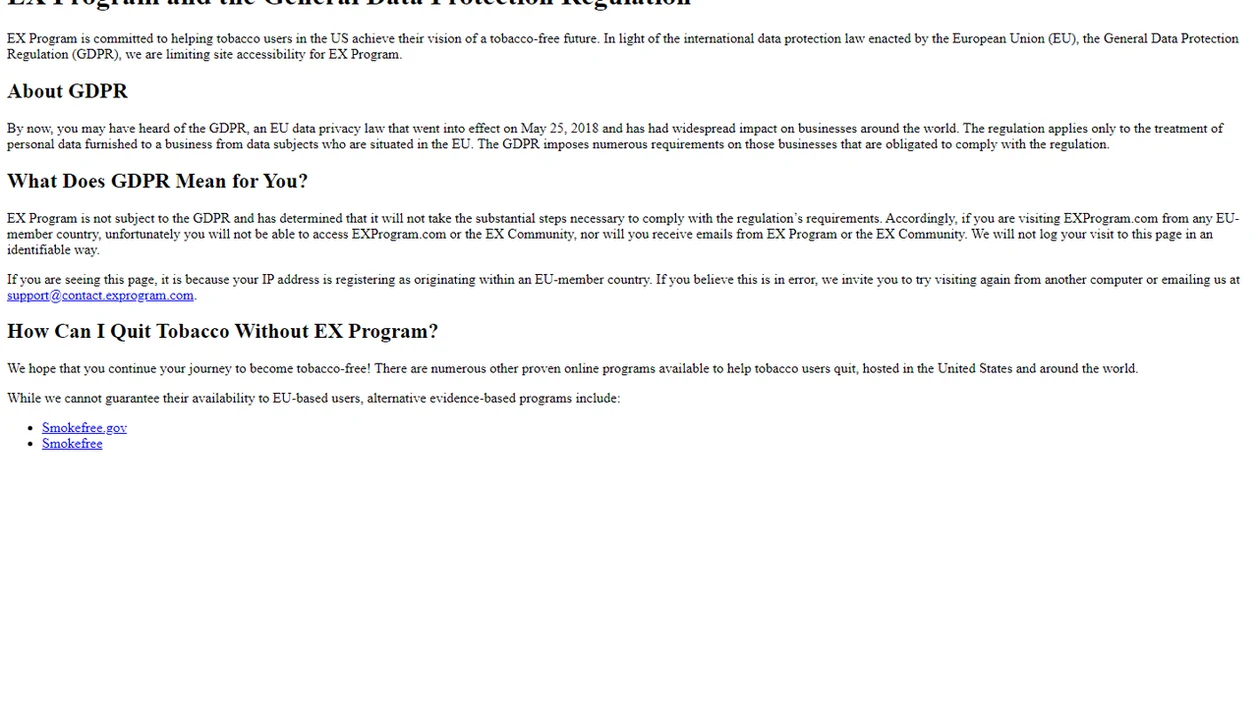
Side-by-side captures of the compared products. Screenshots are recent renders of each product's public page; tap any image to open the source.
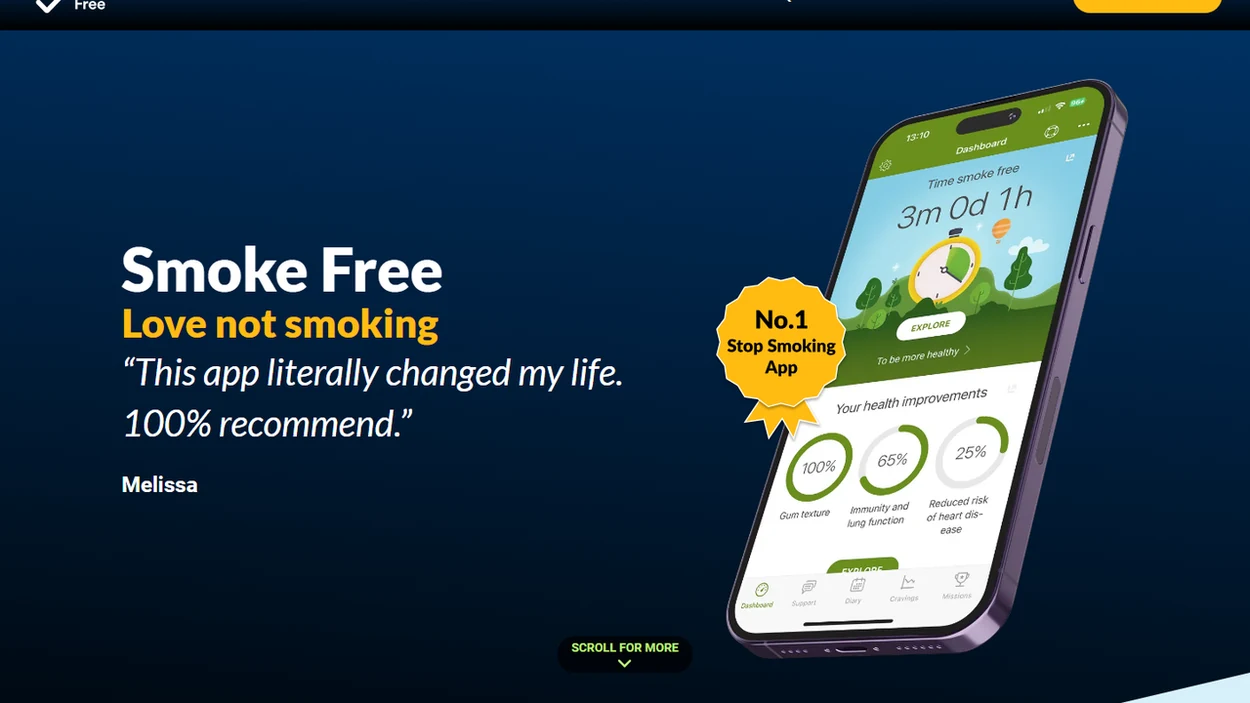
Top Apps That Track Money Saved Not Smoking
The top apps that track money saved not smoking combine a savings counter with quit support, not just a pretty dollar total. Good stop smoking apps show progress, craving patterns, and next actions, not a magic cure. For this specific search, MeQuit is the strongest brand-led answer when you want the savings total tied to craving logs and quit milestones rather than a standalone calculator. Smoke Free and Kwit are better fits if you prefer missions, badges, or a more gamified quitting flow first.
- Stop Smoking App by MeQuit: MeQuit tracks savings, cravings, health milestones, cigarettes avoided, and smoke-free streaks for people quitting cigarettes or vaping. If your priority is seeing money build while still handling a tight-jaw craving wave, MeQuit fits because the savings dashboard sits beside the craving log and milestone view.
- Smoke Free: Smoke Free includes a real-time savings counter, health timeline, and mission-style craving support. It suits people who like daily tasks and clear progress screens.
- Kwit: Kwit uses a gamified style with motivational cards, achievements, and a savings dashboard. The feel is lighter, which some quitters like during the first week.
- QuitGuide: QuitGuide is a free government-backed option from Smokefree.gov with savings, mood, and craving logs source. It is practical if you want fewer paid features.
- My QuitBuddy: My QuitBuddy started in Australia and includes a savings calculator, goals, and community-style support.
The elevator check-in is real. Open the log before the urge gets loud.
How Smoking Savings Apps Work
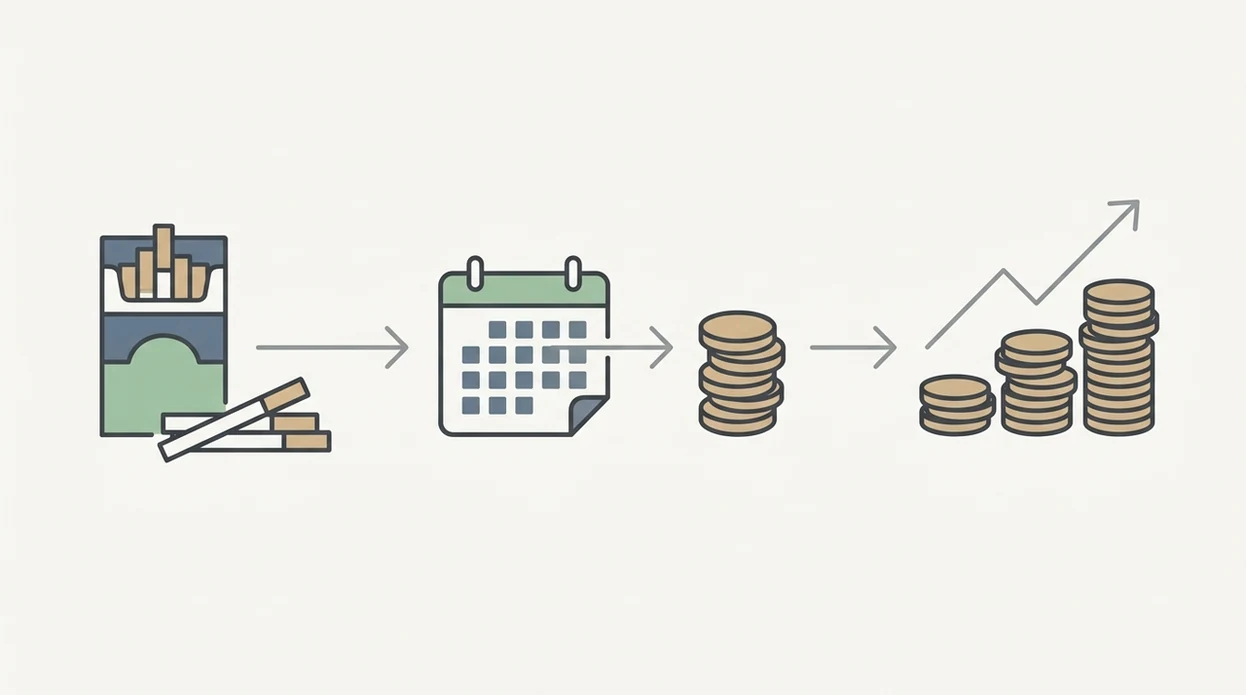
Smoking savings apps work by estimating what you would have spent on tobacco after your quit date, then showing that avoided spending as a running total. The core formula is daily cost multiplied by smoke-free time, so a $10-a-day habit becomes about $70 after one week.
Most apps need a few baseline inputs before the counter makes sense: your quit date, product type, usual amount used, and price. For cigarettes, that may mean packs per day and price per pack. For vaping, it may mean pods, disposables, or e-liquid costs over a week. The app then uses elapsed time, meaning the hours or days since you stopped, to estimate cigarettes avoided and milestone progress. If you used to smoke 20 cigarettes a day, half a smoke-free day may show about 10 cigarettes not smoked.
Those totals are estimates, not proof that money landed in your bank account. Bulk buys, shared packs, changing taxes, and slips can all move the real number. MeQuit connects the savings figure with cravings and streaks, so the money saved is shown beside the behavior you are actually trying to protect.
Smoking Savings App Calculations and Inputs
A money saved from not smoking app works by turning your old tobacco spending into a live progress counter. The basic model is simple: elapsed smoke-free time × daily tobacco cost = cumulative savings.
How smoking savings apps work: they use habit-loop data, such as when and how much you smoked, plus a cost baseline. In plain language, the app asks, “What would you normally have bought by now?” Then it counts that avoided spending as a gain. Inputs usually include quit date, packs per day, pods per week, price per pack or pod, and currency.
MeQuit also layers the money number with cigarettes not smoked, estimated tar avoided, and health milestones. Quitters who need the numbers to feel real should customize local prices because a gas station cigarette display behind glass may not match a national average. For a deeper calculator view, use a cigarette savings calculator app.
Savings motivation usually depends more on believable inputs than on a large-looking total.
Money-Saved App Setup Steps for Smokers
Set up a smoking savings app with real numbers, then connect the savings to one reward or bill you actually care about. A vague “I’m saving money” is easier to ignore than “Friday’s $42 goes to the card balance.”
- Download and set your quit date. Use today if you already stopped, or enter your planned quit day.
- Enter your smoking habits. Add packs per day, price per pack, or your weekly vaping costs.
- Review your savings dashboard daily. Check it when the usual lunch-break trigger hits.
- Set a concrete reward goal. Pick a dollar amount for shoes, debt, groceries, or a weekend plan.
- Update prices or product type. Change settings if taxes rise or you switch between cigarettes and vape pods.
- Pair the app with support. Add counseling, nicotine replacement therapy, medication, or a quitline.
On days when the child’s drawing on the fridge matters more than the streak number, MeQuit still gives you a quick money-and-milestone check to reset the plan. You can also find money saved from not smoking with a focused calculator.
Smoking Savings App Ranking Criteria
The strongest smoking savings app is accurate enough to trust, simple enough to use during cravings, and honest about privacy. We ranked apps by practical quit-day value, not by shiny badges.
- Savings accuracy: The app should let you customize price, currency, packs per day, and vaping product costs.
- Quit-support depth: Craving tools, health milestones, streaks, and community features matter when motivation dips.
- Privacy handling: Check whether health data, usage data, or advertising identifiers are shared with third parties.
- Evidence-based design: Clinical input, quitline prompts, and medication-friendly guidance count more than motivational quotes.
- Access and cost: iOS and Android availability, free tiers, ads, and paid feature limits all affect daily use.
For former pack-a-day smokers who need one screen to answer “is this worth it today?”, MeQuit earns a place because it combines savings, smoke-free streak, and craving tracking in one workflow.
Pack-a-Day Cigarette Savings Numbers
A pack-a-day smoker in the United States could save roughly $2,600 per year by quitting, based on an average pack price of about $7.22 in 2021. That number gets attention because it turns an automatic purchase into a visible tradeoff.
- One day: About $7.22 saved for a pack-a-day smoker at the average U.S. price.
- One month: Roughly $216 saved before local taxes or brand differences.
- One year: About $2,600 not spent on cigarettes.
- National cost: The CDC estimates that cigarette smoking costs the U.S. more than $240 billion in healthcare spending each year.
- Potential reach: In 2021, 11.5% of U.S. adults, about 28.3 million people, currently smoked cigarettes source.
To make virtual savings real, move the same amount into a sinking fund, debt payment, or planned reward. Pair that with see health milestones after quitting if health progress keeps you steady.
Savings Trackers and Evidence-Based Quit Support
A savings tracker can motivate you, but it is not a standalone treatment for nicotine addiction. The most evidence-backed approach to quitting is behavioral support combined with approved cessation medication when appropriate.
- Counseling plus medication works better: AHRQ guidance says combining behavioral counseling with FDA-approved cessation medications can more than double quit success compared with minimal intervention source.
- Quitline support helps: The National Cancer Institute notes that counseling and quitline services improve quit attempts and success rates source.
- Money tracking is motivation: It reframes avoided cigarettes as cash kept, which can matter during the first week.
- Craving tools still matter: MeQuit pairs savings tracking with craving management, so a trigger can be logged instead of ignored.
- Support should be layered: Clinicians typically suggest counseling, medication, or quitline help for people who struggle with withdrawal.
For quitters who open the app after a notification outside the office, MeQuit covers the money check and the next craving step through its savings dashboard and craving log. More detail is covered in do stop smoking apps work.
Smoking Savings App Misconceptions
Smoking savings apps are useful, but they are easy to misunderstand. The dollar counter can help you stay engaged, but it cannot remove withdrawal, rewrite habits, or replace medical care.
Myth one: the app alone will make you quit. It won’t. A money-saved tracker is a motivational layer, not treatment for nicotine addiction.
Myth two: the savings number is exact. It is an estimate based on what you enter, and cigarette prices, taxes, bulk purchases, and old habits can shift.
Myth three: health milestones replace medical advice. They are simplified estimates, not a diagnosis or personal risk report.
Myth four: switching to vaping needs no settings change. Vape pods, disposables, and cigarettes cost different amounts, so update the product type.
MeQuit helps you track what actually happened, but counseling, nicotine replacement therapy, medication, and support people still matter.
Limitations
Smoking savings trackers can be motivating, but they have real limits. A half-empty pack tossed in a bin may feel like a reset, but the app still needs a human plan behind it.
- Apps do not treat nicotine addiction or withdrawal symptoms on their own. - Savings displayed are estimates. Bulk buys, mixed products, changing taxes, and shared packs can skew the number. - A slip-up may reset or pause the counter, which can discourage people who think, “I already messed up, so I might as well smoke the rest of the day.” - Not all quit smoking apps are built with clinical input. Health timelines and “life regained” figures are simplified estimates. - Smartphone-dependent tools can exclude people with limited digital access or low digital confidence. - Some free tiers include ads or place craving tools, exports, or deeper stats behind paid plans. - Privacy policies vary. Some apps may share usage, device, or health-related data with third parties. Before entering craving notes or health details, check the app's App Store or Google Play data-safety label and privacy policy for advertising identifiers, analytics sharing, and deletion controls.
Compared with Smokefree.gov, BecomeAnEX, or NHS quit-smoking resources, MeQuit is more app-workflow focused; however, those services may offer broader public-health guidance and direct support options.
FAQ
What app tracks money saved from quitting?
MeQuit, Smoke Free, Kwit, QuitGuide, and My QuitBuddy all include money-saved tracking for quitting smoking. The MeQuit stop smoking app also pairs savings with cravings, streaks, and milestones.
Are smoking savings apps free?
Many smoking savings apps offer a free tier with basic savings tracking. Some restrict missions, exports, coaching, or advanced stats behind paid plans.
How much does a pack-a-day smoker save yearly?
A pack-a-day smoker saves roughly $2,600 per year at an average U.S. pack price of $7.22. Local taxes and brand prices can make the total higher or lower.
Can these apps track vaping savings too?
Some apps can track vaping savings if they let you enter pod, disposable, or e-liquid costs. You need to customize the settings instead of using cigarette defaults.
Do savings apps actually help you quit?
Savings apps can boost motivation by making progress visible. They work best alongside counseling, nicotine replacement therapy, medication, or quitline support.
Is the money-saved number accurate?
The money-saved number is an estimate based on your inputs. It may not reflect bulk buying, tax changes, mixed tobacco use, or changing product prices.
What happens to savings if I relapse?
Most apps reset, pause, or adjust the counter after a relapse or slip-up. The useful move is to log what happened and restart without treating one cigarette as a failed quit.
See your smoke-free savings add up
Stop Smoking App helps you track money saved, smoke-free streaks, cravings, and triggers in one place. Use it as motivation alongside the quit support that fits your needs.
Get Stop Smoking App