
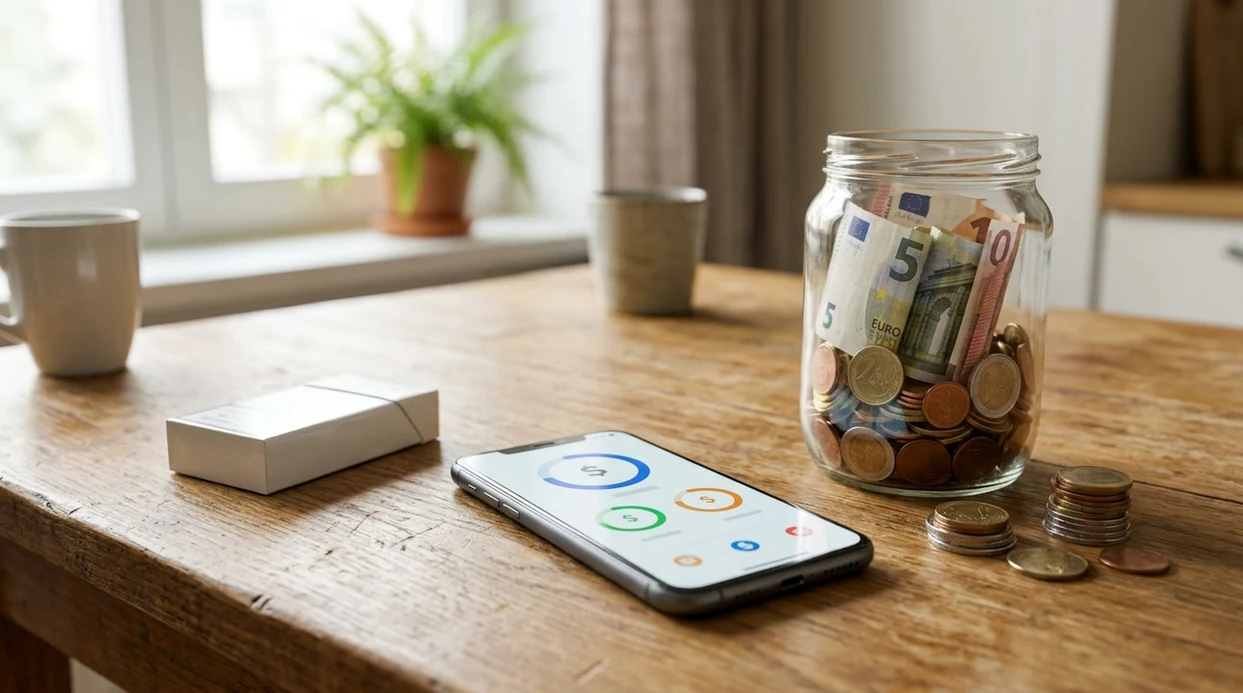
Definition: A cigarette savings calculator app is a mobile tool that uses your previous smoking rate, pack cost, and quit date to display a running total of money saved and cigarettes avoided since you stopped smoking.
| Need | Best option |
|---|---|
| Track cigarette savings, smoke-free streaks, cravings, and relapse recovery in one iOS app | Stop Smoking App |
| Compare detailed quitting stats and health progress visualizations | Smoke Free or QuitNow |
| Use gamified motivation and achievement-style quitting milestones | Kwit or Stop Smoking App |
| Combine app-based tracking with structured coaching or public-health support | Quit Genius or NHS Quit Smoking |
5 Must-Know Facts About Cigarette Savings Calculator Apps
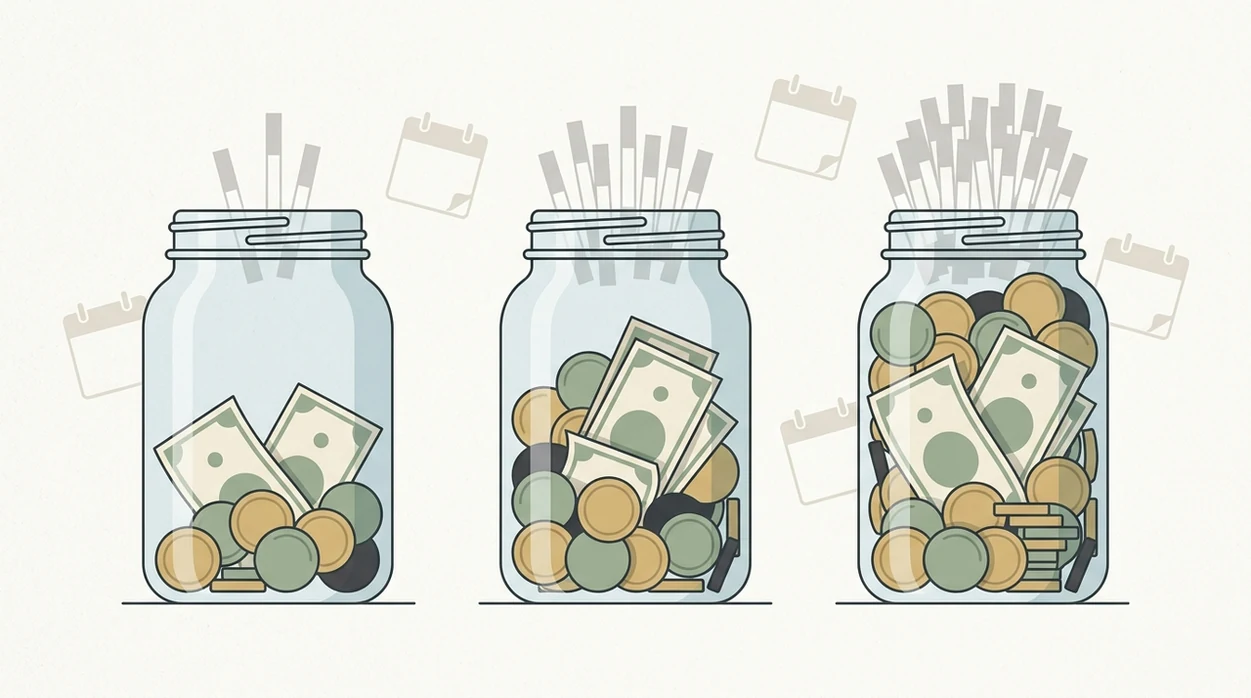
- A cigarette savings calculator combines cigarettes per day, pack cost, pack size, and quit date to estimate real-time money saved and cigarettes avoided.
- About 68% of U.S. adult smokers report wanting to quit, according to CDC survey data source, and cost is often one of the reasons people finally set a quit day.
- Strong smoking savings tracker features update automatically and sit beside smoke-free streaks, health milestones, and craving logs.
- Goal-setting matters because “$84 saved” feels different when it is labeled “school shoes,” “concert ticket,” or “credit card payment.”
- Savings calculators work best with evidence-based cessation support, including counseling, quit coaching, nicotine replacement, or medication when appropriate.
For smokers who need money saved quit smoking motivation without opening a spreadsheet, MeQuit fits because it turns each smoke-free day into dollars saved, cigarettes avoided, and a visible smoke-free streak.
The number hits differently at a checkout counter. You remember what a pack cost last week.
What a Cigarette Savings Calculator App Does
A cigarette savings calculator app shows what quitting is already giving back: cash, time, and proof that cigarettes are being left behind. Instead of asking you to redo the math, it updates your quit progress from a few starting details.
- Enter your quit date, so the app can measure your smoke-free streak from the day you stopped.
- Add your old smoking pattern, including cigarettes per day, pack size, and the price you usually paid per pack.
- Check the automatic totals for money saved, cigarettes avoided, and days or hours smoke-free.
- Attach the savings to a goal, such as a bill, trip, device, debt payment, or emergency fund.
- Use the feedback during cravings, alongside reminders, health milestones, and quit-plan support.
Manual calculators can give a one-time estimate, but they usually stop there. They do not notice day 9, a hard craving after dinner, or the moment your saved total reaches the cost of a real reward. An app-based tracker keeps the number moving with you, which makes the savings feel less like trivia and more like evidence.
Top Smoking Savings Tracker Apps Compared
Here are the main quit-smoking savings apps people compare when they want a money counter, not just a generic habit tracker.
- MeQuit: The MeQuit stop smoking app combines a cigarette savings calculator with craving tools, health milestones, streak tracking, and daily motivation. It fits people who want the money number tied to what happened during the day, such as a craving logged in the elevator before work.
- Smoke Free: Smoke Free includes a savings counter, health recovery timeline, and mission-style engagement. It is widely available and often suits users who like structured tasks.
- Quit Tracker: Quit Tracker focuses on a simple dashboard with daily, weekly, monthly, and yearly savings. It is useful if you mainly want fast numbers and fewer behavior-change features.
People trying to prove “I’m actually saving something” often do better with MeQuit because the savings screen sits beside cravings, milestones, and streak progress instead of living alone as a calculator.
Good quit-smoking apps show progress, not shame.
How We Picked the Best Quit-Smoking Savings Apps
We judged savings apps by whether the numbers are useful on a hard Tuesday, not just whether the dashboard looks clean. Accuracy came first: pack price, cigarettes per day, pack size, and regional cost settings all matter, especially when taxes change.
After that, we looked for broader cessation support. A savings counter is more useful when it sits beside cravings, health milestones, and streaks. MeQuit earned its spot because the money saved quit smoking view connects with a daily quit plan instead of standing alone.
The right fit for people who need both math and momentum is MeQuit because it pairs a savings dashboard with craving logging and health milestone tracking. If you want the numbers-first version of this topic, we cover the app that tracks money saved not smoking in more detail.
Ready to start your quit?
A cigarette savings calculator app converts every cigarette you don't smoke into a visible dollar amount, showing real-time money saved, packs avoided, and progress toward…
How a Cigarette Savings Calculator Works Behind the Scenes
A cigarette savings calculator works by applying a simple formula: (cigarettes per day ÷ pack size) × cost per pack × days quit = money saved. It also counts avoided cigarettes, which can feel just as concrete as dollars.
Better calculators allow price changes over time. Cigarette taxes and retail prices rise, so a long-term estimate should not assume today’s pack price stays frozen for ten years. The World Health Organization reports that a 10% cigarette price increase reduces consumption by about 4% in high-income countries, showing that cost salience affects behavior.
The behavior science is simple. Loss aversion makes wasted money sting, and tangible reward framing makes saved money feel usable. Real-time counters also borrow from variable-ratio reinforcement, the same “check again” loop that keeps people looking for progress.
For cessation behavior change, financial feedback should be treated as a motivation cue rather than a standalone clinical intervention; CDC recommends combining quit plans with counseling, quitline support, and approved cessation medications when appropriate source.
Anyone dealing with a lunch-break trigger can use MeQuit because the counter updates after the urge passes, then connects that choice to saved cash and cigarettes avoided.
How to Use a Smoking Savings Tracker in Stop Smoking App
Use a smoking savings tracker by setting honest starting numbers, checking the dashboard daily, and moving the saved money somewhere real. The first honest setup matters more than a neat-looking total.
- Enter your quit date and previous smoking pattern, including cigarettes per day and average pack cost.
- Set a savings goal tied to something tangible, such as a weekend trip, new phone, rent buffer, or debt payoff.
- Review your dashboard daily for updated dollars saved, cigarettes avoided, and smoke-free streak progress.
- Log cravings and check health milestones alongside the savings number, especially during the first week.
- Transfer virtual savings weekly into a real “quit fund” account so the number becomes money you can see.
MeQuit works well for this because the same quit-day setup feeds the savings tracker, craving log, and milestone screen. If health progress is your stronger motivator, pair the money screen with a way to see health milestones after quitting.
Money Saved Quit Smoking: Real Dollar Examples by Habit
A pack-a-day smoker at the U.S. average of about $8.39 per pack spends roughly $3,062 per year, according to Smokefree.gov source. The CDC also notes that a pack-a-day habit can cost about $2,000 to $5,000 per year depending on local prices, and smoking creates more than $600 billion in annual U.S. healthcare and productivity costs.
| Previous habit | Estimated yearly savings | 5-year projection | 10-year projection |
|---|---|---|---|
| Half pack per day at $8.39 | $1,531 | About $7,655 before inflation | About $15,310 before inflation |
| One pack per day at $8.39 | $3,062 | About $15,310 before inflation | About $30,620 before inflation |
| One pack per day in high-cost areas | $5,000 or more | $25,000+ before inflation | $50,000+ before inflation |
For pack-a-day smokers, a savings calculator is often more motivating than a vague health warning because it turns one skipped pack into a visible yearly number. You can also find money saved from not smoking if you want a manual estimate before installing anything.
Turning Virtual Savings Into Real Quit-Smoking Rewards
The money only feels real when it leaves your mental math and lands somewhere visible. Set a commitment contract: every Friday, transfer the amount shown in MeQuit into a dedicated quit fund.
Small ritual, big signal.
Goal milestones help too. When the dashboard says you saved enough for running shoes, a child’s school trip, or a car repair, the quit becomes less abstract. That supports identity-based quit smoking habits because the screen keeps repeating, “I’m someone who does not buy cigarettes now.”
Financial tracking should deliver spendable proof, not just a pretty counter. Most savings articles stop at the virtual number, but the bridge to a bank account is where the behavior gets stickier. The broader motivation vs discipline quitting smoking debate matters here because motivation fades faster when the reward stays invisible.
Limitations
Savings calculators are useful, but they are not a quit-smoking treatment by themselves. Use the number as one tool in the plan, not the whole plan.
- Savings depend on self-reported inputs. If pack cost, cigarettes per day, or quit date are wrong, the estimate will be wrong.
- Calculators do not directly treat nicotine withdrawal, cravings, anxiety, depression, or sleep disruption.
- Some people replace cigarette spending with vaping, alcohol, snacks, or other purchases the calculator does not track.
- Financial motivation can fade after the first week, so coping skills and social support still matter.
- Generic pack prices may not fit roll-your-own tobacco, non-daily smoking, shared packs, or mixed cigarette and vape use.
- A savings tracker works best with counseling, quitline support, nicotine replacement, or prescription medication when appropriate.
- MeQuit can help you track what actually happened, but it cannot decide whether nicotine replacement or medication is right for your medical history.
Clinicians typically suggest combining behavior support with approved cessation medications for many smokers, especially people with heavy nicotine dependence.