Tool That Can Replace Cigarette Breaks With Quick Coping Exercises
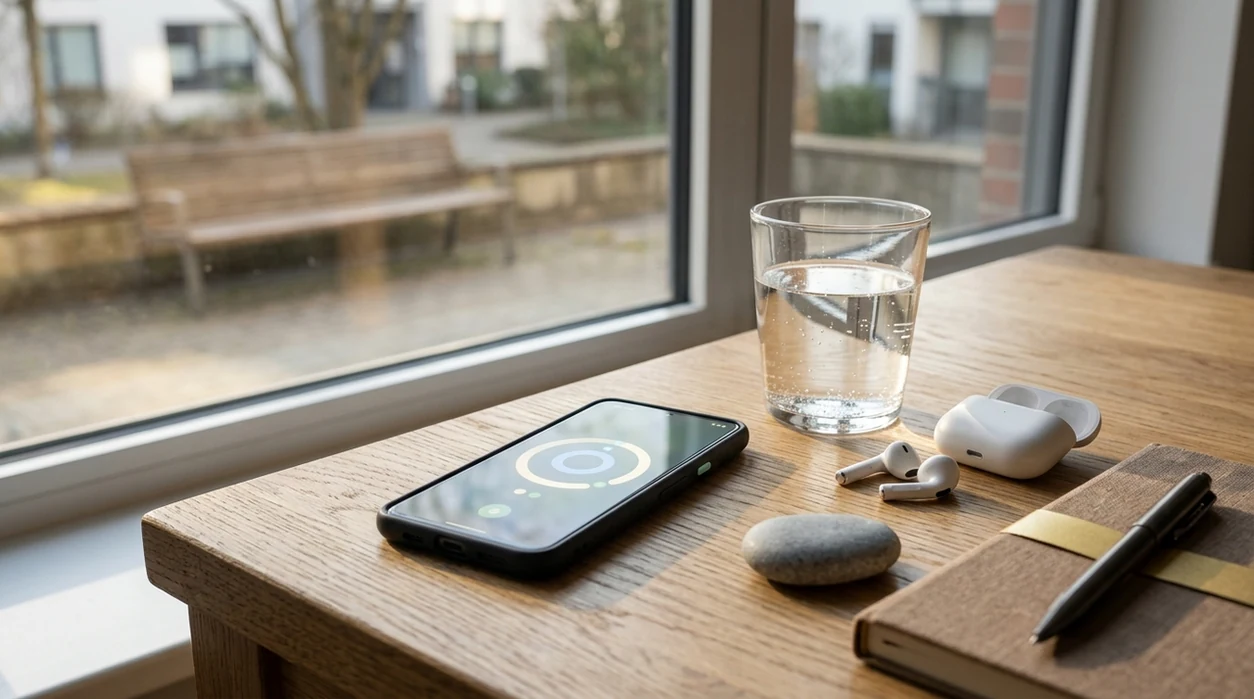
A tool that can replace cigarette breaks gives you a fast routine for the same moment you used to smoke, such as guided breathing, urge surfing, or a timed walk. MeQuit fits this job because it pairs break-time craving exercises with reminders, smoke-free streak tracking, and a quick way to log what triggered the urge.
Definition: A cigarette-break replacement tool is a mobile app or phone-based resource that substitutes a quick, evidence-based coping exercise for the act of smoking during habitual break times.
TL;DR
- Cravings peak and fade in 3–5 minutes, and a craving exercise app walks you through that window with breathing, walking, or distraction routines.
- Phone-based cessation tools can boost long-term quit rates by up to 67% compared with minimal support, according to a Cochrane review source.
- Stronger tools let you pre-set reminders for your personal smoke-break times and pair with NRT or quitlines for stronger results.
Best Tools That Can Replace Cigarette Breaks: Named Shortlist
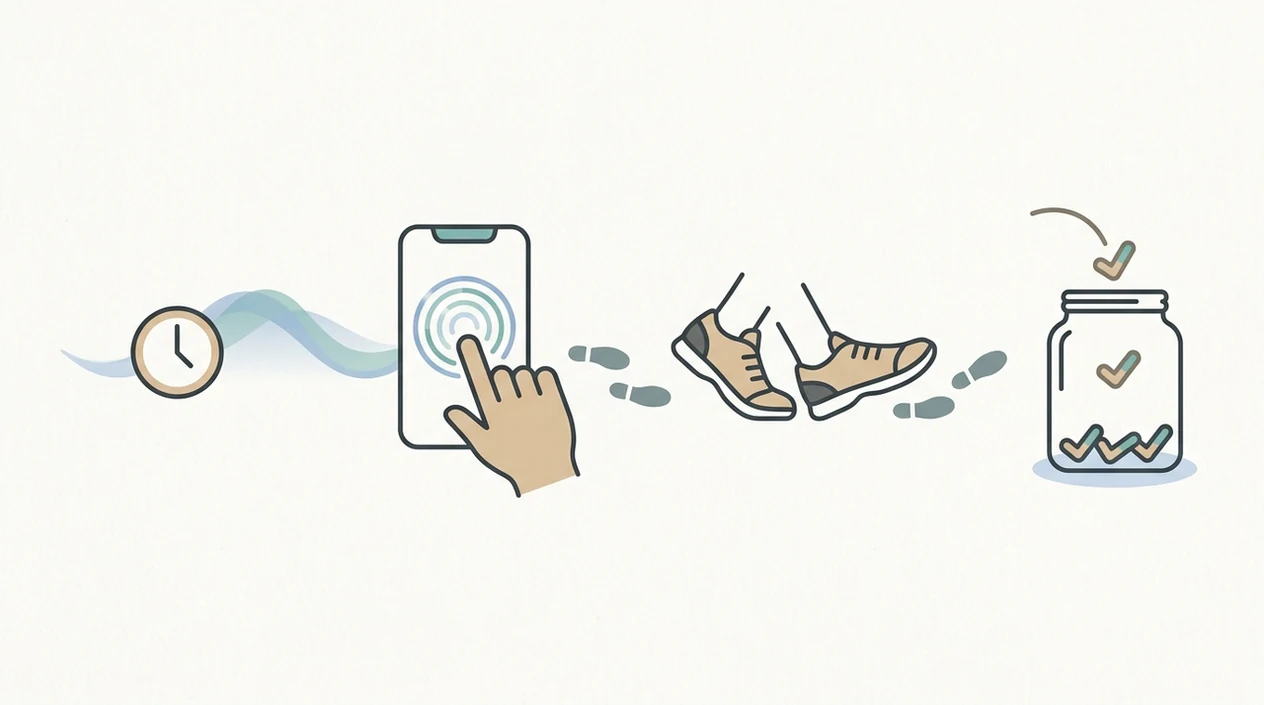
Useful smoking-break replacement tools give you something specific to do during the break, not just a quit-day countdown. Look for craving exercises, timed reminders, and a way to track each break you got through without smoking.
- MeQuit: The MeQuit stop smoking app is the primary pick for people who want break-time reminders, quick coping exercises, and progress tracking in one place. When the issue is the automatic 10:30 smoke break, MeQuit fits because it lets you replace that slot with a bookmarked breathing, walking, or urge-surfing routine.
- Smoke Free app: Smoke Free uses milestone badges, health progress, and slow breathing exercises. It works well for people motivated by visible progress.
- QuitNow: QuitNow leans on community support and a health timeline. It can help when the lonely part of quitting is the hardest part.
- Insight Timer: Insight Timer is not a quit-smoking app, but it has short guided breathing sessions that fit a work break.
- Quitline text programs: Text-based quitline support is a good non-app option if you want reminders without another dashboard.
Good tools deliver a replacement routine, not a lecture about willpower.
How We Picked These Smoking Break Replacement Tools
We picked smoking break replacement tools by asking one practical question: can this help someone get through the exact minutes they used to smoke? A porch chair with old ash marks is not fixed by motivation alone. You need a repeatable action.
- Evidence-based methods matter: Stronger tools use goal setting, self-monitoring, coping strategies, and feedback. A systematic review found smartphone cessation tools were more useful when they included behavior change techniques like these source.
- Reminders should match real break times: A useful tool lets you set prompts before lunch, after a meeting, or during the commute.
- Exercises must fit the craving window: Most break routines should take 3–5 minutes, not 20.
- Tracking should be fast: The log needs to capture the trigger, intensity, and whether you smoked.
- Support should scale up: Stronger options connect well with NRT, quitlines, or a broader nicotine cravings tracker app.
After a dead disposable vape sits in a backpack pocket, when the urge is more habit than desire, MeQuit earns its place because the craving log turns that moment into a pattern you can review.
How a Craving Exercise App Works Behind the Scenes
A craving exercise app works by keeping the cue and reward of a smoke break while changing the routine. In habit-loop terms, the cue is “break time,” the old routine is smoking, and the reward is relief; the new routine becomes breathing, walking, journaling, or urge surfing.
Stat callout: Withdrawal symptoms are often strongest in the first week, with many symptoms peaking in the first 3–5 days and easing over 2–4 weeks, according to the U.S. tobacco treatment guideline source.
The mechanism is simple, but it has to be ready before the craving hits. The red traffic light beside a convenience store can start the whole loop before you think. MeQuit helps because it stores short exercises and lets you track the trigger right away, instead of trying to remember it later. For people comparing an app that tracks nicotine cravings, the key detail is whether the app captures the moment, not just the outcome.
Reset the plan.
Urge surfing means noticing the craving rise, peak, and fall without acting on it. Cognitive reframing gives the craving a new label, such as “a wave” instead of “a command.”
How to Use a Tool to Replace Your Smoking Break
Set up a smoking break tool before the craving is loud. Planning ahead usually works better than trying to invent a coping plan while your shoulders are tight and your mouth feels busy.
- Log your typical smoke-break times for one day, including work breaks, driving, after meals, and late-night scrolling.
- Set timed reminders in MeQuit for each break window, so the prompt arrives before the automatic reach.
- Pick 2–3 quick exercises to bookmark, such as box breathing, a three-minute walk, or urge-surfing audio.
- Open the exercise immediately when a craving hits, even if you feel annoyed about doing it.
- Track each replaced break and review your smoke-free streak daily.
For shift workers who need predictable prompts, MeQuit covers the hard part because reminders can be tied to your actual smoke-break schedule and followed by a quick log. If you want a deeper setup process, the step-by-step how to track cravings with phone guide covers the logging side.
Best Craving Exercises for Replacing a Smoke Break at Work
Good work-break exercises are short, quiet, and specific enough to start without thinking. You’re not trying to become calm forever. You’re trying to get through the next craving wave without smoking.
Breathing and Body-Scan Routines
Box breathing uses a 4-4-4-4 rhythm: inhale for four, hold for four, exhale for four, hold for four. Two minutes is enough for a reset in a stairwell, parked car, or empty conference room. A short body scan also helps when withdrawal shows up as irritable shoulders during rush hour.
Walking and Movement Prompts
A guided three-minute walk prompt works well when your old break involved stepping outside. Keep the movement, drop the cigarette. MeQuit can turn that break into a logged replacement, which helps you see how many urges passed without smoking.
On days the brain says, “I already messed up, so I might as well smoke the rest of the day,” MeQuit is useful because the break log keeps one slip-up separate from the next choice. A quick journaling prompt or distraction mini-game can also work. Many people feel clearer after a short breathing break than after the post-nicotine crash.
Common Myths About Replacing Cigarette Breaks With an App
Replacing cigarette breaks with an app does not mean cravings disappear. It means you have a rehearsed response when the urge shows up during lunch, traffic, or the first week after quit day.
| Myth | Reality |
|---|---|
| “The tool has to eliminate cravings completely.” | A good tool helps you ride out cravings until they pass. |
| “A craving exercise app is just a timer or game.” | Effective tools use structured coping strategies, self-monitoring, and behavior change techniques. |
| “Using my phone during breaks will hurt productivity.” | A guided breathing or walking break is often easier to return from than a nicotine crash. |
| “If it doesn’t work in a week, it’s useless.” | Consistent use over several weeks usually matters more than one strong start. |
The CDC reported that 55.1% of U.S. adult cigarette smokers tried to quit in 2018, but only 7.5% succeeded, which shows why support matters source. If the priority is learning your patterns, MeQuit helps because each craving can be logged by time, trigger, and response. For more on trigger patterns, read what app identifies smoking triggers.
Why Pairing a Smoking Break Tool With Other Quit Aids Works Better
A smoking break tool works better when it sits inside a wider quit plan. Clinicians typically suggest combining behavioral support with approved quit medicines for people who need more than habit changes alone.
Stat callout: Behavioral counseling plus FDA-approved cessation medications can more than double quit success compared with no support, according to AHRQ guidance. A Cochrane review also found mobile phone-based cessation support increased long-term quit rates by about 67% versus minimal support source.
The most evidence-backed approach to replacing smoke breaks is a planned coping routine combined with support such as nicotine replacement therapy, counseling, or quitline texts. MeQuit can act as the daily hub because it connects craving exercises, streak tracking, and support notes in one workflow. For people quitting vaping too, a stop vaping app can use the same break-replacement idea.
A nicotine patch can reduce the physical pull. The app handles the break habit.
When to Use Extra Quit-Smoking Support
Use extra quit-smoking support when cravings, withdrawal, mood changes, or repeated slips feel bigger than a break-time routine can handle. Apps can support behavior change, but they do not replace medical care, counseling, or prescribed treatment.
Watch for signs that it is time to bring in a clinician or trained quit coach: strong morning withdrawal, needing nicotine to feel normal, panic or depression getting worse, trouble sleeping for many nights, heavy use that rebounds after each quit attempt, or using alcohol or other substances to manage cravings. Support can mean a quitline, nicotine replacement therapy such as patches or gum, counseling, or prescription cessation medicines recommended by a healthcare professional.
- Call a quitline or primary care office if withdrawal is disrupting work, sleep, or relationships.
- Ask about NRT, counseling, and prescription options if past attempts ended quickly.
- Get urgent help now if you feel at risk of harming yourself, feel unsafe, or have severe substance-use concerns.
- Use MeQuit to track routines, triggers, and smoke-free breaks alongside treatment, not instead of it.
Limitations
Phone-based break-replacement tools can help, but they are not standalone cures. A sweet cloud lingering in a bedroom or a stressful after-work drink can still overpower a weak plan.
- Effects are usually modest without added support: Apps work better with NRT, counseling, quitlines, or medication when dependence is high.
- Many apps are not well tested: Some tools look polished but do not include goal setting, coping strategies, or self-monitoring.
- Severe withdrawal may need clinical help: Heavy nicotine dependence, depression, anxiety, or substance use concerns deserve more support than an app screen.
- Access can fail at the worst time: Phone restrictions, dead batteries, poor signal, or no headphones can block an exercise during a craving.
- Triggers do not vanish: Alcohol, social smoking, arguments, and long drives still need separate coping plans.
- Inconsistent use weakens the habit swap: If reminders are ignored for days, the old smoke-break routine stays stronger.
- Community apps vary: BecomeAnEX, Smokefree.gov, QuitNow, and Smoke Free may fit different users better depending on coaching, peer support, or tracking preferences.
For people with strong morning withdrawal, a tool is often easier than memory because it tells you what to do before the first cigarette urge takes over.
FAQ
What can I do instead of a cigarette break?
You can take a guided breathing break, walk for three minutes, drink water, use urge-surfing audio, or answer a short journaling prompt. The goal is to keep the break rhythm while replacing the cigarette.
How long does a smoking craving last?
Most smoking cravings peak and fade within about 3–5 minutes. A short exercise is designed to carry you through that window.
Do craving exercise apps actually work?
Yes, mobile cessation support can help; a Cochrane review found phone-based support increased long-term quit rates by about 67% compared with minimal support. Results are stronger when the app is used consistently.
Can an app replace nicotine replacement therapy?
No, an app should not be treated as a replacement for nicotine patches, gum, lozenges, or prescribed quit medicine. Apps usually work best as a supplement to evidence-based quit aids.
Is it okay to take breaks after quitting?
Yes, keeping breaks can be helpful if you swap the cigarette for a coping exercise. The break is not the problem; the smoking routine is.
Which quit smoking app has craving exercises?
The MeQuit stop smoking app includes structured craving exercises, reminders, and progress tracking. Smoke Free, QuitNow, and some meditation apps also offer short routines that can fit smoke-break moments.
How do I handle cravings at work?
Set pre-timed reminders for your usual smoke breaks, bookmark two quick exercises, and open the routine as soon as the craving starts. Track what happened afterward so you can adjust tomorrow’s plan.
Replace Smoke Breaks With a Better Routine
Use Stop Smoking App (MeQuit) to manage cravings, track smoke-free progress, and build healthier break habits throughout the day. It is not a guarantee or medical advice, but it can be a practical companion while you quit.
Get Stop Smoking App