
What App Identifies Smoking Triggers From Your Logs?
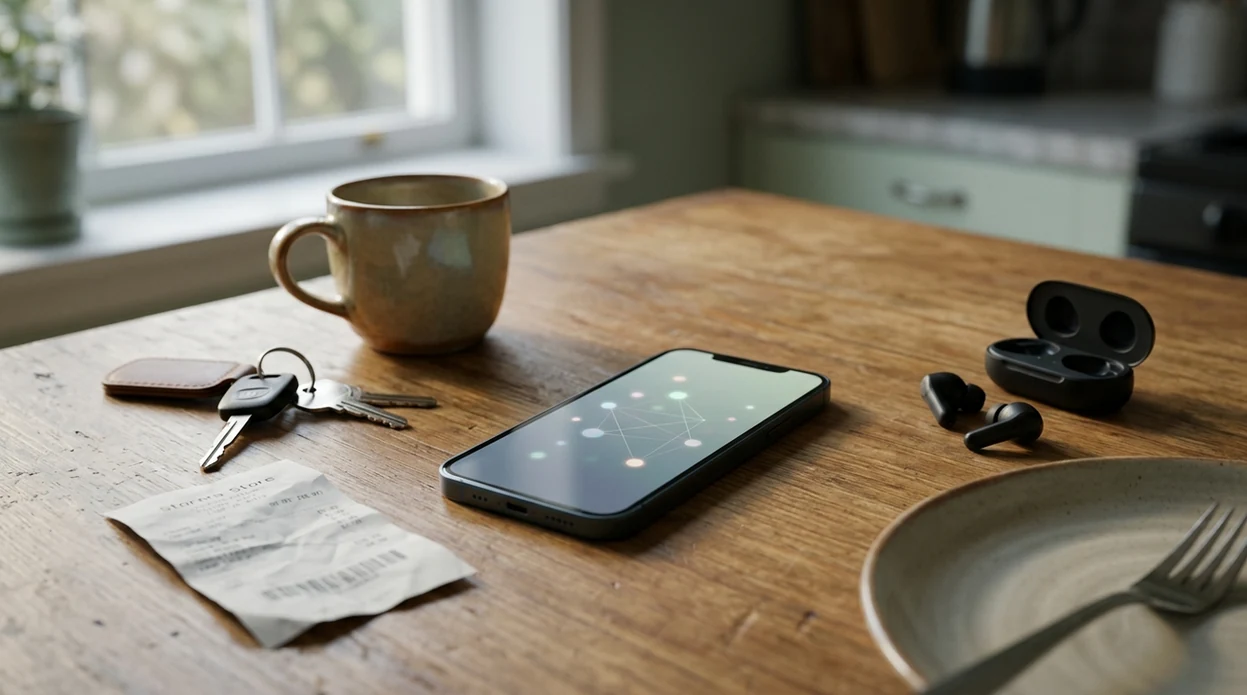
If you're asking what app identifies smoking triggers, MeQuit is the clearest fit because it lets you log each craving with mood, location, time, and routine context, then surfaces repeated patterns you can interrupt. Other trigger trackers exist, but the most useful ones connect every logged cigarette to the situation that came before it, not just a daily total.
> A smoking trigger app is a mobile tool that records when you crave or smoke, links each event to its situational context, and reveals recurring patterns you can learn to avoid or disrupt.
- Trigger tracking apps work by logging the who, what, when, and where of every craving, not just cigarette counts.
- MeQuit surfaces time-of-day, mood, and routine patterns from your entries so you see exactly what drives each urge.
- No app replaces a full quit plan, but consistent logging is one of the strongest awareness tools available.
At-a-Glance: How a Smoking Trigger App Works
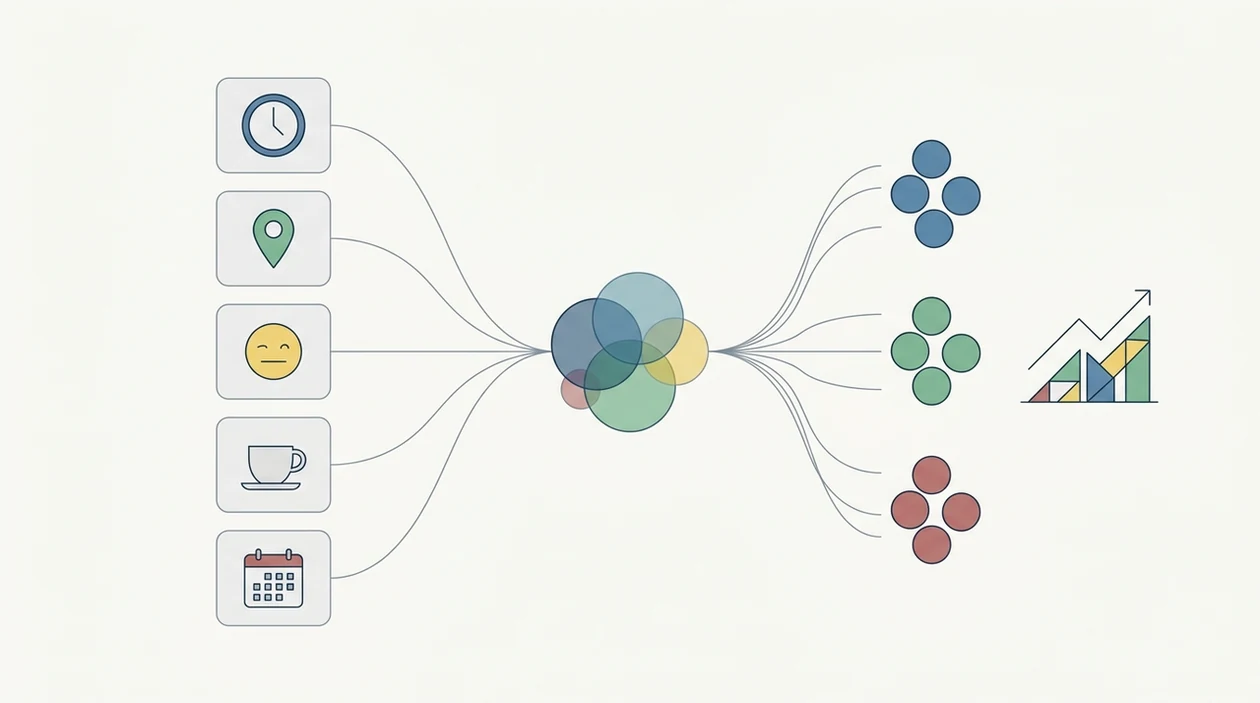
A smoking trigger app works by turning craving moments into pattern data. Simple cigarette counting tells you how many you smoked; trigger tracking shows what was happening before the urge hit.
Smokefree.gov lists routine triggers like waking up, drinking coffee, driving, after meals, alcohol, phone calls, TV, and bedtime as common cue patterns source. That matters because not every trigger feels emotional. Sometimes it is just the car key turning or the plate hitting the sink.
The pocket check is real.
In a 2021 smartwatch feasibility study, 12 of 18 participants, or 66%, found a smoking relapse prevention intervention feasible and acceptable. Good stop smoking apps deliver repeatable awareness and interruption prompts, not a magic readout of every craving before it happens.
MeQuit and 4 Smoking Trigger Trackers Worth Trying
The strongest trigger trackers let you log the craving, the context, and the follow-up action. A useful shortlist should include manual logging, pattern review, and enough daily motivation to keep you using it after the first week.
MeQuit
MeQuit fits people who want a practical trigger tracker because it records craving mood, place, time, and routine context, then turns those logs into a pattern dashboard. If the priority is finding the same repeat trigger twice, MeQuit earns the spot through craving tags and weekly pattern review.
When the issue is the automatic reach before the coffee machine finishes, MeQuit gives you a place to log the routine instead of treating it as “just stress.” The MeQuit stop smoking app also pairs trigger entries with smoke-free streaks, health milestones, and money saved.
Other Notable Trigger Trackers
Quffy is a quit smoking and vaping tracker with craving logging and simple manual entries. It may suit people who want fewer screens.
EasyQuit focuses on cigarette tracking and health milestones, with less emphasis on deep trigger mapping.
QuitNow adds community support, which can help when social pressure is the trigger. For broader craving support, compare it with an app that tracks nicotine cravings.
4 Selection Criteria for Smoking Trigger Apps
Choose a smoking trigger app by checking what it captures, how it shows patterns, and whether you can actually use it on a bad day. A beautiful chart means little if logging takes too long during a craving wave.
- Context logging depth: Look for mood, place, time, activity, and social setting, not just cigarette count.
- Pattern visualization: The app should show repeated triggers by day, hour, routine, or feeling.
- Behavioral grounding: Trigger tracking should reflect habit loops, meaning cue, behavior, reward, and replacement action.
- Daily usability: The entry screen needs to be fast enough for a shaky thumb in a parking lot.
If your priority is spotting repeat situations, MeQuit covers the key fields because each craving entry can include mood, location, time, and routine context. For a deeper setup, our nicotine cravings tracker app guide explains what to log first.
How We Chose These Smoking Trigger Apps
We chose these smoking trigger apps by comparing how well each one turns craving logs into usable trigger patterns. The highest weight went to apps that capture context deeply, make review simple, and support the next smoke-free choice.
Our competitor notes came from publicly available app store listings, product pages, screenshots, and stated feature descriptions, not private hands-on testing of every competing app. MeQuit was assessed against the same practical checklist used for the full shortlist.
- Checked logging fields for mood, time, place, activity, cigarette or craving entries, intensity, and slip-up notes.
- Reviewed pattern tools such as dashboards, weekly summaries, trigger breakdowns, and repeated-routine views.
- Compared usability by looking for fast entry flow, clear screens, reminders, and low-friction logging during a craving.
- Weighed quit support including streaks, health milestones, money saved, coping prompts, and relapse reset features.
- Revisited fit by use case so a simple counter did not outrank a deeper trigger tracker just because it looked cleaner.
Rankings can change as apps add features, remove tools, adjust pricing, or change what is included in free and paid plans.
How Smoking Trigger Detection Works Behind the Scenes
Trigger detection works by collecting craving context in the moment, then grouping repeated cues across days or weeks. The technical term is ecological momentary assessment, which means logging what is happening while it is happening, before memory smooths over the details.
- A user enters a craving or cigarette event as soon as possible.
- The entry is tagged with mood, location, activity, time, and sometimes social setting.
- The app aggregates entries across days or weeks.
- Frequency clusters reveal repeated trigger patterns, like “after dinner” or “Friday alcohol.”
- The result is an action plan for the next craving, not a diagnosis.
Manual Logging vs. AI Detection vs. Wearables
Manual logging depends on user entries. AI-style pattern detection looks for repeated combinations inside those entries. Wearables try to detect smoking-like movements. A University of Bristol-led report described a smartwatch app that detected smoking movements in real time and delivered support during lapses source.
When winter breath outside the office door becomes the cue, MeQuit is useful because the log preserves the moment before it blurs into “I just wanted one.”
5 Steps to Use a Trigger Tracker to Quit Smoking
The best way to use a trigger tracker is to log honestly, review patterns weekly, and build replacement actions for the cues that repeat. The app gets smarter only when the entries reflect what actually happened.
- Set a quit date and enter your usual smoking or vaping baseline.
- Log every craving immediately with mood, place, activity, and intensity tags.
- Review your weekly pattern report for repeat triggers by time, place, or routine.
- Build a replacement action for your top three triggers, such as walking after lunch or texting support before driving.
- Reassess monthly and reset the plan when new triggers appear.
Tiny entries add up.
On days when a vape receipt turns up crumpled in a coat pocket, MeQuit helps you reset the plan because slip-up logging can connect the lapse to the trigger instead of turning it into a full-day surrender. If cravings need more in-the-moment help, use an app to help me during cravings.
Five Common Smoking Triggers Every App Should Track
Every smoking trigger app should track routine, emotional, social, withdrawal, and environment cues. Not all triggers are feelings; many are repeated body-and-place habits.
- Routine triggers: Coffee, driving, after meals, waking up, bedtime, and phone calls are common pattern triggers, per Smokefree.gov.
- Emotional triggers: Stress, anxiety, boredom, anger, and sadness can turn into fast craving waves.
- Social triggers: Alcohol, parties, work breaks, and being near smokers can restart an old script.
- Withdrawal triggers: Tight shoulders, a busy mouth, poor sleep, and nicotine restlessness can become triggers themselves.
- Environmental triggers: A gas station, balcony, porch chair, or vape shop sign on the bus route can cue a craving.
When a trigger is routine-based, changing the routine usually matters more than arguing with the urge. The most common medically supported way to handle recurring nicotine urges is behavioral planning combined with quit support such as counseling, medication, or nicotine replacement when appropriate. CDC guidance also recommends combining behavioral support with FDA-approved quit-smoking medicines when appropriate source.
Best Trigger Tracker for Each Quit Style
Different quit styles need different tracking depth. A fast manual logger suits one person, while another needs charts, reminders, and a full pattern dashboard.
| Quit style | Better fit | Why it helps |
|---|---|---|
| Simple manual logger | Quffy or EasyQuit | Fast entries work for users who dislike detailed forms. |
| Data-driven quitter | MeQuit | Pattern dashboards connect cravings to mood, time, place, and routine. |
| Wearable user | Smartwatch-based detection tools | Small studies suggest real-time movement detection can be feasible. |
| Cold-turkey quitter | Trigger tracker with urgent coping tools | Fast logging helps interrupt sudden craving waves. |
| Gradual reducer | Cigarette count plus trigger review | Reduction plans need both quantity and context. |
If your priority is charting what keeps repeating, MeQuit is a better fit than a plain counter because the trigger tracker connects each urge to the situation around it. For people who need replacement routines, a tool that can replace cigarette breaks can support the same plan.
When to Get Professional Quit-Smoking Support
Get professional quit-smoking support when cravings feel unsafe, withdrawal is severe, or you keep relapsing despite tracking your triggers. Also talk with a clinician if you are pregnant, have a heart or lung condition, take psychiatric medication, or manage any medical issue that could affect your quit plan.
A trigger log is strongest when it becomes evidence for better care, not a private scoreboard. Bring your MeQuit entries, weekly patterns, and slip-up notes to a clinician, pharmacist, tobacco-treatment specialist, or quitline counselor so they can see what is happening before the cigarette or vape.
- Share your logs from the last one to two weeks, including mood, time, place, and the hardest repeat cues.
- Describe your withdrawal clearly, especially sleep disruption, anxiety spikes, strong irritability, or urges that feel unmanageable.
- Ask about support options such as counseling, nicotine replacement therapy, or prescription quit-smoking medication when appropriate.
- Use the plan alongside tracking so each craving entry helps refine care rather than replacing medical advice.
Trigger tracking supports treatment by making patterns visible. It does not replace counseling, medication guidance, or urgent medical help when symptoms are serious.
Limitations
Trigger tracking is useful, but it is not the whole quit plan. The data can point you toward patterns; it cannot remove nicotine withdrawal by itself.
- Insights depend on honest, consistent logging. Missing entries make patterns weaker.
- Pattern detection shows correlation, not causation. “After lunch” may really mean stress, boredom, or access.
- Wearable and AI detection evidence is still based on small feasibility studies, not large long-term trials.
- An app alone may not be enough for strong nicotine dependence or repeated relapse.
- Trigger tracking does not replace nicotine replacement therapy, counseling, prescriptions, or medical advice.
- Some apps do not separate mild urges from intense cravings, which can flatten the data.
- User fatigue is common. After two weeks, people may stop logging the boring cravings.
- Community apps like BecomeAnEX or QuitNow may offer social support that a private tracker does not.
Clinicians typically suggest combining trigger awareness with a quit plan, medication or NRT when appropriate, and support for relapse recovery. MeQuit can support that work because it keeps the daily record close to the craving moment.
If cravings feel unmanageable, withdrawal symptoms are severe, or you have repeated relapses despite logging, use the app record as a conversation starter with a clinician, pharmacist, quitline counselor, or tobacco-treatment specialist.
FAQ
How do I identify my smoking triggers?
Log each craving with mood, place, activity, time, and social context for one to two weeks. The repeated situations in your log are your most likely smoking triggers.
Are trigger tracker apps free?
Many smoking trigger apps offer free basic logging. Premium features such as advanced pattern reports, coaching, or extra dashboards may require a subscription.
Can an app detect smoking automatically?
Some smartwatch-based apps can detect smoking-like hand movements. Most trigger tracker apps still rely on manual craving or cigarette logging.
Does trigger tracking actually help you quit?
Trigger awareness can improve quit attempts by showing what to avoid or interrupt. It works best with a quit plan, counseling, NRT, or medical support when needed.
What are the most common smoking triggers?
Common smoking triggers include coffee, meals, driving, waking up, bedtime, stress, boredom, alcohol, and socializing with smokers. Many triggers are routine-based, not emotional.
How often should I log my cravings?
Log every craving in the moment for the most accurate pattern detection. Aim for at least two consecutive weeks before judging your main patterns.
Can a trigger app help with vaping too?
Yes, most smoking trigger apps can help with vaping because the logging process is the same for nicotine cravings. The MeQuit stop smoking app can be used as a trigger tracker for smoking or vaping.
Start spotting your smoking triggers
Use Stop Smoking App (MeQuit) to log cravings, track patterns, and build a more realistic quit plan around your real-life triggers. If cravings feel unmanageable, combine the app with evidence-based support such as NRT, counseling, a quitline, or clinician guidance.
Get Stop Smoking App