
Quit Smoking Benefits Timeline: Health Milestones That Keep You Motivated

The quit smoking benefits timeline shows that measurable health improvements begin within 20 minutes of your last cigarette and continue for years, from lower heart strain to reduced risks of heart disease and lung cancer. MeQuit helps you track those milestones when cravings make the next hour feel bigger than the next year.
> Definition: A quit smoking benefits timeline is a chronological map of the physical and psychological health milestones your body reaches after you stop smoking, from minutes to decades.
TL;DR
- Heart rate and blood pressure begin dropping within 20 minutes of your last cigarette.
- Lung function and circulation improve noticeably within 2–12 weeks.
- Heart disease risk halves at one year; lung cancer death risk halves at ten years.
- Psychological milestones like reduced cue-triggered cravings align with physical recovery.
- A quit-smoking app helps you track each milestone and manage cravings in real time.
5 Must-Know Facts About Quit Smoking Benefits
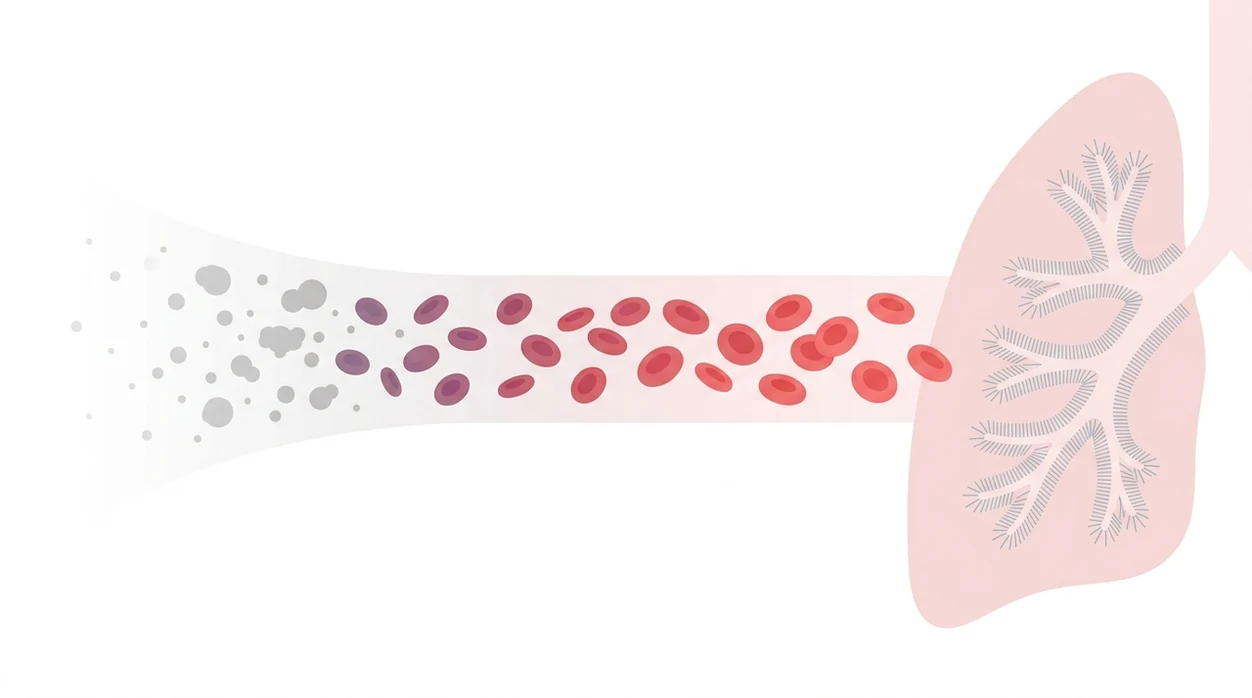
- Benefits start fast: Within 20 minutes, heart rate and blood pressure begin moving toward healthier levels.
- The first few days matter: Carbon monoxide falls, oxygen delivery improves, and nicotine leaves the body over roughly 48–72 hours.
- Breathing improves in stages: Lung function and circulation often improve over weeks to months, not overnight.
- Risk keeps dropping for years: Heart disease, stroke, and lung cancer risks fall with sustained smoke-free time.
- Age does not erase the benefit: Quitting at any age reduces risk, even after decades of smoking.
The first win may be tiny. A quit timer glowing on the lock screen at 9:40 p.m. can be enough to delay one more cigarette.
If your priority is seeing proof when motivation dips, MeQuit fits because the milestone timeline turns invisible recovery into visible checkpoints, including smoke-free time and health milestones.
Health Benefits After Quitting Smoking: Minutes to 72 Hours

The first 72 hours after quitting smoking are about oxygen, nicotine withdrawal, and the body noticing that smoke exposure has stopped. Some benefits feel encouraging; some symptoms feel rough.
20 Minutes to 24 Hours
Heart and blood pressure: Within 20 minutes, heart rate and blood pressure start dropping toward normal, per the CDC.
Carbon monoxide: Within 12–24 hours, carbon monoxide levels fall toward normal. That means more oxygen can reach the heart, brain, and muscles.
48 to 72 Hours
Nicotine clearance: Nicotine usually clears from the body within 48–72 hours. That’s one reason irritability, anxiety, and a hungry stomach right after lunch can spike here.
Taste and smell: Taste and smell often begin improving within 48 hours. Food may taste sharper before your mood catches up.
For people who need immediate feedback, MeQuit covers the first hard stretch because the MeQuit stop smoking app pairs the quit timer with craving logging, so you can track what actually happened instead of guessing.
Quit Smoking Benefits Timeline: 1 Week to 3 Months
From one week to three months, the quit smoking benefits timeline usually shifts from “survive withdrawal” to “notice breathing, stamina, and confidence.” According to WHO, circulation improves and lung function increases within 2–12 weeks after quitting smoking source.
Stat callout: 2–12 weeks is the window when many people first notice stairs, walking, or light exercise feeling less punishing.
Coughing and wheezing may decrease as the airways recover, although mucus can feel annoying at first. Energy can rise as oxygen delivery improves. Cravings usually decline, but stress can still bring a craving wave from nowhere.
On days when winter breath outside the office door becomes the trigger, write down the place, time, and feeling before the urge fades; that record is usually more reliable than memory later.
For a deeper week-by-week view, the broader quit smoking timeline breaks down what may happen after each milestone.
Health Milestones From 1 Year to 15 Years Smoke-Free
Long-term quit smoking milestones are about risk reduction, not a guarantee that every past exposure disappears. Still, the numbers are strong enough to keep going when the first week feels far behind you.
1-Year and 5-Year Heart and Stroke Milestones
1 year: The excess risk of coronary heart disease is about half that of someone who continues smoking, according to Surgeon General data.
5 years: Stroke risk can approach that of a never-smoker for many people, though history and other health conditions matter.
10-Year and 15-Year Cancer Risk Reduction
10 years: The risk of dying from lung cancer is about half that of a continuing smoker, according to the National Cancer Institute source.
15 years: Heart disease risk can become similar to that of a never-smoker.
Quitting by age 40 reduces the risk of smoking-related death by about 90% compared with continuing, based on a large New England Journal of Medicine cohort study source. The most evidence-backed approach to lowering long-term smoking risk is sustained abstinence combined with practical support for cravings and relapse prevention.
How the Quit Smoking Benefits Timeline Works
The quit smoking benefits timeline works because different body systems recover at different speeds. Carbon monoxide displacement reverses first, so oxygen can bind to red blood cells more normally and reach organs with less competition.
Next, airway cilia begin repairing. Cilia are tiny cleaning hairs in the lungs. As they recover, they move mucus and debris out more effectively, which can make coughing temporarily noticeable. Over weeks, endothelial function improves; that means blood vessels respond better and clotting risk begins to fall.
Over years, cellular repair mechanisms help reduce DNA damage and abnormal cell growth risk. In the brain, neuroplasticity slowly weakens nicotine-triggered habit loops. Plainly, the brain learns that stress, driving, or finishing dinner does not have to end with a cigarette.
The most common medically supported way to stay smoke-free is behavioral support combined with medication when appropriate, not relying on willpower alone; CDC guidance notes that counseling and FDA-approved quit-smoking medicines can improve the chance of quitting successfully.
How to Use the Quit Smoking Benefits Timeline
Use the quit smoking benefits timeline as a practical planning tool, not just a list of future rewards. The goal is to connect each health milestone with what you may feel, what might trigger you, and what support you need next.
- Start with your exact quit time, including the hour and minute of your last cigarette, so the 20-minute, 12-hour, and 72-hour milestones are anchored to reality instead of a rough date.
- Match each milestone to symptoms you can actually notice, such as steadier breathing on stairs, sharper taste, fewer morning coughs, or a craving that passes faster than expected.
- Plan support around early milestones, especially the first few days when nicotine withdrawal, irritability, sleep disruption, and restless hands can peak.
- Track cravings beside health gains, noting the trigger, place, mood, and urge strength so progress is tied to real-life patterns, not just smoke-free time.
- Review longer milestones monthly, because one-year, five-year, and ten-year risk reductions are easy to forget when daily life feels normal again.
5 App Steps to Track Quit Smoking Benefits
A quit-smoking app can make the benefits after quitting smoking easier to see by turning recovery into daily proof. Treat the app as a prompt system for tracking and trigger feedback, not a cure or a moral score.
- Set your quit date and log your last cigarette, so the timeline starts from a real moment.
- Monitor health milestones as they unlock, including heart, lung, and circulation checkpoints.
- Log cravings and triggers when urges hit, especially after meals, driving, or arguments.
- Review weekly progress to see smoke-free streaks, money saved, and repeated trigger patterns.
- Reset the plan after a slip-up without deleting the progress you already made.
When a trigger note is typed in a parked car, MeQuit helps because the workflow captures the urge before memory edits the story later.
Digital support can improve quit attempts compared with going it alone, especially when it prompts action during cravings. MeQuit also connects well with a smoke-free streak tracker habit because the streak becomes a cue to protect, not a score to fear.
Psychological Milestones After Quitting Smoking
Psychological milestones after quitting smoking often arrive beside physical ones. After 3–4 weeks, many people notice cue-triggered cravings becoming less automatic as habit loops weaken.
Confidence matters here. Surviving the first week teaches the brain, “I can ride out an urge.” That self-efficacy can lower panic during later cravings. Mood and anxiety may improve after nicotine withdrawal settles, although sleep and irritability can wobble early.
Not tidy. Still real.
Weight gain concern is common, but modest gain does not cancel the heart and cancer benefits of quitting. The stress skills learned during quitting also carry over. You practice pausing, delaying, breathing, leaving the room, and asking for help.
For people who think, “I already messed up, so I might as well smoke the rest of the day,” MeQuit helps reset the plan because a slip-up can be logged without erasing the smoke-free streak history.
More detail on the first month is covered in quitting smoking benefits after 30 days.
When to Talk to a Doctor About Quitting Smoking
Talk to a doctor about quitting smoking if you have medical risks, severe symptoms, pregnancy, or questions about quit-smoking medicine. Get urgent help right away for chest pain, severe shortness of breath, or fainting.
A clinician can help make quitting safer and more realistic when nicotine withdrawal overlaps with heart disease, COPD, pregnancy, or psychiatric conditions such as depression, anxiety, bipolar disorder, or substance use disorder. Nicotine replacement therapy and prescription medicines can be very helpful, but the right dose, timing, and cautions may depend on your health history and other medications.
- Call emergency services if symptoms feel dangerous, especially chest pain, severe breathlessness, fainting, or sudden weakness.
- Ask your primary-care clinician about a quit plan if you have chronic disease, take regular medications, or have had difficult withdrawal before.
- Check with a pharmacist about nicotine patches, gum, lozenges, interactions, and how to use products correctly.
- Use quitlines for coaching between appointments; in the U.S., 1-800-QUIT-NOW connects to free support.
- Track with an app as daily backup, while treating MeQuit notes and milestones as a companion to clinical care, not a replacement for it.
Limitations
A quit smoking benefits timeline is useful, but it cannot promise the same recovery path for every person. MeQuit can track milestones and triggers, but medical risk depends on your history.
- Timelines are population averages. Recovery varies by age, years smoked, daily cigarette count, genetics, and existing conditions.
- Some smoking-related damage cannot be fully reversed, including advanced COPD, cardiovascular scarring, and some cancer-related changes.
- MeQuit is not a substitute for medical care, counseling, nicotine replacement therapy, or prescription cessation medicine when those are needed.
- Risk reduction is not absolute protection. Former smokers may still carry higher lifetime risk than never-smokers for some conditions.
- Early withdrawal can temporarily feel worse than smoking. Irritability, anxiety, sleep problems, and restless hands are common.
- Cravings can recur for months or longer, especially during stress, alcohol, social smoking, or old routines.
- Public resources such as Smokefree.gov, BecomeAnEX, and NHS quit smoking guidance may offer coaching or regional services that an app does not replace.
MeQuit stop smoking app works best as daily support for tracking, reflection, and motivation. It should sit beside clinical help when symptoms, medications, pregnancy, or serious health conditions are involved.
FAQ
When do lungs start healing after quitting smoking?
Cilia in the airways begin recovering within days, and lung function often improves measurably within 2–12 weeks. Some lung damage, such as advanced COPD, may not fully reverse.
How long do cravings last after quitting smoking?
The most intense cravings often ease within 3–4 weeks. Situational cravings can return for months, especially during stress or familiar smoking triggers.
Am I considered a non-smoker after one year smoke-free?
Medical and insurance definitions vary, but one year smoke-free is a widely recognized milestone. It also matches a major heart disease risk reduction point.
Does quitting smoking cause weight gain?
Modest weight gain is common after quitting smoking. The health benefits of quitting far outweigh the risk from a small weight increase for most people.
Is it too late to quit smoking at 50?
No, quitting at 50 still reduces smoking-related health risks. Quitting by 40 reduces smoking-related death risk by about 90%, but meaningful benefits occur at any age.
What happens 7 days after quitting smoking?
By 7 days, carbon monoxide has cleared, nicotine withdrawal is past its early peak, and taste or smell may be improving. Cravings can still be strong during routines.
Does quitting smoking improve sleep?
Sleep may worsen at first because nicotine withdrawal can cause restlessness and vivid dreams. Sleep often improves within a few weeks as withdrawal settles.
Can a quit smoking app really help you stop smoking?
Yes, a quit smoking app can help by tracking milestones, logging cravings, and showing progress during difficult moments. MeQuit stop smoking app supports this with timeline milestones and trigger notes.
Do health benefits differ when quitting vaping instead of smoking?
Some benefits, such as reduced nicotine dependence and fewer cue-triggered urges, may follow a similar pattern. Long-term vaping recovery data is still emerging, so smoking timelines should not be treated as identical.
Track Your Quit Smoking Benefits in MeQuit
Stop Smoking App helps you follow smoke-free days, cravings, savings, and milestones so progress feels visible. Use it alongside NRT, counseling, a quitline, or clinician guidance when extra support is needed.
Get Stop Smoking App