2 Weeks After Quitting Smoking: Cravings, Wins, and What Comes Next

At 2 weeks after quitting smoking, nicotine is generally cleared from your body, circulation and lung function are measurably improving, and the worst physical withdrawal is fading, but cravings, mood swings, and brain fog can still hit hard. This is one of the highest-risk windows for relapse, so structured support from a clinician, quitline, medication, or tracking plan matters more now than almost any other point in your quit.
Definition: The two-week smoke-free milestone is the point where nicotine has left the body, acute physical withdrawal is declining, and cardiovascular and respiratory recovery has visibly begun—though psychological cravings and habitual triggers often persist.
- Nicotine is out of your system by day 14, and heart attack risk is already starting to drop.
- Cravings are still normal at week two, they don't mean quitting isn't working.
- Tracking triggers, celebrating milestones, and adjusting your quit plan now dramatically improve long-term success.
5 Facts About Being Two Weeks Smoke Free
- Nicotine is gone by day 14. Nicotine clears quickly, and cotinine usually falls substantially within several days to about two weeks depending on testing method and exposure level source, but the habit loop can still fire when a trigger shows up.
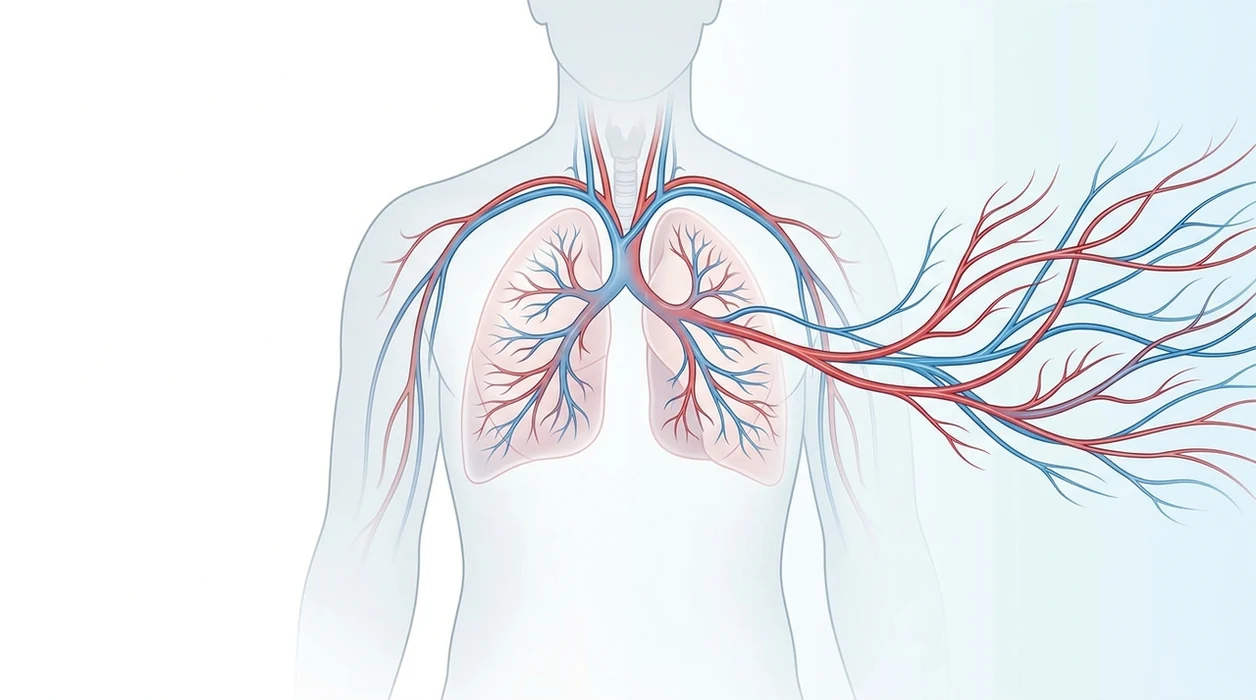
- Lung and circulation gains are underway. During the 2 to 12 week recovery window, lung function can increase by up to 30%, according to the NHS source.
- Heart attack risk has started to fall. Per the CDC, risk begins dropping within 2 weeks to 3 months as circulation improves.
- Cravings can still feel sharp. Tight shoulders, a busy mouth, and the need to do something with your hands are normal week-two signals.
- Long-term risk is already moving. Heart disease, stroke, and cancer risks don't vanish, but they begin trending down once smoking stops.
People two weeks smoke free who want a daily readout often fit MeQuit because the smoke-free streak, savings counter, and milestone screen make invisible progress easier to see.
14-Day Body Changes After Quitting Smoking
By day 14, the biggest body changes are better circulation, improving oxygen delivery, and early lung recovery. Many people notice stairs feel less punishing, though others only notice that the stale smoke smell has faded from a winter coat.
Circulation and Lung Function Gains
Blood vessels begin working more normally after smoking stops. Oxygen reaches muscles more efficiently, and lung function can rise by up to 30% within the 2 to 12 week window. Cilia, the tiny hair-like cleaners in your airways, also start recovering. That can mean more mucus for a while, not less.
Annoying, but useful.
Early Heart Disease Risk Reduction
The CDC says heart attack risk begins to fall within 2 weeks to 3 months after quitting. For the full sequence, use a quit smoking timeline rather than judging progress by one good or bad breathing day.
Common Side Effects During Quitting Smoking Week Two
“Why do I still feel bad during quitting smoking week two?” Because nicotine withdrawal fades before the brain and routine fully catch up. Feeling off at week two does not mean quitting isn't working.
Lingering cravings can continue for weeks or months. Irritability, restlessness, trouble concentrating, fatigue, and brain fog are common as dopamine signaling recalibrates. Your brain is relearning how to expect reward without a cigarette after lunch, in traffic, or during a tense text exchange.
The U.S. Public Health Service notes that withdrawal often starts within hours, peaks around days 3 to 5, and decreases over the next 2 to 4 weeks. Appetite can rise too. A snack craving is not a character flaw; it is a body looking for replacement reward.
On days the lighter outline still sits in your jeans pocket, MeQuit helps because the craving log records time, trigger, and intensity before the urge becomes a cigarette.
Nicotine Withdrawal Mechanics at the Two-Week Mark
Nicotine withdrawal works through reward pathways, habit loops, and learned triggers. Nicotine has been pushing dopamine release, so after quitting, the brain needs time to adjust its reward expectations without that fast chemical hit.
By week two, physical withdrawal is usually declining. Psychological dependence is still active. That is why a craving can appear at 7:40 a.m., in the same doorway, even when nicotine is no longer circulating. The brain remembers the sequence.
How quitting smoking week two works is mostly trigger prediction. Time of day, stress, boredom, alcohol, driving, and social cues can all start a craving wave. Neuroplasticity is the brain's rewiring process, and it takes weeks to months, not days.
Relapse risk is highest early in a quit attempt, and many studies find that most relapse occurs within the first few months; NCBI summarizes relapse risk as concentrated in the early post-quit period. The most evidence-backed approach is structured support plus repeated trigger practice, not trying to “just use willpower.”
5 Steps to Stay Smoke Free Through Week Two and Beyond
Use week two as a checkpoint, not a finish line. You now have enough real information to adjust your quit day plan.
- Log the craving with time, trigger, and intensity in MeQuit or another quit smoking app. Include what you did next.
- Review your pattern every evening so you can spot repeat danger zones, like after-dinner cleanup or the first work break.
- Adjust your support by asking a clinician about NRT dose, changing lozenge timing, or moving app notifications to your highest-risk hour.
- Celebrate the milestone with an in-app badge, savings counter, or a small non-smoking reward.
- Set the next target at 8 weeks, because continuous abstinence through that point strongly predicts better 6-month and 1-year outcomes.
The right fit for people who need proof after a rough week is MeQuit because the badge, smoke-free streak, and cigarette savings calculator turn “I survived today” into visible data.
Week Two Quit Plan Adjustments That Prevent Relapse
Week two is the first time your quit plan has useful evidence from real life. You can stop guessing and track what actually happened.
If cravings spike every afternoon, adjust nicotine replacement timing with medical guidance. If the hardest moment is walking past the smoking area, change your route for two more weeks. If solo effort feels shaky, add a quitline, clinician, or support community such as Smokefree.gov or BecomeAnEX.
The calendar square marked with a restart matters too. A single slip-up is not total failure; it is a strategy signal. Reset the plan.
People trying to prevent a second-week relapse can use MeQuit because notification timing can match known high-risk hours instead of sending generic reminders when the craving has already passed.
Tracking Wins and Triggers Two Weeks After Quitting Smoking
Two weeks after quitting smoking is a useful predictor because continuous abstinence at this point often points toward stronger long-term success. The next job is to protect that streak with better trigger awareness.
Milestone tracking helps because the reward is no longer a cigarette. Badges, streaks, savings counters, and health markers give the brain a replacement signal. Good stop smoking apps deliver repeated cues, visible progress, and relapse recovery prompts, not magic motivation or medical treatment.
Trigger logging adds prediction. If three strong urges happened after dinner, the next after-dinner craving is not a surprise. It is a planned event. For a deeper look at milestone motivation, the smoke-free streak tracker guide explains how streaks and restarts work.
Someone looking for week-two motivation fits MeQuit because it combines craving entries with smoke-free streaks, money saved, and health milestones in one daily check-in.
When to Get Medical Help While Quitting Smoking
Get medical help right away if quitting is paired with chest pain, severe shortness of breath, fainting, or symptoms that feel dangerous or unusual for you. For cravings, mood, or relapse risk that feels bigger than your current plan, treat professional support as a tool, not a sign you failed.
- Call a clinician or emergency service if you have chest pain, severe breathlessness, fainting, or sudden symptoms that worry you.
- Ask about medication support if cravings stay intense after two weeks, especially nicotine replacement therapy, varenicline, or bupropion when appropriate.
- Tell someone qualified if anxiety or depression becomes severe, or if quitting cigarettes is pulling you toward alcohol, cannabis, opioids, or another substance relapse.
- Use extra human support when app-only tracking feels thin. A quitline or Smokefree.gov can add coaching, text support, and planning.
- Keep tracking in perspective: MeQuit and similar tools can help you notice cravings, triggers, savings, and streaks, but they support behavior change. They do not diagnose, prescribe, or replace medical treatment.
Limitations of the 2-Week Smoke-Free Milestone
Two weeks smoke free is a real win, but it does not mean the quit is secure. Treat it as progress with caveats.
- Breathing and energy changes vary widely; some people feel only subtle gains despite internal recovery.
- Heavy or long-term smokers may have longer withdrawal, especially with strong morning or stress triggers.
- People with anxiety, depression, or substance-use concerns may need clinician support, not app-only help.
- MeQuit provides structure, tracking, and motivation, but it is not a substitute for prescription medication or medical care.
- Heart disease and stroke risk do not return to never-smoker levels by week two; that improvement takes months to years.
- No timeline eliminates relapse risk. A charger cable beside the nightstand vape can still start an automatic reach.
- QuitNow and Smoke Free App may suit people who prefer different community or tracking styles, so compare honestly.
For next milestones, the quitting smoking benefits after 30 days page shows what often changes after this window.
FAQ: 7 Questions About Quitting Smoking Week Two
Does quitting smoking get easier after 2 weeks?
Yes, quitting often gets easier after 2 weeks because physical withdrawal is usually fading. Cravings can still appear, especially around familiar triggers.
Is nicotine out of your body after 14 days?
Yes, nicotine and its main metabolite cotinine are generally cleared by roughly two weeks. Habit-based cravings can continue after nicotine is gone.
Why do I still crave cigarettes at week two?
Week-two cravings are often psychological and trigger-based, not proof that nicotine is still in your body. Routines, stress, boredom, and social cues can restart the urge.
Is weight gain at two weeks smoke free permanent?
Early weight gain is usually not permanent. Appetite often rises during withdrawal, then becomes easier to manage as cravings settle.
Can one cigarette ruin a two-week quit?
One cigarette is a slip-up, not automatic failure. Log what happened, remove the trigger if possible, and restart the plan immediately.
Why is week 3 of quitting smoking so hard?
Week 3 can feel hard because emotional and situational triggers remain after physical withdrawal improves. Confidence can also make people lower their guard too soon.
How does a stop smoking app help at 2 weeks?
The MeQuit stop smoking app helps at 2 weeks by logging cravings, showing milestone badges, tracking savings, and timing reminders around high-risk hours. A Stop Smoking App is most useful when it helps you act before the craving peaks.
Stay steady after two smoke-free weeks
MeQuit helps you track cravings, triggers, streaks, and savings so you can protect your progress after the two-week milestone. Use it as daily quit support alongside medical care, NRT, counseling, or a quitline when needed.
Get Stop Smoking App