
Quitting Smoking Benefits After 90 Days Smoke-Free

Quitting smoking benefits after 90 days include measurably improved lung function, better circulation, fewer cravings, visible skin changes, and real money saved. MeQuit helps make that three-month milestone visible with health milestones, a smoke-free streak, craving logs, and savings data you can check when motivation dips.
> Definition: The 90-day smoke-free milestone marks roughly three months without cigarettes, a clinically recognized window when circulation improves, lung function increases, and cravings diminish enough for many quitters to feel measurable physical and psychological progress.
TL;DR
- Circulation and lung function measurably improve within 2 weeks to 3 months after quitting.
- Cravings are shorter and less frequent at 90 days, but surprise triggers still happen.
- Tracking 90-day milestones in a stop smoking app turns invisible healing into visible motivation.
- Full risk reduction for heart disease and cancer takes years. 90 days is a critical checkpoint, not the finish line.
- Relapse prevention strategies remain essential even after three months smoke free.
At a Glance: What Changes After 90 Days Smoke Free
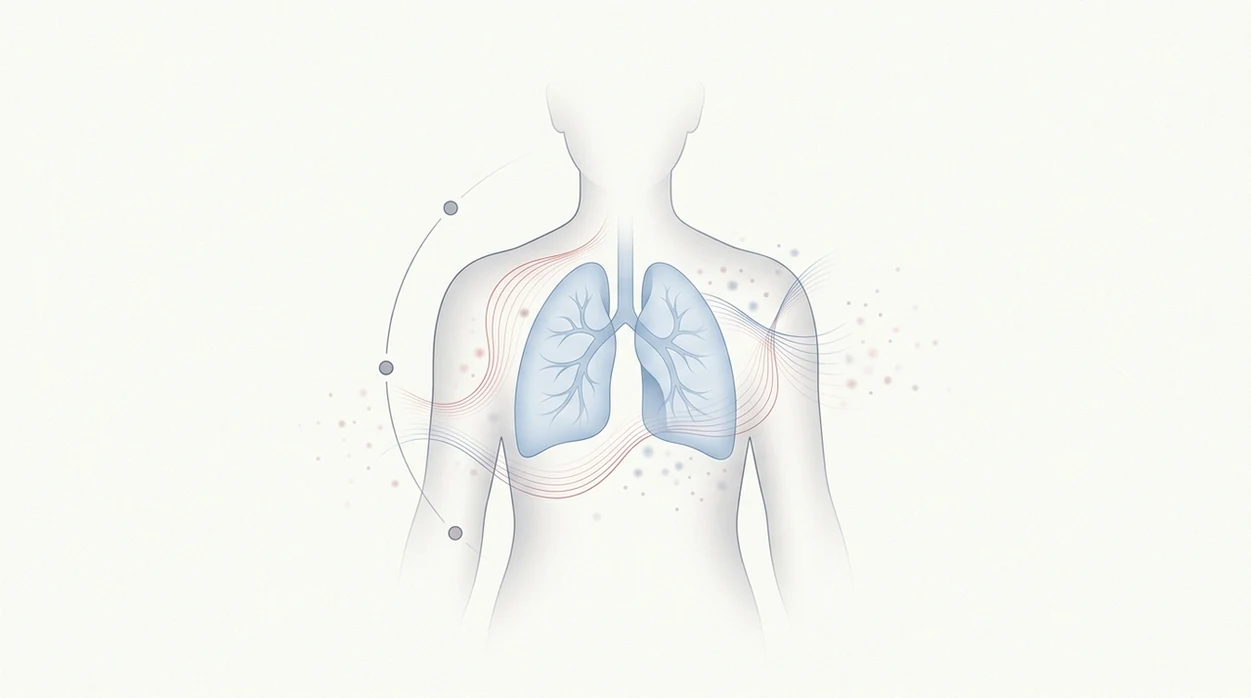
- Lung function and circulation improve: Within 2 weeks to 3 months after quitting, circulation improves and lung function increases, according to MedlinePlus source.
- Breathing often feels easier: Coughing, shortness of breath, and mucus problems usually decrease during the 1 to 9 month recovery window.
- Cravings change shape: At 90 days smoke free, urges are usually shorter than weeks 1 to 4, but a vape shop sign on the bus route can still light up the old habit loop.
- Visible wins may show up: Some people notice clearer skin tone, less stale smoke smell on clothes, whiter teeth, and stronger taste or smell.
- Savings become hard to ignore: By day 90, a pack-a-day smoker may have saved hundreds or more, depending on local cigarette prices.
The progress is real, but uneven. One day feels easy. The next has teeth.
For people who need proof that the first week was worth it, MeQuit fits because the health timeline and money-saved tracker turn hidden repair into daily numbers.
5 Must-Know Facts About Three Months Quit Smoking
- Circulation and lung function improve within 2 weeks to 3 months, which is why stairs, school pickup, or a fast walk to the train may feel less punishing.
- Coughing and shortness of breath often decrease within 1 to 9 months as airways clear mucus and irritation settles.
- Heart disease risk starts falling in the first year: By one year, coronary heart disease risk is about half that of someone who continues smoking, according to the American Cancer Society source.
- Quitting can add up to 10 years of life compared with continuing to smoke, according to the American Cancer Society source.
- Quitting before age 40 cuts smoking-related death risk by about 90% compared with continuing to smoke, according to the American Cancer Society source.
The most evidence-backed approach to staying quit is combining medication or nicotine replacement when appropriate with behavior support, trigger planning, and follow-up. Clinicians typically suggest pairing a quit plan with practical support because nicotine dependence is both physical and behavioral.
Best Ways to Track Quitting Smoking Benefits After 90 Days
Stop Smoking App: Milestones, Savings, and Craving Data
Stop Smoking App, including the MeQuit stop smoking app experience, tracks the day counter, health timeline, money saved, and craving logs in one place. If the priority is staying motivated after the “new quit” feeling fades, MeQuit earns the spot because the 90-day dashboard connects streak length, saved cash, and remaining triggers.
Health Journals and Fitness Benchmarks
A paper journal or daily phone note helps you track what actually happened. Write down coughing, breathlessness, sleep, mood, and exercise tolerance. A basic walking route, gym benchmark, or clinician-guided spirometry reading can show lung capacity changes better than memory can.
Community and Accountability Tools
Social support matters at three months because confidence can turn into risk. MeQuit can support milestone sharing, while communities such as Smokefree.gov or BecomeAnEX offer peer-style reinforcement. A child’s drawing taped to the fridge can work too. Small anchors count.
Good stop smoking apps deliver reminders, streaks, coping prompts, and progress records, not a guarantee that every craving disappears.
How Your Body Repairs Itself During 90 Days Smoke Free
During 90 days smoke free, the body repairs through oxygen recovery, airway cleaning, lower inflammation, and gradual brain recalibration. Carbon monoxide drops after quitting, so oxygen can bind to red blood cells more normally. That helps circulation, stamina, and the warm, flushed feeling some people notice during stress surges.
In the lungs, cilia begin working better again. Cilia are tiny airway sweepers that move mucus and debris out. As they recover, coughing can briefly feel annoying, but it often means the lungs are clearing out. Bronchial tube inflammation also starts to settle, which can reduce tight breathing.
Nicotine also changes dopamine pathways. In plain language, the brain learned to expect a cigarette for relief. After three months quit smoking, those signals often weaken, but they can still fire during traffic, after dinner, or during a hard work call. The full pattern is easier to understand with a broader quit smoking timeline.
How to Use a Stop Smoking App at the Three-Month Quit Mark
Use the 90-day mark as a review point, not a finish line. At this stage, the most useful app data is usually trigger patterns, savings, streak history, and the next relapse-prevention goal.
- Review your 90-day dashboard: Check days smoke free, health milestones, money saved, and your smoke-free streak.
- Log remaining craving triggers: Record the time, place, mood, and trigger when an urge still hits.
- Set a new streak goal: Choose the next target, such as 120 days, 6 months, or one smoke-free holiday.
- Share your milestone badge: Send it to an accountability partner or community if that helps you stay visible.
- Adjust your coping plan: Use 90-day craving data to change your walk route, lunch routine, or stress response.
When the issue is 'I already messed up, so I might as well smoke the rest of the day,' treat the log as a reset tool. Record the slip, identify the trigger, and restart the plan without turning one cigarette into a full relapse.
Common Misconceptions About Quitting Smoking After 90 Days
The biggest misconception is that lungs are fully healed after 90 days. They are not. Lung function and circulation may improve, but long-term risk reduction for cancer, heart disease, and chronic lung disease takes years.
Another false belief is that cravings mean failure. A craving at three months is usually a learned trigger, not proof you are back at day one. The pocket pat-down before a movie can happen even when you do not want nicotine anymore.
One cigarette is not a safe test. It can restart stronger urges, especially when paired with alcohol, stress, or old smoking friends.
MeQuit can support behavior change, but no app alone guarantees lifelong abstinence. For many people, the strongest plan combines a smoke-free streak tracker, counseling, medication when appropriate, and a clear relapse plan. The wider benefits of quitting smoking keep building long after day 90.
Is There an App That Tracks 90-Day Smoke-Free Milestones?
Is there an app that tracks 90-day smoke-free milestones? Yes. MeQuit tracks the 90-day mark with a day counter, health timeline, craving log, money tracker, badges, and streak progress.
Badges and streaks matter because the milestone becomes something you can see, not just something you hope is happening inside your body. That can be useful on a flat day, especially when no one else remembers your quit date.
If the priority is planning the next 90 days, the MeQuit stop smoking app fits because craving data can show patterns by time, place, and trigger. A progress graph checked after a slip can also make the next step calmer: log it, learn from it, reset the plan. For streak-focused motivation, a smoke-free streak tracker can help keep the next cigarette harder to reach.
When to Get Medical Help After Quitting Smoking
Get medical help quickly if quitting is followed by chest pain, coughing blood, fainting, or severe breathlessness. Those symptoms need urgent assessment, not a wait-and-see streak check.
Some symptoms are less dramatic but still worth a clinician review if they persist, worsen, or feel different from your usual recovery pattern. A cough that drags on, wheezing that interrupts sleep, breathlessness that limits normal walking, or mood changes such as depression, panic, or thoughts of self-harm should be discussed with a doctor, pharmacist, or quit-smoking service. CDC guidance notes that quit support can include counseling and medicines, and MedlinePlus describes nicotine replacement and prescription options as part of treatment source source.
- Seek urgent care for chest pain, coughing blood, blue lips, confusion, or severe trouble breathing.
- Book a review if cough, wheeze, breathlessness, sleep disruption, or mood symptoms keep going.
- Ask about support such as nicotine replacement, prescription medication, counseling, or NHS-style stop smoking services source.
- Use app data as a behavior record to share, while remembering it cannot diagnose or treat illness.
Limitations
- Not all smoking damage is reversible, especially after decades of heavy use or existing lung disease.
- Three-month changes vary widely. Some people feel dramatic stamina gains; others notice only subtle shifts.
- MeQuit supports progress, but it does not replace medical care, prescription treatment, nicotine replacement therapy, or counseling.
- Clinical timelines use broad windows, such as 2 to 3 months or 1 to 9 months, so exact day-90 claims are estimates.
- Stress, alcohol, grief, and social smoking can still trigger relapse after 90 days smoke free.
- Long-term cancer and heart disease risk reduction takes years beyond the three-month checkpoint.
- Apps like QuitNow, Smokefree App, NHS Better Health, and MeQuit differ in features, privacy choices, and support style.
For people with chest pain, severe breathlessness, coughing blood, or worsening symptoms, a quit-smoking app is not enough. Get medical advice.
FAQ
Do lungs fully heal after 90 days without smoking?
No. Lung function often improves by 90 days, but full healing and long-term disease risk reduction can take years.
Are cravings normal at three months after quitting smoking?
Yes. Occasional cravings at three months are common and do not mean the quit attempt has failed.
How much money can I save after 90 days of not smoking?
Multiply your daily cigarette cost by 90 to estimate savings. MeQuit can track this automatically with a money-saved counter.
Can one cigarette after 90 days cause a relapse?
Yes. One cigarette can reactivate nicotine reward pathways and make full relapse more likely.
Does heart disease risk drop by 90 days after quitting?
Heart disease risk begins dropping after quitting, but the larger benchmark is within the first year. By one year, coronary heart disease risk is about half that of a continuing smoker.
Why do I still cough three months after quitting smoking?
Coughing can continue as cilia recover and mucus clears from the airways. If coughing worsens or feels unusual, seek medical advice.
What app tracks 90-day smoke-free milestones?
Stop Smoking App by MeQuit tracks 90-day milestones with a day counter, health timeline, craving log, streaks, and money-saved data.
Is 90 days the hardest part of quitting smoking?
Usually no. The first 1 to 2 weeks are often hardest physically, while 90 days is more of a stabilization and relapse-prevention checkpoint.
Track Your 90-Day Smoke-Free Progress
Stop Smoking App (MeQuit) helps you see your streak, savings, cravings, and milestones in one place so your progress stays visible. Use it as daily support alongside medical care, counseling, NRT, or quitline help when needed.
Get Stop Smoking App