What Happens When You Quit Smoking: Timeline, Effects, and How to Track It

What happens when you quit smoking starts within minutes: your heart rate drops, carbon monoxide clears, and oxygen delivery improves. Withdrawal can feel loud in the first week, so visible milestones, craving notes, and smoke-free streaks can help you see progress when the urge hits.
TL;DR
- Heart rate, blood pressure, and blood oxygen improve within the first 24 hours after quitting smoking.
- Nicotine withdrawal peaks in 2–3 days and largely subsides within 3–4 weeks.
- After 1 year, coronary heart disease risk drops to about half that of a current smoker; after 10 years, lung cancer death risk halves.
5 Key Facts About What Happens After Quitting Smoking
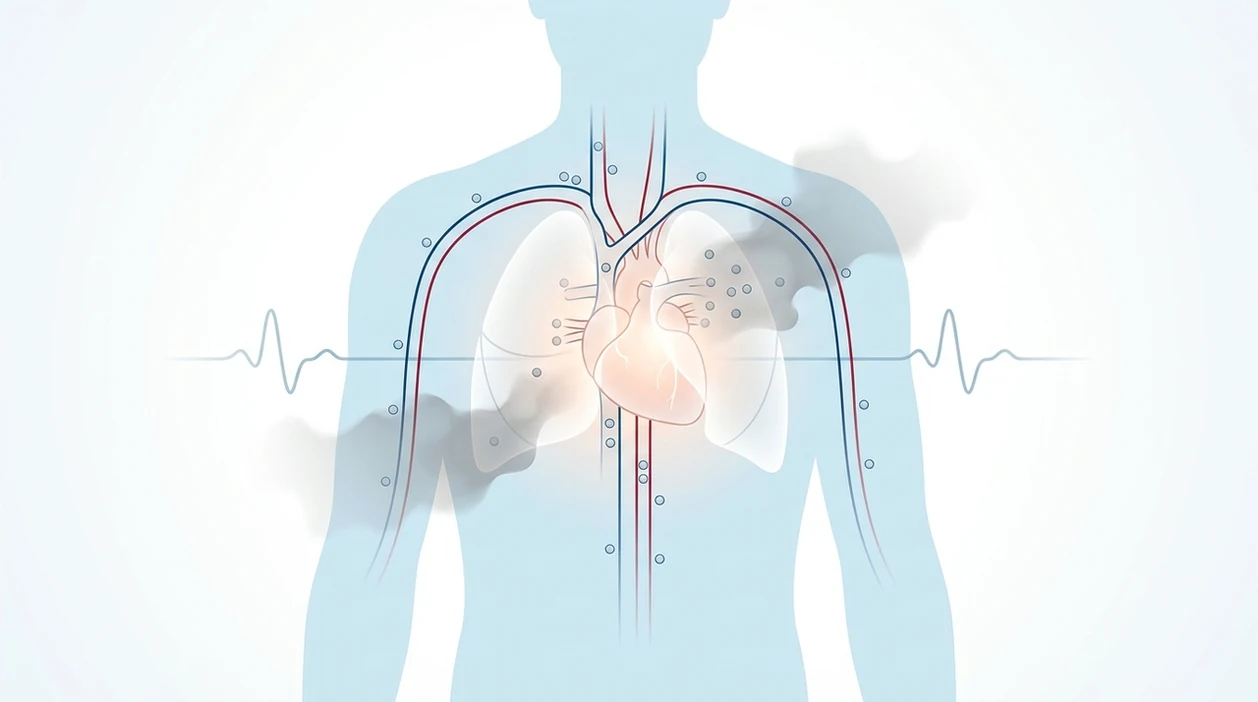
- Heart rate and carbon monoxide improve fast. Within hours, your pulse and blood pressure begin moving toward normal, and carbon monoxide levels fall so oxygen can travel more easily.
- Withdrawal usually peaks early. Cravings, irritability, poor sleep, and trouble concentrating often peak around days 2–3, then ease over 3–4 weeks for most people.
- Breathing improves over time. Lung function and circulation usually improve over weeks to months, which can make stairs, walks, and school pickup feel less punishing.
- Long-term risks keep falling. Heart attack, stroke, and several cancer risks drop substantially over years after quitting, even if you smoked for decades.
- Tracking helps when it captures triggers, not just days. The most useful quit tools combine milestone tracking, craving logs, coping prompts, and smoke-free streak visibility in one workflow.
The pocket check is real.
Short-Term Stop Smoking Effects: Minutes to 72 Hours

What happens in the first 72 hours after quitting smoking? Your body starts repairing oxygen delivery almost immediately, while nicotine withdrawal begins as the drug level falls.
At about 20 minutes, heart rate and blood pressure start settling. By 8–12 hours, carbon monoxide drops and oxygen levels rise. Around 24 hours, heart attack risk begins to decrease. By 48–72 hours, nerve endings start recovering, so taste and smell may sharpen. That first smoke-free lunch can taste strangely brighter. These early benefit windows are summarized by the American Cancer Society source.
The hard part is that withdrawal arrives during the same window. Cravings, irritability, anxiety, and foggy focus can show up before the health benefits feel obvious. A craving log is most useful in this window when it asks for the time, trigger, and intensity before you decide what to do next.
Good stop smoking apps deliver moment-by-moment support, not a lecture about willpower.
Nicotine Withdrawal Timeline: Week 1 Through Month 1
Nicotine withdrawal is usually sharpest in the first week, especially around days 2–3, according to Cleveland Clinic. Most physical symptoms ease significantly within 3–4 weeks, but trigger memories can last longer.
Common symptoms include cravings, mood swings, insomnia, increased appetite, headaches, and a restless “busy mouth” feeling. Tight shoulders and fidgety hands are common too. A dry mouth at the checkout line can feel bigger than it looks from the outside.
This is the highest-relapse window because the brain is still expecting nicotine after meals, during commutes, and at social events. Craving tracking helps because it turns “I can’t do this” into a pattern you can actually read. For many people, the most evidence-backed approach to getting through withdrawal is medication or nicotine replacement combined with behavioral support.
When the issue is repeated urges at the same time each day, MeQuit earns its place by showing trigger patterns across the first week.
Long-Term Health Milestones After Quitting Smoking: 1 Month to 20 Years
Long-term recovery keeps building after the first month. Coughing and shortness of breath often decrease between 1–9 months as cilia regrow and mucus clearance improves.
After 1 year, the CDC says coronary heart disease risk drops to about half that of someone who still smokes. Within 2–5 years, stroke risk can fall to that of a nonsmoker. After 10 years, the National Cancer Institute reports that lung cancer death risk is about half that of a current smoker source. By 15–20 years, heart disease risk may approach that of a never-smoker.
A broader quit smoking benefits timeline can help if you want the milestones laid out by month and year. On days your motivation dips, MeQuit shows money saved, cigarettes avoided, and health milestones so the long timeline feels less abstract.
Quitting usually depends more on repeated recovery after cravings than on one dramatic quit-day decision.
4 Common Myths About Stop Smoking Recovery
Stop smoking recovery is not instant, but it also isn't endless suffering. Four myths make people quit the quit before their body has time to stabilize.
| Myth | Reality |
|---|---|
| Withdrawal lasts for months | Physical withdrawal usually peaks early and mostly fades within 3–4 weeks. |
| The damage is permanent, so quitting late doesn't matter | Meaningful heart, stroke, and cancer risk reductions happen at many ages. |
| Switching to vaping equals quitting | Vaping can keep nicotine dependence going and still exposes users to chemicals. |
| Extreme weight gain is inevitable | Some weight gain can happen, but it is often modest and manageable with planning. |
Anyone dealing with “I already messed up, so I might as well smoke the rest of the day” needs a reset tool, and MeQuit handles that with slip-up logging instead of shame scoring.
Clinicians typically suggest combining behavioral support with nicotine replacement therapy, prescription medication, or counseling when withdrawal feels hard to manage.
Nicotine, Cilia, and Blood Vessels Inside Your Body
Quitting works because several body systems start changing at once: nicotine clears, receptors recalibrate, lung cilia repair, blood vessels relax, and cellular damage stops accumulating as quickly. In plain terms, your body gets fewer daily hits and more chances to clean up.
Nicotine has a half-life of about 2 hours, but its metabolites and brain effects last longer. As nicotine levels fall, nicotine receptors begin down-regulating. That means the brain slowly stops demanding the same chemical signal, which is why cravings spike, then fade.
In the lungs, cilia are tiny hair-like cleaners. As they recover, mucus moves better, so coughing can briefly increase before breathing improves. In blood vessels, endothelial function, blood viscosity, and platelet stickiness begin shifting in a safer direction. Over years, DNA repair mechanisms and lower mutation exposure help reduce cancer risk.
If your quit timer glows on the lock screen during a late commute, that small cue matters. MeQuit keeps the recovery process visible through health milestones and a smoke-free streak tracker.
5 Ways to Track Your Progress After Quitting Smoking
Using a stop smoking app works best when you track what actually happened, not what you wish happened. These steps turn the timeline into a daily plan.
- Set your quit date and log it in Stop Smoking App so your smoke-free clock starts from a clear point.
- Record each craving with the time, trigger, and intensity, especially after meals, traffic, or a tense message.
- Review daily health milestones for heart rate recovery, carbon monoxide clearance, taste changes, and breathing improvements.
- Use coping tools during high-risk moments such as a breathing prompt during a bathroom break or a delay plan before leaving work.
- Check long-term dashboards for money saved, cigarettes avoided, and disease-risk reductions.
If you use nicotine replacement, counseling, or community support, track those too. The most common medically supported way to quit smoking is combining evidence-based treatment with practical behavior support, not relying on willpower alone.
If your motivation comes from numbers, MeQuit covers the daily feedback loop with cigarettes avoided, money saved, craving history, and streak progress.
When to Get Medical Help While Quitting Smoking
Get medical help right away if quitting smoking comes with chest pain, severe breathlessness, fainting, or suicidal thoughts. This guide is educational support, not personal medical advice, and it cannot judge your individual risk.
Some symptoms are common during nicotine withdrawal, but they still need a clinician’s review when they are intense, worsening, or not settling. Use this quick safety check:
- Call emergency services if you have chest pain, feel like you cannot breathe, pass out, or might harm yourself.
- Contact a clinician soon if cough or wheeze is new, severe, bloody, linked with fever, or keeps disrupting sleep and daily activity.
- Ask for help if mood changes, panic, depression, or insomnia feel unmanageable or last beyond the early withdrawal window.
- Use extra caution if you are pregnant, have COPD, heart disease, or a psychiatric condition, because your quit plan may need closer monitoring.
- Call 1-800-QUIT-NOW or ask your clinician about nicotine replacement, prescription medication, counseling, and other supported cessation options.
A safer quit is still a quit. You do not have to tough out scary symptoms to prove commitment.
Limitations
Quitting helps at almost any stage, but no app or timeline should make recovery sound simple. Here are the real caveats.
- Some lung and cardiovascular damage may be only partially reversible after decades of heavy smoking.
- Timelines vary by genetics, COPD, heart disease, air pollution, secondhand smoke exposure, and stress load.
- MeQuit works best alongside nicotine replacement therapy, prescription medication, counseling, or community support, not as a standalone magic fix.
- Persistent cough, chest pain, severe mood changes, or shortness of breath should be discussed with a clinician.
- Trendy detox supplements do not have strong evidence for smoking cessation.
- Competitors such as Smokefree.gov and BecomeAnEX may suit people who want government resources or forum-style support.
- A half-empty pack tossed in a bin can feel like progress, but the next step still needs a plan.
Reset the plan.
FAQ
How long does nicotine withdrawal last?
Nicotine withdrawal usually peaks around days 2–3 and largely subsides within 3–4 weeks. Psychological cravings can last longer when tied to stress, alcohol, commuting, or meals.
What should you avoid when quitting smoking?
Common relapse triggers include alcohol, smoking friends, high stress, skipped meals, and keeping cigarettes nearby. It helps to make the next cigarette harder to reach before the craving starts.
Does quitting smoking suddenly cause side effects?
Yes, quitting cold turkey can cause cravings, irritability, anxiety, sleep problems, headaches, and increased appetite. These symptoms are temporary and usually become easier after the first week.
When are you considered a non-smoker?
Clinical and insurance definitions often consider someone a non-smoker after about 1 year smoke-free. Health risks continue falling for many years after that point.
Does your skin improve after quitting?
Skin can improve after quitting because blood flow, oxygen delivery, and collagen support begin recovering. Many people notice less dullness over weeks to months.
Why do I feel worse after quitting?
You may feel worse because nicotine withdrawal, fatigue, mood swings, and increased coughing can appear while the body adjusts. Seek medical advice if symptoms are severe, persistent, or include chest pain.
Is it too late to quit smoking at 50?
No, quitting at 50 still reduces smoking-related health risks. A major NEJM study found that quitting by age 40 cuts smoking-related death risk by about 90% compared with continuing source.
Does vaping count as quitting smoking?
Switching from cigarettes to vaping is not the same as being nicotine-free. Vaping can maintain nicotine dependence and still exposes the body to chemicals.
Can an app really help you quit smoking?
Yes, a stop smoking app can help when it combines craving tracking, behavioral coping tools, progress milestones, and links to treatment support. MeQuit stop smoking app is designed around those daily quit behaviors.
Track What Happens After You Quit
Stop Smoking App helps you follow smoke-free days, cravings, triggers, streaks, and money saved as your quit journey changes. It is not medical advice, and extra support such as NRT, counseling, a quitline, or clinician guidance can help when needed.
Get Stop Smoking App