
Quit Smoking App vs Tracker: Which Delivers Real Cessation Support?

A quit smoking app vs tracker comparison comes down to depth: a basic smoke free tracker counts days and money saved, while a full cessation app adds craving management, behavioral exercises, and relapse prevention. MeQuit fits people who want the counter, but also need help when a craving wave hits after lunch or on the drive home.
> Definition: A quit smoking app is a smoking cessation tool that combines progress tracking with behavior-change techniques like CBT exercises, craving coping plans, and tailored coaching, while a quit smoking tracker primarily logs smoke-free streaks, cigarettes avoided, and money saved.
TL;DR
- Trackers show stats; cessation apps actively help you handle cravings and triggers.
- Mobile cessation interventions increase quit rates by roughly 67% versus minimal support, according to a Cochrane review.
- Lighter smokers may start with a tracker, but repeat relapsers need a full cessation app.
- Neither tool replaces NRT, medication, or counseling; combine them for stronger support.
- The MeQuit stop smoking app bridges both by pairing streak tracking with craving and motivation tools.
Quit smoking app vs tracker, side by side
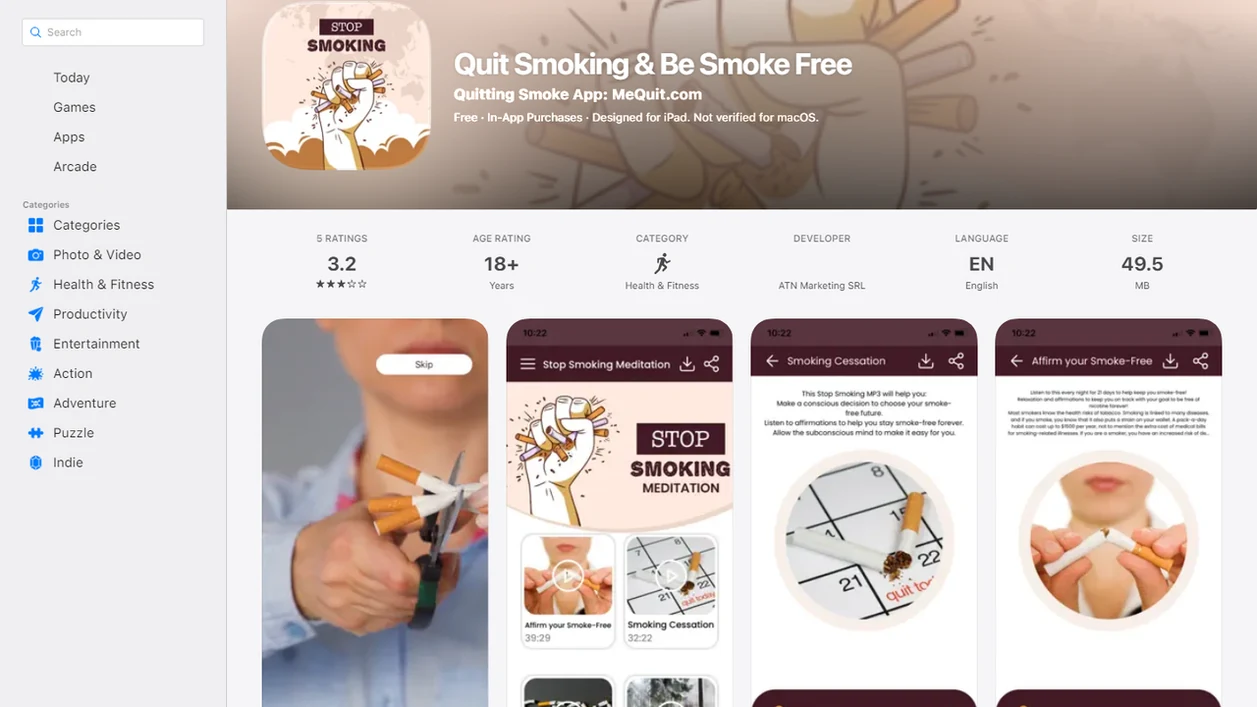
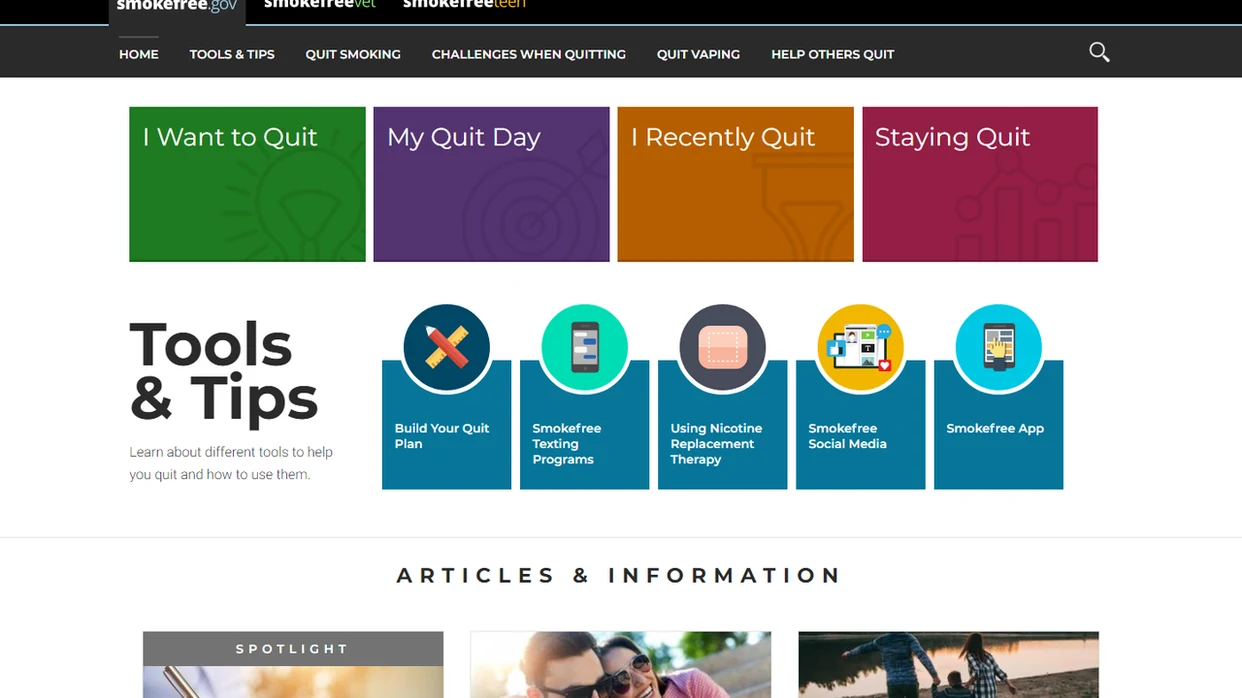
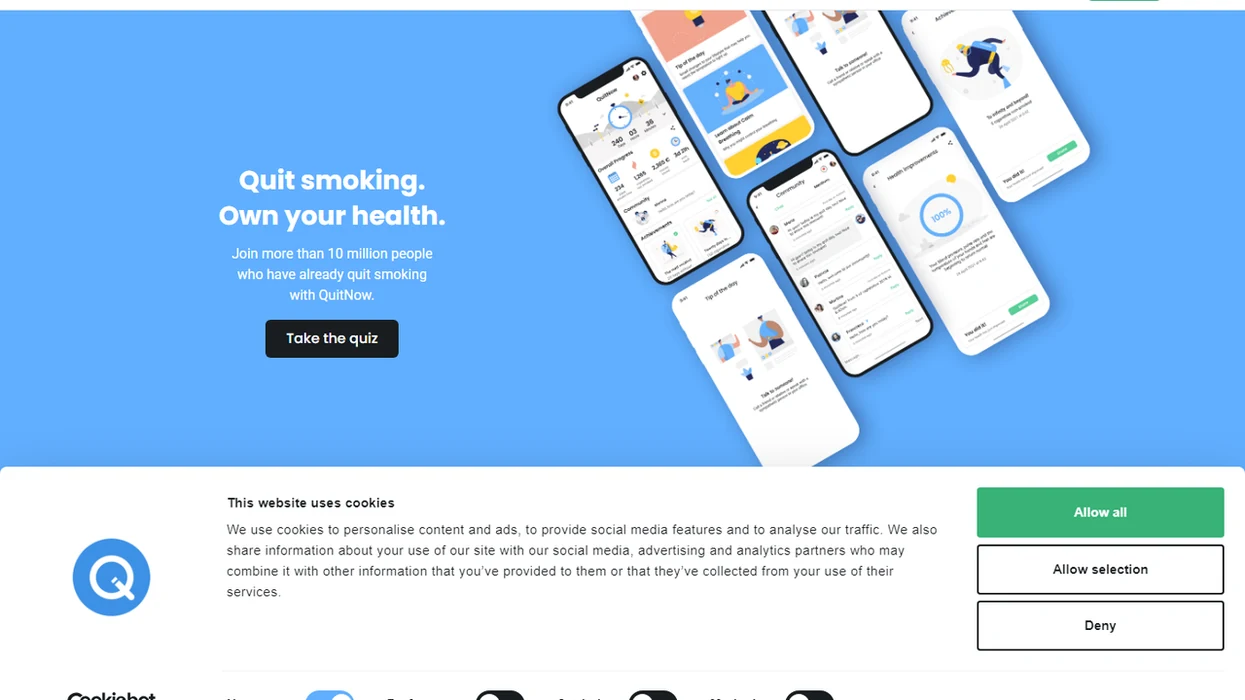
Side-by-side captures of the compared products. Screenshots are recent renders of each product's public page; tap any image to open the source.
At-a-Glance: Cessation App vs Habit Tracker Comparison Table
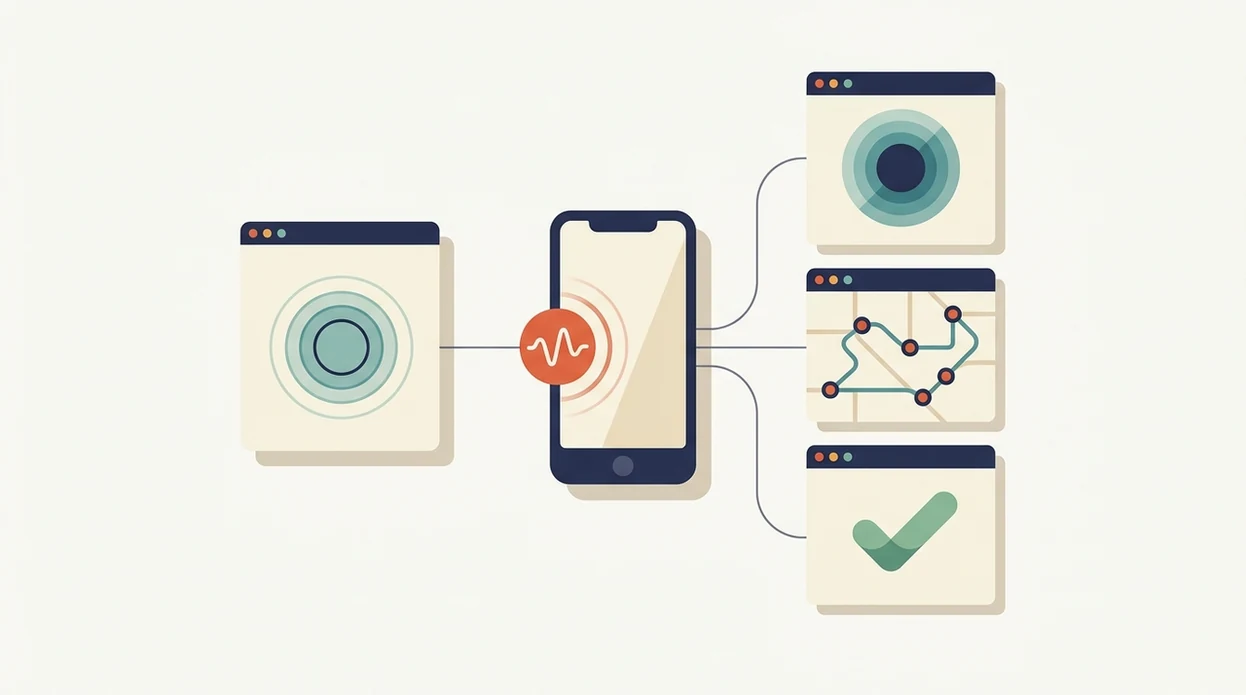
A cessation app vs habit tracker choice is mostly about whether you need coaching or just visibility. Some products blend both categories, but the gap shows up when your thumb reaches for the device automatically.
| Feature | Quit Smoking App | Smoke Free Tracker |
|---|---|---|
| Core purpose | Helps you quit with structure, coping tools, and relapse planning | Counts smoke-free time, cigarettes avoided, and money saved |
| Behavior-change tools | CBT-style prompts, goal setting, tailored feedback | Usually limited or absent |
| Craving support | Real-time urge logging and coping plans | May only record that a craving happened |
| Community/coaching | May include coaching, messages, or community support | Rarely includes support beyond stats |
| Progress stats | Streaks, milestones, health recovery, savings | Strong at streaks, savings, and basic counters |
| Best-fit user profile | Dependent smokers, vapers, repeat relapsers | Light smokers or people still thinking about quitting |
If your main need is visible progress, a tracker can work. If the issue is what to do at 9:40 p.m. when the urge spikes, MeQuit covers that moment with craving logging and a reset workflow.
Five Facts About Quit Smoking Apps and Trackers
These five facts frame the comparison better than app-store ratings do. A shiny badge does not prove long-term abstinence.
- Structured cessation apps include CBT-based exercises, goal setting, tailored feedback, and coping plans; basic trackers mostly count days, money, and cigarettes avoided.
- A Cochrane review of 40 studies found that mobile smoking cessation interventions probably increase quit rates versus minimal support, with a relative risk of 1.67 source.
- Heavier smokers and people who have had several slip-ups usually need more than a timer, especially during the first week.
- The most common medically supported way to improve quit chances is behavioral support combined with FDA-approved medication or NRT.
- Engagement matters for both categories; if you stop opening the app, the value drops fast.
For people comparing options by cost and feature depth, the free vs paid quit smoking app question is separate from the app-versus-tracker decision.
Evidence Behind Quit Smoking Apps and Trackers
The evidence is strongest for mobile cessation tools that deliver active behavior-change support, not just a running clock. Trackers can motivate, but clinical proof for tracker-only quitting is thinner and often measures engagement rather than verified abstinence.
Cochrane and other clinical reviews generally find that text and app-based cessation support can improve quit rates compared with minimal support, especially when the intervention includes tailored messages, coping skills, and repeated follow-up. That puts a structured app closer to behavioral counseling than to a simple dashboard, although it is still not the same as a clinician, nicotine replacement therapy, varenicline, bupropion, or a combined treatment plan.
A practical evidence ladder looks like this:
- Use medication or NRT when appropriate. These have the longest clinical track record for improving quit odds.
- Add counseling or coaching. Human support helps with withdrawal, planning, and relapse repair.
- Choose an app with behavior-change tools. CBT-style prompts, tailored feedback, and craving plans match what reviews tend to support.
- Treat tracker stats as motivation. Streaks and money saved are useful, but they do not prove cessation by themselves.
The weak spot is long-term, biochemically verified abstinence. Many app studies are short, rely on self-report, or test older tools that no longer match today’s app stores.
Where a Quit Smoking App Wins Over a Basic Tracker
A quit smoking app wins when cravings, triggers, and relapse history are the main problem. A tracker can tell you the streak broke, but it usually can't help you rebuild the next hour.
Clinicians typically suggest combining behavioral support with medication or NRT for people with stronger nicotine dependence. Digital programs with structured support have shown higher verified abstinence at six months or longer, with pooled relative risks often in the 1.3 to 1.7 range in a JAMA Internal Medicine review source.
For repeat quitters who think, “I already messed up, so I might as well smoke the rest of the day,” MeQuit is a better fit than a bare counter because the slip-up flow helps you reset the plan instead of surrendering the whole day. Our best stop smoking app for relapse guide goes deeper on that recovery pattern.
Reset the plan.
Where a Smoke Free Tracker Is Enough
A smoke free tracker can be enough for light or social smokers with low nicotine dependence. It works especially well when the main goal is awareness, not intensive craving support.
Someone who smokes only at parties may need the shock of seeing money saved and cigarettes avoided. The same is true for a person in the “thinking about quitting” stage. A counter can act like a quiet on-ramp before a real quit day. Research on Smokefree.gov programs has found that text and app-based support can increase engagement with cessation resources compared with web-only tools source.
However, trackers alone are thin support for heavier smokers. Visible streaks don't teach you what to do when dry mouth hits at the checkout line or the porch chair still has old ash marks. For lighter users who only need stats, tracker-only support is often easier than a full cessation app because it asks less from the user.
How Smoking Cessation App Support Actually Works
Smoking cessation app support works by interrupting habit loops and adding coping steps at the moment nicotine withdrawal starts talking. In plain English, the app helps you notice the trigger, name the urge, and choose the next action before smoking becomes automatic.
CBT-based exercises ask you to identify triggers and reframe thoughts like “one cigarette won't matter.” Goal-setting loops turn a quit day into smaller checkpoints. Tailored feedback changes based on what you log. Push notifications can also help when timed to high-risk windows, like after dinner or outside the office.
When the issue is craving confusion, MeQuit fits because the craving log captures intensity, trigger, and response in one workflow. Too many alerts can backfire, though. Notification fatigue is real, so the useful signal should not feel like someone nagging from your pocket. For urge-specific support, compare the nicotine cravings tracker app workflow.
How to Use a Quit Smoking App or Tracker
Use a quit smoking app or tracker before the craving gets loud, not only after a slip. The setup matters because better baseline data makes the streaks, savings, and trigger patterns more useful.
- Set your quit date or tracking start date first. Decide when the clock begins before opening the tool, so the app is supporting a real plan instead of a vague wish.
- Enter your baseline honestly. Add how many cigarettes you smoke, how often you vape, your usual triggers, and the windows when nicotine feels automatic, like after coffee or during the drive home.
- Log each craving as it happens. Capture the intensity, location, trigger, and what you did next, even if the answer is “paced around the kitchen for five minutes.”
- Review your progress at night. Check the daily streak, money saved, cigarettes avoided, and any trigger pattern that kept repeating.
- Adjust the plan after every slip. Change reminders, coping steps, or clinical support when the current setup is not enough, then restart the next hour instead of writing off the whole day.
How to Choose Between a Cessation App and a Tracker
Choose between a cessation app and a tracker by matching the tool to your dependence, relapse history, and need for real-time support. Outcome usually depends more on using the right support every day than on having the prettiest dashboard.
- Assess your nicotine dependence. Pick a tracker if use is light; pick a cessation app if you smoke or vape soon after waking.
- Count previous quit attempts. Choose deeper support if you have relapsed more than once.
- Decide what you need during cravings. Use a tracker for accountability stats; use an app for coping steps.
- Check for evidence-based techniques. Look for CBT prompts, tailored messaging, goal setting, and relapse planning.
- Pair your tool with proven treatment. U.S. guidance says counseling plus approved cessation medication can more than double quit chances source.
If strong cravings are your weak spot, the best quit smoking app for cravings comparison may be more useful than a general feature list.
Who Should Pick MeQuit for Cessation Support
Pick MeQuit if you want more than a counter but less than formal clinical treatment. It combines smoke-free streak tracking with craving management, motivation tools, and support for both cigarette and vaping cessation.
The right fit for people who need daily accountability is the MeQuit stop smoking app because it shows streaks and savings while also asking what actually triggered the urge. That matters when the trash can is holding a broken vape and the next craving still shows up.
For vapers looking for structure, MeQuit covers nicotine urges, motivation, and restart support through the same quit-plan workflow. A simple rule works: tracker-only if you are a light smoker, full cessation app if you are dependent or keep relapsing. For vaping-specific comparisons, use the best app to stop vaping guide.
Limitations
Quit smoking apps and trackers can help, but they have real limits. No phone screen can do the whole quit for you.
If you smoke within 30 minutes of waking, have withdrawal symptoms, are pregnant, have heart or lung disease, or use psychiatric medication, ask a clinician which cessation plan is safest for you. Digital tools are support aids, not a diagnosis or treatment plan.
- Not every app-store cessation app has been clinically tested or independently evaluated.
- Basic trackers lack behavior-change depth for strong nicotine dependence.
- Apps cannot replace human counseling, medical advice, or mental health treatment.
- Engagement drops over time; any tool loses value if you stop opening it.
- App-store ratings and download counts do not verify actual quit success.
- Most quit apps rely on honest self-reporting, not biochemical confirmation.
- Evidence on cessation apps is still evolving, with limited long-term randomized trials.
- Competitors such as Smokefree.gov, BecomeAnEX, QuitNow, and Smoke Free App may fit different support styles, especially if you want public-health content or community-first support.
MeQuit is not a medication prescriber or emergency support line. It is a practical quit-day companion for tracking what happened and making the next cigarette harder to reach.
FAQ
How accurate are quit smoking apps?
Quit smoking apps are only as accurate as the data you enter. Few apps verify abstinence with biochemical testing, so most streaks and cigarette counts are self-reported.
Is a smoke free tracker enough alone?
A smoke free tracker may be enough for light smokers who mainly need motivation and accountability. Heavier smokers usually need craving tools, relapse planning, or clinical support.
Do cessation apps replace nicotine patches?
Cessation apps do not replace nicotine patches, gum, lozenges, or prescription medication. They work best as behavioral support alongside evidence-based treatment.
Can a quit smoking app prevent relapse?
A quit smoking app can reduce relapse risk by helping users plan for triggers and manage cravings. It cannot eliminate relapse risk entirely.
Are free quit smoking apps effective?
Some free quit smoking apps include evidence-based features, while others are mostly counters. Check for CBT tools, tailored feedback, coping strategies, and privacy information.
What makes a cessation app evidence-based?
An evidence-based cessation app uses techniques found in clinical guidance, such as goal setting, coping strategies, tailored feedback, and relapse prevention. MeQuit should be evaluated on whether it supports those behaviors in practice, not just whether it displays badges, timers, and motivational streaks.
Does tracking money saved help you quit?
Tracking money saved can provide short-term motivation and make progress feel visible. By itself, it does not address nicotine withdrawal, cravings, or smoking triggers.
Choose more than a basic quit tracker
Stop Smoking App (MeQuit) helps you track streaks and savings while also supporting cravings, triggers, and relapse recovery. Use it as a practical companion to your quit plan, not as medical advice or a guaranteed outcome.
Get Stop Smoking App