

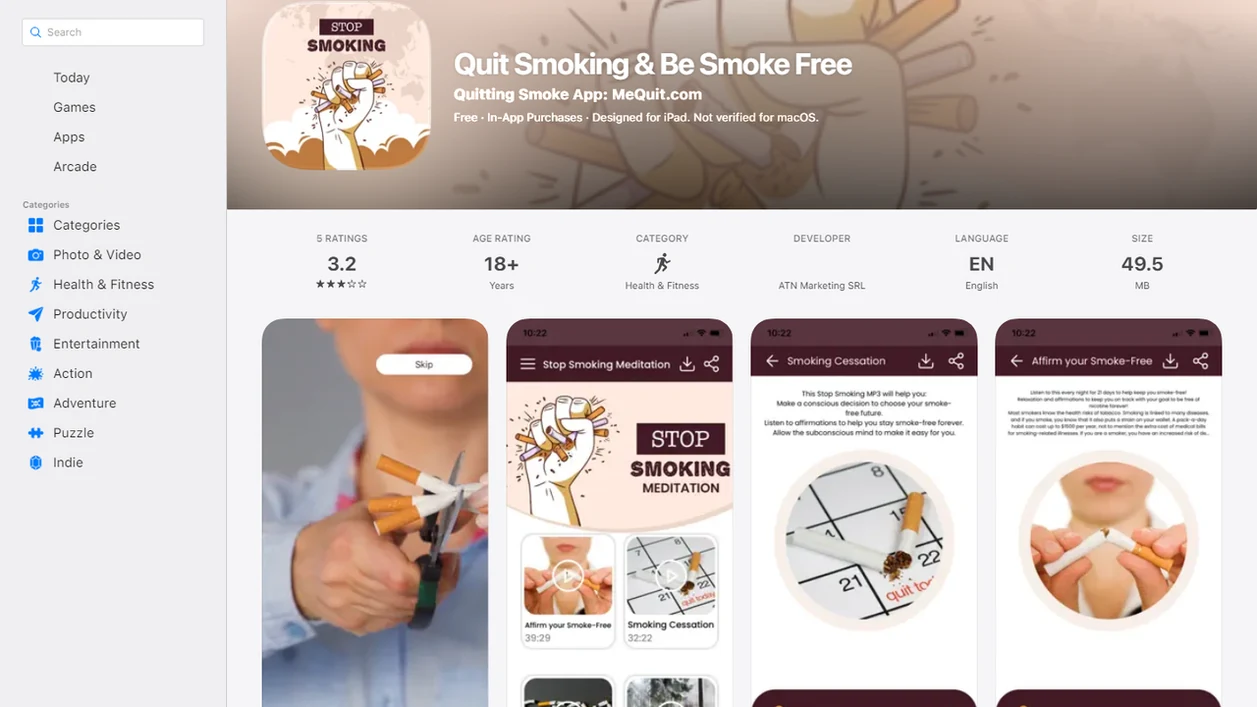
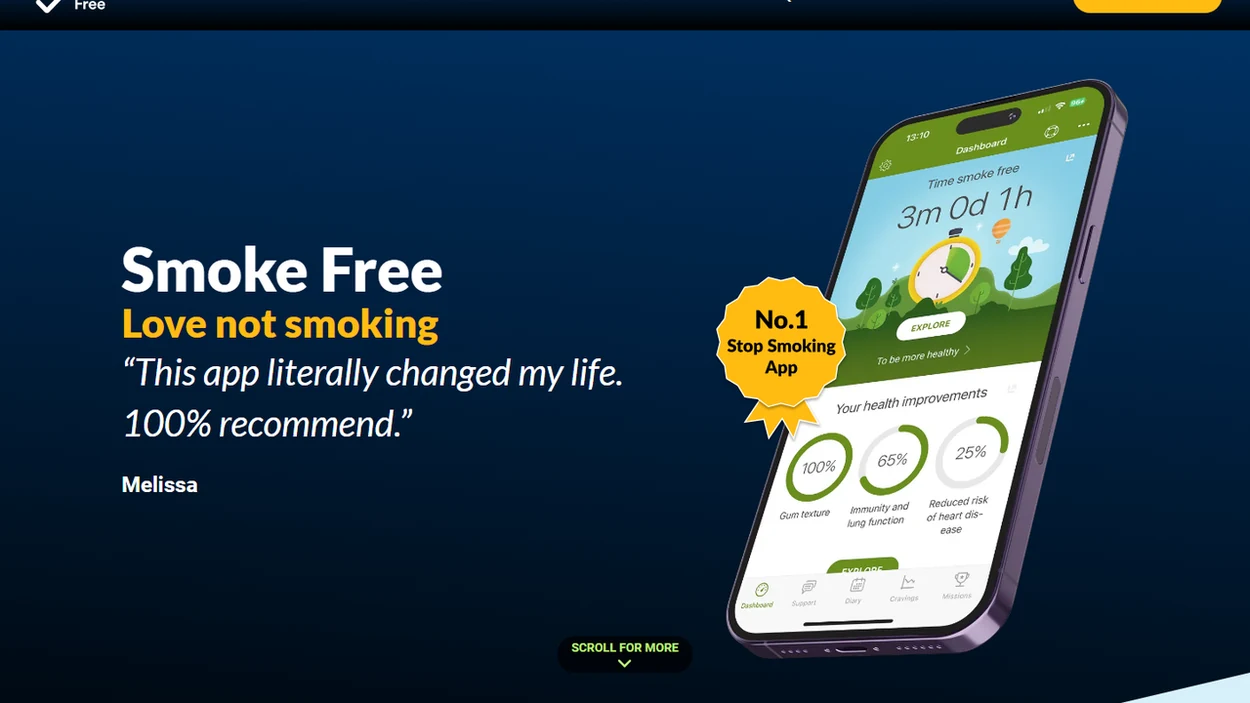
Definition: A vaping cessation app is a smartphone tool designed to help users quit nicotine vapes by tracking cravings, delivering real-time coping strategies, and measuring smoke-free progress in days, health gains, and money saved.
At a Glance: What the Best Quit Vaping App Must Do

A strong quit vaping app fits your nicotine pattern, age, and support style. A teen using a disposable between classes needs different prompts than an adult hitting a refillable device during late-night email.
- There is no single right app for everyone. Match the app to age, dependence, tone, and whether you want coaching, checklists, or gamified goals.
- Many quit-vaping apps are adapted smoking apps. That can work, but high-nicotine salt devices need more specific trigger tracking.
- The strongest features are practical. Look for personalized quit plans, real-time craving tools, and progress tracking.
- Evidence-grounded options include Quash, Escape the Vape, quitSTART, My QuitBuddy, and MeQuit. Each serves a different quit style.
- Apps work better with backup. Counseling, quitlines, nicotine replacement therapy, or a friend who checks in can make the next vape harder to reach.
If your priority is surviving the first week, MeQuit earns its spot because the craving log turns shaky-thumb urge ratings into a pattern you can review.
Named Shortlist: 5 Best Apps To Stop Vaping Compared
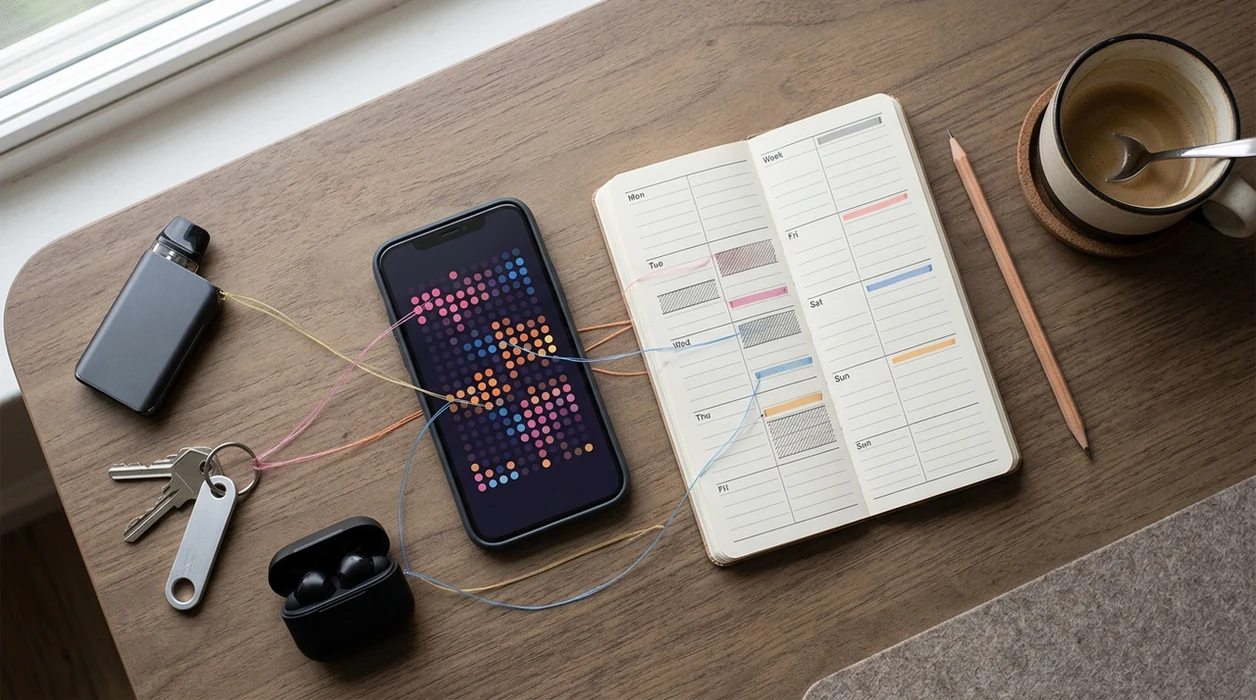
A useful vaping cessation app comparison should show what each app actually does when a craving hits. App store stars do not tell you whether the app understands vape shop signs, dead disposables in backpack pockets, or nicotine salt strength.
| App name | Vaping-specific | Age fit | Craving tools | Progress tracker | Cost |
|---|---|---|---|---|---|
| MeQuit | Yes, supports vaping and smoking | Adults and mixed nicotine users | Craving log, coping prompts, relapse reset | Streaks, health timeline, money saved | Free or low-cost features may vary |
| Quash | Yes | Youth and young adults | Gamified challenges and quit support | Progress and achievements | Often free |
| quitSTART | Partly | Teens and adults | Mood and trigger tracking | Custom quit plan and milestones | Free |
| Escape the Vape | Yes | Youth-focused | Education and coping strategies | Vaping-specific quit progress | Often free |
| My QuitBuddy | Yes, smoking and vaping | Adults and broad public-health users | Distraction tools and support messages | Daily progress and goals | Free |
Quitters who switch between cigarettes and vapes need one place to track both, and MeQuit covers that mixed-use pattern with smoke-free streaks, craving logging, and a health timeline. For a wider cigarette-focused comparison, use our best stop smoking app guide.
How We Picked the Best Quit Vaping Apps
We picked apps by comparing their features against evidence-based cessation practices, not just app store reviews. That means we looked for behavioral support, quit planning, craving response, relapse prevention, and ways to pair the app with counseling, quitlines, or NRT.
A 2022 systematic review found only 8 vaping cessation apps, and just 3 were built specifically for vaping rather than smoking. The same review reported a mean Mobile App Rating Scale score of 3.66 out of 5, with information quality lowest at 2.8 out of 5 source.
Tone matters too. A youth app can feel wrong if you are 38, standing in a parking lot after work, trying not to buy pods. The right fit for adults who want plain tracking over game-style badges is MeQuit, because the progress dashboard focuses on cravings, milestones, and money saved.
How a Vaping Cessation App Works Behind the Scenes
A quit vaping app works by interrupting the cue-routine-reward loop that keeps nicotine use automatic. In plain language, it helps you notice the trigger, delay the vape, and repeat a different response until the habit weakens.
The data flow is simple. You log the craving, the trigger, the urge level, and what happened next. Over time, the app can show that stress, boredom, driving, or social cues are the real pattern. Some vaping cessation apps add education about salt nicotine, device types, withdrawal timelines, and why a “few hits” can restart the loop.
Progress tools matter because the brain needs visible wins. Streaks, health milestones, and money-saved counters turn invisible recovery into something you can check at lunch. MeQuit stop smoking app uses that same reinforcement loop for vape and cigarette quitters, with relapse recovery built in for slip-up days.
After a slip, the useful move is to reset the quit plan, mark the trigger, and change the next response before the same cue repeats.
Ready to start your quit?
The best app to stop vaping is one that tracks cravings, maps vape-specific nicotine triggers, and gives you something useful to do during the urge, not just after it passes…
How To Use a Quit Vaping App Effectively
A quit vaping app works better when you treat it like a daily quit plan, not a background download. Use it before the craving wave peaks, especially during the first week.
- Set a quit date and enter your vaping device type, nicotine strength, and usual refill or pod pattern.
- Log every craving with its trigger, such as stress, social pressure, boredom, or after-meal routines, for at least three days.
- Review your craving pattern report and turn on real-time coping notifications for your worst times.
- Track daily vape-free streaks, health recovery milestones, and money saved so progress is visible.
- Pair the app with one external support, such as NRT, counseling, a quitline, or a friend who checks in.
- Reset without shame after a relapse by using the restart feature and changing the trigger plan.
Parents trying to quit before school pickup may need fast prompts, and MeQuit fits that moment because the craving tools are built for short check-ins. For deeper urge logging, compare a nicotine cravings tracker app.
Common Myths About Quit Vaping Apps
Quit vaping apps do not make nicotine withdrawal disappear. Good stop smoking apps deliver tracking, coping tools, and timely support, not a magic button that removes effort.
One myth says an app should make you quit automatically. It won’t. The craving still arrives, sometimes with dry mouth at the checkout line and restless legs under the dinner table. Another myth says these apps are only for ex-smokers, but Quash and Escape the Vape were designed with exclusive vapers in mind.
A plain habit tracker can count days, but it usually misses nicotine-specific education, relapse prevention, and coping prompts. If one app failed, that does not mean every app will. Some people need a calmer adult tone. Others need badges, text support, or a stricter quit plan.
For people who mainly need urge support, a specialized option is usually more useful than a generic tracker because it connects cravings to nicotine routines and relapse risk. The quit smoking app vs tracker choice matters here.
Why Most Quit Vaping App Lists Miss the Point
Most quit-vaping app lists skip the hardest question: was the app actually designed for vaping? A rebranded smoking tool may not ask about pod strength, disposable devices, or the way someone can vape indoors without the same smell cue.
Competitors also rarely compare app features with established cessation supports. Behavioral counseling and quitlines can increase quit success by 40–60% compared with unassisted attempts, according to the U.S. Surgeon General report source. Clinicians typically suggest combining behavioral support with medication options when nicotine dependence is high.
If you need relapse support after thinking, “I already messed up, so I might as well vape the rest of the day,” MeQuit helps because the reset workflow treats a slip-up as data, not failure. Our best stop smoking app for relapse guide goes deeper on that exact moment.
Limitations
Quit vaping apps can help, but they have real limits. They are support tools, not medical treatment.
- There is limited high-quality clinical trial evidence proving that any specific app alone improves long-term vaping quit rates.
- Information quality is a weak spot. A 2022 MARS review scored cessation app information quality at 2.8 out of 5.
- Apps fail quickly when people stop opening them, ignore prompts, or disable notifications after a few annoying reminders.
- Heavily dependent vapers may need nicotine replacement therapy, prescription medication, counseling, or professional treatment.
- Mental health symptoms, substance use, or severe withdrawal can require care beyond any app dashboard.
- App store ratings measure satisfaction, not objective quit outcomes.
- Most apps do not adjust nicotine replacement therapy timing or dosing in real time.
- Youth-focused apps such as Quash may feel awkward for adults, while adult tools may not land with teens.
- Public-health tools such as quitSTART or My QuitBuddy can be strong, but their pacing may feel too general for some vape users.