
60 Days After Quitting Smoking: Body, Brain, And Routine Shifts

60 days after quitting smoking, your lung function and circulation are measurably improved, cravings are usually shorter than in week one, but irritability or anxiety can still linger. A quit-smoking tracker can help protect this two-month milestone by pairing health milestones with trigger logging, craving timers, and a 60-day smoke-free streak you can actually see.
- Nicotine is long gone from your body, but mood symptoms like anxiety and irritability may persist past 67 days.
- Circulation and lung function have improved enough to make exercise noticeably easier by the 60-day mark.
- Cravings at two months are trigger-driven, not physical, so habit-loop disruption tools matter more than willpower.
At A Glance: What 60 Days Smoke Free Looks Like
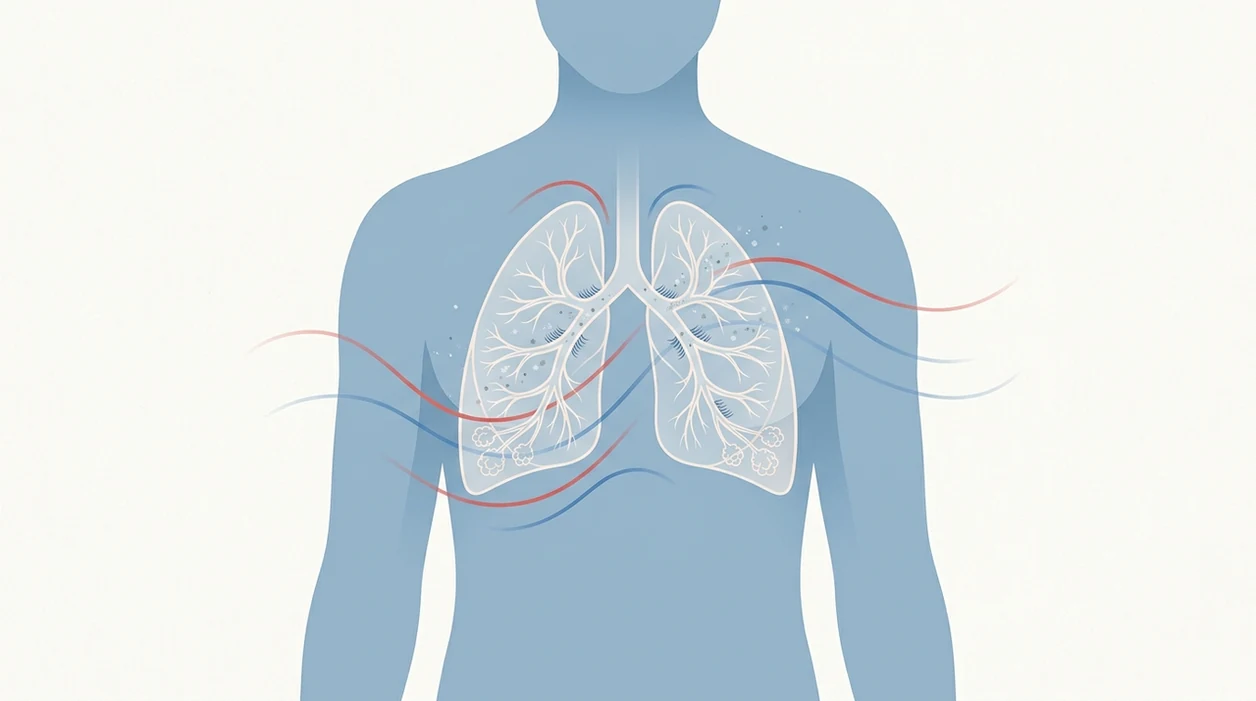
- Lungs: Cilia are regaining function, so coughing, mucus, and shortness of breath often decrease between months one and nine.
- Heart: Cardiovascular risk is already moving down; former smokers can cut excess coronary heart disease risk by about half within the first year.
- Brain: Cravings usually arrive in shorter waves, but anger, anxiety, and low mood can still show up around day 60.
- Habits: Physical nicotine dependence has faded for most people, but conditioned triggers still fire after lunch, stress, alcohol, or boredom.
- Savings: A one-pack-a-day smoker has avoided about 1,200 cigarettes by day 60; at $10 per pack, that is about $600 saved.
The pocket check is real.
If you want the two-month number to feel concrete, MeQuit puts the smoke-free streak, money saved, and cigarettes avoided in one dashboard. That matters when the gas station cigarette display still catches your eye behind glass.
How 60 Days After Quitting Smoking Works
At 60 days, the big change is not that nicotine is still leaving your body; it is that your brain, lungs, blood vessels, and routines are still adapting to life without it. Nicotine clears within days, but neuroadaptation, the brain’s slow reward-system reset, and habit-loop recovery take longer.
The body changes happen on different clocks. Circulation and lung function often improve inside the CDC’s 2-to-12-week window, which is why stairs or walks may feel easier by two months. In the airways, cilia, the tiny brush-like cleaners that move mucus out of the lungs, gradually recover. That is why cough and mucus can improve slowly instead of disappearing overnight.
The craving pattern also shifts. Early urges are tied to nicotine withdrawal; by day 60, many urges are cue responses from old routines: coffee, stress, driving, alcohol, or boredom. The body is not necessarily demanding nicotine, but the trigger still knows the script. Mood can lag behind too. Irritability, anxiety, or low mood may outlast the most obvious cravings, which is why tracking both urges and emotions matters.
Lung And Circulation Gains Two Months After Quitting Smoking
By two months after quitting smoking, circulation and lung function have improved enough that stairs, walks, and workouts often feel less punishing. The CDC says circulation improves and lung function increases within 2 to 12 weeks after quitting.
Here is the practical stat pack for day 60: heart attack risk starts dropping within 24 hours, circulation is improving by the 2-to-12-week window, and excess coronary heart disease risk is on track to fall by about 50% within the first year. The National Cancer Institute also notes that cilia regain normal function during the one-to-nine-month window, which helps reduce cough and shortness of breath source.
A slow jog may still feel awkward. That does not mean nothing changed.
People trying to connect symptoms with progress can use MeQuit beside a broader quit smoking timeline. For many quitters, two months is when breathing changes become noticeable enough to keep going.
Brain And Mood Changes 60 Days After Quitting Smoking
Nicotine has been cleared from your body long before day 60, but the brain still needs time to rebalance after repeated nicotine exposure. Neuroadaptation is the slow reset of reward, stress, and attention systems after nicotine is removed.
A 2022 study found that negative-affect symptoms, including anger, anxiety, and depressive feelings, often did not fully resolve within 67 days, even as craving intensity declined source. That explains the odd mix many people report: fewer cravings, but still a short fuse.
The most common medically supported way to handle lingering withdrawal is behavioral support combined with medication when appropriate, especially for people with strong dependence.
The CDC notes that counseling and FDA-approved quit-smoking medications can improve a person's chances of quitting successfully, especially when used together.
MeQuit fits quitters who feel blindsided by mood dips because the mood check-in reminder separates “I want nicotine” from “I am tired, tense, and under-slept.” Tight jaw during a craving wave is data, not failure.
Common Myths About Being 60 Days Smoke Free
The biggest myth is that all withdrawal should be gone by 60 days. In reality, mood symptoms can persist even when physical nicotine withdrawal has mostly passed.
Another myth says cravings mean quitting is not working. Occasional urges at two months are usually trigger-based. A coworker smoke drifting near the entrance can light up an old routine even when your body is no longer demanding nicotine.
Lung damage is also not a fixed all-or-nothing story. Function can keep improving well past day 60, especially as cilia recover and inflammation settles. The full quit smoking benefits timeline shows why two months is a milestone, not the finish line.
A slip-up is not a reset to zero. One cigarette does not erase 60 days of circulation gains, avoided cigarettes, or practice saying no. Reset the plan. MeQuit supports that reset with a slip-up note, next-trigger plan, and streak rebuilding without shame.
Habit-Loop Disruption At Two Months After Quitting
At 60 days, quitting works less like detox and more like retraining a habit loop. The cue-routine-reward cycle is stored partly in the basal ganglia, which means familiar cues can trigger automatic behavior before you “decide” anything.
How 60-day craving recovery works: repeated exposure to a cue without smoking teaches the brain a new outcome. That process is called extinction learning. In plain language, the lunch break, traffic jam, or stressful text slowly loses its power when you survive it without lighting up.
Good stop smoking apps deliver fast cue tracking and repeatable coping steps, not a magic shield against every craving.
When trigger patterns are the issue, MeQuit earns the spot because the trigger log shows which cues keep repeating by time, place, and mood. The 30-to-90-day window can feel safer than week one, but overconfidence is exactly why it needs structure.
5 Stop Smoking App Steps To Protect Your 60-Day Streak
Use a stop smoking app at day 60 to turn progress into a plan for day 90. The goal is simple: make the next cigarette harder to reach and the next coping step easier to start.
- Review your 60-day health dashboard for lung, heart, savings, and cigarette-avoided progress.
- Log the craving event when an urge hits, including trigger, mood, location, and intensity.
- Set a mood check-in reminder to track lingering irritability, anxiety, or low sleep.
- Start the craving timer during surprise urges and wait out the wave before making a decision.
- Choose a 30-day micro-goal for the stretch toward 90 days, such as no smoking during social drinking.
On days when motivation feels thin, MeQuit covers the gap because the smoke-free streak tracker shows what you would be protecting before the craving starts talking.
Relapse Prevention Strategies For The 60-Day Smoke-Free Mark
Relapse prevention at 60 days starts with your top three triggers, not a vague promise to “stay strong.” Look at the last two weeks of app data and name the patterns: stress after work, alcohol, boredom, driving, or being near smokers.
Reduced cravings do not mean zero risk. Two months smoke free can make people loosen rules that helped them through week one. Keep the urge plan visible, especially before weekends or social events.
Exercise helps twice here. It supports mood regulation and gives improving lungs a clear job. Even a brisk 12-minute walk can break the “I already messed up, so I might as well smoke the rest of the day” loop.
Quitters who need accountability after the first rush fades can use MeQuit because milestone sharing turns 60 days into a visible promise to a partner, friend, or quit buddy. The next comparison point is often quitting smoking benefits after 90 days.
When To Seek Medical Help After Quitting Smoking
Seek medical help after quitting smoking if symptoms feel dangerous, severe, or outside normal withdrawal. Tracking can show patterns, but it cannot diagnose chest pain, treat breathing trouble, or replace a clinician.
Use this escalation plan when the quit starts feeling medically complicated:
- Call emergency services immediately for chest pain, severe shortness of breath, fainting, blue lips, sudden weakness, or breathing that feels worse instead of better.
- Get immediate crisis help if you have thoughts of self-harm, feel unsafe alone, or might act on an urge to hurt yourself.
- Contact a clinician promptly for severe depression, panic, anxiety that blocks daily life, or repeated relapse cycles that keep pulling you back into smoking.
- Review medications and health history with a doctor or pharmacist if you were a heavy smoker, use nicotine replacement, take psychiatric or heart medications, or have COPD, asthma, pregnancy, diabetes, or complex medical history.
- Use app data as supporting notes by showing craving timing, mood swings, sleep changes, and slips, while letting medical professionals decide what the symptoms mean.
MeQuit can help you organize the story. It should not be the only help when your body or mood is sending an alarm.
Limitations
MeQuit can support a 60-day smoke-free streak, but it cannot remove every medical, emotional, or social risk tied to quitting.
- Breathing and fitness gains vary by age, pack-years, asthma, COPD, heart disease, and current activity level.
- A stop smoking app supports motivation and tracking, but it is not a substitute for medical care, counseling, or cessation medication for severe dependence.
- Heart and lung risk do not return to never-smoker levels by day 60; some risk reduction takes years.
- Withdrawal research describes group averages. People with anxiety, depression, or heavy nicotine use may have longer symptoms.
- No app, including MeQuit, can completely eliminate cravings or relapse risk at two months.
- Smokefree.gov, BecomeAnEX, NHS quit resources, and in-person programs may fit people who need human coaching or clinical support.
- If chest pain, severe depression, or thoughts of self-harm appear, get urgent medical help rather than relying on tracking tools.
FAQ
Are cravings normal 60 days after quitting smoking?
Yes. Cravings at 60 days are usually shorter, less intense, and triggered by routines rather than physical nicotine withdrawal.
How much has lung function improved after 60 days without cigarettes?
Per the CDC, circulation and lung function improve within 2 to 12 weeks after quitting. Many people notice easier walking, climbing stairs, or exercise.
Why am I still irritable two months after quitting smoking?
Mood symptoms can last beyond the main nicotine withdrawal period. A 2022 study found negative-affect symptoms may persist past 67 days.
Does one cigarette after 60 days ruin my progress?
No. One cigarette does not erase your health gains if you return to abstinence quickly and reset the plan.
Is weight gain normal two months after quitting smoking?
Yes. Appetite changes, taste recovery, and slower nicotine-driven metabolism can cause weight gain, but walking, meal planning, and craving tracking help.
Can I exercise harder after 60 days smoke free?
Often, yes. Better circulation and oxygen delivery can make harder exercise more comfortable, but increase intensity gradually.
When does heart attack risk normalize after quitting smoking?
Heart attack risk starts dropping within 24 hours, according to the American Cancer Society. Excess coronary heart disease risk may fall about 50% within one year.
Will sleep problems go away after two months without smoking?
Sleep disruption can linger at two months. It usually improves between months two and three as mood and routines stabilize.
How can a stop smoking app help at the 60-day mark?
A stop smoking app can help at 60 days with trigger logging, a craving timer, mood check-ins, and a health dashboard. This support is most useful when cravings are tied to routines rather than nicotine withdrawal.
Protect Your 60-Day Smoke-Free Streak
Stop Smoking App helps you track cravings, triggers, smoke-free days, and money saved so you can spot risk patterns before they become relapse moments. It is not medical advice, and it works best alongside NRT, counseling, quitline support, or clinician guidance when needed.
Get Stop Smoking App