
Signs of Smoking Addiction: Behavioral and Physical Indicators You Shouldn't Ignore

The most telling signs of smoking addiction include needing a cigarette within 30 minutes of waking, repeated failed quit attempts, irritability or anxiety when you can't smoke, and rearranging your day around cigarettes. A structured craving log can help you notice these patterns by recording craving timing, smoke-free streaks, cigarette counts, and slip-ups in one place.
> Definition: Smoking addiction (nicotine dependence) is a pattern of compulsive tobacco use driven by neurochemical changes in the brain that cause cravings, withdrawal symptoms, and loss of control over how much or how often you smoke.
This guide is educational and is not a diagnosis. If withdrawal symptoms feel severe, or if smoking overlaps with anxiety, depression, pregnancy, heart disease, lung disease, or medication questions, speak with a qualified healthcare professional.
TL;DR
- Morning cravings, rising cigarette counts, and failed quit attempts are top nicotine addiction signs.
- Withdrawal symptoms like irritability, anxiety, and restlessness confirm physical dependence.
- Self-assessment tools and a stop smoking app can help you track dependence, but a healthcare professional provides a formal diagnosis.
At-a-Glance: 5 Must-Know Facts About Smoking Addiction Signs
- Needing a cigarette within 30 minutes of waking is one of the clearest everyday signs that nicotine dependence may be present.
- Repeated failed quit attempts are a sign of addiction, not weak willpower. The sentence “I already messed up, so I might as well smoke the rest of the day” is common, and it’s a reset point.
- Irritability, anxiety, poor focus, restlessness, low mood, and strong cravings are classic nicotine withdrawal symptoms.
- Continuing to smoke despite health warnings, money strain, stale smoke on a winter coat, or pressure from family shows nicotine is driving behavior.
- Self-checks can help you gauge dependence, but only a healthcare professional can diagnose tobacco use disorder.
For people who need a daily reality check, MeQuit fits because it captures craving timing, cigarette counts, and smoke-free streak changes in a visible progress log.
Behavioral Signs of Smoking Addiction in Daily Life
Am I addicted to cigarettes if my day keeps bending around smoke breaks? Yes, that pattern can be a major behavioral sign, especially when smoking happens automatically or feels hard to postpone.
Morning Cravings and Trigger-Based Smoking
A strong marker is smoking soon after waking, especially before breakfast or during the first quiet minutes of the day. Some people notice the automatic reach before the coffee machine finishes. Others smoke more after meals, while driving, or when stress hits. In 2015, 68.0% of U.S. adult cigarette smokers reported that they wanted to quit completely, according to the CDC source, yet many keep smoking because the routine has become locked in.
Rearranging Your Schedule Around Cigarettes
Behavioral dependence also shows up when you plan errands around outdoor smoking spots, avoid smoke-free places, or leave a conversation early to smoke. You may smoke more than you meant to, or more than you used to. Good quit support should make the next cigarette harder to reach, not just count cigarettes after the fact.
When the issue is trigger-based smoking, MeQuit handles it well because the craving log helps you mark the situation, urge strength, and follow-up choice in the moment.
Physical Nicotine Addiction Signs and Withdrawal Symptoms
Physical nicotine addiction signs include withdrawal symptoms that appear when nicotine drops: irritability, anxiety, restlessness, poor concentration, low mood, cravings, appetite changes, and sleep disruption. These symptoms are not “just habit.” They are body and brain signals.
Withdrawal Timeline After Your Last Cigarette
Nicotine withdrawal often begins within 24 hours, peaks in the first week, and improves over 2 to 4 weeks, according to UCSF Health. The first week can feel jumpy and uneven. Tight jaw. Fidgeting fingers. A busy mouth that wants something to do.
Mental Symptoms Smokers Often Overlook
Anxiety, anger, and foggy focus can be withdrawal symptoms, not personal failure. Among people who try to quit without any help, only about 4% to 7% remain abstinent for 6 to 12 months, according to a clinical review. The most evidence-backed approach to quitting usually combines behavioral support with proven quit-smoking medication when appropriate.
If the priority is getting through craving waves without guessing, MeQuit earns its place because it gives you a place to log symptoms and reset the plan after a slip-up.
Common Myths About Nicotine Addiction Signs
Low cigarette count does not rule out addiction. Some people smoke only a few cigarettes a day and still feel anxious, restless, or sharply distracted when they cannot smoke.
Another myth is that withdrawal must look dramatic. No shaking does not mean “no dependence.” Cravings, irritability, and the urge to leave a meeting the second it ends all count. Going hours at work without smoking may only prove that you can delay nicotine. The stronger clue is what happens when the break finally comes.
Vaping also counts when nicotine is involved. Most vapes deliver nicotine, and many can create the same craving and withdrawal cycle as cigarettes. The sweet cloud lingering in a bedroom may feel different from smoke, but the dependence loop can be familiar.
For low-count smokers who still feel controlled by nicotine, a best stop smoking app can help compare features that track urges instead of relying only on daily totals.
How Nicotine Addiction Works Inside Your Brain
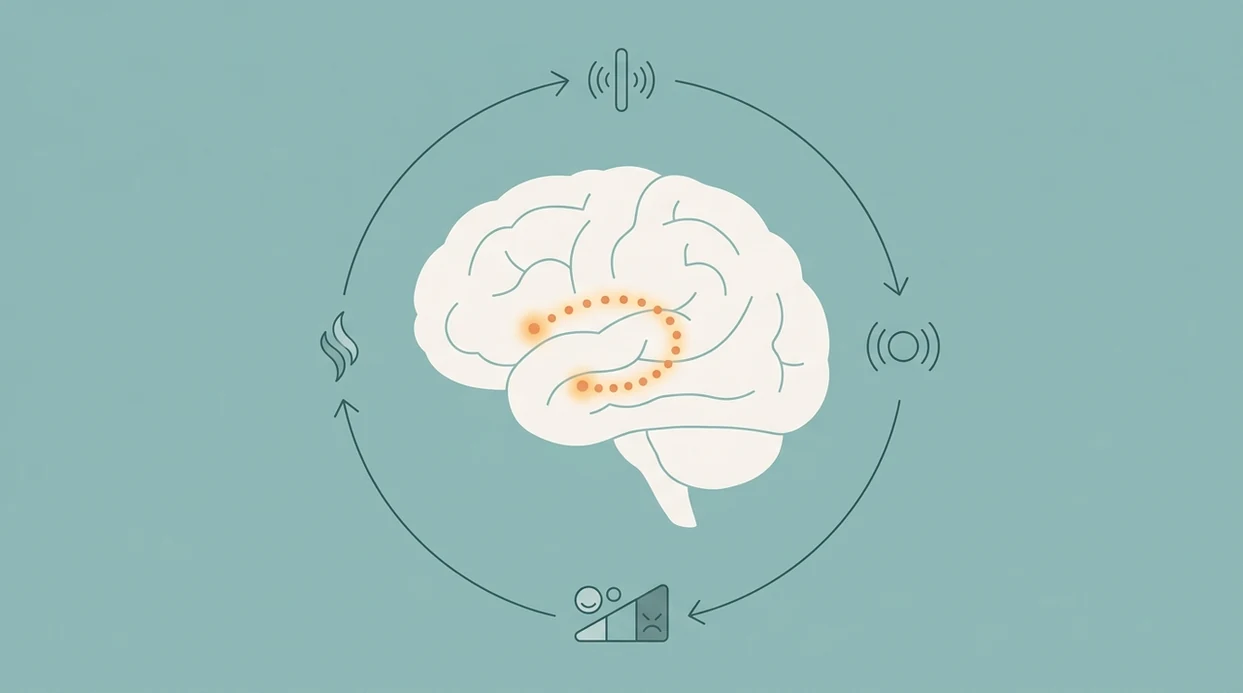
Nicotine addiction works by training the brain’s reward circuit to expect fast nicotine hits. Nicotine reaches the brain within seconds of inhaling and triggers dopamine release, which teaches the brain, “do that again.”
With repeated exposure, the brain can grow extra nicotinic receptors, a process called upregulation. In plain language, the brain raises the amount of nicotine it needs to feel normal. When nicotine is missing, those receptors are understimulated, and withdrawal begins. That is why quitting can feel like tight shoulders, low patience, and a constant need to do something with your hands.
About 12.5% of U.S. adults, or 30.8 million people, smoked cigarettes in 2020, according to the CDC. Addiction is a brain change, not a character flaw.
After a first honest note after a slip-up, MeQuit helps by separating the event from the streak data and showing what actually happened.
How to Self-Assess Your Smoking Addiction Signs
Self-assessing smoking addiction signs works best when you track behavior for a full week, not just how you feel today. Use MeQuit, a notebook, or both. The Fagerström Test for nicotine dependence is a recognized six-question benchmark, especially for timing of first cigarette and daily cigarette count.
- Track how soon after waking you smoke your first cigarette. Mark whether it happens within 5, 30, or 60 minutes.
- Log every unplanned cigarette for one week. Include the place, mood, and trigger.
- Note withdrawal feelings when you delay or skip a smoke. Watch for anxiety, restlessness, poor focus, hunger, or sleep disruption.
- Review your weekly patterns in your log. Look for repeat triggers, not moral failures.
- Compare your results against standard dependence indicators. Morning smoking, failed quit attempts, and withdrawal symptoms matter most.
The most common medically supported way to assess dependence is a structured questionnaire combined with an honest symptom and behavior log.
If you’re comparing phone support with clinical support, our guide on whether a can quit smoking app replace doctor explains the boundary clearly.
Am I Addicted to Cigarettes? Quick Self-Check Questions
Use these quick questions to spot nicotine addiction signs. A “yes” does not diagnose you, but several “yes” answers mean it is time to take the pattern seriously.
- Morning cigarette: Do you smoke within 30 minutes of waking?
- Quit attempt loop: Have you tried to quit or cut down more than once and gone back?
- Withdrawal mood: Do you feel anxious, irritable, restless, or foggy when you cannot smoke?
- Trigger pattern: Do you smoke more when stressed, after meals, or while driving?
- Consequence pattern: Have you kept smoking despite health warnings, money strain, or social pressure?
School pickup line without a vape can feel longer than it should. That counts as data.
For people asking “am I addicted to cigarettes,” MeQuit is useful because it turns these questions into daily tracking patterns, including cravings, smoke-free streaks, and cigarette counts.
When to Seek Professional Help for Smoking Addiction
Seek professional help when smoking feels hard to control, quit attempts keep looping, or cigarette use is climbing instead of shrinking. You do not need to wait for a crisis; support can make withdrawal safer, clearer, and less lonely.
A primary care clinician, pharmacist, quitline coach, or tobacco-treatment specialist can help you match your dependence level with practical support. That may include counseling, nicotine replacement therapy such as patches or gum, or prescription options when they fit your health history.
- Call a clinician if quitting or cutting down worsens anxiety, depression, sleep, concentration, or daily functioning.
- Ask about medication options if cravings are intense, morning smoking is automatic, or past quit attempts ended quickly.
- Contact a quitline for free coaching, planning, and in-the-moment support when cravings spike.
- Use urgent care or emergency support for chest pain, trouble breathing, faintness, or symptoms that feel medically unsafe.
- Seek immediate crisis help if you have thoughts of self-harm or feel unable to stay safe.
Limitations
Online checklists and apps can guide self-awareness, but they cannot replace a healthcare professional’s evaluation. That matters when symptoms are intense, mixed, or hard to explain.
- No blood test or simple biomarker precisely measures nicotine addiction severity.
- People often minimize cigarette counts, especially during stressful weeks or after a slip-up.
- Anxiety and depression can overlap with nicotine withdrawal, which makes self-diagnosis unreliable.
- A stop smoking app supports tracking and motivation, but it is not a guaranteed cure.
- MeQuit works best when paired with counseling, quitline support, nicotine replacement therapy, or prescription medication when appropriate.
- Smokefree.gov and NHS Better Health offer public-health quitting guidance that may fit people who want government-backed education first.
- Privacy still matters. Review quit smoking app privacy before entering sensitive quit notes or health details.
Doctors and tobacco-treatment guidelines often recommend combining behavioral support with approved quit-smoking medications for people with moderate or severe dependence.
FAQ
How do I know I'm addicted to smoking?
Common signs include smoking within 30 minutes of waking, failed quit attempts, withdrawal symptoms, and smoking more than you planned. Continuing despite health, money, or family pressure also points to nicotine dependence.
Can you be addicted if you smoke only a few cigarettes a day?
Yes. Nicotine dependence can develop even at low cigarette counts if you get cravings, withdrawal symptoms, or feel unable to cut down.
Is vaping as addictive as cigarettes?
Most vapes deliver nicotine, so they can cause the same dependence cycle as cigarettes. Withdrawal can include cravings, irritability, anxiety, and restlessness.
How long do nicotine withdrawal symptoms last?
Nicotine withdrawal often starts within 24 hours, peaks during the first week, and improves over 2 to 4 weeks. Some cravings can return around familiar triggers.
Does willpower alone help you quit smoking?
Willpower alone has low long-term success, with only about 4% to 7% staying quit for 6 to 12 months without help source. Tools, counseling, and medication can improve the odds.
What is the Fagerström Test for nicotine dependence?
The Fagerström Test is a six-question self-assessment used to estimate smoking dependence severity. It asks about timing of first cigarette, daily cigarette count, and difficulty avoiding smoking.
Can a stop smoking app detect addiction?
A stop smoking app can track warning signs such as morning smoking, cravings, and failed cut-down attempts, but it cannot diagnose addiction. MeQuit stop smoking app highlights behavior patterns you can discuss with a healthcare professional.
When should I see a doctor about smoking?
See a healthcare professional if self-checks suggest moderate or severe dependence, or if anxiety, depression, sleep problems, or withdrawal symptoms feel hard to manage. Medical support is also important if you have repeated quit attempts and keep relapsing.
Turn Smoking Addiction Signs Into a Quit Plan
Stop Smoking App helps you track cravings, triggers, cigarettes avoided, streaks, and savings so you can see what is driving the habit. It is not medical advice, and it works best alongside NRT, counseling, a quitline, or clinician guidance when needed.
Get Stop Smoking App