Quit Smoking Slip-Up: Your Step-by-Step Plan for Getting Back on Track

A quit smoking slip-up, one cigarette or a few puffs, does not erase your progress or mean you've failed. What matters most is how you respond in the next 24 hours: identify your trigger, recommit to your quit plan, and use the MeQuit stop smoking app to prevent a single lapse from becoming a full relapse.
> Definition: A quit smoking slip-up is a brief, isolated lapse, such as one cigarette or a few puffs, during an active quit attempt. It is different from a full relapse, where someone returns to regular daily smoking.
- One cigarette after quitting does not reset all your health gains or make you a smoker again.
- Most successful ex-smokers had multiple slip-ups before quitting for good.
- Log the exact trigger, recommit within 24 hours, and update, not restart, your quit streak.
At a Glance: What a Quit Smoking Slip-Up Really Means
A slip-up is a lapse; a relapse is a return to regular smoking. That difference matters when your brain starts saying, “I already messed up, so I might as well smoke the rest of the day.”
- A quit smoking slip-up means one cigarette or a few puffs during a quit attempt.
- A relapse means you have gone back to a regular smoking pattern.
- Many long-term ex-smokers need repeated quit attempts before success, and the CDC notes that quitting often takes more than one try.
- Per the CDC, only about 7.5% of adult smokers who tried to quit in the past year were successful in 2018.
- A slip becomes more dangerous when cigarettes stay nearby or you delay recommitting.
The lighter bought with gas station snacks is the risky part, not just the cigarette. Toss it before the next craving wave starts.
Reset the plan.
Medical Scope and Safety Notes
This page is educational support for a quit smoking slip-up, not personal medical advice. It can help you organize the next step, but it cannot diagnose symptoms, choose medication for you, or replace a clinician who knows your history.
Use extra caution if withdrawal feels intense, you are considering nicotine replacement or prescription options, or your health situation is complicated. Pregnancy, heart disease, chest pain history, serious anxiety or depression, bipolar disorder, substance use concerns, and other mental health conditions all deserve clinician guidance before changing a quit plan. If symptoms feel sudden or severe, treat that as medical, not motivational.
- Ask a clinician about nicotine patches, gum, lozenges, varenicline, bupropion, or withdrawal symptoms that are hard to manage.
- Tell your care team if you are pregnant, have heart disease, or have active mental health symptoms before adjusting treatment.
- Seek urgent care for emergency warning signs such as chest pain, trouble breathing, fainting, severe allergic symptoms, or thoughts of self-harm.
- Use MeQuit as support for tracking and cravings, while relying on medical professionals for diagnosis and treatment decisions.
5 Best Responses After You Smoked After Quitting
The best response after you smoked after quitting is practical, fast, and boring: remove access, record what happened, and get support before shame takes over. Good stop smoking apps deliver a recovery workflow, not a scolding screen.
- Clear the scene. Throw away remaining cigarettes, loose tobacco, vapes, and lighters right away.
- Log the slip. Write the time, place, mood, and who you were with.
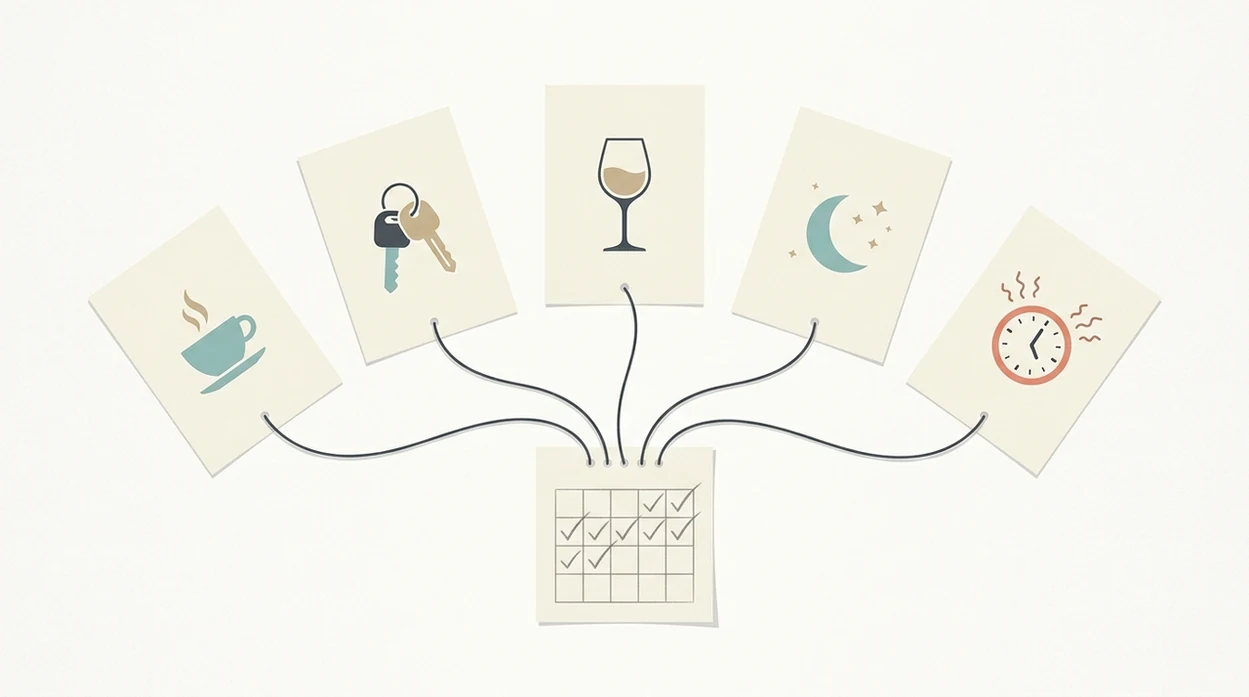
- Name the trigger. Common triggers include stress, alcohol, social smoking, boredom, and post-meal habit.
- Recommit within the hour. Tell a support person or open MeQuit and mark the next cigarette as off-limits.
- Use treatment you already have. Nicotine gum, lozenges, patches, varenicline, or bupropion can blunt the craving chain.
After an after-dinner craving at the kitchen sink, MeQuit fits people who need a quick recovery step because the craving log turns one messy moment into a named trigger and next action.
How a Quit Smoking Slip-Up Works in Your Brain
A quit smoking slip-up reactivates nicotine reward pathways, but one cigarette does not usually rebuild full physical dependence by itself. The bigger danger is the abstinence violation effect, which means shame turns a lapse into an all-or-nothing story.
Here is the loop: a cue appears, your brain predicts relief, you smoke, and the brain records smoking as the shortcut. That is a habit loop. In plain language, your brain learned “back door phone call equals cigarette” and tried to run the old script.
The first 24 hours matter because the loop is still editable. If you remove cigarettes, log the cue, and choose a replacement action, the slip stays isolated. The most evidence-backed approach to preventing relapse is combining behavioral support with proven cessation treatment when cravings are strong.
A warm face during a stress surge can feel like an emergency. It usually peaks, then passes.
How to Use Stop Smoking App After a Quit Smoking Reset
Use MeQuit after a quit smoking reset to record the slip without turning it into a full restart. The goal is to protect your smoke-free streak while being honest about what happened.
- Open MeQuit and log the slip honestly. Record whether it was one puff, one cigarette, or more.
- Record your trigger details. Add time, place, mood, company, and alcohol use if relevant.
- Choose to update your streak. Track “days smoke-free with 1 slip” rather than hard-resetting to zero.
- Activate the emergency craving tool. Use it for the next 24 hours, when the relapse risk is higher.
- Review your progress dashboard. Check health gains, money saved, and the smoke-free days still intact.
If your priority is stopping one lapse from becoming a pack, MeQuit earns the spot because the emergency craving workflow keeps the next 24 hours visible and structured.
Quit Smoking Reset: Update Your Streak, Don't Erase It
A quit smoking reset works better when you update your streak instead of deleting it. Starting from zero can increase shame, especially if you had a real smoke-free streak on the screen yesterday.
The update model is simple: “18 smoke-free days with 1 slip.” It is honest. It also keeps your progress visible. If you want a deeper guide to streaks, the smoke-free streak tracker explains why progress cues matter during the first week and beyond.
MeQuit supports this update style better than binary reset tools that only count “quit” or “failed.” Without help, only about 4 to 7% of people stay smoke-free long-term, according to the American Lung Association source. Progress tracking can’t guarantee success, but it can reduce the dropout spiral.
On days the reset button looks too harsh after midnight, MeQuit helps because the streak update keeps the slip visible without erasing every smoke-free day.
Common Myths About Smoking After Quitting
The most harmful myths after smoking after quitting are the ones that turn one cigarette into a reason to quit quitting. Nicotine dependence is a medical condition, not a character flaw.
| Myth | Fact |
|---|---|
| One cigarette resets all health gains. | Most cardiovascular and respiratory improvements persist after a single slip. |
| Slip-ups prove you lack willpower. | Cravings are driven by dependence, cues, withdrawal, and habit loops. |
| Using an app or NRT is cheating. | Medications can raise quit rates by about 50 to 60%, according to a Cochrane review source. |
| You might as well keep smoking today. | Quick recommitment often stops a lapse from becoming daily smoking. |
Clinicians typically suggest combining medication, counseling, and behavioral support for people who struggle after a slip. For many quitters, updating a plan is safer than pretending the slip never happened.
Not a moral test.
Trigger Logging: How to Prevent Your Next Quit Smoking Slip-Up
Trigger logging prevents the next quit smoking slip-up by showing the pattern behind the cigarette. Log the exact time, location, emotional state, social setting, and whether alcohol or another substance was involved.
MeQuit uses logged details to flag high-risk moments before they arrive. If your slip happened after lunch with a friend passing a vape, the next weekday lunch break should not surprise you. That is the point of real-time logging.
Common trigger groups include stress, alcohol, social smoking, boredom, and post-meal routines. Many resources, including Smokefree.gov and BecomeAnEX, explain triggers well; however, they may not push you to capture the exact trigger in the moment. A personalized quit smoking plan app is useful when your triggers are specific, like school pickup traffic or the first cigarette urge before the coffee machine finishes.
When trigger timing is the issue, MeQuit covers the gap because personalized alerts come from your logged craving history.
When to Get Professional Help After a Smoking Slip-Up
Get professional help after a smoking slip-up when the pattern is getting bigger than your current plan can hold. That means repeated slips turning into daily smoking, cravings that still feel unmanageable with nicotine replacement therapy, or a quit attempt tangled up with depression, anxiety, alcohol, or other substance use.
Use support early, not only after a full relapse. A clinician can review whether your nicotine patch, gum, or lozenge dose is right, and whether varenicline, bupropion, or combination NRT makes sense for your health history.
- Call your primary care clinician, pharmacist, or prescribing clinician if cravings keep breaking through.
- Tell them exactly what you used, how much you smoked, and when the strongest urges hit.
- Ask about medication options, counseling, and whether combining treatments is appropriate.
- Use immediate public-health support while you wait: 1-800-QUIT-NOW in the U.S., Smokefree.gov, or your local health department’s quitline.
- Seek urgent help right away if you have thoughts of self-harm, chest pain, trouble breathing, or severe withdrawal distress.
More help is not a reset failure. It is a stronger quit plan.
Limitations
MeQuit can help after a quit smoking slip-up, but a phone tool is not enough for every situation. The honest warning is simple: a single slip can escalate if cigarettes stay accessible or nothing changes.
- Apps cannot fully replace counseling for heavy nicotine dependence.
- Digital tools may not be enough when depression, anxiety, substance use, or trauma symptoms are active.
- “Just social smoking” after quitting is not proven safe; intermittent smoking can sustain addiction.
- Some people need prescription medication, such as varenicline or bupropion, plus behavioral support.
- Willpower-only plans and “detox” claims are not backed by strong cessation evidence.
- About 55% of adult smokers tried to quit in 2018, per the CDC, but most attempts do not lead to immediate long-term abstinence.
- If you have returned to daily smoking, use a fuller restart after smoking relapse plan instead of treating it as one isolated slip.
Parents trying to keep smoke away from a child may need more backup than reminders. A toddler coughing near the porch door is motivation, but support still matters.
FAQ
Are slip-ups normal when quitting smoking?
Yes. Most people who become long-term ex-smokers had more than one quit attempt, and many had a slip before staying quit.
Does one cigarette reset withdrawal?
One cigarette may trigger stronger cravings for a day or two, but it does not usually restart the entire withdrawal timeline. Treat the next 24 hours as a high-risk window.
Should I reset my quit date after a slip?
Usually, update the streak rather than hard-resetting it. “Smoke-free days with 1 slip” is more accurate and less shame-heavy than starting from zero.
Does one cigarette undo health progress?
No. A single cigarette does not erase most cardiovascular and respiratory gains, although repeated smoking will increase risk again.
Can a stop smoking app prevent relapse?
The MeQuit stop smoking app can reduce relapse risk by supporting craving tools, trigger logging, check-ins, and streak updates. It cannot replace counseling or medication for people with heavier dependence.
Is using NRT after a slip-up cheating?
No. Nicotine replacement therapy and other cessation medications are evidence-based treatments, and research shows they can improve quit rates by about 50 to 60%.
How quickly should I recommit after slipping?
Recommit as soon as possible, ideally within the first hour and definitely within 24 hours. Remove cigarettes, log the trigger, and make the next cigarette harder to reach.
When should I seek professional help for relapse?
Seek professional help if slips keep becoming daily smoking, cravings feel unmanageable, or mental health symptoms are part of the pattern. Counseling and medication may be needed alongside Stop Smoking App.
Reset your quit without starting from zero
Stop Smoking App helps you log the slip-up, spot the trigger, and rebuild your streak with practical craving support. For extra help, combine app tracking with NRT, counseling, a quitline, or clinician guidance when needed.
Get Stop Smoking App