
Quit Smoking App For Teens: Privacy, Safety, And Trusted-Adult Boundaries

A quit smoking app for teens should combine evidence-based craving management, discreet support, and strong data privacy so young users can quit nicotine without shame. The right tool helps a teen handle the next craving wave, not pretend quitting is easy.
> Definition: A quit smoking app for teens is a mobile or text-based program that helps young people stop using cigarettes, vapes, or other nicotine products through quit plans, craving tips, progress tracking, and sometimes live coaching.
This guide is informational and is not medical advice. If a teen has severe withdrawal, panic symptoms, depression, other substance use, or feels unsafe at home, involve a clinician, school counselor, quitline, or another trusted adult before relying on an app alone.
TL;DR
- Teen-specific quit apps outperform adult apps because they address youth triggers, privacy needs, and social pressure.
- Many top teen nicotine help apps are text-message programs, not traditional app-store downloads.
- Always check how an app handles data privacy, parental consent, and trusted-adult involvement before a teen signs up.
5 Features Every Teen Quit Smoking App Must Include
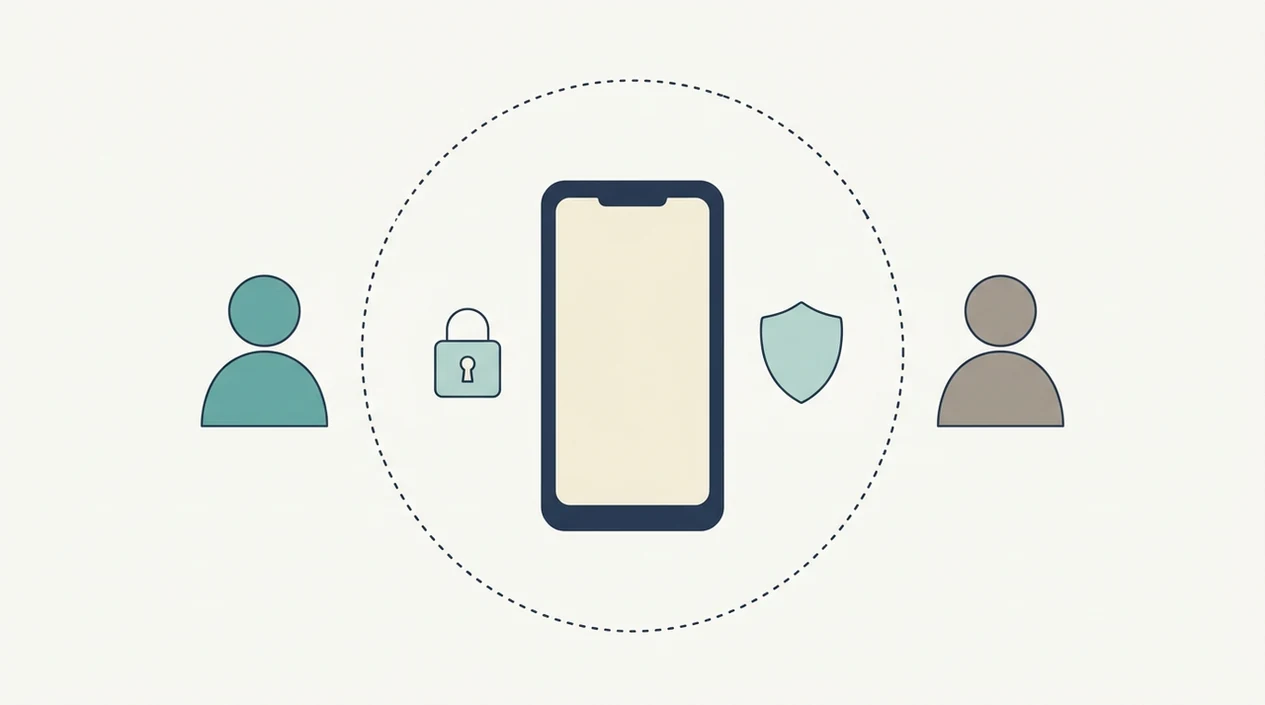
- Teen-specific design matters: Teen quit apps should address school bathrooms, group chats, sports practice, family stress, and social pressure, not only adult smoking routines.
- Discreet access helps: Text-message programs can feel easier than app downloads when a teen shares a phone plan or worries someone will see an icon.
- Craving tools need structure: Strong programs combine behavioral support, urge surfing, short distractions, encouragement, and a way to track what actually happened.
- Trusted adults still matter: If nicotine use connects to anxiety, panic, bullying, or home stress, a teen needs more than a private screen.
- Privacy must be clear: Good apps are free or low-cost, and they explain whether they collect age, phone number, nicotine use, messages, or coaching notes.
The pocket check is real.
A good stop vaping app for teens gives coping steps, progress tracking, and support prompts, not a promise that willpower alone will carry the first week.
Top Teen Nicotine Help Apps: Named Shortlist For Quitting Vaping And Smoking
quitSTART from Smokefree.gov: quitSTART is a free app-store download that gives tailored tips, challenges, and inspiration based on a user’s smoking history, according to Smokefree.gov source. It fits teens who want app-based prompts rather than daily texts.
SmokefreeTXT: SmokefreeTXT is a 24/7 NIH text-message program for teens who want encouragement, advice, and quit tips by SMS source. Texts can feel less obvious than opening an app between classes.
Quash: Quash is a youth-focused app for quitting smoking or vaping. It is built around teen language and peer pressure, which matters when the trigger is a mint vapor smell in a hoodie sleeve. Link this recommendation to Quash’s own youth-cessation materials or remove the claim if no current public source is available.
MeQuit: Tools like MeQuit can help teens track progress, manage cravings, and stay motivated, especially when a trusted adult helps set boundaries.
Adult-adapted tools: Some general quit apps still help first-time quitters, but teens should compare them with youth-specific options. Adults can use a separate quit smoking app for parents when they are quitting too.
Selection Criteria For A Stop Vaping App For Teens
Choose a stop vaping app for teens by checking evidence, privacy, cost, and whether the program was actually designed for young people. A shiny streak screen is not enough.
Look for behavioral tools first. The app should teach what to do during a craving wave, ask about triggers, and help reset the plan after a slip-up. Generic quotes can feel nice for ten seconds, but they do not help much in a restroom stall between classes.
Privacy is next. Check whether the app asks for age, phone number, location, school, or nicotine history. Then check who can read messages, especially if live coaching is included.
Cost should stay low. Many youth programs are free, and paid features should not block basic quit help. If a teen is already using heavily, compare support needs with a quit smoking app for heavy smokers, then involve a clinician or counselor.
How We Chose Teen Quit Smoking Apps
We chose teen quit smoking apps by looking for practical quit support, youth fit, privacy clarity, low cost, accessibility, and safety. We also separated true app-store tools from text-message cessation programs because they work differently in a teen’s day.
Our review checked whether each named program could be compared with public health sources such as Smokefree.gov, NIH, CDC, or pediatric tobacco guidance when those sources were available. Inclusion here means the tool may be worth considering; it does not mean every clinician would endorse it for every teen.
- Check evidence and source trail by looking for public-health backing, published program information, or clear cessation methods.
- Review youth fit by asking whether the program speaks to vaping, school triggers, peer pressure, and teen privacy needs.
- Compare access and cost so basic quit help is not locked behind a paywall or hard-to-use design.
- Screen privacy and safety by reading what data is collected, who may see messages, and when a trusted adult or clinician should be involved.
- Separate formats by evaluating downloadable apps and SMS programs on their own terms.
Privacy policies, features, eligibility rules, and coaching models can change, so families should recheck details before sign-up.
Behavioral Science Inside Teen Quit Smoking Apps
Teen quit smoking apps work by interrupting habit loops and giving the user a replacement action before the urge peaks. In plain language, the app helps a teen notice the cue, ride out the craving, and record what helped.
Many programs use cognitive behavioral techniques adapted for adolescent nicotine dependence. That can include naming a trigger, challenging the thought “I need it right now,” and choosing a short coping action. Clinicians typically recommend combining behavioral support with practical quit planning, and some teens may also need medical guidance about nicotine replacement. The American Academy of Pediatrics notes that clinicians may consider nicotine-replacement therapy for adolescents with moderate or severe nicotine dependence source.
Text coaching and in-app notifications deliver support differently. Texts arrive like a normal message. App alerts may work better for streaks, badges, and milestone rewards. A health milestone read in bed can make one smoke-free day feel less invisible.
Data flow matters. A teen may enter age, nicotine history, cravings, slip-ups, and mood notes. Before using any teen nicotine help app, ask who stores that data and whether coaches, parents, or staff can see it.
6 Steps To Use A Teen Nicotine Help App To Quit Vaping
Use a teen nicotine help app as a daily quit plan, not as a background download. The first week works better when every craving gets a small next step.
- Choose a teen-specific app or text program and read the privacy policy before signing up.
- Set a quit date and enter your nicotine history so the program can tailor support.
- Identify your top three triggers and log them in the app, such as school stress, after-lunch vaping, or friends offering hits.
- Use craving tools every time an urge hits, including breathing exercises, distraction challenges, text coaching, or a two-minute walk.
- Share progress with a trusted adult if that feels safe, especially when cravings connect to stress or anxiety.
- Review weekly milestones and reset the plan after a slip-up instead of quitting the quit.
Reset the plan.
For teens, logging a slip-up quickly is often better than hiding it because the next decision can still protect the smoke-free streak. A quit smoking app for first-time-quitters can also help explain the basics.
Privacy And Trusted-Adult Boundaries In Teen Quit Smoking Apps
A teen-friendly quit app is not automatically private. Before signing up, check what data is collected, who can see it, and whether parental consent is required.
Use this privacy checklist:
- Account data: Does the app collect name, age, phone number, email, school, or location?
- Nicotine data: Does it store vaping frequency, cigarette use, cravings, triggers, or slip-ups?
- Message visibility: Can coaches, counselors, moderators, or support staff read user messages?
- Parent access: Does consent give a parent account access, billing visibility, or progress reports?
- COPPA and age rules: Apps serving children under 13 may need verifiable parental consent under the U.S. Children’s Online Privacy Protection Rule source.
- Deletion options: Can the teen delete messages, export data, or close the account?
A child's drawing taped to the fridge can motivate a parent to help, but it should not become surveillance. Boundaries should be discussed before a teen shares anything sensitive.
4 Myths About Teen Vaping And Quit Smoking Apps
Myth 1: A quit app is a magic fix. Apps help with structure, but teens still need coping skills, support, and follow-up when cravings keep coming back.
Myth 2: Vaping is harmless and easy to quit. Many teens feel real withdrawal from nicotine, including irritability, low mood, sleep changes, and a busy mouth that wants something to do.
Myth 3: All free quit apps are equal. Free can mean evidence-based public-health support, or it can mean generic motivation with little quitting guidance.
Myth 4: Teen-friendly means fully private. Some tools collect phone numbers, usage data, messages, and age information. Read the policy before entering details.
No shame helps more than scolding.
For teens who vape during stress, a quit smoking app for stressed people may explain why urges feel stronger during conflict, exams, or family pressure.
2024 Youth Tobacco Statistics That Show Why Teens Need A Quit App
Youth nicotine use is common enough that teen-specific quit tools are a public-health need, not a niche feature. The CDC reported that 1.63 million U.S. middle and high school students currently used a tobacco product in 2024.
Five key data points:
- 1.63 million U.S. middle and high school students reported current tobacco use in 2024.
- E-cigarettes were the most common youth tobacco product in 2024.
- 1.21 million students reported current e-cigarette use.
- 7.8% of high schoolers reported current tobacco use.
- 3.5% of middle schoolers reported current tobacco use.
These numbers explain why discreet, youth-specific help matters. A teen trying not to vape after practice needs support that fits the actual day, not a lecture.
What Stop Vaping Apps For Teens Cannot Do
Stop vaping apps for teens can support quitting, but they cannot replace counseling, medical care, or school-based help when dependence is strong. That limit matters most when nicotine is tied to anxiety, depression, panic, or other substance use.
Not every app has been tested in adolescent clinical trials. Some tools borrow adult quitting methods and adjust the language for teens. That can still help, but it is not the same as youth-specific evidence.
Social pressure also sits outside the phone. If friends vape in the car after school, an app can suggest a script, but it cannot change the group dynamic by itself. Some apps also require parental consent, which may limit teen autonomy.
A progress tracker is useful. A trusted human is sometimes necessary.
When To Get Professional Help For Teen Nicotine Use
Get professional help when nicotine withdrawal feels bigger than a teen can safely manage, or when vaping is tied to mental health, trauma, or other substances. An app can stay in the plan, but it should not be the only support.
Severe withdrawal can look like panic attacks, intense agitation, sleep loss that keeps stacking up, depressed mood, self-harm thoughts, vomiting, chest pain, or cravings that lead to risky choices. Anxiety, depression, trauma symptoms, alcohol, cannabis, or pills change the quit plan because nicotine may be doing more than feeding a habit; it may be covering pain that needs care.
- Start calmly with support, not punishment-first monitoring. Say what you noticed and ask what feels hardest.
- Contact a school nurse, pediatrician, counselor, or quitline when withdrawal is strong, use is daily, or the teen keeps relapsing.
- Loop in a trusted adult the teen can actually talk to, such as a coach, relative, counselor, or family friend.
- Protect privacy where possible, but override secrecy if there is danger, self-harm risk, abuse, overdose concern, or someone feels unsafe.
The goal is not catching them. The goal is keeping them alive, steady, and supported long enough to quit.
Limitations
Quit apps can be useful, but they cannot guarantee that a teen will stop vaping or smoking. Be honest about the limits before choosing one.
- Quit apps are not a substitute for professional counseling or medical treatment when nicotine dependence is strong.
- Evidence is stronger for structured text-based programs than for generic motivational apps.
- Many teen vaping apps lack clinical trial data for adolescents specifically.
- Privacy settings and age-verification rules can limit what a teen can do inside the app.
- If vaping or smoking is linked to anxiety, depression, trauma, or other substance use, an app alone is usually not enough.
- Free does not equal evidence-based. Users still need to verify the program behind the app.
- Coaching transparency matters. A teen should know whether a real person, automated system, or both will respond.
MeQuit stop smoking app may be useful for tracking cravings and motivation, but a teen with severe withdrawal should involve a clinician, counselor, or trusted adult.
FAQ
What app helps teens quit vaping?
quitSTART, SmokefreeTXT, and Quash are youth-oriented options for teens quitting vaping or smoking. MeQuit can also support progress tracking and craving management with adult guidance.
Are teen quit smoking apps free?
Major programs such as quitSTART and SmokefreeTXT are free. Quality still varies, so check whether the program is evidence-based.
Is a quit app enough for teens?
A quit app may be enough for mild nicotine use. Strong dependence, anxiety, depression, or other substance use usually needs counseling or medical support.
What is the 3-3-3 rule for smoking?
The 3-3-3 rule means wait 3 minutes, do 3 things, and take 3 deep breaths. It helps a craving pass without acting on it.
Do quit apps protect teen privacy?
Privacy varies by app. Teens should check what data is collected, who can read messages, and whether data can be deleted.
Can parents see teen quit app data?
Some apps may require parental consent or show billing and account information. Message access depends on the app’s privacy policy and account settings.
How do I help my teen quit vaping?
Start with a calm, non-judgmental conversation. Suggest a teen-specific quit app or text program and offer a trusted adult for support.
Are text-based quit programs effective?
Structured text-based programs have stronger support than many generic quit apps. SmokefreeTXT is one example of a teen-focused text program.
Support a nicotine-free teen quit plan
Stop Smoking App helps people track cravings, triggers, streaks, and progress while quitting smoking or vaping. It is not medical advice, but it can be a practical support tool alongside trusted adults, counseling, quitlines, or clinician guidance when needed.
Get Stop Smoking App