
Quit Smoking App for Pregnant Women: Why Medical Support Comes First

A quit smoking app for pregnant women can help track cravings and deliver daily encouragement, but it must be paired with clinician guidance, no app replaces prenatal medical care. The safest approach combines an evidence-based app with midwife or OB-GYN supervision, because pregnancy changes which cessation methods are appropriate. Before downloading anything, talk to your healthcare provider about a personalized quit plan.
Definition: A quit smoking app for pregnant women is a mobile tool that provides pregnancy-specific cessation support, including craving tracking, behavioral strategies, and links to professional services, designed to supplement, never replace, medical care during pregnancy.
TL;DR
- No pregnancy stop smoking app should be used without telling your midwife or OB-GYN first.
- Only a handful of apps, including SmokeFree Baby and SmokefreeMOM, have formal evidence behind them for pregnant users.
- Apps cannot assess your medical history, medications, or pregnancy complications. Clinician oversight is non-negotiable.
- Avoid any app promoting vaping, unproven supplements, or medication without directing you to a healthcare professional.
- Combining app-based support with professional counseling and, when appropriate, supervised NRT gives the strongest chance of quitting safely.
At a Glance: 5 Facts About Quit Smoking Apps for Pregnant Women
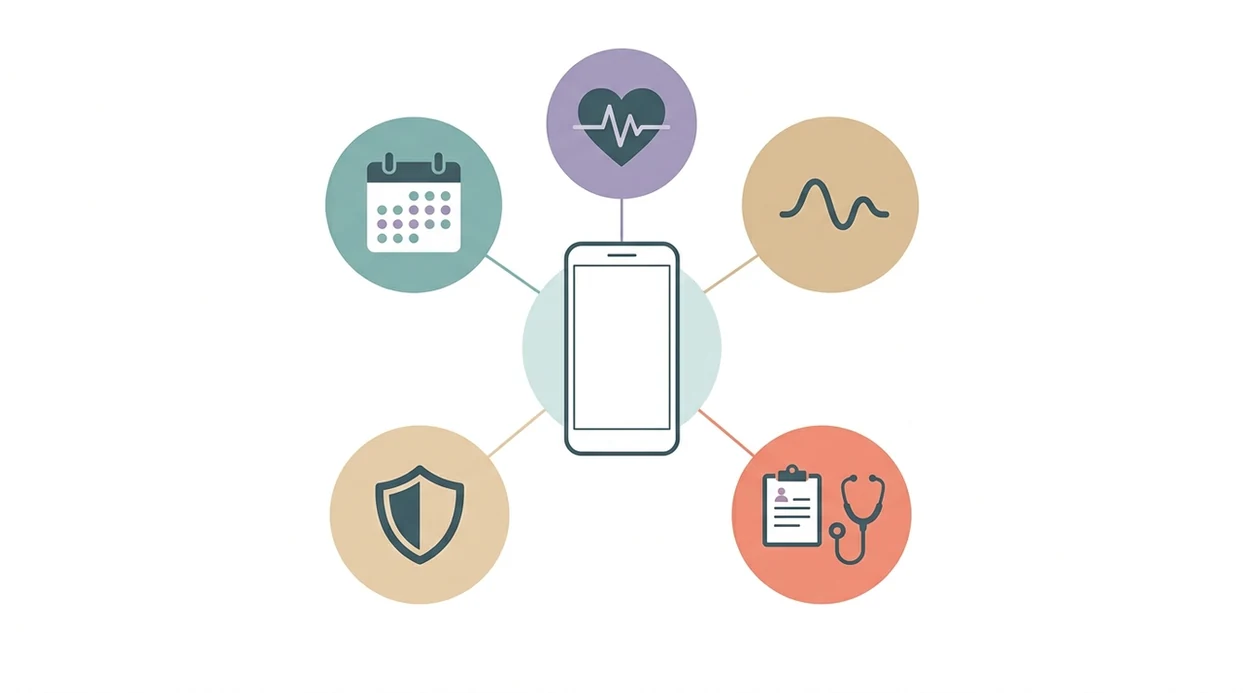
- A pregnancy quit app should supplement prenatal care, not replace your midwife, OB-GYN, or smoking-in-pregnancy specialist.
- The strongest apps use evidence-based behavior change methods, and the few pregnancy-specific tools with formal testing deserve extra attention.
- Useful features include trimester-aware information, a personalized quit plan, craving logs, and links to quitlines or local stop-smoking services.
- Most people need more than a phone reminder. App support, counseling, and possible clinician-supervised nicotine replacement therapy often work better together.
- Avoid apps that present vaping, herbal products, or quit-smoking medication as safe in pregnancy without medical review.
The first week can feel very physical. Tight shoulders, a busy mouth, and fidgeting fingers searching for something are common craving signals. A good app helps you track what actually happened, but your care team helps decide what is medically safe.
For pregnant smokers, app-based quitting is often safer when paired with prenatal care because treatment choices depend on pregnancy history, symptoms, and current medications.
Evidence-Based Pregnancy Stop Smoking Apps Worth Knowing
Pregnancy-specific tools are different from general quit-smoking apps repurposed for pregnancy. The named options below have either research backing, public-health support, or practical features that can complement clinician-led care.
SmokeFree Baby: Trial-Tested Smartphone Intervention
SmokeFree Baby was tested as a smartphone intervention for pregnant smokers and built around behavior change techniques. A randomized trial described complete smoking cessation during pregnancy as the main target because it gives the greatest health benefit for mother and baby.
SmokefreeMOM: NCI Text-Messaging Support
SmokefreeMOM is a National Cancer Institute text program offering 24/7 automated support for pregnant women trying to quit. It suits people who want short prompts without opening an app during every craving wave.
Stop Smoking App as a Daily Companion Alongside Prenatal Care
General tools like MeQuit can help with craving tracking, motivation, smoke-free streaks, and slip-up recovery, but they are not pregnancy-specific medical care. If you want a broader comparison for women’s quit needs, our quit smoking app for women guide covers non-pregnancy use cases too.
How We Evaluated Each Quit Smoking While Pregnant App
A quit smoking while pregnant app should be judged first on safety, then usefulness. High star ratings matter less than clinical evidence, pregnancy warnings, and links to real support.
| Evaluation area | What we looked for | Why it matters in pregnancy |
|---|---|---|
| Clinical backing | Trials, public-health agency support, or guideline alignment | Pregnancy changes the risk-benefit decision |
| Pregnancy content | Trimester-aware advice and clear medical disclaimers | Generic quit tips may miss safety issues |
| Behavioral framework | CBT, ACT, or named behavior change techniques | Cravings need repeatable coping steps |
| Professional links | Quitlines, specialist midwives, or local services | Real people can adjust the plan |
| Privacy | Clear data policy and discreet notifications | Stigma can stop honest logging |
Good stop smoking apps deliver prompts, tracking, and behavior support, not diagnosis, medication approval, or prenatal risk assessment.
The lock screen can feel loud at 9 p.m. A discreet reminder is helpful only if it doesn’t expose something you’d rather discuss privately.
Smoking During Pregnancy Risks: Preterm Birth, Low Birth Weight, and Medical Support
Smoking during pregnancy is linked with serious outcomes, which is why quitting support belongs inside prenatal care. Tobacco addiction is medical, not a character flaw.
Stat stack:
- Smoking in pregnancy is associated with about a 47% increased risk of preterm birth compared with not smoking, according to a 2018 review.
- Maternal smoking during pregnancy is linked with roughly a 2-fold higher risk of low birth weight, according to a 2017 meta-analysis.
- In the U.S., about 4.6% of women reported smoking during pregnancy in 2021, down from 7.2% in 2016, per the CDC source.
Clinicians typically recommend behavioral counseling first, with medication or nicotine replacement considered only after individualized review. An app cannot check blood pressure, fetal growth concerns, nausea severity, other medications, or past pregnancy complications.
That matters.
If your first honest note after a slip says, “I smoked after lunch,” bring that pattern to your appointment. It gives your clinician something practical to work with.
Common Myths About Using a Pregnancy Stop Smoking App
Myth-busting matters here because a bad assumption can delay real help. Use an app for structure, but do not let it become a private workaround around prenatal care.
Myth: “If I use an app, I don’t need to tell my doctor.” False. Your care team needs to know about smoking, vaping, nicotine products, and quit attempts.
Myth: “Any nicotine is equally harmful, so cutting down or NRT is pointless.” False. Cigarette smoke contains many toxins beyond nicotine, and supervised reduction or NRT may be safer than continued smoking for some patients.
Myth: “A popular app-store rating means pregnancy safety.” False. Many apps are not reviewed by pregnancy clinicians.
Myth: “Switch-to-vape apps are safe pregnancy stop smoking apps.” False. E-cigarettes are not considered risk-free in pregnancy. The CDC advises that e-cigarettes are not safe during pregnancy because nicotine can harm fetal brain and lung development.
The most common medically supported way to quit smoking during pregnancy is behavioral counseling combined with close prenatal support, with NRT considered only when a clinician decides the benefits outweigh the risks.
Features a Quit Smoking While Pregnant App Must Include
A quit smoking while pregnant app should make the next cigarette harder to reach while keeping medical decisions with your clinician. Use this checklist before trusting one.
- Medical disclaimer: It should clearly tell you to consult a midwife, OB-GYN, or clinician before changing nicotine use.
- Pregnancy-specific education: Look for trimester-aware information, not generic “quit today” slogans.
- Flexible quit plan: Some people quit on one quit day. Others need a supervised cut-down plan.
- Professional support links: Quitlines, smoking-in-pregnancy advisors, or local services should be easy to find.
- Craving and trigger logs: The app should help you spot patterns like school pickup, sitting in traffic, or after-dinner routines.
- Privacy controls: Discreet notifications, passcodes, and plain data policies matter.
A cigarette savings calculator app can motivate some users, but pregnancy apps should put safety and care access ahead of money saved.
Competitor Gaps in Quit Smoking Apps for Pregnant Women
Most articles do not clearly separate pregnancy-tested tools from general quit apps. That gap matters because pregnancy changes which advice is safe.
Another blind spot is privacy. A pregnant person may avoid honest logging if every notification says “smoking” on the screen. Shame makes people hide, and hidden smoking is harder to treat.
Household smoking also gets missed. A partner’s pack on the porch, a smoky car seat, or a family barbecue can restart a craving wave quickly. If you’re also supporting children at home, our quit smoking app for parents guide covers family accountability in more detail.
Medication safety is under-explained too. Some cessation drugs used outside pregnancy may not fit during pregnancy, or may need specialist review first. Apps should say that plainly.
Limitations
Apps can help, but they are limited tools during pregnancy. Treat them as daily support, not medical supervision.
- Very few quit smoking apps have formal studies in pregnant populations.
- Apps cannot assess medical history, pregnancy complications, fetal concerns, or current medications.
- Digital tools require phone access, reading comfort, and tech confidence, which may exclude higher-risk users.
- Some apps promote supplements, hypnosis claims, or vaping without enough pregnancy safety context.
- Apps rarely address partner smoking, household smoke exposure, or stress at home.
- Digital tools alone usually produce modest quit rates without counseling or clinical support.
- Notification fatigue is real. After three ignored alerts, some users stop opening the app.
- A slip-up plan can help emotionally, but it cannot decide whether NRT or medication is appropriate.
If you are a heavy smoker, do not assume you must solve withdrawal alone. A clinician can help you build a safer plan, and our quit smoking app for heavy smokers page explains why higher dependence often needs more support.
FAQ
Can a quit smoking app replace prenatal care?
No. A quit smoking app can support tracking and motivation, but it cannot replace prenatal care from a midwife, OB-GYN, or clinician.
Is quitting cold turkey safe while pregnant?
Many people can stop abruptly, but you should ask your clinician what fits your health history and level of nicotine dependence. Do not start or stop medication without medical guidance.
Will my baby be OK if I quit at 12 weeks?
Quitting at any point in pregnancy reduces smoke exposure and can improve health chances. Earlier is better, but stopping at 12 weeks is still worthwhile.
Is NRT safe during pregnancy?
Supervised nicotine replacement therapy may be safer than continued smoking for some pregnant patients. It should only be used after approval from your healthcare provider. NICE guidance recommends discussing nicotine replacement therapy with a stop-smoking adviser or healthcare professional during pregnancy rather than using it unsupervised source.
Are vaping apps safe for pregnant women?
Vaping apps should not be treated as pregnancy stop smoking apps. E-cigarettes are not considered risk-free in pregnancy and should not be used without clinician guidance.
What makes a pregnancy stop smoking app evidence-based?
An evidence-based app is tested in pregnant populations, built on behavioral science, or backed by a public-health agency. The MeQuit stop smoking app can be a daily companion, but pregnancy-specific care still comes from clinicians.
Does cutting down while pregnant help?
Cutting down can reduce smoke exposure, but complete cessation gives the greatest benefit. A clinician can help decide whether gradual reduction or a set quit day is safer for you.
How do I protect my privacy on a quit app?
Check the privacy policy, notification settings, data sharing terms, and account deletion options before signing up. Apps such as MeQuit should be used with privacy settings that feel safe for your daily life.
Use Stop Smoking App as part of a supported quit plan
Stop Smoking App can help you track cravings, smoke-free progress, triggers, and motivation while you work with your clinician or prenatal care team. It is not medical advice or a medical device, and it does not guarantee quit outcomes.
Get Stop Smoking App