
Quit Smoking Success Stories and Lessons From Slips

Quit smoking success stories are most useful when they include specific triggers, relapse resets, and the daily choices that kept someone smoke-free, not just a happy ending. Most successful quitters tried more than once before it stuck, and pairing a plan with evidence-based tools like apps, nicotine replacement, or counseling more than doubles the odds of staying quit.
This page is educational and should not replace medical advice. If you are pregnant, have heart or lung disease, use other nicotine products, or have anxiety, depression, or severe withdrawal symptoms, ask a clinician or pharmacist which quit method is safest for you.
> Definition: A quit smoking success story is a real-life account of someone who stopped smoking and stayed smoke-free, typically after multiple attempts, using a combination of evidence-based methods such as nicotine replacement, counseling, digital tracking tools, or support groups.
TL;DR
- Real smoke free stories show triggers, setbacks, and recovery, not just willpower.
- Combining medication or app support with a quit plan more than doubles success rates.
- Relapse is a normal part of quitting, not a reason to stop trying.
How Quit Smoking Success Stories Actually Work
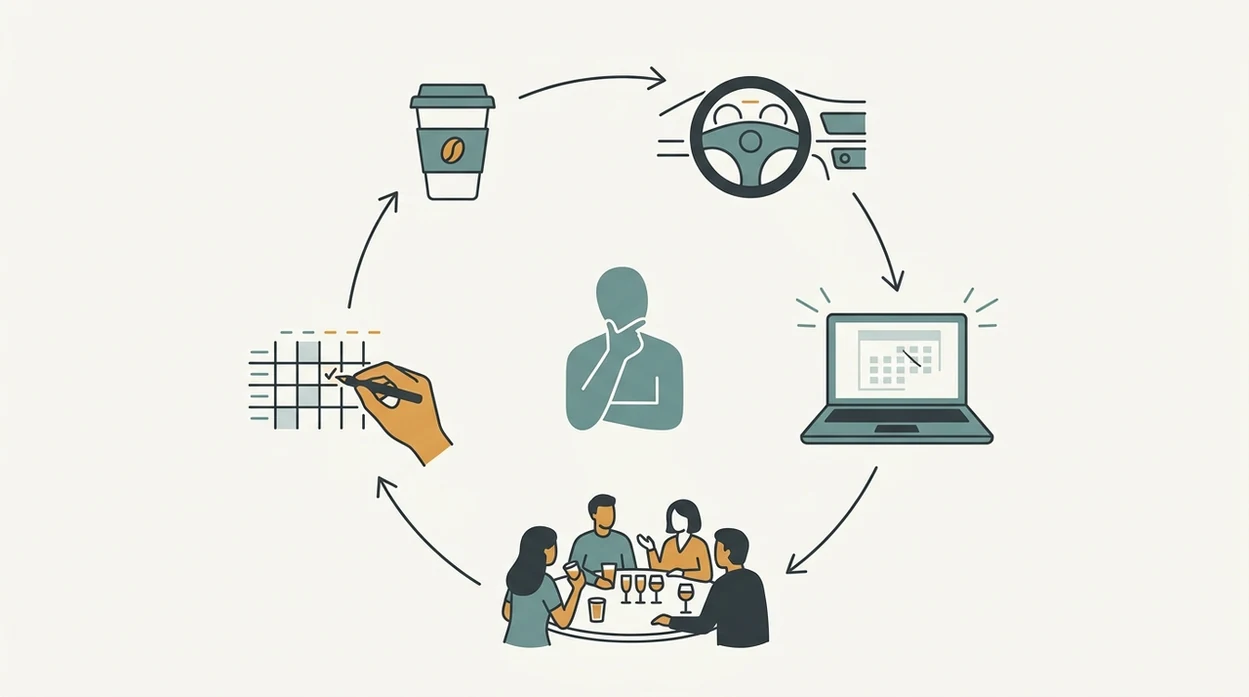
Quit smoking stories work because they make quitting feel learnable. When you see someone with your same trigger, your brain can borrow the plan before the craving wave arrives.
Social learning theory says people copy behavior more readily when the model feels similar. A person who smoked after dinner, kept a pack in the glove box, or reached for cigarettes during work stress feels more useful than a dramatic “I just stopped” story. Specificity matters because it turns inspiration into planning.
The pocket check is real.
Stories also prime trigger recognition. If Maria names the first morning cigarette with coffee, another reader may notice the same automatic reach before the coffee machine finishes. App-based tracking can then turn that insight into daily action: log the urge, name the cue, watch the smoke-free streak continue. According to a Cochrane review, mobile phone-based cessation interventions increased quit rates, with a relative risk of 1.67 at six months or longer source.
How to Use Smoke Free Stories to Build Your Quit Plan
Use smoke free stories as a planning worksheet, not as a scoreboard. The useful question is, “What did they do when the urge hit?”
- Identify the trigger pattern in each story that matches your life, such as coffee, stress, alcohol, driving, or boredom.
- Pick one evidence-based tool the storyteller used, such as nicotine replacement therapy, counseling, a quitline, or an app.
- Set a quit date and log it in a stop smoking app so the plan has a start line.
- Plan a specific response for your top three triggers, such as gum after lunch or a walk after dinner.
- Build a slip-recovery rule so one cigarette means “reset the plan,” not “smoke the rest of the day.”
Clinicians typically recommend combining behavioral support with medication when nicotine dependence is strong. Per the CDC, using counseling and medication together gives people a better chance of quitting than using either support alone source. Tools like MeQuit can help track cravings and streaks, but good apps deliver reminders, logs, and motivation, not a guaranteed cure.
Method Used to Track These Quit Smoking Stories
These quit smoking stories are based on patterns from app user experiences and public cessation community accounts. Each story had to include three things: a named trigger, a specific method, and at least one setback.
Names and identifying details should be treated as anonymized or composite unless a story is explicitly attributed. The purpose is to show repeatable quit patterns, not to verify one person’s private medical history.
We did not treat any single story as proof. The stories are paired with public-health statistics so the lesson does not lean too hard on one person’s memory. Per the CDC, 68.2% of U.S. adults who currently smoked and wanted to quit reported a quit attempt in the past year. That matters. These stories reflect repeated effort, not a rare personality type.
We also looked for ordinary details. A stale smoke smell on a hoodie can push someone more than a poster about future risk. That kind of detail helps readers track what actually happened.
Maria's Story: Morning Coffee Trigger and App-Based Tracking
Maria smoked for 15 years, and her strongest trigger was the morning routine. The cigarette came with coffee so often that her hand moved before she had fully decided.
On her third serious quit attempt, she used a stop smoking app to log cravings and count smoke-free days. The first week was not clean or calm. Her shoulders felt tight, her mouth felt busy, and she kept looking toward the balcony where she used to smoke. She replaced the cigarette-with-coffee ritual with an app check-in and a two-minute breathing exercise.
Week three got messy. A stressful workday ended with one cigarette outside the office, and the old thought showed up: “I already messed up, so I might as well smoke the rest of the day.” Instead, she logged the slip and kept the streak record honest. Six months later, Maria was smoke-free after two prior failed attempts. For morning-routine smokers, pairing a cue replacement with tracking is often easier than relying on memory because the phone interrupts the automatic reach.
James's Story: Social Smoking, Relapse, and a Second Quit Attempt
James smoked mostly at bars, concerts, and weekend gatherings for 10 years. He did not think of himself as a “real smoker” until he tried to stop and noticed how much alcohol and friends shaped the habit.
His first quit lasted six weeks. Then a friend’s birthday turned into “just one,” then two more outside the venue. The next morning, a vape receipt crumpled in his coat pocket made the relapse harder to ignore. He restarted with nicotine gum and app reminders before social events.
The second quit also included a social rule: tell friends early. He asked them not to offer cigarettes and stepped away when smoke gathered near the entrance. It felt awkward once. Then it felt normal.
Quitting earlier matters, but quitting later still helps. The National Cancer Institute says quitting before age 40 reduces the risk of dying from smoking-related disease by about 90% compared with continuing to smoke source.
Priya's Story: Stress Smoking at Work and Counseling Support
Priya smoked about 20 cigarettes a day, mostly around job stress and break-time routine. Her hardest trigger was not one dramatic crisis. It was the 10-minute gap between tasks when everyone else walked outside.
She used quitline counseling alongside a stop smoking app. The counselor helped her separate boredom from stress, which changed the plan. Boredom needed replacement, like a short walk or mint. Stress needed discharge, like calling someone, breathing, or writing one sentence before responding to an email.
Three slips happened in the first month. She tracked each one instead of hiding it from herself. Two came after tense meetings. One came during a long shift with no lunch. That pattern gave her next week’s plan.
One year later, Priya was smoke-free using a combination of tools, not willpower alone. The MeQuit stop smoking app fits this kind of plan when someone wants craving logs, smoke-free streaks, and reminders in the same place.
Common Patterns Across Quit Smoking Stories
The strongest quit smoking success stories share the same lesson: quitting gets easier when the plan matches the trigger. Motivation helps, but the daily system carries more weight.
- Multiple quit attempts are normal. A second, third, or fifth attempt is still useful practice, not proof you cannot quit.
- Trigger specificity beats vague motivation. Coffee, social events, stress, boredom, and alcohol each need a different response.
- Combined support usually works better than one tool. App tracking plus nicotine replacement, counseling, or quitline support covers more of the problem.
- Slip-recovery plans protect progress. A single cigarette should trigger a reset rule, not a full-day relapse.
- This issue affects millions. In 2022, about 23.1 million U.S. adults smoked cigarettes, or 11.6% of adults, according to the CDC.
If your biggest motivator is seeing days add up, a smoke-free streak tracker can make progress visible when cravings make the week feel blurry.
Evidence Gaps in Quit Smoking Stories
Individual quit smoking stories are not clinical evidence. What worked for one person may not fit your nicotine dependence, health history, stress level, or home situation.
Stories can also overpraise cold turkey quitting because it sounds clean and dramatic. That can leave out the quieter, more common work: nicotine patches, gum, counseling calls, daily logs, and relapse planning. Survivorship bias matters too. We hear more from the people who made it to six months than from those still restarting every Monday.
No shame there.
Some readers feel worse after success stories because their own path is harder. That is why the better stories include the slip-up, the tense lunch break, the half-empty pack tossed in a bin, and the reset. Apps support motivation and tracking, but they are not a substitute for medical advice. If withdrawal feels severe, or smoking is tied to anxiety, depression, pregnancy, or other health concerns, talk with a clinician.
When to Talk With a Clinician or Quitline
Talk with a clinician, pharmacist, or quitline when quitting feels medically complicated, unsafe, or bigger than a tracking plan. That is especially true if you are pregnant, have heart disease, notice severe withdrawal, or smoking is tangled with anxiety, depression, panic, substance use, or self-harm thoughts.
- Call emergency services or a crisis line right away if you have chest pain, trouble breathing, fainting, suicidal thoughts, or symptoms that feel urgent.
- Contact your primary care clinician before choosing medication if you have heart disease, high blood pressure, pregnancy, breastfeeding, major mental health symptoms, or take regular prescriptions.
- Ask a pharmacist how to use nicotine patches, gum, lozenges, inhalers, or sprays correctly, especially if you plan to combine products or have side effects.
- Use a quitline for coaching, relapse planning, and help choosing support; in the U.S., 1-800-QUIT-NOW connects callers to state quit services source.
- Treat apps and stories as planning support, not diagnosis or treatment. They can help you log cravings, spot triggers, and prepare questions, but they cannot assess illness or prescribe care.
Limitations
Quit smoking success stories can help, but they have clear limits. Use them as planning material, not as a promise.
- A single success story does not prove a method works for everyone.
- Story-based content can overhype willpower and cold turkey quitting.
- Nicotine dependence varies widely; some people need medication, counseling, or medical supervision.
- Stop smoking apps help with tracking, motivation, reminders, and craving logs, but they do not replace clinical treatment for complex health issues.
- Relapse rates remain high even with strong tools, so stories should not set unrealistic expectations.
- Self-reported quit dates, cigarette counts, and timelines are hard to independently verify.
- Some stories leave out money, housing stress, alcohol use, or mental health symptoms that shaped the quit attempt.
- A story that motivates one reader may frustrate another who is still in the first week.
If a slip already happened, a quit smoking slip-up plan is more useful than replaying the mistake all night.
FAQ
How many quit attempts does it usually take to quit smoking?
Most people try more than once before quitting for good. Repeated attempts are common and can help you learn triggers, withdrawal patterns, and better support choices.
Is quitting cold turkey more effective than using nicotine replacement or counseling?
Cold turkey works for some people, but CDC guidance says counseling plus medication can more than double quit success compared with no aid. Nicotine replacement, quitlines, counseling, and apps can reduce both physical and behavioral pressure.
Does one cigarette after my quit date mean I failed?
One cigarette is a slip-up, not proof that the whole quit is over. Log what happened, remove the next cigarette, and reset the plan the same day.
Can a stop smoking app really help me quit?
Yes, a stop smoking app can help by tracking cravings, smoke-free days, triggers, and motivation. A Cochrane review found mobile phone-based cessation interventions increased quit rates at six months or longer.
What are the most common smoking triggers during a quit attempt?
Common triggers include morning coffee, stress, social situations, boredom, alcohol, driving, and after meals. The most useful quit smoking stories name the trigger and the replacement action.
Does quitting smoking after 40 still improve my health?
Yes, quitting smoking improves health at any age. The NCI reports that quitting before 40 cuts smoking-related death risk by about 90%, but later quitting still lowers risk compared with continuing.
Should I use nicotine replacement therapy with a quit smoking app?
Many people benefit from using nicotine replacement therapy with an app because NRT addresses withdrawal while the app tracks habits and triggers. MeQuit can support the tracking side, but medication choices should be discussed with a clinician or pharmacist.
Are quit smoking stories actually motivating?
Quit smoking stories can be motivating when they show realistic detail, not just a clean ending. Social learning theory supports this because seeing someone similar succeed can make the behavior feel more achievable.
Turn inspiration into your own quit plan
Stop Smoking App helps you track cravings, triggers, smoke-free streaks, and money saved so your progress is visible day by day. It is not medical advice, but it can support your plan alongside counseling, NRT, quitline support, or clinician guidance when needed.
Get Stop Smoking App